




When Is It Time to Remove Your Vinyl Wrap?
Knowing when to remove a wrap prevents the process from becoming significantly harder than it needs to be. Most premium cast vinyl wraps last five to seven years under normal conditions, while calendered vinyl typically lasts three to five years. The longer a wrap stays on past its intended lifespan, the more difficult removal becomes because aged vinyl turns brittle and adhesive bonds harden over time. Several visible warning signs indicate that removal should be scheduled soon. Persistent edge lifting along door handles, mirrors, bumper corners, and panel seams signals adhesive fatigue. Color fading that appears uneven across different panels suggests UV degradation has progressed beyond the film’s protective topcoat. Cracking, especially on horizontal surfaces like hoods and roofs that receive the most direct sun exposure, means the vinyl has become structurally compromised and will likely fracture rather than peel cleanly during removal.
Environmental factors accelerate aging. Vehicles parked outdoors year-round in sun-intense regions like California, Texas, Florida, and Arizona experience faster degradation than garaged vehicles in moderate climates. According to the Specialty Equipment Market Association (SEMA), proactive maintenance and timely removal are the single greatest factors in preventing paint damage during the wrap lifecycle. The general rule is straightforward: if your wrap is approaching year five and showing any signs of wear, schedule removal rather than waiting until the vinyl becomes unmanageable.
Essential Tools for Vinyl Wrap Removal
Having the right equipment before you begin prevents mid-project complications and protects your vehicle’s finish throughout the process. Sailifilm’s professional wrapping tools collection includes many of the items needed for both installation and removal work. Here is the complete toolkit for a safe, efficient wrap removal project.
|
Tool |
Purpose |
|
Heat gun (adjustable temp) |
Softens adhesive for controlled peeling; set between 180–220°F |
|
Plastic razor blades / scrapers |
Lifts edges without scratching paint; never use metal blades |
|
Automotive adhesive remover |
Dissolves leftover adhesive residue safely on clear coat |
|
Isopropyl alcohol (70%+) |
Final wipe-down to remove remaining solvent and prep surface |
|
Microfiber cloths (lint-free) |
Gentle wiping for adhesive cleanup and surface polishing |
|
Felt-edge squeegee |
Smooths down any areas needing reseating during partial removal |
|
Protective gloves |
Prevents burns from heat gun and skin irritation from solvents |
A standard household hair dryer can substitute for a heat gun on small, flat sections, but it lacks the temperature control and airflow needed for large panels, deep curves, and hardened adhesive. For full vehicle removal, an adjustable heat gun is essential. The Wikipedia overview of heat guns explains the differences between industrial and consumer models and their typical temperature ranges for various applications.
Step-by-Step Vinyl Wrap Removal Process
Step 1: Wash the Vehicle Thoroughly
Begin by washing the entire exterior with pH-neutral automotive soap and clean microfiber towels. Dirt, sand, and road grime trapped on the wrap surface act like sandpaper during removal, scratching the paint underneath as you peel. Pay special attention to panel edges, door jambs, and areas around emblems where debris accumulates. Allow the vehicle to dry completely before proceeding.
Step 2: Choose the Right Environment
Work in a temperature-controlled space like a garage or covered workshop. The ideal ambient temperature for vinyl removal is between 65°F and 80°F. Cold environments below 50°F cause vinyl to stiffen and become brittle, increasing the risk of tearing and leaving adhesive residue. Excessively hot conditions above 90°F can make the vinyl overly soft and gummy, causing it to stretch and rip rather than peel cleanly. Adequate lighting is equally important so you can see adhesive residue, edge lifting, and potential paint issues as you work.
Step 3: Apply Heat Evenly and Peel at a Low Angle
This is the most critical step. Set your heat gun between 180°F and 220°F and hold it six to eight inches from the vinyl surface. Move the heat gun in slow, sweeping motions across a section roughly twelve inches wide. The vinyl should become pliable and warm to the touch but never too hot to handle with gloved hands. Overheating causes the adhesive to turn gummy, which dramatically increases the amount of residue left on the paint.
Once the section is warm, lift one corner using a plastic scraper and begin peeling the vinyl back toward yourself at a consistent angle between 30 and 45 degrees. Pulling straight upward away from the surface places excessive tension on the clear coat and increases the risk of damage. Pulling back at a low angle distributes the release force more evenly, allowing the adhesive to separate from the paint cleanly. Work in small sections, reheating as needed. Patience at this stage prevents every problem that follows.
Step 4: Handle Stubborn Areas with Extra Care
Certain zones on every vehicle resist clean removal. Door handle recesses, mirror mounts, bumper corners, emblem cutouts, and antenna bases typically have tighter adhesive bonds due to the extra heat sealing applied during installation. These areas require additional heat application and slower peeling speed. If the vinyl tears rather than peeling, stop pulling immediately. Reheat the torn section and use a plastic razor blade to gently lift the edge before resuming. Aged vinyl that has been on the vehicle for six or more years often fractures into small pieces around these tight areas, making the process more labor-intensive. On vehicles with aftermarket repaint rather than original factory paint, proceed with even greater caution because non-OEM paint bonds may be weaker than the wrap adhesive.
Step 5: Remove Adhesive Residue
After the vinyl is fully peeled away, some adhesive residue will almost certainly remain on the paint surface. Apply an automotive-grade adhesive remover to a clean microfiber cloth and work it over the sticky areas using gentle, circular motions. Allow the solvent to sit for thirty seconds to one minute before wiping, giving it time to dissolve the adhesive without requiring aggressive scrubbing. For stubborn spots, repeat the application rather than increasing pressure. Avoid petroleum-based solvents, acetone, or household cleaners like dish soap and all-purpose spray, which can damage clear coat or strip factory wax protection. The Automotive Care Association recommends using only products specifically formulated for automotive paint surfaces during adhesive removal.
Step 6: Final Cleaning, Inspection, and Paint Correction
Once all adhesive residue is gone, wipe the entire surface with isopropyl alcohol on a fresh microfiber cloth to remove any remaining solvent film. Inspect the paint under bright, direct light from multiple angles. In most cases, the paint underneath a properly maintained wrap will be in better condition than exposed, unwrapped areas of the vehicle because the film shielded it from UV radiation, minor scratches, and environmental contamination for years.
If you notice minor swirl marks or haze from the removal process, a light polish with a dual-action polisher restores gloss quickly. For vehicles transitioning directly to a new wrap or TPU paint protection film, thorough surface preparation following removal is essential for proper adhesive bonding of the new material. The same decontamination standards that apply to a first-time wrap installation apply equally when rewrapping.
Common Vinyl Wrap Removal Mistakes That Damage Paint
The most frequent mistake is rushing the process. Vinyl wrap removal on a full vehicle typically takes between four and ten hours depending on the age and condition of the film, vehicle size, and whether the wrap was professionally installed with proper edge sealing. Attempting to speed through the process by pulling aggressively, skipping heat application, or using metal tools creates problems that cost far more to repair than the time saved.
Using a metal razor blade or screwdriver to lift vinyl edges is another common error that leaves permanent scratches in clear coat. Plastic scrapers and plastic razor blades provide all the leverage needed without risking paint damage. Applying too much heat to a single spot can blister the clear coat or soften the paint underneath, causing permanent discoloration. Keep the heat gun moving at all times and never focus on one area for more than a few seconds. Finally, leaving the adhesive remover solvent on the paint for too long can etch the surface. Always follow the product’s recommended dwell time and wipe thoroughly after each application.
Removing Paint Protection Film: How It Differs from Vinyl Wrap
TPU paint protection film removal follows the same fundamental principles as vinyl wrap removal, with heat application and controlled peeling at a low angle. However, there are notable differences. PPF is thicker than standard vinyl, typically measuring 7.5 to 8.5 mils compared to vinyl’s 2 to 4 mils. This added thickness means the film holds together more cohesively during peeling and is less likely to tear into fragments. The thermoplastic polyurethane construction also responds to heat differently than PVC vinyl, generally becoming pliable at slightly higher temperatures.
Colored PPF from the colored paint protection film collection peels away just as cleanly as clear PPF, leaving the original factory paint untouched underneath. This removability is one of the core advantages of colored PPF over permanent repainting. Owners can change colors, restore the factory finish for resale, or refresh the protection layer at any time without affecting the original paint. For leased vehicles, this removability means complete color customization without any risk of lease-end penalties.
Planning Your Next Wrap After Removal
Removing a wrap is the perfect opportunity to upgrade your vehicle’s appearance and protection. The surface is already prepped, decontaminated, and inspected, which means moving directly into a new installation is the most efficient path. If your previous wrap was a standard vinyl and you want to step up to a film with genuine paint protection, explore TPU paint protection wrap for self-healing, rock chip defense, and UV resistance that vinyl cannot match.
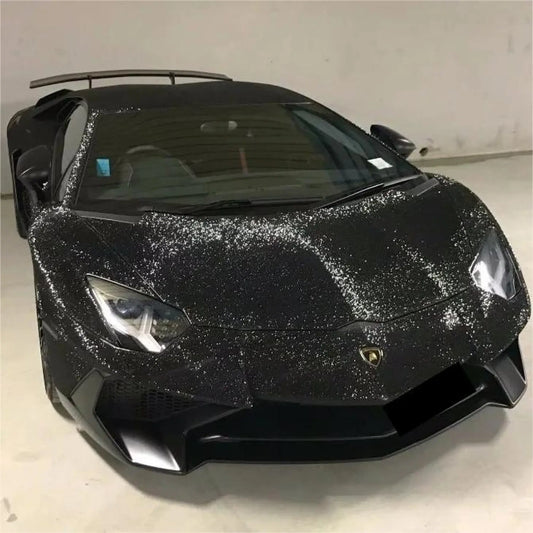
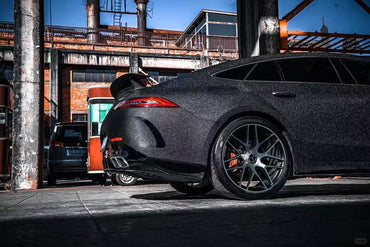
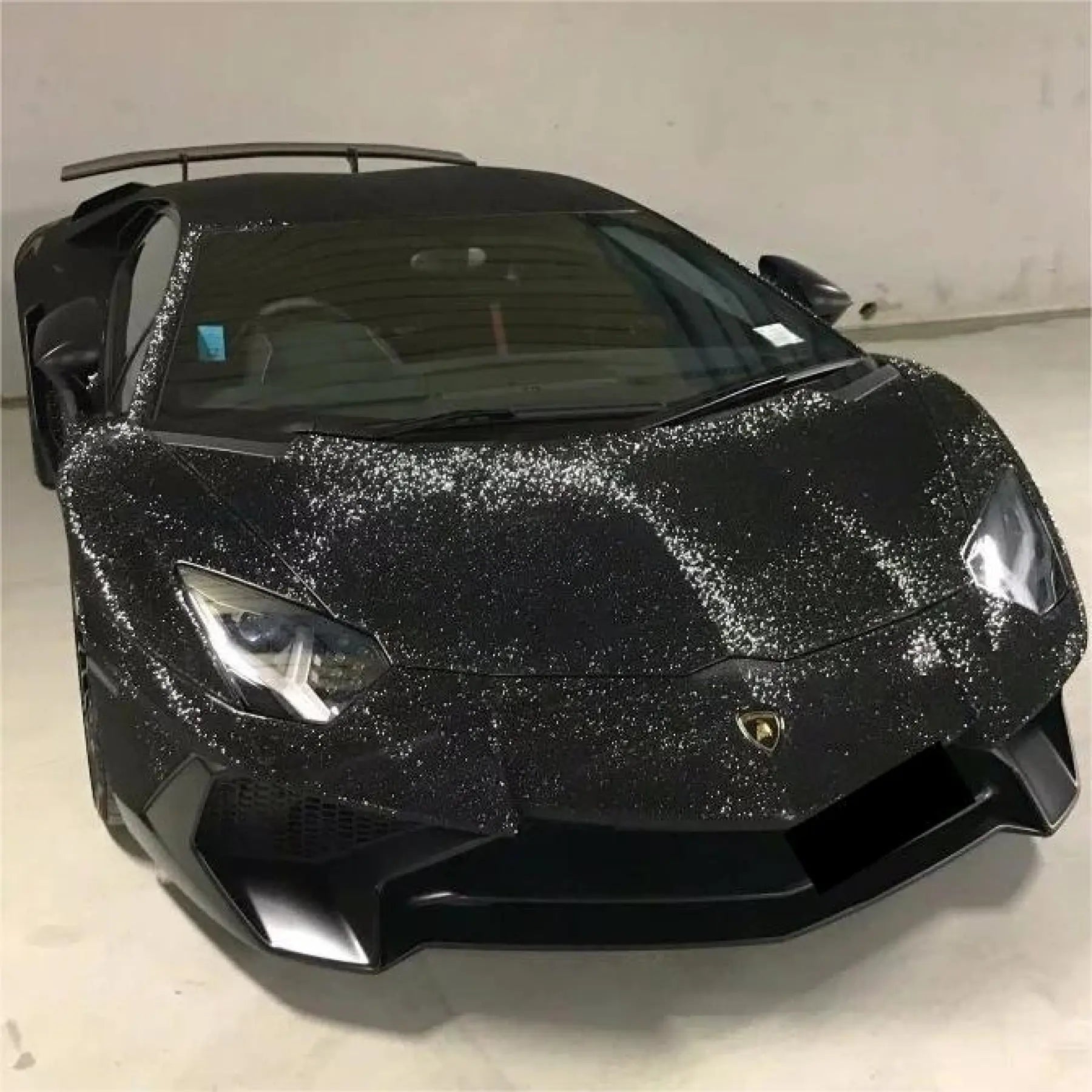
For owners ready to make a bold aesthetic statement, the rainbow laser vinyl wrap series delivers holographic color-shifting effects that transform with every change in light and viewing angle. The dual color dream collection produces dramatic two-tone chameleon shifts across large panels. Liquid chrome wrap creates mirror-like metallic finishes for show-stopping presence. For refined elegance, the crystal vinyl wrap series provides deep lacquer-like jewel tones, while metallic vinyl wrap adds sophisticated shimmer. Owners seeking the stealth aesthetic should explore the ultra matte wrap collection, and those wanting maximum sparkle will find the glitter sparkle car wrap collection delivers exactly that.
Many enthusiasts also combine decorative vinyl on display panels with 3D carbon fiber wrap accents on hoods, roofs, and mirrors for a motorsport-inspired build. Before committing, order sample kits to evaluate color, texture, and finish against your vehicle in real lighting conditions. Browse Best Sellers to see which films are most popular among thousands of successful installations. For comprehensive background on how automotive vinyl wrapping technology evolved, the vehicle vinyl wrap overview on Wikipedia covers the history from fleet graphics to the advanced cast films and TPU protection products available today.
Key Takeaways for Safe Vinyl Wrap Removal
Safe vinyl wrap removal comes down to three principles: controlled heat, patient peeling at a low angle, and proper adhesive cleanup with automotive-grade products. Rushing any of these steps risks paint damage that far exceeds the cost of doing the job correctly. Remove wraps before they pass the five to seven year mark to ensure the vinyl peels cleanly rather than fracturing. Work in a temperature-controlled environment between 65°F and 80°F. Use only plastic tools to lift edges. Pull toward yourself at 30 to 45 degrees. Clean adhesive residue with purpose-formulated removers, never household solvents. And when the old wrap is off, take advantage of the freshly prepped surface to install something even better.

