





What Extreme Heat and UV Radiation Do to Unprotected Paint
Understanding the science behind heat damage explains why passive protection like paint protection film is essential in hot climates. Ultraviolet radiation penetrates the clear coat and attacks the chemical bonds in paint pigments and resin. Over months and years of constant exposure, this molecular breakdown causes visible fading, chalky oxidation, and a dull surface finish that no polish can permanently reverse. UV damage is cumulative and irreversible once it reaches the base paint layer.
Surface temperatures on vehicle panels parked in direct sunlight routinely exceed 180°F in hot regions. At these temperatures, factory clear coat softens and becomes more vulnerable to chemical etching from bird droppings, tree sap, insect residue, and acid rain. These contaminants penetrate softened clear coat far faster than they would on a cool surface, often leaving permanent marks within hours rather than days. The National Weather Service UV Index information provides context on how UV intensity varies by region and season, helping vehicle owners understand their specific exposure risk.
Thermal cycling compounds the damage. Vehicles in desert climates can experience temperature swings of 60°F or more between daytime highs and nighttime lows. This repeated expansion and contraction stresses paint at the molecular level, accelerating micro-cracking in clear coat that eventually becomes visible as a hazy or spider-web pattern across horizontal panels.
Why TPU Paint Protection Film Outperforms Alternatives in Heat
Not all protective films handle extreme heat equally. The critical distinction is material composition. Premium TPU paint protection wrap is built from aliphatic thermoplastic polyurethane, a polymer specifically engineered for chemical stability under prolonged UV exposure and high temperatures. Aliphatic TPU resists yellowing because its molecular structure does not contain the aromatic rings that break down and discolor when exposed to ultraviolet radiation. This is why modern premium PPF stays optically clear for years in the same conditions that would turn budget films yellow within months.
TPU also maintains dimensional stability across extreme temperature ranges. The polymer chains expand and contract gradually with heat cycling, distributing thermal energy evenly across the film rather than concentrating stress at adhesive bond points. This flexibility means the film stays firmly bonded to the paint surface even when exterior temperatures exceed 140°F, a threshold that can cause cheaper PVC-based wraps to soften, lift at edges, or develop adhesive failure. According to polymer research published by ScienceDirect, TPU’s unique combination of elasticity and thermal resistance makes it the preferred material for applications requiring sustained performance in demanding environments.
Five PPF Properties That Matter Most in Hot Climates
UV Absorption and Anti-Yellowing Technology
Premium PPF incorporates UV absorbers and hindered amine light stabilizers (HALS) distributed throughout the TPU substrate. These additives capture ultraviolet energy and convert it into low-level heat that dissipates harmlessly, preventing the radiation from reaching the factory paint beneath. High-quality TPU films block up to 99% of harmful UV rays, which dramatically reduces paint fading, oxidation, and clear coat degradation over the life of the film. Sailifilm’s TPU films use aliphatic formulations with anti-yellowing chemistry designed to maintain crystal-clear optical transparency even after years of direct sun exposure in the harshest climates.
Heat-Activated Self-Healing Topcoat
The self-healing capability of TPU paint protection film is particularly advantageous in hot climates because the mechanism is thermally driven. When light scratches or swirl marks appear on the film surface, heat causes the polymer chains in the topcoat to relax and flow back into their original configuration, erasing the damage. In sunny environments, this healing process occurs naturally and continuously throughout the day as the vehicle’s surface absorbs solar energy. Owners in cooler climates often need to apply heat manually with a heat gun or warm water, but vehicles in Arizona, Texas, Florida, or the Middle East benefit from ambient self-healing that keeps the film looking pristine with minimal intervention.
Adhesive Stability at High Temperatures
PPF adhesive performance is the most overlooked factor in hot climate durability. The acrylic adhesive layer that bonds the film to the vehicle’s clear coat must maintain full contact strength even when surface temperatures exceed 140°F. Premium TPU films use heat-stable adhesive formulations designed to tolerate sustained high temperatures without softening, migrating, or losing bond strength. Poor adhesive performance leads to edge lifting, bubbling, and delamination, problems that escalate rapidly in hot weather because once an edge lifts, trapped heat accelerates adhesive failure across the entire panel. This is one area where material quality directly determines long-term success.
Hydrophobic Topcoat for Contaminant Defense
Hydrophobic topcoats cause water and liquid contaminants to bead up and roll off the film surface rather than pooling and evaporating in place. In hot climates, this property is critical because standing water drops act as magnifying lenses under intense sunlight, concentrating heat on small areas of the surface and creating permanent water spot etching. A hydrophobic PPF surface prevents this by shedding water rapidly. It also reduces the adhesion of bird droppings, tree sap, and insect residue, contaminants that become far more corrosive when baked onto a hot surface. The TPU paint protection wrap collection features hydrophobic topcoat technology across both gloss and matte finish options.
Thickness and Impact Absorption
Film thickness directly impacts both protective capability and thermal stability. Sailifilm offers TPU paint protection films in 7.5 mil and 8.5 mil thicknesses, providing options for different coverage strategies. The 7.5 mil film delivers excellent full-body coverage with superior conformability around complex curves, while the 8.5 mil film provides maximum impact defense on high-exposure panels like hoods, bumpers, and fenders. In hot climates, the thicker 8.5 mil option is especially valuable for front-facing panels because desert driving conditions frequently involve sand, gravel, and debris kicked up at highway speeds. Both thicknesses incorporate the same UV stabilizers, self-healing topcoat, and heat-stable adhesive.
TPU PPF vs Vinyl Wrap vs Ceramic Coating in Hot Climates
|
Performance Factor |
TPU PPF |
Vinyl Wrap |
Ceramic Coating |
|
UV Blocking |
Up to 99% |
Moderate |
Moderate |
|
Rock Chip Protection |
Strong (7.5–8.5 mil) |
Minimal (2–4 mil) |
None |
|
Self-Healing |
Yes, heat-activated |
No |
No |
|
Anti-Yellowing |
Aliphatic TPU resists |
Fades in 3–5 years |
N/A (liquid layer) |
|
Heat Tolerance |
Stable above 200°F |
Softens at ~140°F |
Stable |
|
Hydrophobic Surface |
Yes (topcoat) |
No |
Yes |
|
Typical Lifespan |
5–10 years |
3–5 years |
2–5 years |
Many vehicle owners in hot climates combine TPU paint protection film with a ceramic coating applied over the PPF surface. This combination creates the ultimate defense system: the PPF absorbs physical impacts and blocks UV radiation while the ceramic layer amplifies hydrophobic water shedding and adds an extra barrier against chemical contaminants. According to Consumer Reports automotive care guidance, layering protective products is one of the most effective strategies for preserving vehicle appearance and resale value in demanding climates.
Colored PPF: Color Change and Heat Protection in One Film
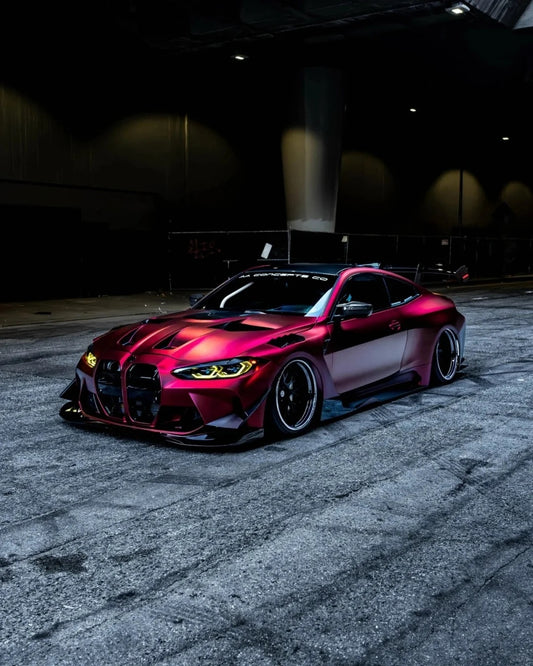
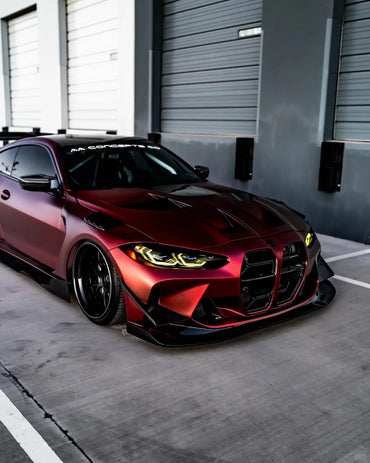
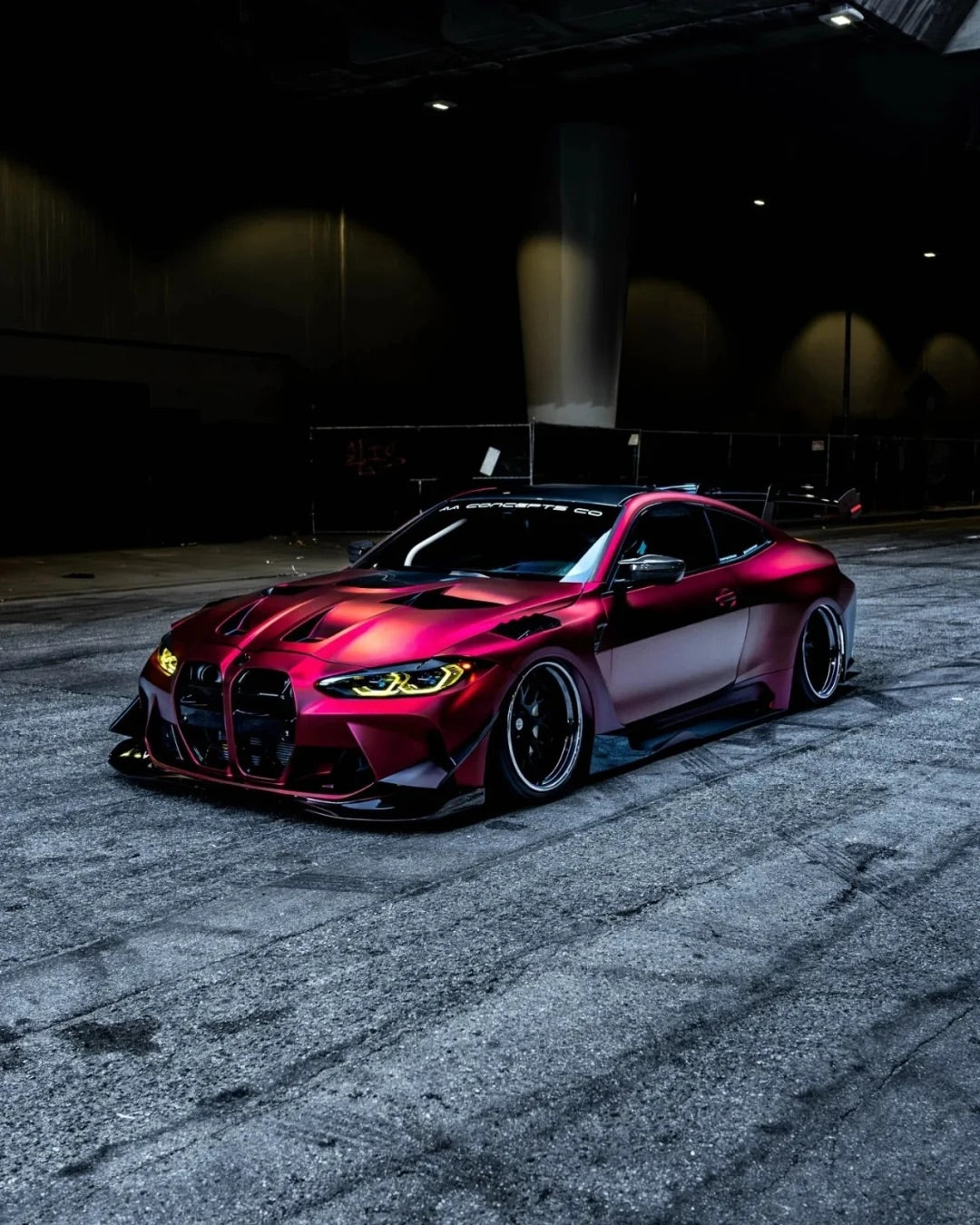
Vehicle owners in hot climates who want both a color transformation and genuine paint protection should consider colored paint protection film. These films integrate pigments directly into the TPU substrate, delivering a complete color change with the same self-healing, UV-blocking, and heat-resistant properties as clear PPF. Available colors include Crystal Sky Blue, Ferrari Red, Blood Red, Arctic Grey, Light Pink, Crystal Orange, and Piano Black. Each option provides the full protective performance of transparent TPU while eliminating the need to purchase a separate vinyl wrap for aesthetics and a separate clear PPF for protection. In environments where extreme heat accelerates the degradation of standard vinyl wraps, colored PPF’s TPU construction delivers significantly longer color stability and surface durability.
Vinyl Wrap Options for Hot Climate Customization
For vehicle owners prioritizing visual customization over heavy-duty impact protection, premium vinyl wraps remain an excellent choice when properly maintained. The key to vinyl longevity in hot climates is selecting high-quality cast films and following a disciplined care routine that minimizes UV exposure and contaminant buildup. Sailifilm’s complete car vinyl wrap collection spans every major finish category designed for maximum visual impact.
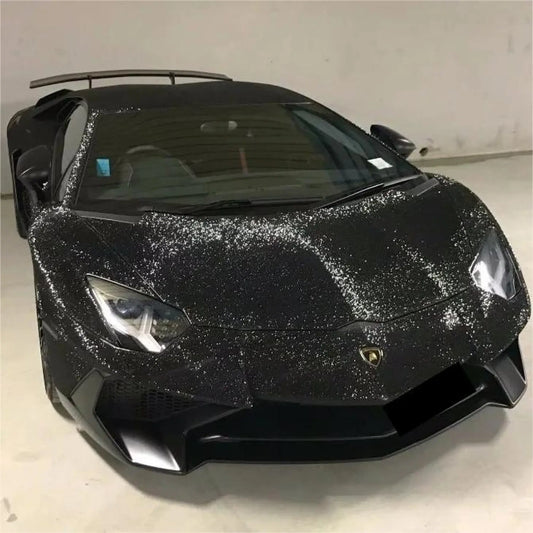
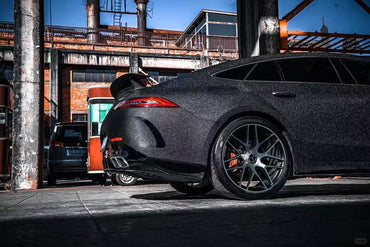
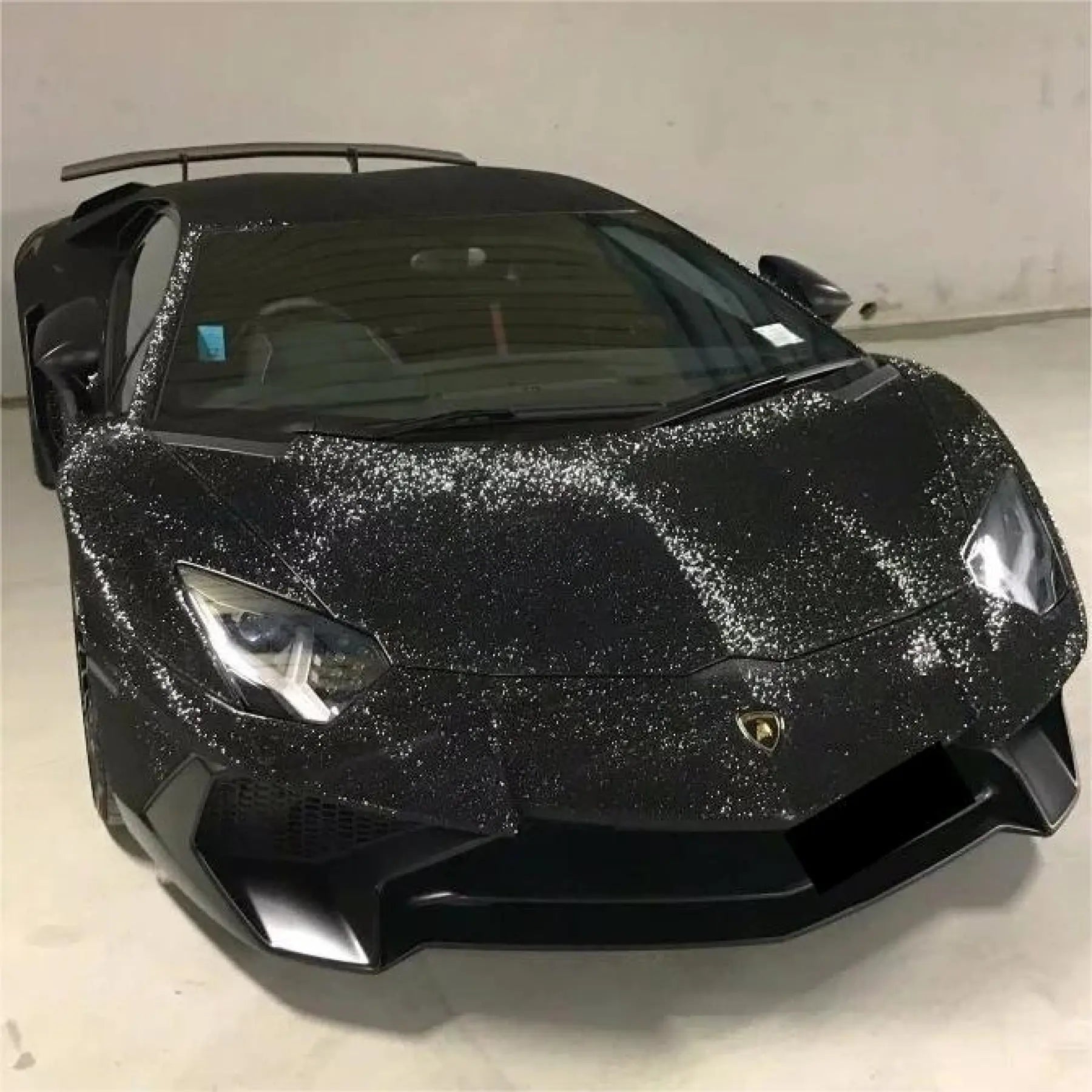
Ultra matte wrap is especially popular in hot regions because its non-reflective surface absorbs and scatters light rather than concentrating it, which reduces the visual appearance of heat-related surface imperfections. Metallic vinyl wrap incorporates fine metal flakes that add depth under sunlight while maintaining structural durability. Crystal vinyl wrap delivers a deep, jewel-toned lacquer appearance that rewards the intense sunlight common in warm climates. For dynamic color-shifting effects that become even more dramatic under strong sun, the rainbow laser vinyl wrap series and dual color dream collection produce holographic and chameleon transitions that intensify with direct light. Additional options include liquid chrome wrap for mirror-like metallic finishes, 3D carbon fiber wrap for textured motorsport accents, and glitter sparkle car wrap for maximum visual sparkle.
Many hot climate owners combine decorative vinyl wraps on side panels, roofs, and rear sections with clear or colored PPF on the hood, front bumper, and fenders. This hybrid strategy maximizes both aesthetic customization and physical protection where it matters most. Explore the full range through Best Sellers to see which films perform best in real-world installations.
Hot Climate PPF and Vinyl Wrap Maintenance Tips
Proper care in hot environments extends the lifespan of any automotive film significantly. Park in shaded or covered areas whenever possible. Even short periods of reduced direct sun exposure slow UV degradation and prevent the extreme surface temperatures that stress adhesive bonds. Wash the vehicle every one to two weeks using pH-neutral automotive soap and soft microfiber towels. In dusty desert environments, rinse the vehicle before contact washing to prevent sand particles from scratching the film surface during cleaning.
Remove bird droppings, tree sap, and insect residue immediately. These contaminants contain acids that become dramatically more corrosive when baked onto a hot surface. A prompt wipe with a damp microfiber cloth prevents etching that would otherwise become permanent within hours. Avoid petroleum-based solvents, acetone, and abrasive polishing compounds on both PPF and vinyl wraps. For additional protection, applying a spray-on ceramic booster every three to six months refreshes the hydrophobic properties of the film surface. The Specialty Equipment Market Association (SEMA) publishes seasonal vehicle care guidelines that include film-specific maintenance recommendations relevant to hot climate owners.
Before selecting any film product, evaluate colors and finishes under your actual lighting conditions. Sailifilm offers sample kits that allow you to test film behavior on a small panel outdoors, giving you realistic insight into how the material handles your specific climate. Professional wrapping tools ensure a clean, bubble-free installation that maximizes adhesive contact and long-term durability. For a comprehensive overview of how paint protection film technology evolved from military applications to the advanced automotive products available today, the Wikipedia entry covers the full history.
Protecting Your Vehicle Investment in Extreme Heat
Hot climates demand more from automotive protection products than any other environment. The combination of relentless UV radiation, extreme surface temperatures, thermal cycling, and aggressive environmental contaminants creates conditions that expose the limitations of budget films and passive protection methods. Premium TPU paint protection film engineered with aliphatic polyurethane, heat-stable adhesive, UV absorbers, and hydrophobic topcoats delivers the level of defense that vehicles in these regions require.
Explore the complete TPU Paint Protection Wrap collection to compare gloss and matte options in both 7.5 mil and 8.5 mil thicknesses, or browse the colored paint protection film range to combine heat-grade protection with a complete vehicle color change. In 2026, there is no reason to let extreme heat compromise the appearance and value of your vehicle when the technology to prevent it is available and proven.

