






Why Proper Washing Matters for Vinyl Wraps
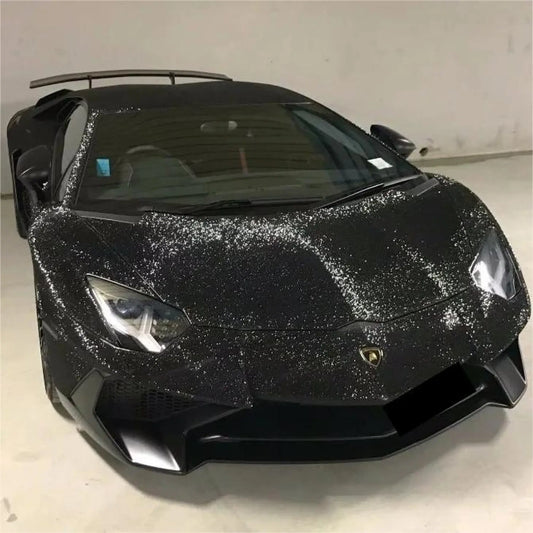
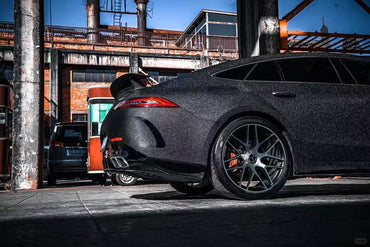
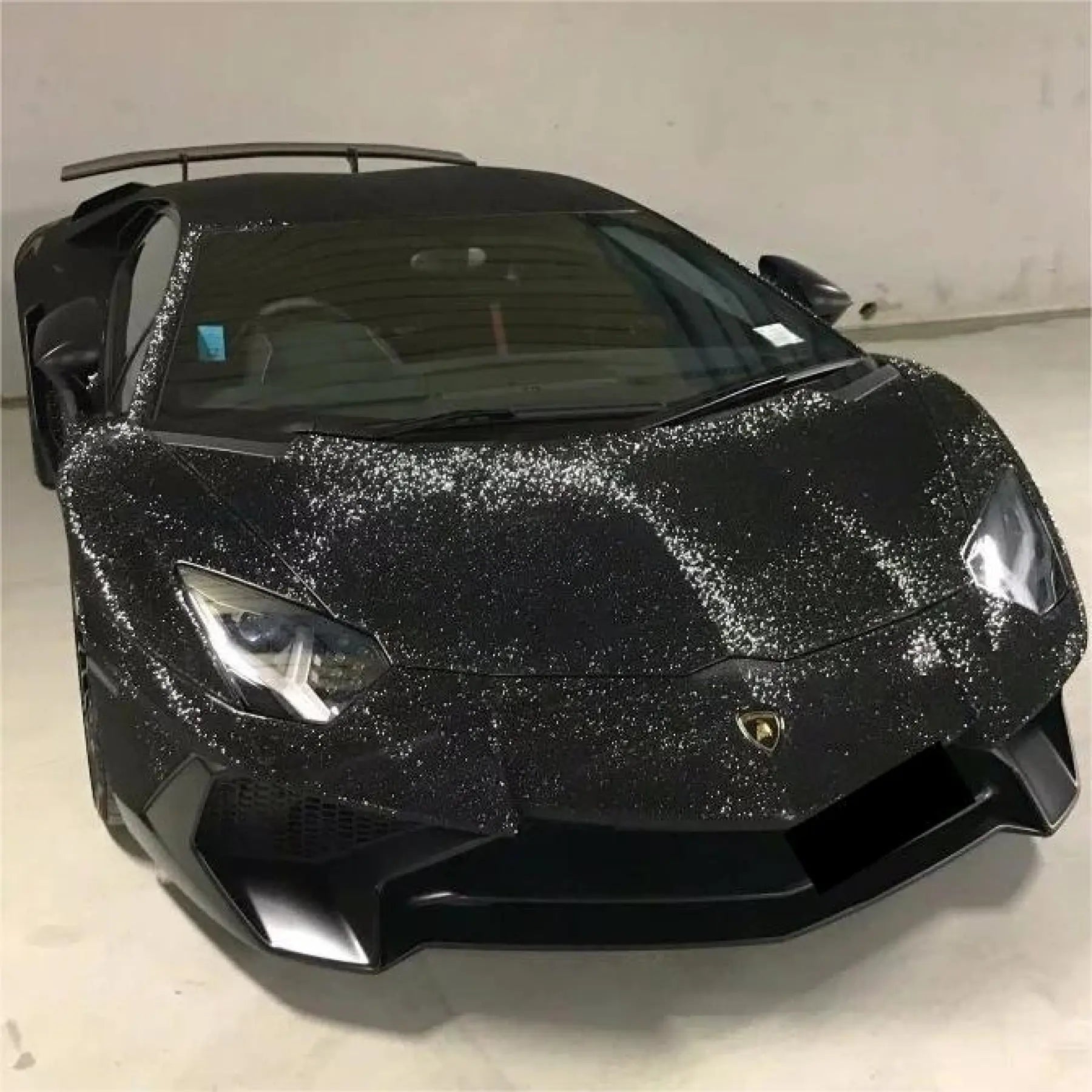
Unlike factory automotive paint, vinyl wrap film sits on the surface of your vehicle with a pressure-sensitive adhesive layer. Aggressive cleaning methods can lift edges, scratch the surface, or cause premature fading. A metallic vinyl wrap or a glitter sparkle car wrap will look stunning the day it is installed, but without the right cleaning routine, road contaminants such as bird droppings, tree sap, brake dust, and industrial fallout can bond to the film and cause permanent staining. According to the Wikipedia entry on vehicle vinyl wraps, cast vinyl films conform well to curved shapes but still require careful handling to maintain their integrity over time.
Step-by-Step: How to Hand Wash a Vinyl Wrapped Car
Hand washing is the safest and most effective method for cleaning any wrapped vehicle. The process is straightforward, but the details matter. Here is how to do it correctly.
Step 1: Pre-Rinse with Cool Water
Always start by rinsing your entire vehicle with cool or lukewarm water from a standard garden hose. This removes loose dirt particles and road grit that could scratch the vinyl surface during the wash stage. Never begin scrubbing a dry wrap; dragging dry contaminants across the film surface is one of the fastest ways to create micro-scratches, especially on crystal vinyl wrap and other high-gloss finishes. Aim the water stream from top to bottom so debris flows downward and away from clean panels.
Step 2: Use a pH-Neutral Car Wash Soap
Fill two buckets—one with clean water and one with a diluted, pH-neutral automotive shampoo. The two-bucket method is widely recommended by professional detailers because it prevents dirty water from being reapplied to the vehicle surface. Dip a soft microfiber wash mitt into the soapy bucket, gently wash one panel at a time from top to bottom, then rinse the mitt in the clean-water bucket before reloading with soap. Avoid dish soap, household cleaners, or any product containing abrasive compounds, as these can degrade the vinyl adhesive and dull the finish of wraps such as the dual color dream vinyl wrap collection.
Step 3: Rinse Thoroughly and Dry
After washing every panel, give the car a complete rinse with clean water to remove all soap residue. Leftover detergent can leave streaks or spots that become difficult to remove once they dry. Use a clean, soft microfiber drying towel to pat the surface dry. Avoid dragging the towel aggressively; instead, use a blotting motion to lift water from the surface. If you prefer, a silicone squeegee works well for removing the bulk of the water before towel-drying. Pay extra attention to crevices around door handles, mirrors, and panel edges where water tends to collect and can seep under wrap seams.
Can You Pressure Wash a Vinyl Wrap?
Yes, but with caution. If you choose to use a pressure washer, keep the PSI below 2,000 and use a wide-angle spray nozzle of 40 degrees or more. Maintain at least 12 inches of distance between the nozzle and the vehicle surface. Never aim the pressure washer directly at wrap edges, seams, or any area where the film meets a panel gap. High-pressure water can force its way under the adhesive layer, causing bubbling, lifting, or delamination. Water temperature should stay below 140°F (60°C). For detailed instructions on proper film care, Sailifilm provides a comprehensive car film maintenance guide on their website.
Why You Should Avoid Automatic Car Washes
Drive-through car washes with spinning brushes are one of the biggest threats to a vinyl wrap. The mechanical brushes spin at high speed and apply uneven pressure, which can scratch, scuff, or even peel back the edges of your wrap. The harsh chemicals used in many automated car washes are formulated for factory clear coats and are often too aggressive for vinyl film. Even brushless automatic washes pose a risk because the high-pressure jets can lift edges over repeated use. Hand washing is always the preferred method, and it does not take significantly more time than waiting in a car wash queue. Your car vinyl wrap deserves the gentle attention that only hand washing provides.
What Cleaning Products Are Safe for Vinyl Wraps?
Choosing the right cleaning products is just as important as using the right technique. The general rule is to stick with products that are pH-balanced, non-abrasive, and free of petroleum-based solvents. A pH-neutral automotive shampoo is your everyday go-to product for routine washes. For spot cleaning of bird droppings, bug splatter, or tree sap, use isopropyl alcohol diluted at a ratio of two parts alcohol to one part water. Always test any spot-cleaning solution on a small, inconspicuous area first to ensure it does not harm the film. Avoid products containing strong solvents, acetone, or any abrasive polishing compound.
|
Safe Products |
Products to Avoid |
|
pH-neutral car wash shampoo |
Dish soap / household detergent |
|
Isopropyl alcohol (diluted 2:1) |
Acetone or strong solvents |
|
Soft microfiber towels and mitts |
Stiff brushes or abrasive pads |
|
Ceramic spray sealant (wrap-safe) |
Traditional car wax or polish |
|
Waterless wash spray (vinyl-safe) |
Petroleum-based tire shine on film |
How to Remove Stubborn Stains from Vinyl Wrap
Bird droppings, tree sap, and bug residue are the most common stubborn contaminants that vinyl wrap owners encounter. The key is to address these stains as quickly as possible. The longer these acidic or sticky substances sit on the film, the more likely they are to etch into the surface and leave permanent marks. To remove them, soak a clean microfiber cloth in warm, soapy water and lay it over the stained area for several minutes. This softens the contaminant without requiring aggressive scrubbing. After the residue has loosened, wipe gently in one direction rather than in circles. For particularly resistant spots, apply a small amount of diluted isopropyl alcohol. Never use a razor blade, scraper, or any sharp tool on the wrap surface.
Washing Tips for Different Vinyl Wrap Finishes
Not all vinyl finishes respond the same way to cleaning. Matte and satin wraps, such as those in the Sailifilm ultra matte wrap collection, should never be treated with wax or polish, as these products can add unwanted shine and alter the flat finish. For matte wraps, stick to a simple wash-and-dry routine with a pH-neutral soap. Gloss and metallic finishes, such as the metallic vinyl wrap series and liquid chrome wrap series, can benefit from a wrap-safe ceramic spray sealant that adds a hydrophobic layer without harming the adhesive. 3D carbon fiber wraps have a textured surface that can trap dirt in the grooves; use a soft-bristle detailing brush to gently agitate the soap into those textured areas during washing.
Caring for TPU Paint Protection Film
If your vehicle is protected with TPU paint protection film or colored paint protection film, the washing process is similar but comes with an important advantage: TPU films are self-healing, meaning minor scratches and swirl marks can disappear when exposed to heat. After washing your PPF-protected vehicle, you can pour warm water over light scratches or park the car in direct sunlight for a few minutes to activate the self-healing properties. TPU films are generally more resistant to chemical exposure than standard vinyl, but you should still avoid harsh solvents and abrasive cleaning tools. For a deeper understanding of how paint protection film works, the Wikipedia article on paint protection film provides a solid technical overview.
Seasonal Maintenance and Storage Tips
Climate plays a significant role in how often you should wash your wrap and what extra precautions you should take. In summer, UV exposure is the biggest concern. Prolonged sun exposure can cause colors to fade, especially on horizontal panels such as the hood, roof, and trunk lid. Parking in a garage or shaded area whenever possible is the single most effective way to extend your wrap’s lifespan. In winter, road salt and de-icing chemicals are corrosive and should be rinsed off as soon as possible after driving. A bi-weekly wash during winter months is recommended for vehicles exposed to salted roads. If your area experiences heavy pollen seasons in spring, wash your car weekly to prevent acidic pollen from bonding to the film surface.
For those who want a deep dive into these seasonal considerations, the Consumer Reports guide to car washing offers helpful tips that apply equally well to wrapped and painted vehicles.
How Proper Washing Extends Wrap Longevity
A premium vinyl wrap that receives consistent, proper care can last five to seven years or even longer. Neglecting regular cleaning, on the other hand, can cut that lifespan to just two or three years. Contaminants that remain on the surface accelerate UV degradation, cause chemical etching, and weaken the adhesive bond. Regular washing also gives you the opportunity to inspect the wrap for early signs of lifting, bubbling, or edge peeling, allowing you to address small issues before they become costly repairs. Whether you have chosen a dual color dream wrap for its color-shifting effect or a crystal vinyl wrap for its diamond-like sparkle, consistent care is what keeps the investment looking its best.
Car Wrap Trends in 2026 Worth Protecting
The car wrap industry continues to grow rapidly, and 2026 has brought several exciting design trends that make proper care more important than ever. Iridescent and chameleon finishes remain hugely popular, with color-shifting wraps that change hue depending on the viewing angle. Matte metallic wraps combine understated elegance with a subtle shimmer, while gloss chrome and liquid metal finishes deliver show-stopping reflections. Sailifilm’s rainbow laser series captures this trend perfectly with stunning color-shifting effects. The best sellers collection showcases the most popular choices among car enthusiasts right now.
Essential Tools for Wrap Care and Installation
Maintaining a wrap starts with having the right tools on hand. Stock up on high-quality microfiber towels, a pH-neutral car shampoo, a silicone squeegee for drying, and a wrap-safe ceramic spray for added protection on gloss finishes. If you are also planning to install a wrap yourself, Sailifilm offers a complete selection of professional wrapping tools, along with sample kits that let you test colors and finishes before committing to a full roll. For a step-by-step walkthrough of the installation process, check out the DIY car wrap installation guide available on the Sailifilm website.
Quick-Reference Wash Checklist
Frequency: Wash your wrapped car at least every two weeks, or weekly if exposed to heavy road pollution, pollen, or coastal salt spray.
Water Temperature: Use cool or lukewarm water. Never use hot water above 140°F.
Soap: pH-neutral automotive shampoo only. No dish soap, no window cleaner.
Towels: Clean, soft microfiber only. Replace towels regularly.
Drying: Pat dry or use a silicone squeegee. Do not let the car air dry to avoid water spots.
Stain Removal: Address bird droppings, sap, and bug splatter immediately. Soak, do not scrub.
Pressure Washing: Below 2,000 PSI, 40-degree nozzle, 12 inches away, never at seams.
Storage: Garage or covered parking whenever possible to minimize UV exposure.
Explore the Full Sailifilm Collection
Taking proper care of your vinyl wrap is the key to making your investment last. Whether you are looking for your first wrap or considering a color change, Sailifilm offers an extensive range of premium automotive films to match every style. Browse the complete car vinyl wrap collection to find the perfect finish for your vehicle, from the iridescent shimmer of the rainbow laser series to the refined depth of the metallic series. With free shipping on orders over $26, sample kits for testing before you buy, and a 7-day replacement guarantee, Sailifilm makes it easy to transform and protect your ride.

