

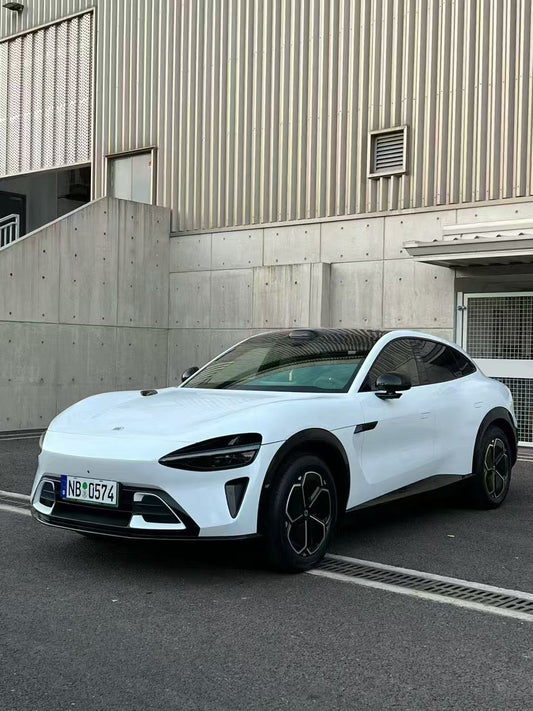
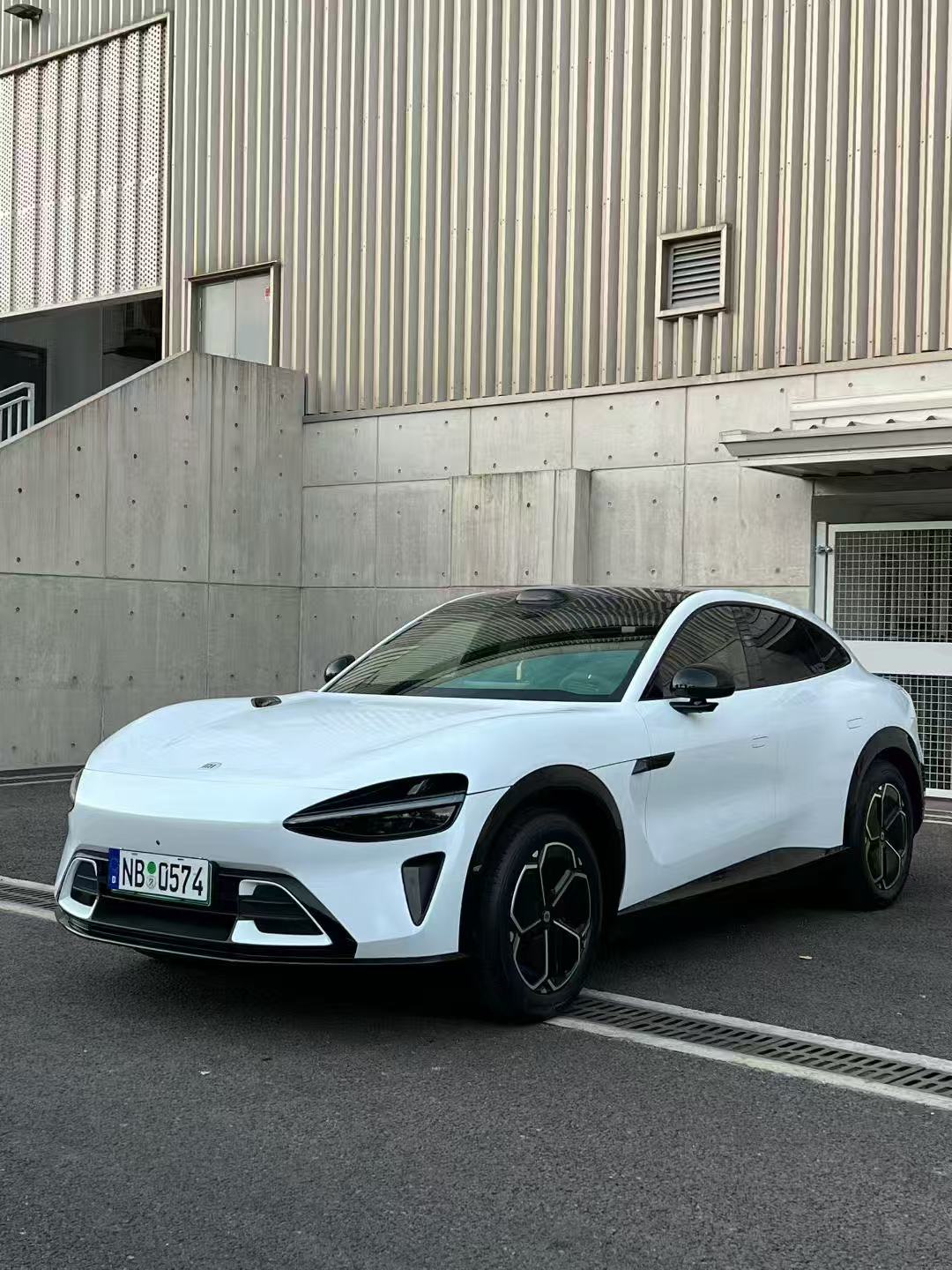


Surface preparation is the single most important step that separates a professional-looking car vinyl wrap from one that looks uneven, bubbles prematurely, or peels within months. Every scratch, chip, and imperfection hiding beneath the factory clear coat will telegraph directly through your new film, no matter how premium the vinyl material is. The question most vehicle owners face before a wrap project is whether to invest in a full paint correction or simply touch up the visible damage. Both approaches serve different purposes, and choosing the right one depends on the current condition of your paint, your budget, and the type of wrap you plan to install.
What Is Paint Correction and Why Does It Matter for Wraps?
Paint correction is the process of mechanically leveling the clear coat on your vehicle to remove swirl marks, light scratches, oxidation, and other surface defects. It typically involves a series of compounding and polishing stages using a dual-action or rotary polisher with progressively finer abrasive pads and compounds. The goal is to create a uniformly smooth surface across every panel of the vehicle. According to the Wikipedia article on auto detailing, paint correction falls under the broader discipline of professional detailing and is considered one of the most skill-intensive processes in vehicle care.
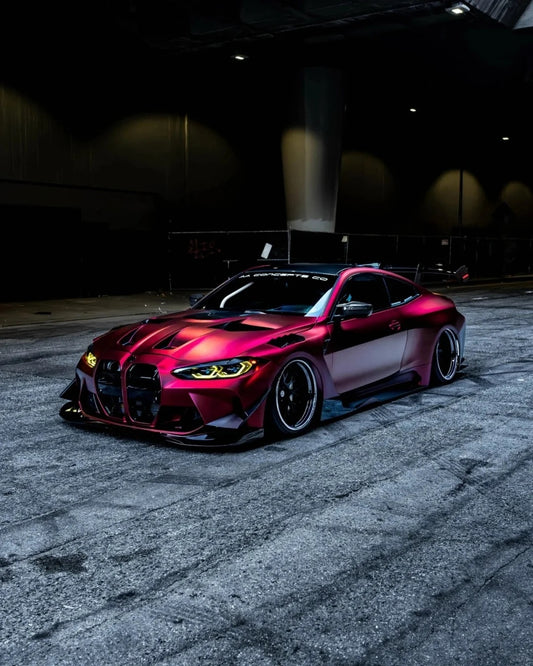
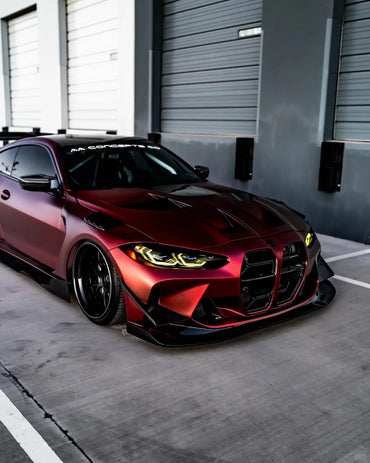
For vinyl wrapping, paint correction serves a specific purpose: it eliminates surface irregularities that the film would otherwise conform to and make visible. A high-gloss finish like the Sailifilm crystal vinyl wrap or metallic vinyl wrap acts like a mirror, meaning any imperfection beneath the film becomes amplified rather than hidden. Paint correction removes those imperfections at the source, giving the adhesive layer a clean, consistent surface to bond with.
When Full Paint Correction Is the Right Choice
Not every vehicle needs a full paint correction before wrapping, but certain conditions make it essential. If your vehicle’s clear coat has widespread swirl marks from automated car washes, heavy oxidation from years of sun exposure, or noticeable orange peel texture from a previous respray, paint correction is the appropriate solution. These types of defects cover large areas of the vehicle and cannot be addressed with localized touch-ups.
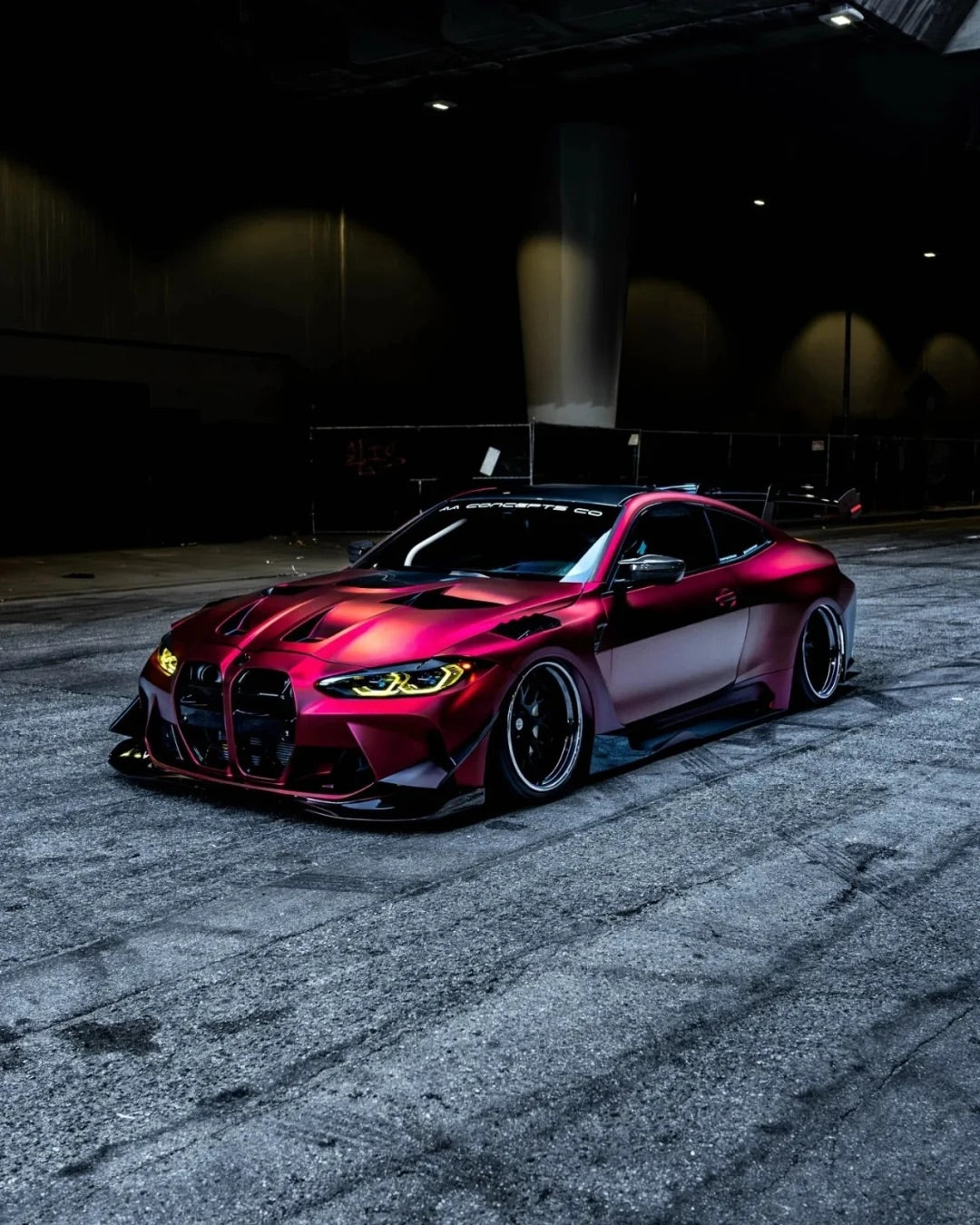
Vehicles with dark factory paint colors tend to show swirl marks and hologram patterns more visibly, making correction especially important if you plan to apply a lighter or color-shifting wrap such as the rainbow laser vinyl wrap or a dual color dream vinyl wrap. These finishes are designed to shift color depending on the viewing angle, and any underlying texture disrupts that optical effect. A freshly corrected surface allows the film to lay perfectly flat, producing the smooth, mirror-like foundation that color-shifting wraps demand.
It is also worth noting that paint correction is not about making the surface glossy for the wrap. In fact, professional installers do not want a heavily waxed or sealed surface because those coatings can interfere with adhesive bonding. The goal is smoothness and cleanliness, not shine. After correction, the vehicle should be thoroughly decontaminated with isopropyl alcohol or a dedicated surface prep solution to remove any polish residue before the wrap is applied.
What Is Paint Touch-Up and How Does It Differ?
Paint touch-up is a localized repair method used to fill individual chips, nicks, and deep scratches that have broken through the clear coat or base coat layers. Unlike paint correction, which levels the entire surface, touch-up targets specific damage points using color-matched automotive paint applied with a fine brush, pen, or micro-applicator. The process typically involves cleaning the damaged area, applying primer if bare metal is exposed, building up thin layers of color-matched paint, and sealing the repair with clear coat.
Touch-up is the correct approach when your paint is generally in good condition but has isolated damage from road debris, parking lot incidents, or gravel impacts. These localized chips are especially common on hoods, bumpers, rocker panels, and mirrors — all high-impact zones where stones and debris strike most frequently. The Wikipedia entry on automotive paint explains how modern multi-layer paint systems include primer, base coat, and clear coat, each serving a different function. Touch-up repairs need to address whichever layers have been compromised.
When Touch-Up Is Sufficient Before Wrapping
If your vehicle has fewer than a dozen scattered chips with no surrounding clear coat failure, touch-up is usually all that is needed. The key requirement is that the repaired area must be as smooth and level as possible with the surrounding paint. A raised blob of touch-up paint will be just as visible under a wrap as an unfilled chip. Professional-grade touch-up methods involve building paint in thin layers and then carefully wet-sanding the cured repair with ultra-fine sandpaper (2000 grit or higher) to bring it flush with the original surface.
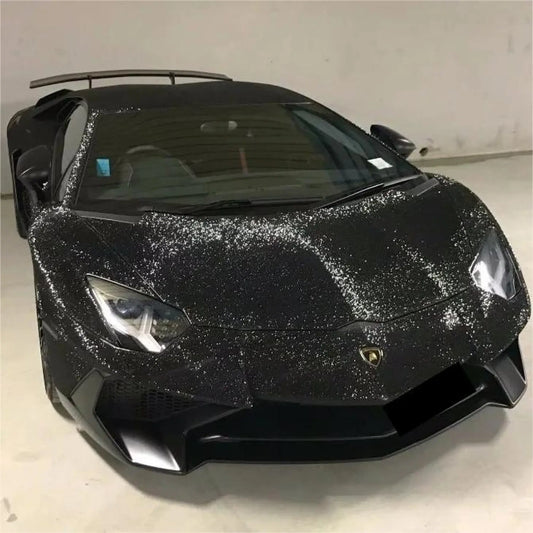
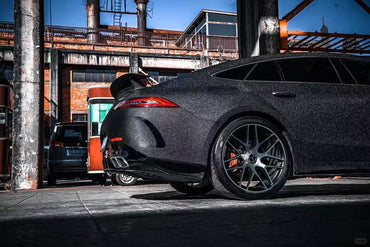
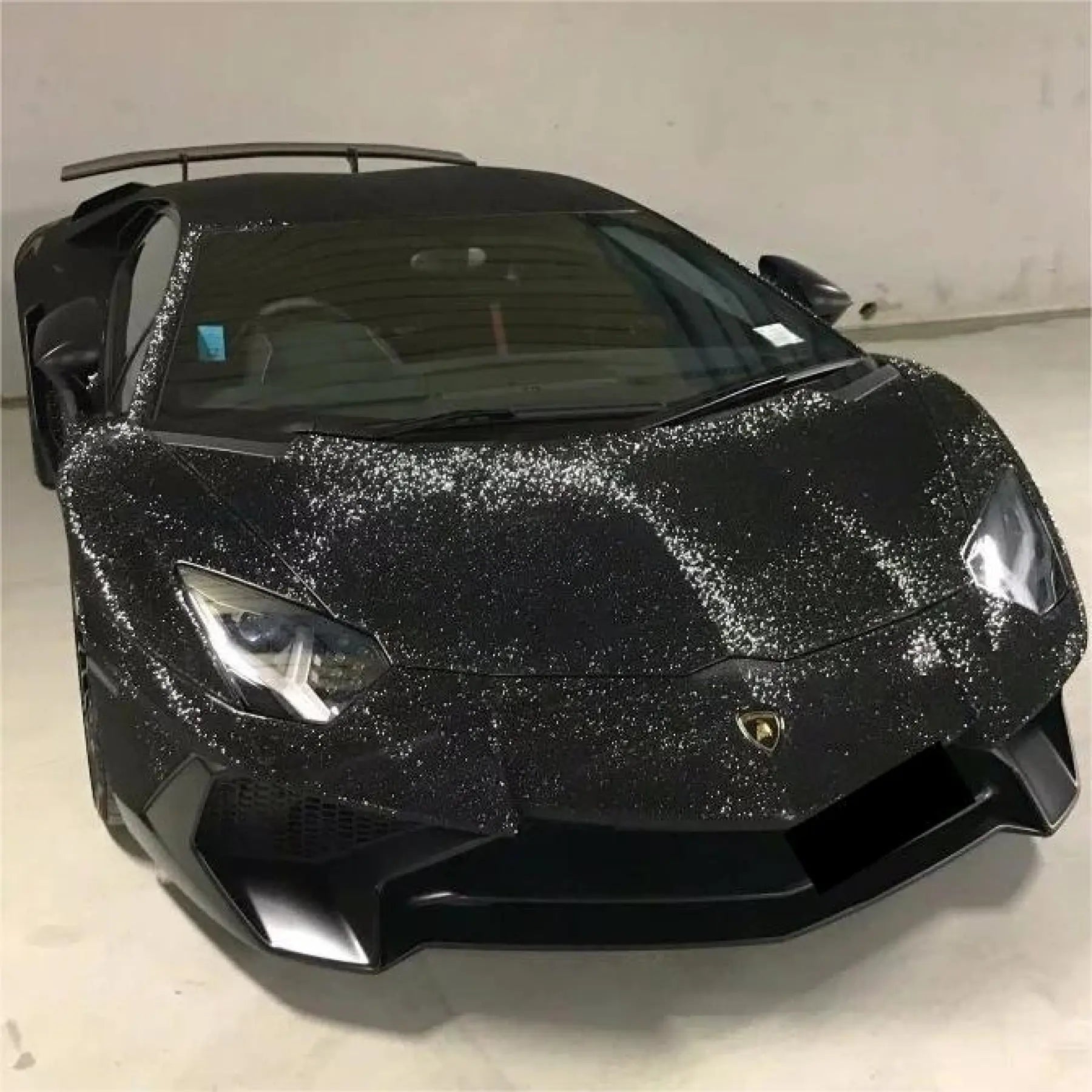
Touch-up is particularly practical for vehicles that will be wrapped with textured finishes. A 3D carbon fiber wrap has a built-in texture pattern that is more forgiving of minor surface imperfections beneath the film. Similarly, the glitter sparkle car wrap collection features a diamond-particle surface structure that diffuses light in multiple directions, making tiny flaws beneath the film far less noticeable compared to a smooth, high-gloss finish.
Paint Correction vs Touch-Up: Side-by-Side Comparison
|
Factor |
Paint Correction |
Touch-Up Repair |
|
Best For |
Swirl marks, oxidation, orange peel, haze across large areas |
Isolated chips, nicks, and deep scratches in localized spots |
|
Process |
Machine polishing with compounds and pads |
Hand-applied color-matched paint with brush or pen |
|
Typical Cost |
$300 – $800+ for full vehicle |
$50 – $300 depending on chip count |
|
Time Required |
4 – 8 hours for full correction |
1 – 3 hours plus curing time |
|
Skill Level |
Professional recommended |
DIY-friendly for small chips |
|
Ideal Wrap Type |
High-gloss, chrome, crystal, metallic finishes |
Matte, carbon fiber, textured, glitter finishes |
|
Surface Result |
Uniformly smooth and defect-free |
Smooth at repair sites, original surface elsewhere |
When You Need Both Methods Together
Many vehicles benefit from a combination of both approaches. A car that has spent several years on the road will typically have both widespread swirl marks from regular washing and localized chips from highway driving. In these cases, the most effective preparation sequence is to address the deep chips first with touch-up paint, allow the repairs to cure fully (at least 48 hours is recommended), and then follow up with a paint correction pass that smooths the entire surface, including the cured touch-up areas, into a uniform plane.
This combined approach is especially valuable when applying premium films such as the colored paint protection film from Sailifilm. Colored PPF is thicker and more conformable than standard vinyl wrap, and it offers self-healing properties that help conceal minor surface scratches after installation. However, even with its forgiving nature, colored PPF still performs best over a properly prepared surface. Starting with a foundation of touch-up repairs followed by machine correction gives the film the ideal bonding surface and ensures an absolutely seamless final appearance.
Common Surface Prep Mistakes That Ruin a Wrap
Understanding what to avoid is just as important as knowing the correct process. One of the most frequent mistakes is applying a ceramic coating, wax, or sealant to the vehicle after paint correction but before wrapping. These protective coatings create a hydrophobic barrier that prevents the vinyl adhesive from making proper contact with the clear coat. Always use a solvent-based surface prep solution such as isopropyl alcohol as the final step before film application.
Another common error is leaving touch-up paint raised above the surrounding surface. Thick, unleveled blobs of touch-up paint create bumps that are visible through any wrap, regardless of the finish type. The repair must be wet-sanded flush with the clear coat before wrapping. Skipping this step is one of the primary reasons DIY wrap installations look unprofessional.
A third mistake is wrapping over rust, flaking paint, or bare metal without proper treatment. Vinyl adhesive is not a rust inhibitor. If corrosion exists beneath the wrap, it will continue to spread under the film, causing bubbling and delamination that only gets worse over time. Any rust must be chemically treated or sanded back to clean metal, primed, and painted before wrapping. For more guidance on proper surface treatment, the Consumer Reports guide to scratch repair provides a helpful overview of how to assess and address different levels of paint damage.
How TPU Paint Protection Film Simplifies Future Maintenance
One of the greatest advantages of choosing TPU paint protection wrap over standard vinyl is its ability to prevent the very type of damage that requires correction and touch-up in the first place. TPU film is engineered to absorb impacts from road debris, resist stone chips, and self-heal minor scratches when exposed to heat. This means that once the film is installed, the paint beneath remains in pristine condition for the entire lifespan of the wrap. When the film is eventually removed, the original factory paint looks exactly as it did on the day of installation — a significant benefit for resale value. The Wikipedia article on paint protection film describes how modern TPU-based films evolved from military helicopter blade protection into automotive applications, highlighting the material’s exceptional durability.
Matching Your Prep Level to the Right Wrap Finish
The level of surface preparation you need is directly connected to the type of wrap you plan to apply. High-gloss and reflective finishes are the most demanding because they amplify every surface irregularity beneath the film. If you are considering a liquid chrome wrap or a crystal vinyl wrap, investing in professional paint correction is strongly recommended. These mirror-like finishes reveal even the slightest imperfection.
Matte, satin, and textured finishes are more forgiving. The ultra matte wrap series diffuses light rather than reflecting it, which naturally conceals minor surface flaws. Similarly, 3D carbon fiber wrap has an inherent weave texture that masks subtle imperfections. For these finishes, a simple touch-up of chips and a thorough cleaning is often sufficient preparation.
Color-shifting wraps sit somewhere in between. The rainbow laser series and dual color dream series rely on smooth, consistent light reflection to produce their iridescent effects. While they are not as unforgiving as a full chrome mirror finish, they still benefit from a well-corrected surface. A minimum of light machine polishing after touch-up repairs will give these color-shifting films the best possible canvas.
Getting Started with the Right Tools
Whether you are hiring a professional installer or tackling a DIY project, having the right equipment on hand makes all the difference. For paint preparation, you will need isopropyl alcohol for decontamination, microfiber cloths, 2000-grit wet sandpaper for leveling touch-ups, and a clay bar for removing embedded contaminants. For the wrap installation itself, Sailifilm offers a complete selection of professional wrapping tools including squeegees, heat gun accessories, cutting blades, and application gloves.
If you are still deciding on which film style to choose, sample kits allow you to test multiple colors and textures on your vehicle before committing to a full roll. This is an excellent way to see how a particular finish interacts with your paint condition and determine whether additional surface preparation is needed. You can also explore the Sailifilm best sellers to see which products are most popular among car enthusiasts and professional installers this year.
Pre-Wrap Surface Preparation Checklist
Step 1: Wash the entire vehicle with pH-neutral car shampoo and dry thoroughly.
Step 2: Clay bar the surface to remove embedded contaminants such as tar, tree sap, and industrial fallout.
Step 3: Inspect for chips, scratches, rust spots, and clear coat failure under bright lighting.
Step 4: Apply touch-up paint to any deep chips or exposed metal. Allow 48 hours minimum cure time.
Step 5: Wet-sand cured touch-up areas with 2000-grit paper until flush with the surrounding surface.
Step 6: If the wrap finish is high-gloss or reflective, perform machine paint correction across all panels.
Step 7: Wipe every panel with isopropyl alcohol to remove polish residue, oils, and any remaining wax.
Step 8: Verify that the surface is completely dry, clean, and free of loose particles before beginning film application.
For a complete walkthrough of the installation process itself, visit the Sailifilm DIY car wrap installation guide. For ongoing care after your wrap is installed, the car film maintenance guide covers proper washing techniques, stain removal, and seasonal upkeep to maximize your wrap’s lifespan.
Explore the Full Sailifilm Collection
A properly prepared surface is the foundation of every great wrap. Whether you need full paint correction for a show-quality metallic vinyl wrap or a quick touch-up before installing a rugged 3D carbon fiber wrap, the effort you put into preparation pays off in durability, appearance, and long-term value. Browse the complete car vinyl wrap collection at Sailifilm to find the perfect finish for your project. With free shipping on orders over $26, sample kits for hands-on testing, and a 7-day replacement guarantee, Sailifilm makes it easy to transform your vehicle with confidence.

