



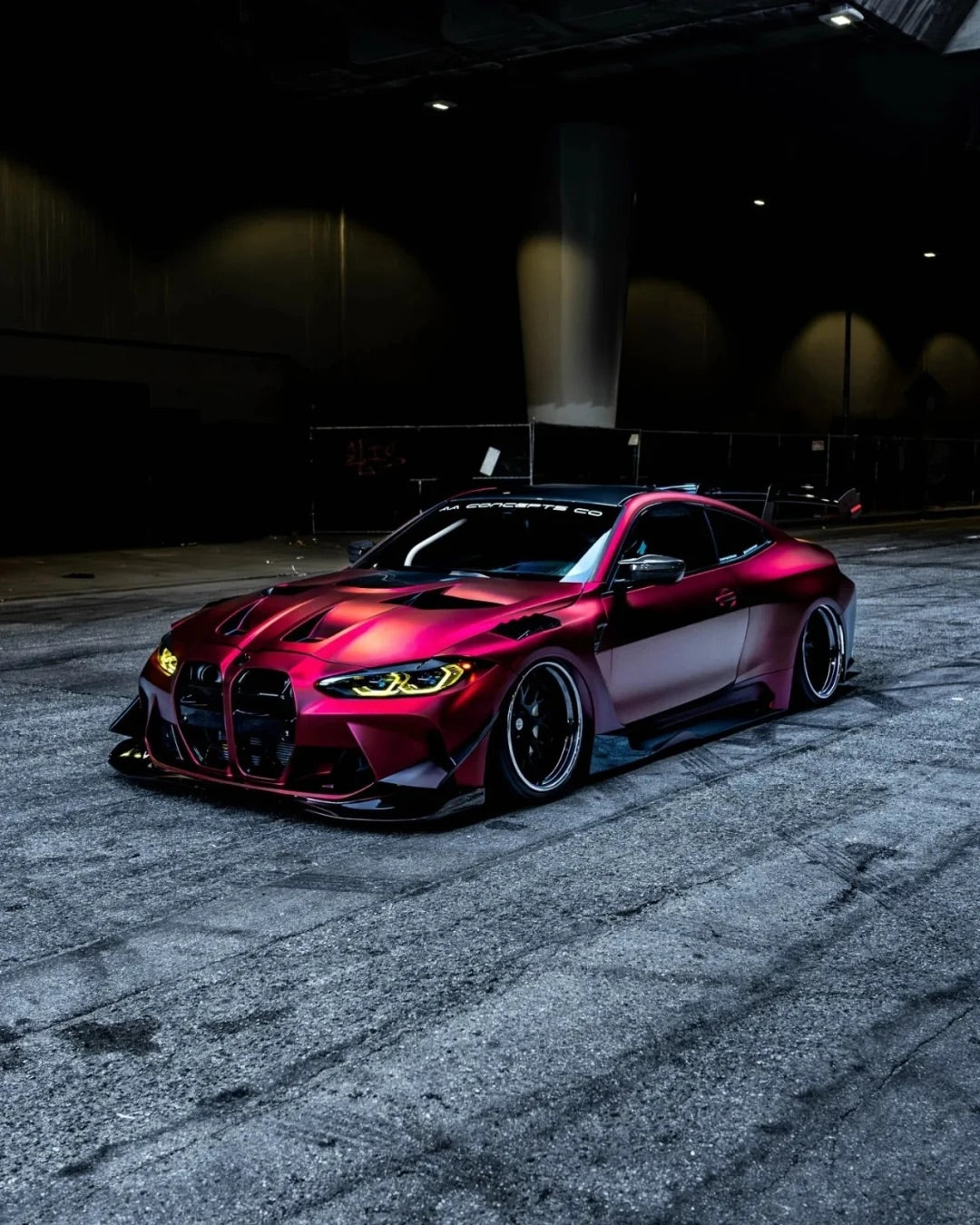


What Your Factory Paint Is Actually Up Against
Modern automotive paint is impressive engineering, but it is also surprisingly vulnerable. A typical clear coat is only a few microns thick, and once it is breached, every layer underneath becomes a potential failure point. Daily driving exposes that surface to a steady stream of damage from UV radiation, road salt, tree sap, bird droppings, industrial fallout, brake dust, and small impacts from gravel and grit. The Wikipedia article on automotive paint outlines how multi-layer paint systems are constructed, which makes it easier to understand why even minor surface damage can cascade into expensive repairs.
UV degradation is one of the slowest but most destructive forms of paint damage. Sunlight breaks down the chemical bonds inside the clear coat, leading to the chalky, faded look that older vehicles develop. The Wikipedia article on ultraviolet radiation explains the wavelengths involved and why photo-oxidation is so difficult for unprotected paint to resist. A quality vinyl wrap acts as a sacrificial UV barrier, taking the photonic hit so the original paint underneath does not.
Physical Protection: The Sacrificial Layer Principle
Every car vinyl wrap in the Sailifilm catalog functions as a sacrificial layer between your paint and the world. The film typically measures 3 to 4 mils in thickness, which is enough to absorb the constant low-level abrasion that paint accumulates over years of driving. Light scuffs from automatic car washes, swirl marks from improper wiping, micro-scratches from blowing sand and dust storms, all land on the wrap rather than on the paint.
This sacrificial principle is the foundation of vinyl wrap protection. When the wrap eventually wears out, you peel it off and the paint underneath emerges in the same condition it was when the wrap went on. For owners who plan to sell the vehicle eventually, this is the single most valuable protective benefit a wrap delivers.
UV Protection and Color Preservation
Vinyl films contain UV inhibitors built into the top coat. These inhibitors absorb or reflect ultraviolet radiation before it reaches the adhesive layer, the pigment layer, or the paint underneath. Films from our metallic vinyl wrap range and ultra matte wrap series both incorporate this technology, which is why a wrapped vehicle parked outdoors will retain its original paint far better than an unwrapped one parked next to it.
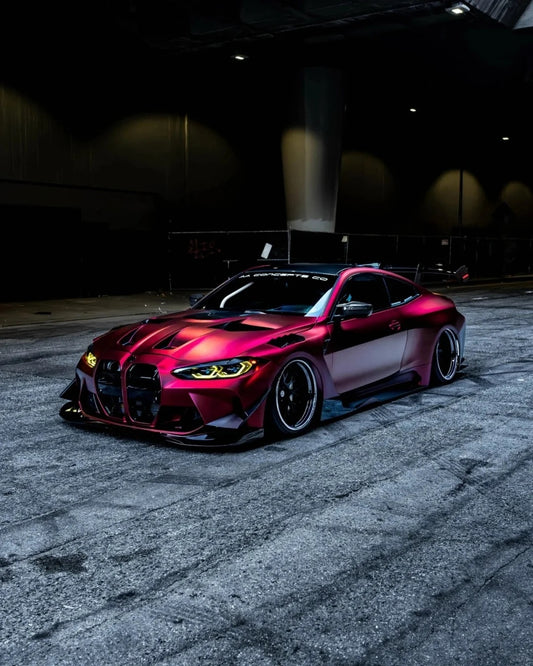
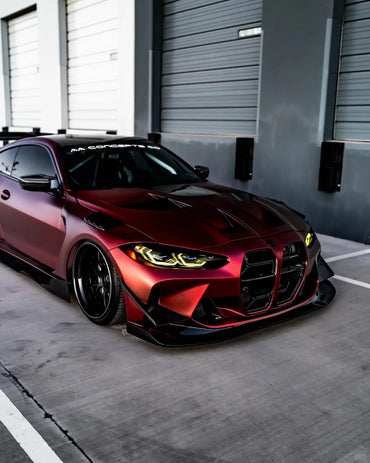
UV protection becomes especially important for vehicles with red, blue, or black factory paint, all of which are more prone to fading and oxidation than lighter colors. An owner of a red sports car who wraps the vehicle in a similar shade is essentially trading future paint correction costs for the upfront cost of the wrap, and usually coming out ahead financially over a five-to-seven-year ownership window.
Chemical Resistance: The Quiet Daily Threats
Some of the worst paint damage comes from chemicals that most owners never think about. Bird droppings are mildly acidic and can etch into clear coat within hours if left in direct sunlight. Tree sap hardens and bonds to paint, often pulling clear coat with it during removal. Road salt accelerates corrosion and works its way into any micro-crack it finds. Industrial fallout from brake dust, factory emissions, and even rail-yard particulates contains iron particles that bond chemically with paint over time.
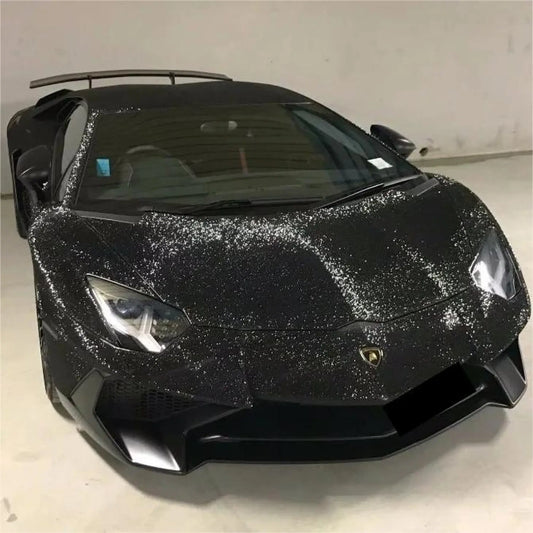
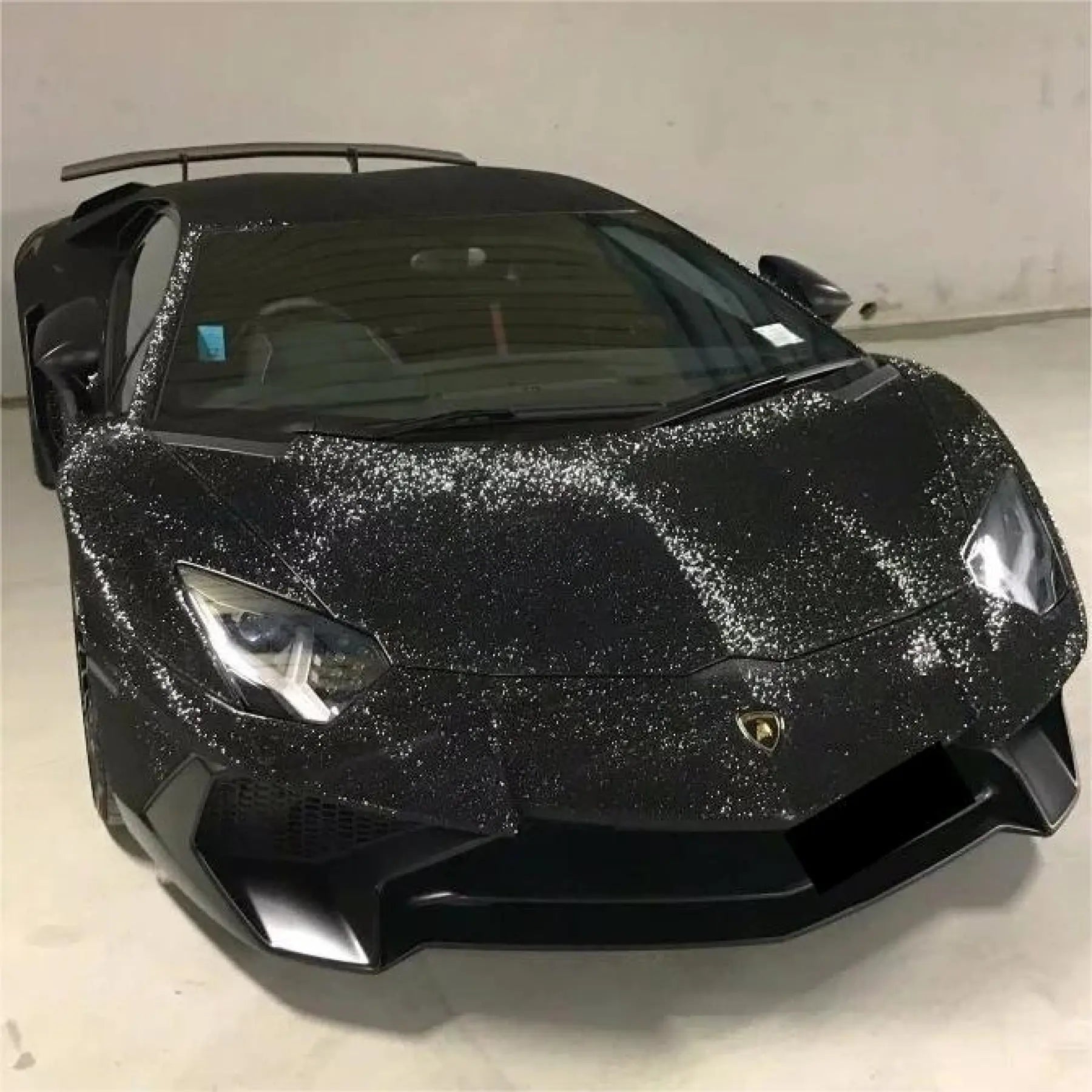
Vinyl wraps create a non-reactive barrier between these contaminants and the paint. The film itself is far more chemically resistant than automotive clear coat, and any contamination that does land on the wrap can be cleaned off with standard pH-neutral shampoo without risking damage to the underlying paint. This is one of the biggest practical advantages of wrapping a daily driver: routine maintenance becomes simpler and more forgiving. Films from our crystal vinyl wrap collection and glitter sparkle car wrap range all share this chemical resistance, making them practical even on cars that see real-world conditions.
Where Standard Vinyl Wrap Protection Reaches Its Limit
Standard vinyl wrap is excellent at handling abrasion, UV, and chemical exposure. What it does not handle as well is direct impact. A pebble launched off a highway at 70 miles per hour delivers enough kinetic energy to dent or chip even good clear coat, and a 3 mil vinyl film will not always stop it. This is the single biggest gap in standard wrap protection, and it is where the conversation needs to shift to TPU films.
Owners who drive extensively on highways, gravel roads, or in regions with harsh winters often find themselves wanting a film that can absorb impact rather than just resist abrasion. That is exactly the role our TPU paint protection wrap is engineered for.
TPU Paint Protection Film: When You Need True Armor
TPU stands for thermoplastic polyurethane, and films built from it behave completely differently from standard vinyl. TPU is significantly thicker, typically 6 to 8 mils, and it is elastic in a way vinyl is not. When a rock strikes a TPU-protected panel, the energy of the impact is absorbed and dispersed across the film rather than transferred directly to the paint. Most chips that would have damaged unprotected paint never reach it.
TPU films also include self-healing properties. The top coat is engineered with elastomeric polymers that flow back into shape when warmed, either by sunlight, by warm water, or by a heat gun. Light scratches and swirl marks that appear on the surface during washing or low-speed contact disappear within minutes of being warmed. This is something standard vinyl simply cannot do, and it is the reason TPU is the dominant choice for owners of luxury, performance, and electric vehicles where paint correction costs run into the thousands.
If you want both impact protection and the ability to change your vehicle's color, our colored paint protection film range combines pigmented TPU into a single film. You get the impact resistance and self-healing of clear PPF, plus the visual transformation of a colored wrap, without needing to layer two products on top of each other.
Resale Value: The Financial Case for Wrapping
Paint condition is one of the strongest predictors of resale value. Two identical vehicles with identical mileage but different paint condition can vary in resale price by ten to twenty percent. Faded clear coat, rock chips on the front bumper, swirl marks across the hood, all of these issues subtract directly from what a buyer is willing to pay.
A vinyl wrap protects against every one of those depreciation drivers. When the wrap is removed at sale time, the original paint emerges with the same depth, gloss, and color it had on day one. For a luxury vehicle, the resale premium of preserved factory paint can easily exceed the cost of the wrap itself, which means a wrap that started as an aesthetic choice often ends up paying for itself financially.
Choosing the Right Film for Your Protection Needs
Different driving profiles call for different protection strategies. A few practical guidelines based on real-world use:
-
Daily commuter, mostly city driving: Standard vinyl wrap delivers strong UV, chemical, and abrasion protection at the lowest cost.
-
Highway commuter or road-trip driver: TPU PPF on the front clip combined with vinyl on the rest of the body gives impact protection where it matters most.
-
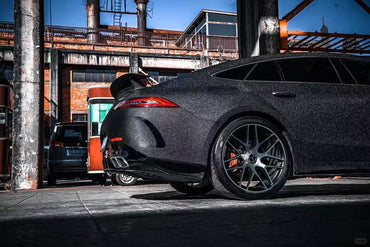
Show car or weekend build: Aesthetic wraps like color-shift, holographic, or crystal finishes deliver maximum visual impact while still preserving the factory paint.
-
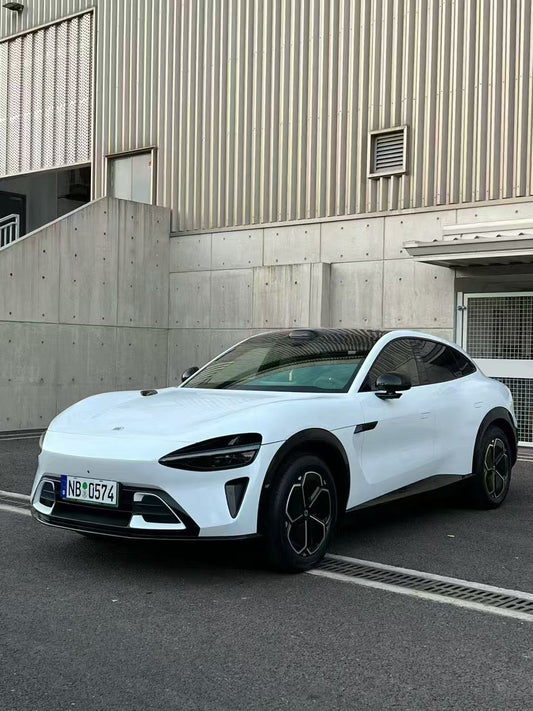
Luxury or electric vehicle owner: Full-body TPU PPF or colored PPF, since paint correction costs on these vehicles are highest and the protection investment pays back fastest.
If you are still narrowing things down, our best sellers collection highlights the films currently performing strongest across all of these driving profiles, and sample kits let you evaluate film thickness, finish, and feel against your actual vehicle before committing.
Why Installation Quality Determines Protection Quality
A film can only protect the surface it is actually bonded to. Lifted edges, trapped air bubbles, or stretched panels all create entry points for water, dirt, and contaminants that defeat the purpose of installing the wrap in the first place. Using quality wrapping tools, working in a clean and temperature-controlled space, and following proper post-heat procedures are not optional steps. They directly determine how long the wrap actually protects the paint underneath.
Edge sealing matters especially around door handles, hood gaps, and wheel arches, where water intrusion can lift the film over time. Investing the extra hour during installation to wrap edges properly often doubles the practical lifespan of the wrap.
Maintenance That Extends the Protective Life
A wrapped vehicle still needs care, just different care than unwrapped paint. Hand washing with pH-neutral shampoo and a clean microfiber mitt protects the top coat. Avoiding automatic brush washes prevents micro-scratches on the film surface. Removing bird droppings, sap, and bug strikes promptly prevents staining of the wrap, even though the paint underneath is safe.
Matte and textured finishes have additional rules: no waxing, no polishing compounds, and only matte-specific detail sprays. Treating a matte wrap with gloss products fills the micro-texture and creates permanent shiny patches. Done properly, a quality vinyl wrap typically protects paint for five to seven years, and a TPU PPF for up to ten.
The Quiet Value of Wrapping
Vinyl wraps are usually sold on aesthetics, but their protective value is often the better story. Every day a wrap is on your vehicle, it is absorbing damage that would otherwise land on your factory paint. Over years of ownership, that adds up to fewer paint corrections, less depreciation, and a vehicle that looks newer for longer than its unwrapped peers.
Whether you choose a decorative film for daily abrasion and UV defense, or step up to TPU PPF for true impact protection, the underlying principle is the same: the wrap takes the hit so your paint does not. Future Sailifilm articles will explore PPF maintenance, color PPF design strategies, and the financial case for wrapping different vehicle categories in greater depth.

