



Every car wrap project starts with the same question: what finish? Before color, before collection, before budget — the surface texture determines how a vehicle interacts with light, how it reads from across a parking lot, and how much effort it demands from its owner every week. Get the finish right and every other decision becomes easier. Choose the wrong one for your lifestyle and even the most beautiful color will feel like a chore to maintain.
This guide breaks down the four main finish categories available in Sailifilm's lineup — matte, gloss, satin, and specialty effects — across every dimension that actually matters: visual character, maintenance demands, finish-specific durability, and which vehicle types and personalities each serves best.
Understanding the Finish Spectrum
Vinyl wrap finish is not a binary choice between shiny and flat. It exists on a spectrum that runs from dead matte through satin and semi-gloss to full mirror chrome — and Sailifilm's collections cover every point on that spectrum with distinct, purpose-built films.
At the flat end, light is scattered in all directions when it contacts the film surface. This diffuse reflection eliminates glare, suppresses reflections, and gives the vehicle a surface that appears smooth and deep rather than shiny. The human eye reads this as quiet, sophisticated, and intentional — the opposite of flashy.
At the reflective end, light bounces back directionally. Colors appear more saturated because the reflected light reinforces the pigment's visible intensity. Gloss creates visual energy: the car looks dynamic, paint-fresh, and attention-commanding from every angle.
Satin and semi-gloss finishes sit between these two poles, offering partial reflection that produces a silk-like surface quality — premium without aggression, distinctive without drama.
Understanding where your preferred aesthetic sits on this spectrum makes every subsequent decision in the wrap process faster and more confident.
Matte Finish: The Stealth Aesthetic
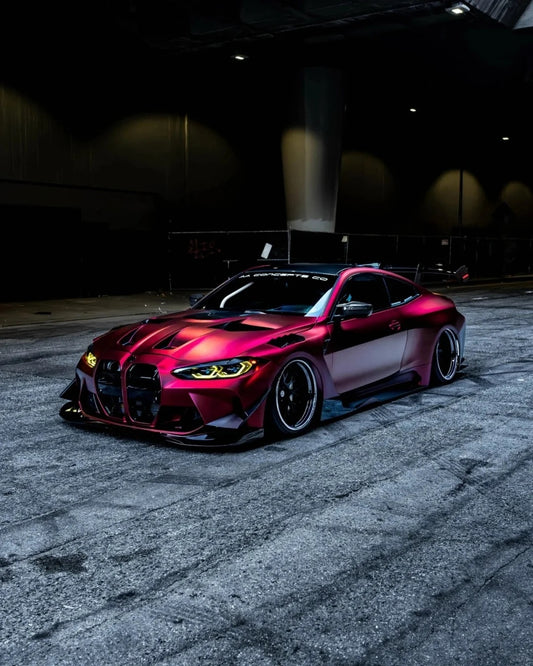
Matte wraps absorb incoming light rather than reflecting it back, producing a flat, non-reflective surface that reads differently from any other finish in automotive customization. The absence of shine is not emptiness — it amplifies the vehicle's body lines, shoulder curves, and panel geometry in a way that gloss conceals behind its own reflections.
The result is a deliberately aggressive restraint. A vehicle wrapped in matte appears to command its environment without announcing itself. This is why matte black, matte grey, and matte military green have become the defining aesthetic of performance builds, luxury sedans, and stealth-themed SUVs in 2026 — and why factory-matte paint programs from premium automakers have driven consumer demand for the same look at accessible price points through wrap film.
Sailifilm's Ultra Matte Wrap collection is engineered specifically for this aesthetic. The film delivers a flat, non-reflective surface across a wide color range — from charcoal and navy to forest green and warm neutral tones — that sits on the vehicle as if it were applied by an OEM finishing program rather than the aftermarket.
Matte Maintenance: What It Actually Requires
The tradeoff for matte's visual distinctiveness is a more deliberate cleaning routine. The micro-textured surface that scatters light also creates microscopic topography that traps fine particles — road dust, pollen, fingerprint oils — more readily than a smooth gloss surface. Standard wax products and gloss-enhancing polish fill in that micro-texture and leave permanent shiny spots that permanently alter the finish in treated areas. They cannot be reversed.
Correct matte care means pH-neutral soap applied with a microfiber cloth in straight, non-circular strokes, a matte-specific sealant applied every six to twelve months, and immediate attention to bird droppings and tree sap before their acids have time to etch into the surface texture. Touchless car washes are acceptable; brush-style automated washes are not.
For vehicle owners who appreciate a precise care routine as part of ownership, matte is an entirely manageable finish. For those who prefer minimal maintenance engagement, the learning curve is real.
👉 Internal link placeholder: [The Complete Matte Wrap Cleaning Guide: Products, Techniques & What Never to Use — Coming Soon]
Gloss Finish: The Classic That Never Stops Working
Gloss wraps do the opposite of everything matte does — and they do it with a confidence that has kept gloss at the top of the vinyl wrap market since the industry began. A high-gloss surface bounces light directionally, producing rich color depth, vivid pigment intensity, and the wet-look sheen that mimics a freshly clearcoated factory paint job.
Colors appear at their most saturated in gloss. A deep red becomes more red. A metallic blue gains the liquid quality that makes it look like it's moving even when the car is parked. This is why competitive color palettes — vivid electric blues, racing yellows, bold greens — reach their full expressive potential in a gloss or semi-gloss film.
Sailifilm's Crystal Vinyl Wrap collection represents the pinnacle of the gloss finish category in the Sailifilm lineup. The crystal topcoat technology produces a surface clarity and color accuracy that approaches professional paint, with depth enhanced by the film's optical construction. Colors like Crystal Dark Green, Apple Green, Maize Yellow, and Light Nardo Grey hit differently in crystal gloss than they would in any other finish.
Sailifilm's Metallic Vinyl Wrap adds the dimension of metallic flake to gloss — the suspended particles scatter light at multiple angles simultaneously, giving the surface movement and depth that changes character as the viewer shifts position around the vehicle.
Gloss Maintenance: Lower Friction, Higher Reward
Gloss surfaces tolerate a wider range of cleaning approaches than matte. Dirt and water bead more readily on a smooth gloss surface, reducing contamination adhesion between washes. Standard automotive soap is appropriate, touchless washes are fine, and most vinyl-safe detailing products are compatible without risk of finish alteration.
The one gloss-specific vulnerability is swirl marks — the fine circular scratches that automated brush washes and circular-motion hand washing introduce over time. On a gloss surface, these catch directional light and become visible as a dull haze across panels. Preventing them requires hand washing with fresh microfiber mitts and consistent linear strokes rather than circular scrubbing. On Sailifilm's crystal and metallic gloss films, maintaining scratch-free clarity is what separates a wrap that looks spectacular after three years from one that looks tired.
👉 Internal link placeholder: [How to Prevent Swirl Marks on Gloss Vinyl Wrap — Washing Technique Guide — Coming Soon]
The Specialty Gloss Tier: When Reflection Becomes the Point
Some Sailifilm finishes take gloss reflectivity beyond the conventional and into territory where the surface itself becomes the visual subject rather than the color beneath it.
Sailifilm's Liquid Chrome Wrap is the most extreme expression of reflective finish available in the lineup. The mirror surface does not merely reflect light — it reflects the entire surrounding environment, turning the vehicle into a moving optical sculpture that looks different in every setting, every hour of the day. No other finish generates the same immediate visual impact at any distance.
Chrome sits on a different maintenance curve than standard gloss. The mirror surface amplifies any contamination that settles on it — fingerprints, water spots, and dust are all immediately visible against the reflective background. Chrome-wrapped panels require the most frequent cleaning intervals of any finish in the Sailifilm range, and they benefit significantly from covered parking that reduces airborne contamination.
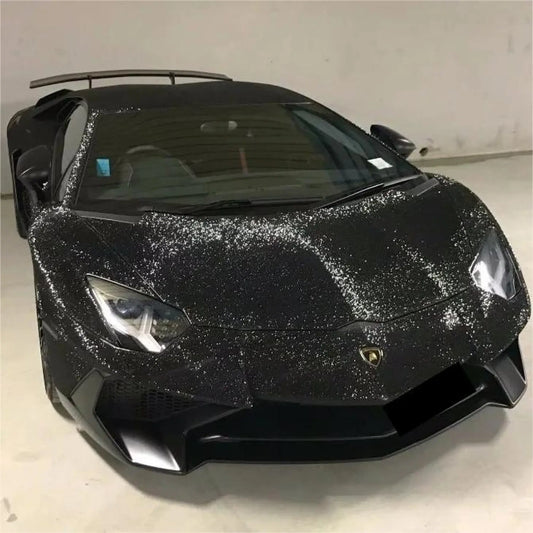
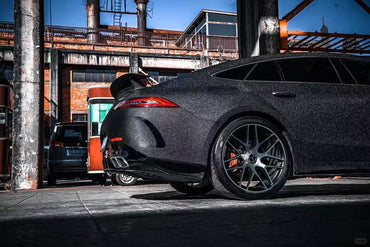
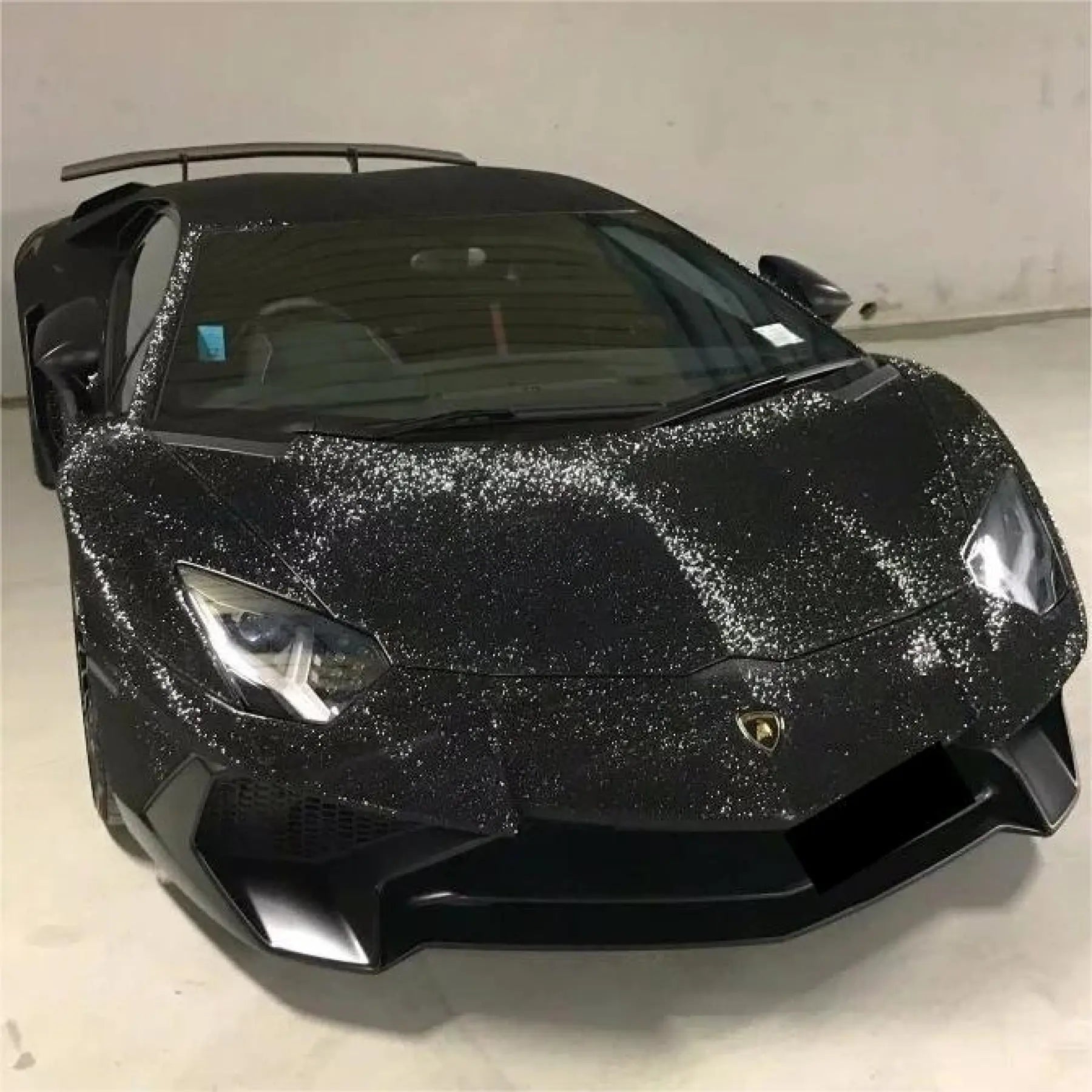
Sailifilm's Glitter & Sparkle Car Wrap sits in the specialty gloss category with a different mechanism — embedded metallic or holographic flake produces a continuous sparkle effect that intensifies under direct light. This is the finish for vehicle owners who want unambiguous presence and visual energy without the mirror-finish maintenance demands of chrome.
External reading: The Wikipedia article on structural color and iridescence explains the optical principles behind how metallic flake and holographic films create their color-shifting and light-catching behavior.
Color-Shift Films: Finish as Identity
Two collections in the Sailifilm lineup transcend the conventional finish categories entirely, because their defining visual property is not how they reflect light — it's how that reflection changes as the viewing angle shifts.
Sailifilm's Rainbow Laser Vinyl Wrap uses interference-layer optical film technology to produce color transitions across the visible spectrum as the viewer moves around the vehicle. The base film can appear gold in one orientation and shift through green into violet as the angle changes. This is not a metallic sparkle — it is a full color identity shift.
Sailifilm's Dual Color Dream Vinyl Wrap delivers a more defined version of this — two dominant, saturated colors with a clear transition between them depending on viewing angle. A car can read as deep purple from the front and emerge as electric green from the side, with the vehicle's own body lines acting as the transition zone.
Both collections sit closest to the gloss maintenance category in terms of care requirements, though their multi-layer optical construction warrants particular attention during seasonal inspection to catch any edge lifting or surface delamination early.
👉 Internal link placeholder: [2026 Color Trends in Automotive Wrapping: Every Style You Need Right Now — Link to existing post]
Textured Surfaces: Finish Beyond Flat or Shiny
Not every wrap finish lives on the matte-to-gloss reflectivity axis. Sailifilm's 3D Carbon Fiber Wrap introduces physical texture — the woven-pattern surface replicates the appearance and tactile quality of structural carbon fiber at a fraction of the material cost. The light play on a carbon fiber wrap is directional and weave-dependent: the surface looks darker from some angles and lighter from others as the weave geometry catches and redirects incident light.
Carbon fiber wraps are available in both gloss and matte topcoat versions, allowing the texture-plus-finish combination to align with either the stealth or showroom aesthetic. Gloss carbon fiber reads as high-performance and dramatic; matte carbon fiber reads as precision-focused and factory-serious.
Which Finish Suits Which Vehicle and Driver?
This is the question that matters most, and the answer is always a combination of vehicle character, driving environment, and the owner's genuine maintenance commitment.
| Vehicle Type & Goal | Recommended Finish | Sailifilm Collection |
|---|---|---|
| Luxury sedan — understated authority | Ultra matte | Ultra Matte Wrap |
| Sports car — vivid, showroom-ready | High gloss / crystal | Crystal Vinyl Wrap |
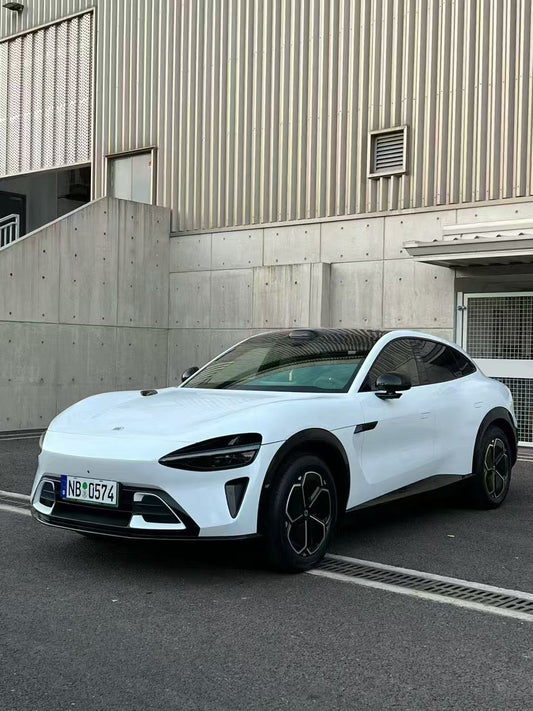
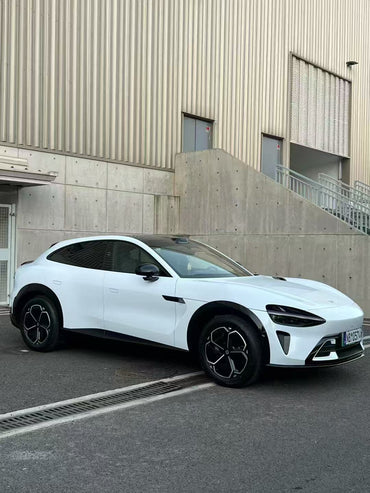
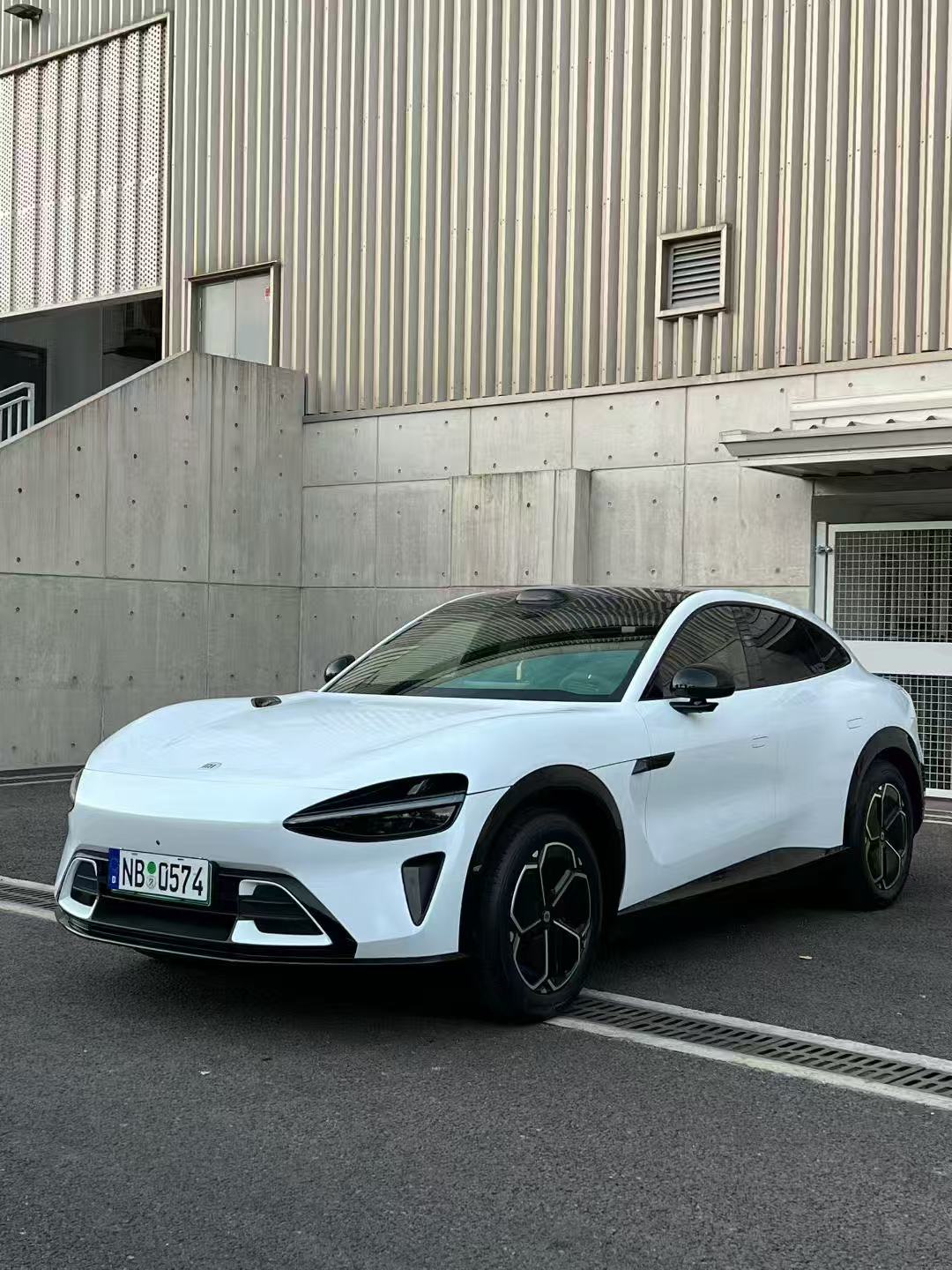
| EV — modern, paint-like depth | Metallic gloss | Metallic Vinyl Wrap |
| Show car — maximum visual impact | Chrome mirror | Liquid Chrome Wrap |
| Performance build — stealth fighter | Matte carbon fiber | 3D Carbon Fiber Wrap |
| Daily driver — bold and unique | Color-shift | Rainbow Laser / Dual Color |
| Statement vehicle — pure personality | Glitter sparkle | Glitter & Sparkle Wrap |
| Paint protection + color change | Colored PPF | Colored PPF / TPU PPF |
The maintenance commitment column matters as much as the visual preference. An owner who travels extensively and washes their car in varied conditions every week is better served by gloss than matte, regardless of which they find more aesthetically appealing. An owner who hand-washes regularly with proper products and parks in a covered structure can sustain any finish in the lineup without compromise.
Durability Across Finishes: The Honest Summary
All Sailifilm vinyl wrap films share the same base material quality and UV-resistance engineering. Finish does not fundamentally alter the five-to-seven year service life that properly installed and maintained wrap film is designed to deliver. What finish does affect is how wear and degradation appear as the film ages.
Gloss surfaces show swirl marks from washing but resist UV color fade slightly better because their smooth topcoat maintains its UV-blocking properties longer under direct sun exposure. Matte surfaces hide incidental contact marks and body line imperfections underneath their non-reflective texture but absorb more UV energy over time, which can advance fading in high-sun environments without a protective sealant.
Both finish types on Sailifilm's colored PPF collections — the Colored Paint Protection Film and TPU Paint Protection Wrap — carry the additional structural advantage of the self-healing topcoat, which recovers from minor surface damage regardless of whether the finish reads as matte or gloss.
External reading: The polymer science behind film UV degradation explains why surface texture influences how quickly UV radiation breaks down the film's top layer — the physics behind the matte vs. gloss durability difference.
Evaluate Before You Commit
Screen color is not surface color. A matte charcoal that looks authoritative on a product page can appear lighter or darker on an actual vehicle panel in afternoon sun. A gloss metallic that photographs brilliantly in studio lighting behaves completely differently under overcast skies. The only reliable way to evaluate a finish before committing to a full installation is to hold the actual film against the vehicle in natural light.
Sailifilm's Sample Kits provide physical film swatches across the full collection — matte, gloss, metallic, chrome, color-shift, carbon fiber, and PPF — that let buyers make this evaluation accurately. This step prevents the single most common source of post-installation regret in the wrap industry: choosing a finish that looked right on a screen and felt wrong in daylight.
The Sailifilm Best Sellers collection reflects what real customers across global markets have chosen and returned to — a data point built from actual purchase decisions rather than trend forecasting. Browse the complete car vinyl wrap collection to see the full range across every finish category before deciding.
The right finish is not the most popular one. It is the one that matches how you drive, where you park, how often you wash, and what you want the vehicle to say about the person behind the wheel.

