



What Is a Mirror Cap Wrap?
A mirror cap wrap covers only the outer decorative shell of the side mirror, the curved plastic piece that snaps or bolts onto the mirror motor housing. On most modern vehicles, this cap is a separate component that can be removed from the mirror assembly by releasing a series of plastic clips or screws. Once removed, the cap becomes a standalone piece that you can wrap on a clean workbench with full 360-degree access. The finished cap is then reattached to the mirror assembly. This method targets the most visible portion of the mirror and leaves the base, arm, and lower housing in their original factory finish. Cap-only wrapping is the standard approach for accent color projects where the goal is a deliberate two-tone contrast between the mirror cap and the rest of the mirror structure.
What Is a Full Mirror Wrap?
A full mirror wrap covers every visible surface of the side mirror assembly, including the cap, the lower housing, the mirror base where it meets the door, and any trim pieces surrounding the turn signal lens or puddle light. This approach is standard when the mirrors are part of a complete vehicle color change, where leaving any factory-colored surface exposed would break the visual continuity. Full mirror wrapping is performed with the mirror still mounted on the vehicle in most cases, because the base and arm transitions require the mirror to be in its installed position for proper film alignment. Some installers do remove the entire mirror assembly from the door to gain better access, but this adds complexity and risk since mirror assemblies contain wiring for heated glass, turn signals, blind spot monitors, and auto-dimming systems. For a comprehensive overview of how vinyl wrap technology works on automotive surfaces, see the Wikipedia article on vinyl wrap.
Side-by-Side Comparison: Mirror Cap Wrap vs Full Mirror Wrap
|
Factor |
Mirror Cap Wrap |
Full Mirror Wrap |
|
Coverage area |
Outer cap shell only |
Cap, base, arm, and all trim |
|
Difficulty level |
Beginner to intermediate |
Intermediate to advanced |
|
Material needed |
12 x 14 inches per mirror |
18 x 24 inches per mirror |
|
Estimated time |
30–60 minutes per mirror |
90–150 minutes per mirror |
|
Seams required |
Zero to one |
Two to four |
|
Best use case |
Accent wraps, two-tone builds |
Full color change, complete wraps |
|
Cap removal needed |
Recommended |
Optional (assembly removal preferred) |
|
Durability |
3–5 years (vinyl), 7+ years (TPU) |
2–4 years (more seam exposure) |
|
DIY friendly |
Yes |
Moderate |
When to Choose a Mirror Cap Wrap
Mirror cap wrapping is the ideal choice for targeted accent projects where you want a deliberate contrast between the mirror and the body of the vehicle. Black vehicles with rainbow laser vinyl wrap mirror caps create a holographic accent that shifts color with every angle of light. White vehicles with ultra matte wrap black caps replicate the factory black optics aesthetic found on premium European trims. Grey sedans with metallic vinyl wrap gold or copper caps produce a luxury accent that stands out in any parking lot. These combinations depend on the lower mirror housing remaining in its original color to create the intended two-tone visual separation.
Cap wrapping is also the strongest recommendation for first-time DIY installers. The cap is a small, lightweight, removable piece that can be handled freely on a workbench. You can rotate it, inspect every angle, and correct mistakes without the pressure of working on a mounted assembly. If the installation goes wrong, you can strip the film and start over without any risk to the vehicle. This low-stakes environment builds the squeegee technique, heat gun control, and edge-tucking skills that you will need for larger panels later. Sailifilm's sample kits are purpose-built for this kind of practice work, giving you enough material to wrap a pair of mirror caps in any finish from the full product range.
From a durability standpoint, cap wraps also outperform full mirror wraps. Because the cap is wrapped off-vehicle with minimal stretch and clean edge tucking, the adhesive bond is stronger and more uniform. There are zero or minimal seams, which means fewer potential failure points. When combined with self-healing TPU paint protection wrap, mirror cap wraps can last seven years or more with proper maintenance. The Wikipedia article on paint protection film explains how thermoplastic polyurethane films deliver this extended lifespan through their self-healing molecular structure.
When to Choose a Full Mirror Wrap
Full mirror wrapping is the correct approach when your mirrors are part of a complete vehicle color change. If you are wrapping the entire car in dual color dream vinyl wrap or crystal vinyl wrap, leaving the mirror base and arm in the factory color would create an obvious visual break that undermines the seamless, factory-fresh illusion of a full wrap. In this scenario, every visible surface must be covered, including the mirror base where it meets the door panel, the underside of the arm that is visible from certain angles, and any lower housing trim below the cap.
Full mirror wrapping is also necessary when the entire mirror assembly is a single molded piece with no removable cap. Some older vehicles and certain truck tow mirrors use integrated housings where the cap and base are one continuous plastic shell. On these vehicles, your only option is to wrap the complete assembly in place, working around turn signal lenses, puddle lights, and the mirror glass border. Multiple seams become unavoidable on these complex shapes, which is why strategic seam placement along mold lines and trim edges is essential. The Sailifilm wrapping tools collection includes knifeless tape systems specifically designed for creating clean, blade-free seams on complex surfaces like full mirror assemblies.
Installation Complexity Compared
Mirror Cap Wrap Installation
Remove the cap from the mirror assembly by releasing its retention clips or screws. Clean the cap thoroughly with isopropyl alcohol. Apply the vinyl starting in the deepest recess of the cap surface, working outward with a felt-edge squeegee and controlled heat. Tuck the film edges around to the back side of the cap. Post-heat all edges and tuck points at 200 to 220 degrees Fahrenheit. Reattach the cap to the mirror assembly. Total working time per mirror is typically 30 to 60 minutes for experienced DIY installers. The cap's compound curves require some skill with heat application, but the piece is small enough that repositioning is easy and material waste is minimal.
Full Mirror Wrap Installation
Full mirror wrapping requires dividing the assembly into zones and applying multiple pieces of vinyl with strategically hidden seams. The typical sequence starts with the lower housing and base, followed by the cap surface, and finally any trim pieces around lenses or lights. Each zone must be wrapped independently because no single piece of film can conform to the abrupt geometry changes between the cap curve, the vertical base transition, and the underarm recess without severe overstretching.
Working around integrated turn signal lenses and puddle light housings demands precise cutting with knifeless tape or a very sharp blade. The transition point where the mirror base meets the door is particularly challenging because the film must terminate cleanly at a joint that is highly visible from the side. Professional installers often spend 90 to 150 minutes per mirror on full assembly wraps, and even experienced technicians report that mirrors are among the most time-consuming components on any vehicle. Multiple seams also mean more potential points for water intrusion, edge lifting, and peeling over time, which is why durability on full mirror wraps trends lower than cap-only installations.
Best Sailifilm Finishes for Each Approach
Best for Mirror Cap Accents
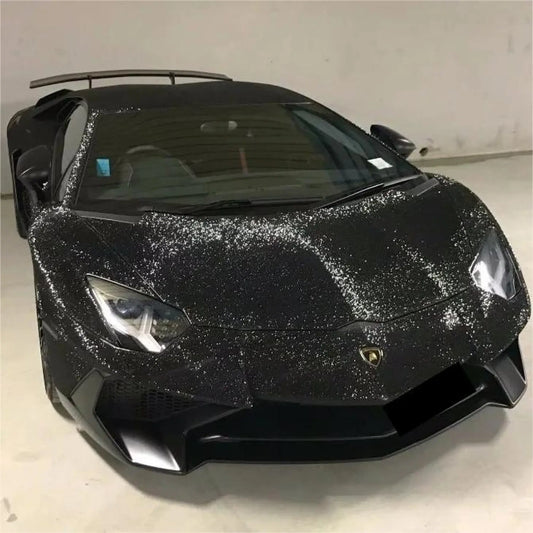
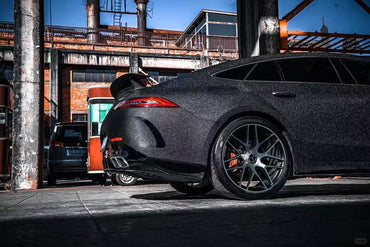
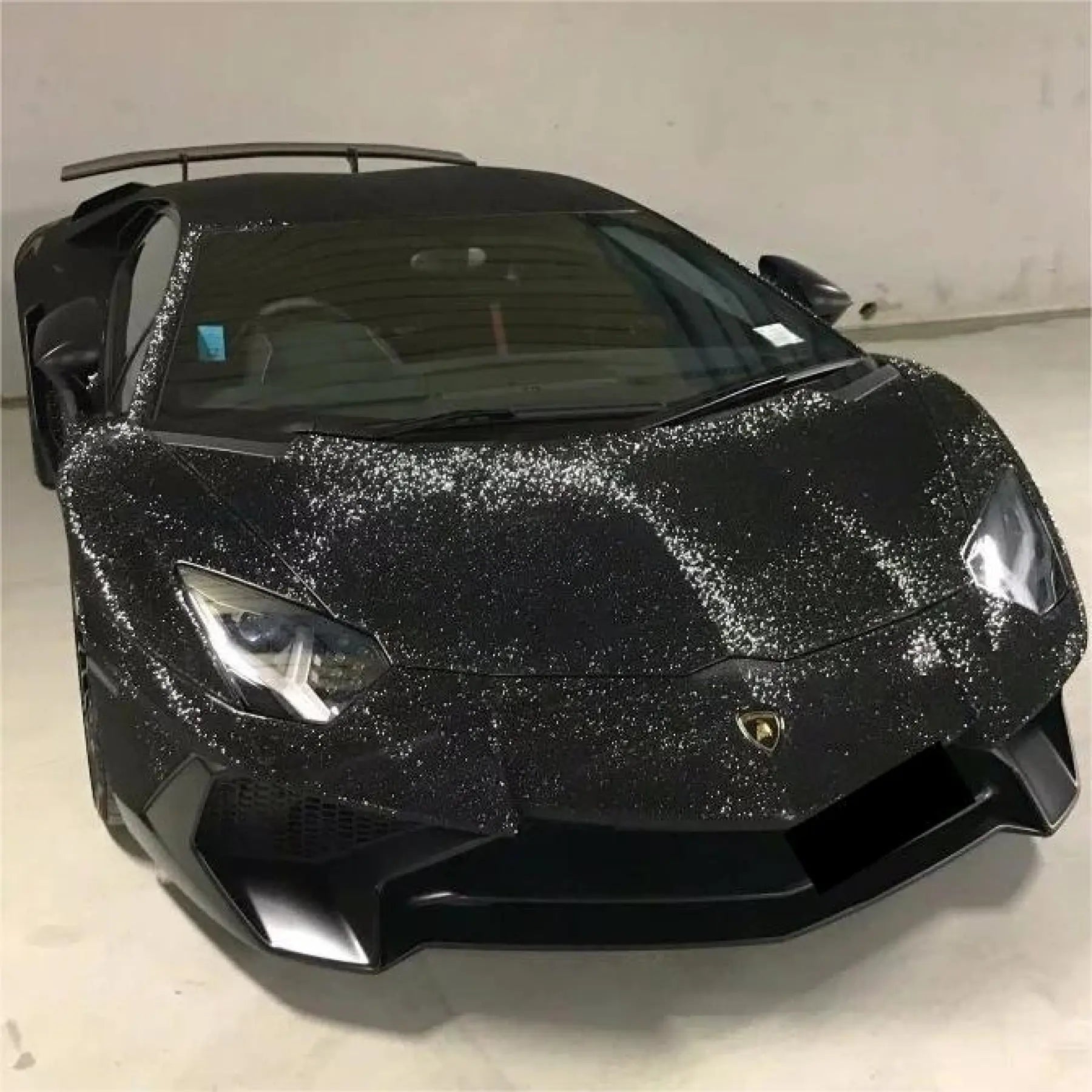
3D Carbon Fiber Wrap remains the single most popular mirror cap accent finish in 2026. The textured weave pattern hides minor imperfections and adds a motorsport-inspired aesthetic that pairs with any vehicle color. Glitter Sparkle Car Wrap delivers eye-catching diamond particle effects in finishes like Diamond Glitter Black and Pearlescent Sparkle White that transform mirror caps into jewelry-like accents. Liquid Chrome Wrap creates a mirror-like reflective surface in Liquid Silver, Indigo Blue, and British Racing Green that turns side mirrors into polished metal statements. For protection-focused owners, colored paint protection film combines TPU self-healing technology with vivid colors including Ferrari Red, Arctic Grey, and Piano Black, delivering genuine rock chip defense alongside visual customization.
Best for Full Mirror Wraps
Ultra Matte Wrap is the top recommendation for full mirror wraps because its non-reflective surface hides seams better than any gloss or metallic finish. The matte texture scatters light rather than reflecting it, making the slight elevation at seam edges virtually invisible from normal viewing distances. Car Vinyl Wrap in standard gloss finishes works well for full color change projects where the mirrors must match the body seamlessly. For color-shifting full builds, Dual Color Dream Vinyl Wrap and Rainbow Laser Vinyl Wrap produce mesmerizing chameleon effects that actually benefit from full coverage because the color shift appears more dramatic across a larger continuous surface area.
Cost and Material Efficiency
Mirror cap wraps require approximately one to two square feet of material per mirror. Even premium specialty films from Sailifilm cost effectively nothing at this scale. A single 5ft by 3.28ft piece from most collections provides enough material to wrap four or more mirror caps with surplus left for practice and mistakes. This makes mirror caps the most budget-friendly entry point into vehicle vinyl wrapping.
Full mirror wraps require roughly three to four square feet per mirror, plus additional waste from the complex cutting patterns needed to navigate around lenses, lights, and base transitions. The material cost increase is modest, but the labor time increase is substantial. Professional shops typically charge $50 to $80 per mirror for cap-only wraps versus $100 to $175 per mirror for full assembly coverage. DIY installers should also factor in the higher likelihood of needing to redo sections on full assembly wraps, which increases effective material consumption. For your first project, consider starting with the Sailifilm best sellers collection, which features the most popular and installer-validated materials at competitive pricing. Industry data from SEMA confirms that accent wraps including mirror caps represent the highest-growth segment in DIY vehicle customization for 2026, outpacing full vehicle wraps in year-over-year search volume.
Durability and Long-Term Care
Mirror cap wraps enjoy a durability advantage because they involve minimal stretch, clean edge tucking on the back side of a removable piece, and zero or minimal seams. When installed on a properly cleaned surface with thorough post-heating, cap wraps in standard vinyl last three to five years and TPU-based films like TPU paint protection wrap exceed seven years. The self-healing topcoat on TPU films automatically repairs light scratches from car wash brushes, road debris, and key contact, keeping the mirror looking freshly installed throughout its lifespan.
Full mirror wraps face greater environmental stress because seam edges are exposed to direct airflow, water intrusion during rain, and abrasive contact during washing. These seam points are the first areas to show lifting or peeling, typically between 18 and 36 months depending on climate and maintenance habits. Hand washing with pH-balanced soap, avoiding automatic car washes with spinning brushes, and applying vinyl-safe ceramic coating every three to six months extends the life of full mirror wraps significantly. Inspect seam edges monthly and apply targeted heat with a hair dryer if you notice any early lifting, as catching separation early prevents it from progressing across the film.
Which Method Should You Choose?
Choose mirror cap wrapping if you want a targeted accent color that contrasts with your factory paint, if you are a first-time DIY installer building skills, if maximum durability matters to you, or if you want the cleanest possible result with zero visible seams. Choose full mirror wrapping if your mirrors are part of a complete vehicle color change, if your vehicle has integrated mirror housings with no removable cap, or if you want seamless color continuity across every visible surface from door to mirror tip.
Many experienced vehicle customizers combine both approaches strategically. A full body wrap in metallic vinyl wrap with mirror caps in a contrasting crystal vinyl wrap finish creates an intentional design accent that looks factory-engineered rather than aftermarket. This combination leverages the durability advantage of cap-only wrapping on the high-impact mirror surface while maintaining full color continuity everywhere else.
For authoritative background on automotive film materials and application methods, explore the Wikipedia article on vehicle vinyl wrap, the Wikipedia overview of paint protection film, and the SEMA aftermarket research portal for the latest industry growth data and consumer preference trends.
Get Started with Your Mirror Wrap Project
Whether you choose a targeted cap accent or a full assembly color change, the right material makes the difference between a weekend project that lasts years and a frustrating installation that peels within months. Browse the complete Sailifilm car vinyl wrap collection to explore every finish from carbon fiber to holographic laser to self-healing TPU protection film. If you want to test colors and textures before committing, the Sailifilm sample kits deliver small-format pieces in any finish so you can evaluate adhesion, color accuracy, and conformability on your specific mirror cap geometry before ordering a full roll.

