



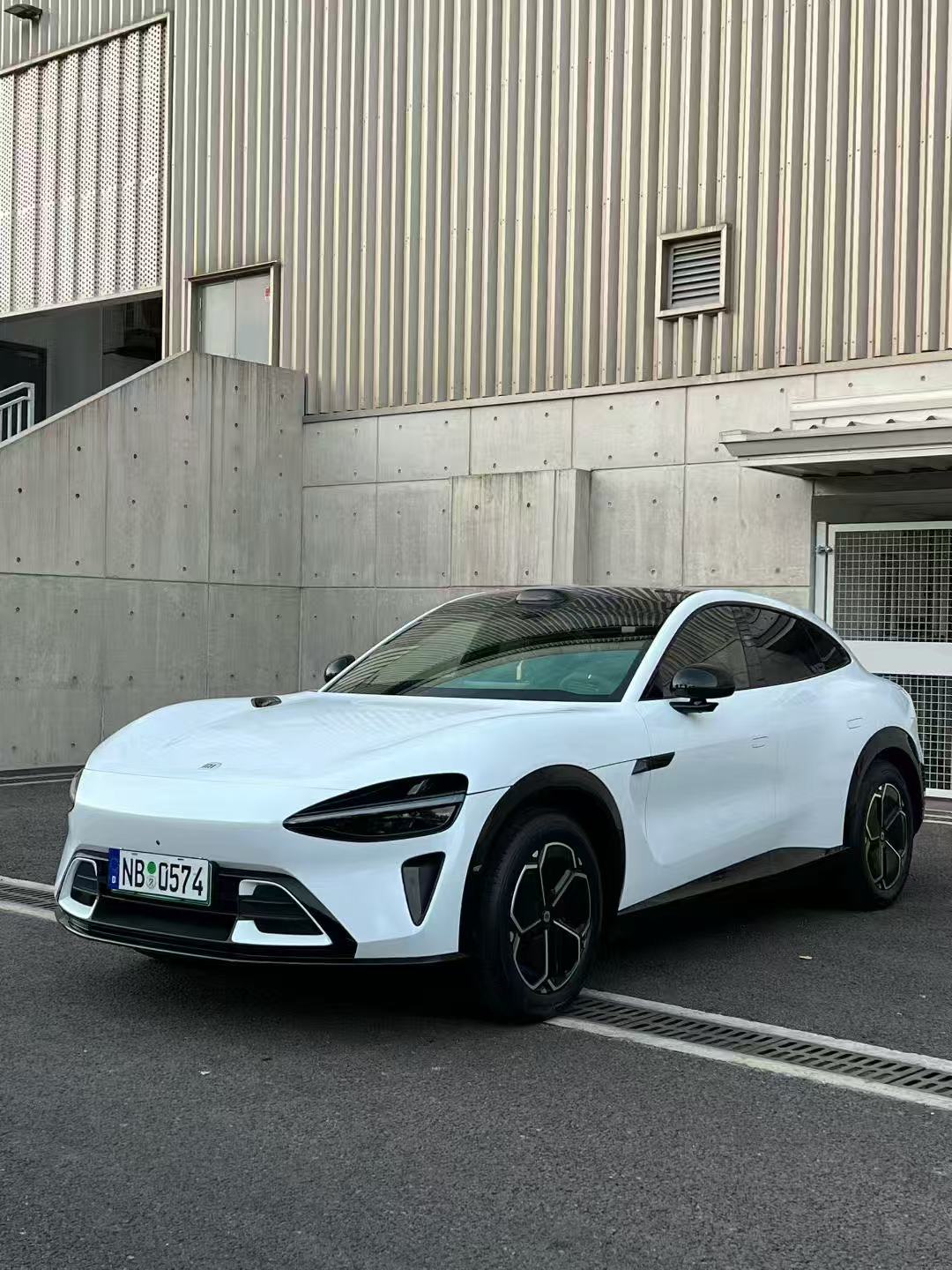


The Science of Protection: TPU and Colored PPF
The most significant difference between these two products lies in their chemical composition. Paint Protection Film, such as our Colored Paint Protection Film and TPU Paint Protection Wrap, is engineered from high-grade thermoplastic polyurethane. This material is specifically designed for high-impact resistance.
Unlike traditional films, TPU is a robust, elastic polymer that acts as armor for your car. One of its most celebrated features is self-healing technology. When the surface suffers minor abrasions or swirl marks from washing, the molecular structure of the TPU can reorganize itself when exposed to heat, effectively making the scratches disappear. This makes it the superior choice for daily drivers that face road debris and harsh environmental conditions.
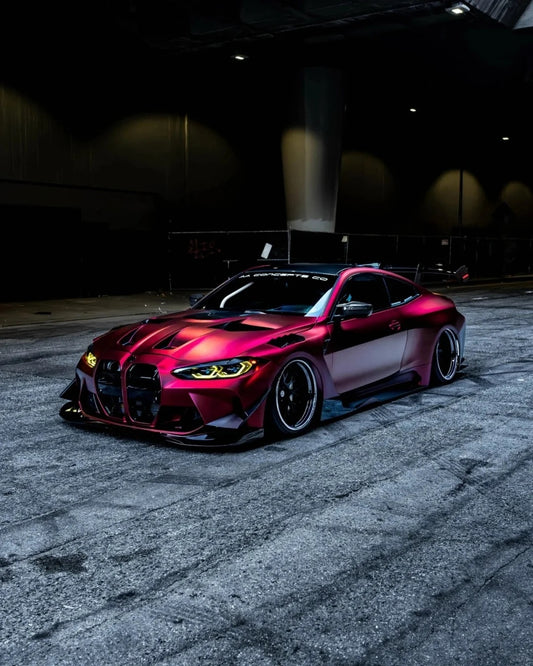
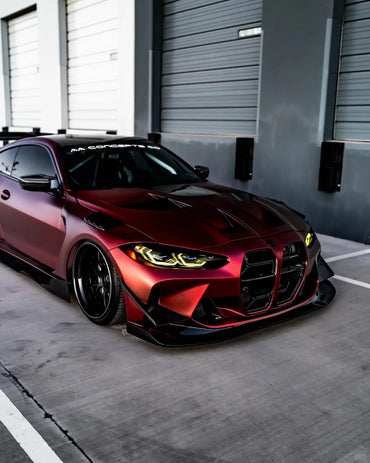
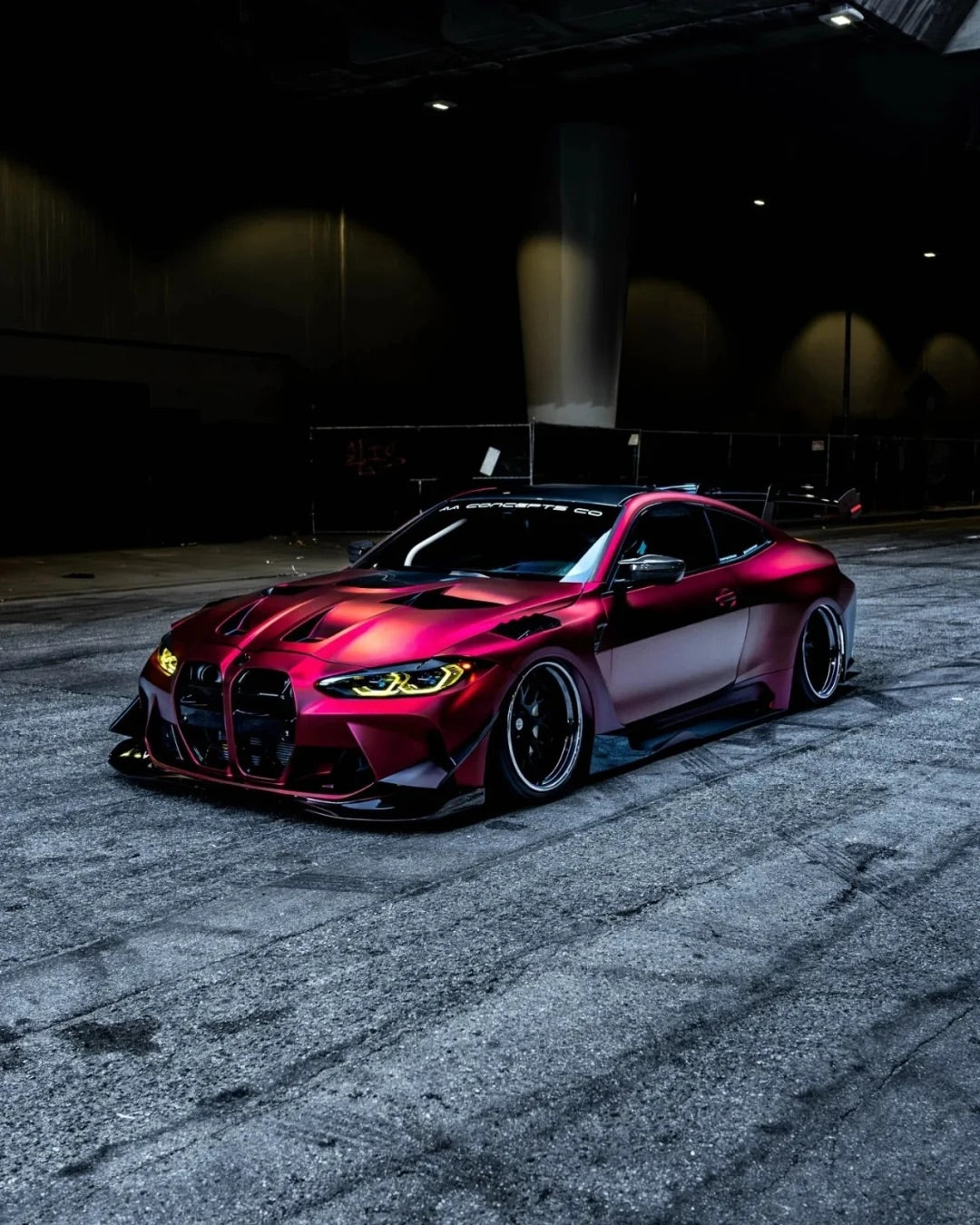
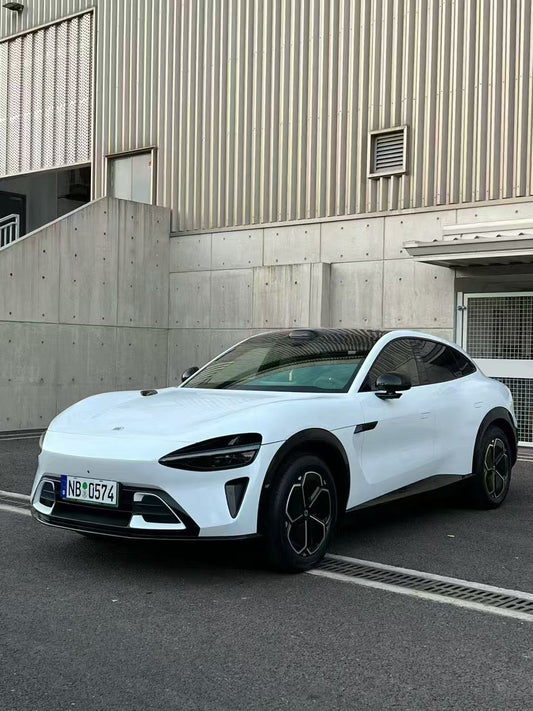
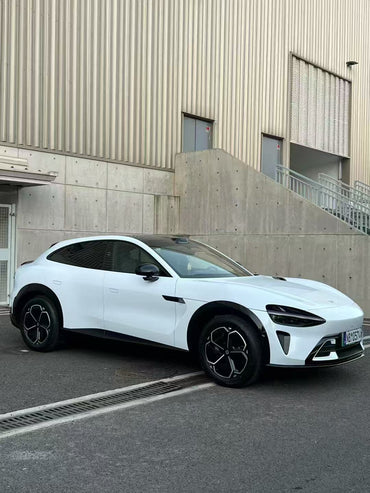
For those who want protection without sacrificing style, our colored variants allow you to shield your vehicle while simultaneously changing its hue. This thermoplastic polyurethane technology provides a depth of color that mimics a factory paint job while offering a thickness that vinyl simply cannot match.
The Art of Customization: Exploring Vinyl Wrap Styles
While PPF focuses on defense, Vinyl Wrap is the king of aesthetics. Vinyl is typically made from polyvinyl chloride (PVC) and is thinner than PPF, which makes it incredibly flexible for complex curves and intricate designs. If your goal is to express a unique personality, Sailifilm’s extensive collection offers limitless possibilities.
-
Rainbow Laser Vinyl Wrap: This holographic finish creates a spectrum of shifting colors that react to light and movement.
-
Liquid Chrome Wrap: For a mirror-like, high-end finish, this style provides a metallic sheen that is virtually indistinguishable from real polished metal.
-
Ultra Matte Wrap: This non-reflective finish offers a sleek, modern, and stealthy look that has become a staple in luxury car customization.
-
Dual Color Dream Vinyl Wrap: These films shift between two distinct tones depending on the viewing angle, creating a dynamic visual experience.
-
3D Carbon Fiber Wrap: Perfect for adding a sporty, textured aesthetic to hoods, roofs, or interior trim.
Key Differences at a Glance
To help you decide which product fits your lifestyle, consider these core distinctions:
-
Thickness and Durability: PPF is significantly thicker (typically 6-10 mils) compared to Vinyl Wrap (2-4 mils). This extra thickness is what allows PPF to absorb the impact of flying rocks and gravel.
-
Lifespan: A high-quality TPU Paint Protection Wrap can last between 5 to 10 years, whereas a premium vinyl wrap generally has a lifespan of 3 to 5 years depending on sun exposure and maintenance.
-
Self-Healing Properties: This is a hallmark of PPF. While our Crystal Vinyl Wrap and Metallic Vinyl Wrap are durable, they do not possess the same regenerative capabilities as TPU-based films.
-
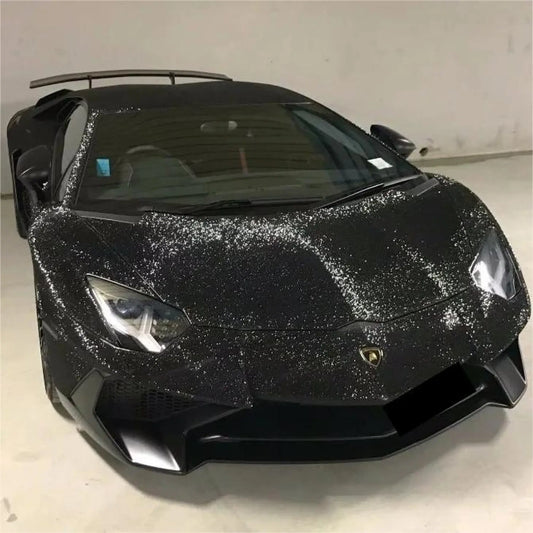
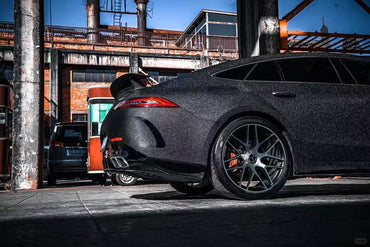
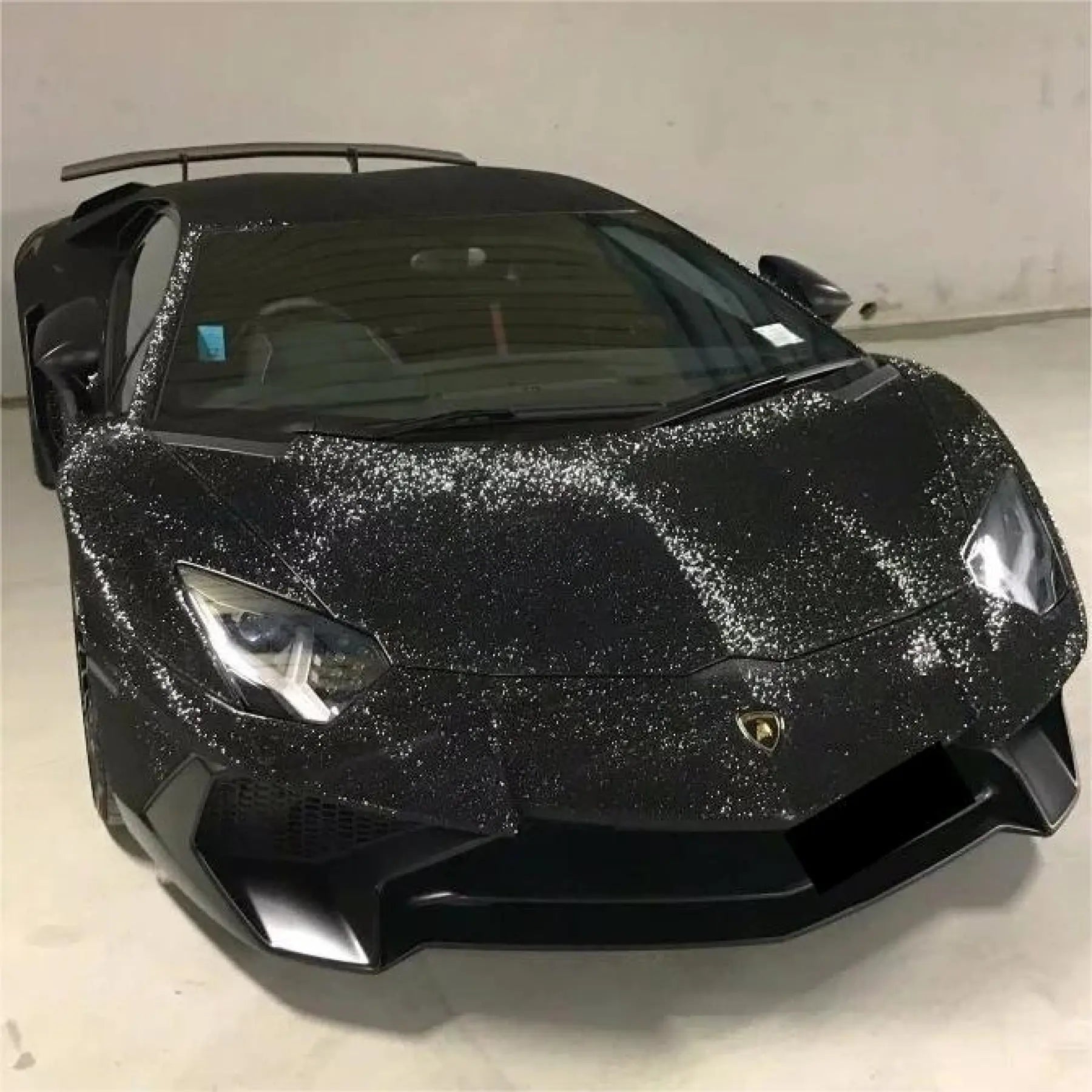
Purpose: Choose Vinyl if you want a frequent style change or a specific texture like our Glitter Sparkle Car Wrap. Choose PPF if you want to preserve the resale value and integrity of your original paint for the long term.
Installation and Maintenance
Both products require a clean environment for a successful application. Many enthusiasts start their journey by ordering Sample Kits to test the color and finish against their vehicle's contours before committing to a full roll. Using the correct Wrapping Tools—such as precision squeegees and heat guns—is vital to ensure there are no bubbles or lifting edges.
In the future, we will dive deeper into [advanced car wrap maintenance techniques] to ensure your film stays pristine. Proper care involves using pH-neutral soaps and avoiding abrasive brushes that could mar the surface of a delicate Liquid Chrome Wrap.
Which One Should You Choose?
The decision ultimately depends on how you use your vehicle. If you frequently drive on highways where rock chips are common, investing in TPU Paint Protection Wrap is a wise financial move to prevent expensive paint repairs. However, if you are preparing for a car show or simply want to refresh the look of a leased vehicle, our Best Sellers in the vinyl category provide a cost-effective and completely reversible solution.
You might even consider a hybrid approach. Many owners apply clear PPF to high-impact areas like the front bumper and hood, then use a Metallic Vinyl Wrap or Crystal Vinyl Wrap for the rest of the car. This provides a balance of high-level protection and stunning aesthetics.
Whether you choose the resilience of TPU or the artistry of vinyl, Sailifilm provides the professional-grade materials needed for a showroom finish. Explore our full range of Car Vinyl Wrap options today and transform your driving experience.
For more insights into the latest automotive restyling trends, you can check out recent industry news regarding vehicle film technology.
Stay tuned for our upcoming guide on [how to install car wrap for beginners] and our deep dive into the [benefits of ceramic coating over film] to further enhance your vehicle's gloss and hydrophobicity.

