





Why Color Matters More Than You Think
Research in environmental and consumer psychology consistently demonstrates that visual color assessments shape perception within the first ninety seconds of exposure. For a vehicle moving through traffic, that window is even shorter. A wrapped car communicates status, personality, energy level, and intent before the driver speaks a single word.
The 2025–2026 BASF Automotive Color Trend Report highlights a broader cultural shift underway in automotive color — a deliberate move away from purely attention-seeking hues toward colors with emotional depth, warmth, and psychological resonance. Buyers and builders alike are increasingly treating vehicle color not as decoration but as an expression of identity and state of mind. The wrap market, with its infinite palette and reversible commitment, sits at the center of that shift.
<a id="color-meanings"></a>The Psychology of Each Color Family
Black — Authority, Refinement, and Controlled Power
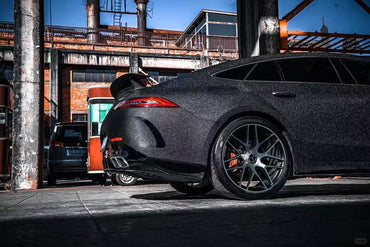
Black is the most psychologically complex color in the automotive spectrum. It carries simultaneous associations with authority, luxury, restraint, and mystery. Black wraps communicate that the driver values presence over noise — they want to be noticed without performing for attention.
Ultra Matte wraps in deep black deliver this message with the most contemporary edge. The flat, light-absorbing surface eliminates reflection entirely, creating a finish that looks almost architectural — like the vehicle has been rendered in software. For drivers who want the luxury signal of black without the high-maintenance reality of gloss, the matte family is the natural choice.
3D Carbon Fiber wraps operate in a similar psychological space but add layered meaning. Carbon fiber communicates performance engineering, technical precision, and motorsport heritage. It tells an observer that the vehicle has been intentionally upgraded — not just painted differently.
Internal link placeholder: [Best car wrap colors for specific car models → link to Sailifilm blog post]
Red — Passion, Speed, Urgency, and Unapologetic Confidence
Red triggers the most immediate physiological response of any color in the spectrum. It raises pulse rate, increases visual attention, and carries universal associations with energy, danger, passion, and dominance. In the automotive world, red has been the color of performance heritage for decades — and that association only deepens its psychological potency.
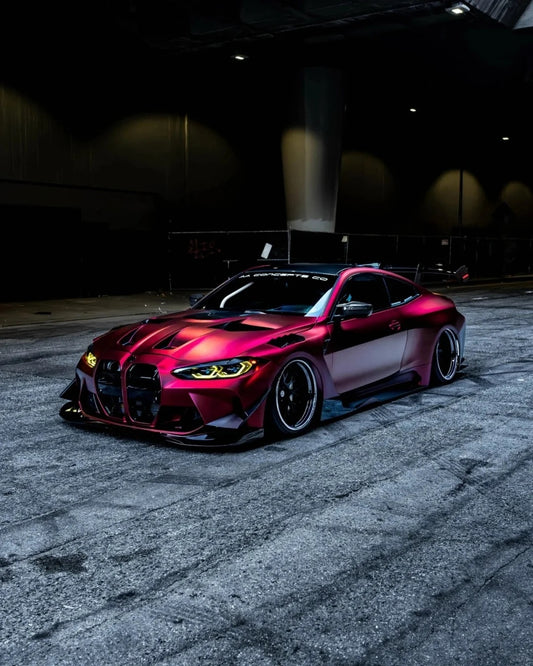
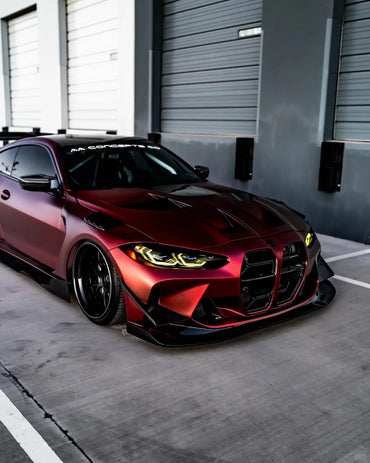
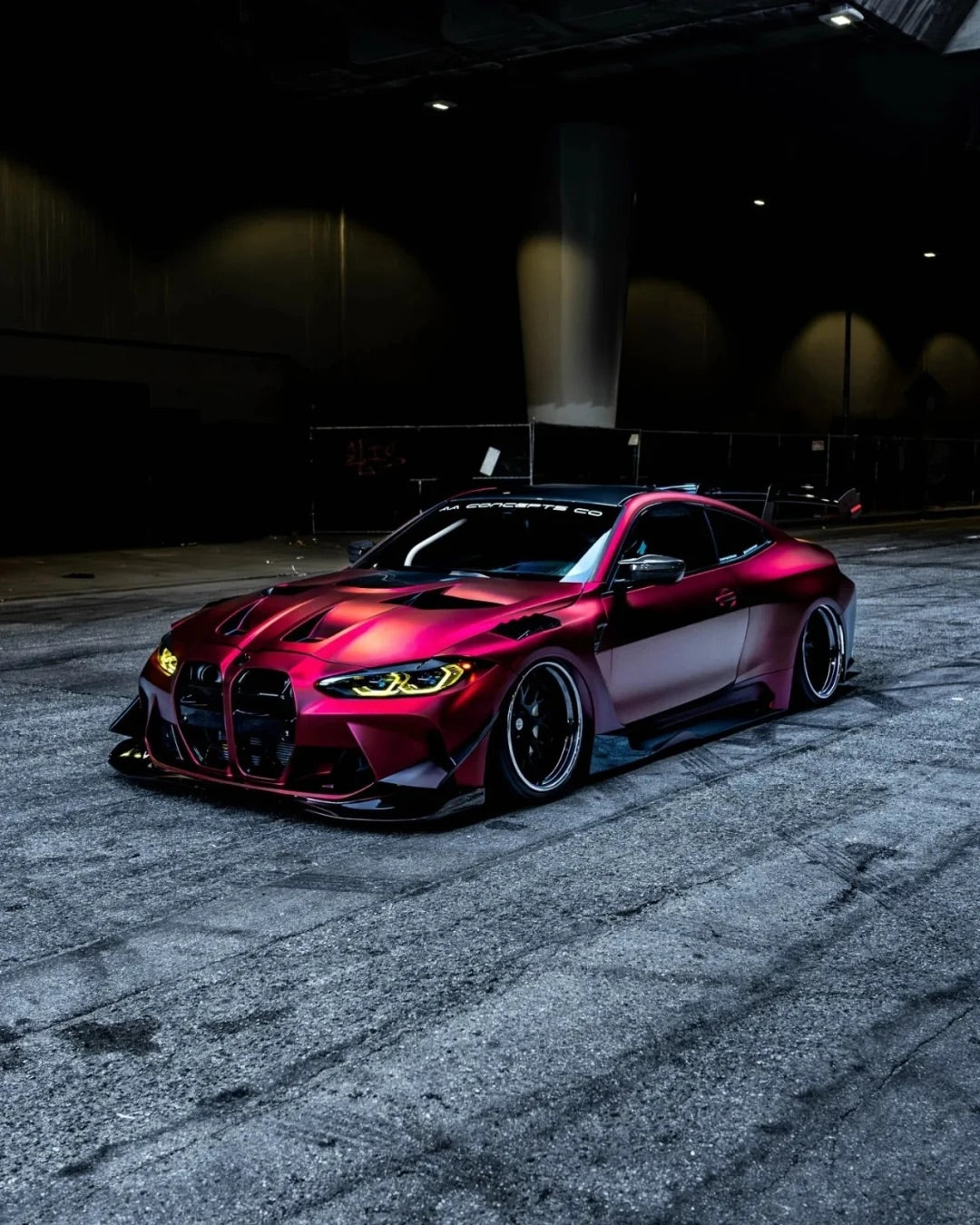
Liquid Chrome wraps in red and crimson tones amplify the color's native energy with a mirror-finish depth that makes the surface appear to glow under direct light. This is not a subtle choice — it is a declaration. For owners of sports coupes, roadsters, and high-performance sedans, a liquid red finish communicates that the vehicle's character matches its capability.
For owners who want red's confidence without full saturation intensity, metallic red wraps soften the message through depth and shimmer — still passionate, but with a dimension that reads as considered rather than aggressive.
Blue — Trust, Intelligence, Calm Authority, and Forward Vision
Blue occupies a uniquely broad psychological range. Deep navy blues project authority and stability — the psychological tone of institutional trust. Electric blues and cyan tones shift toward innovation, technology, and forward motion. Softer blues carry associations with calm, clarity, and emotional intelligence.
The automotive industry has embraced blue across all these registers, and 2025 automotive trend data consistently places blue among the most-searched wrap colors for EV platforms particularly — where the link between blue's technology associations and electric vehicle identity feels intuitive and reinforced.
Crystal vinyl wraps in blue tones deliver multi-dimensional depth that standard paint cannot match. The crystal particle structure within the film creates a surface that appears to shift between multiple blue registers as lighting changes — communicating sophistication without requiring an oversized gesture.
Dual Color Dream wraps that incorporate blue in their shift range add an additional layer of psychological nuance — the color appears different from every angle, suggesting complexity, adaptability, and depth of character in the vehicle's owner.
Internal link placeholder: [How vinyl wraps protect factory paint — UV protection and finish preservation → link to Sailifilm blog post]
White and Silver — Clarity, Precision, Minimalism, and Technological Purity
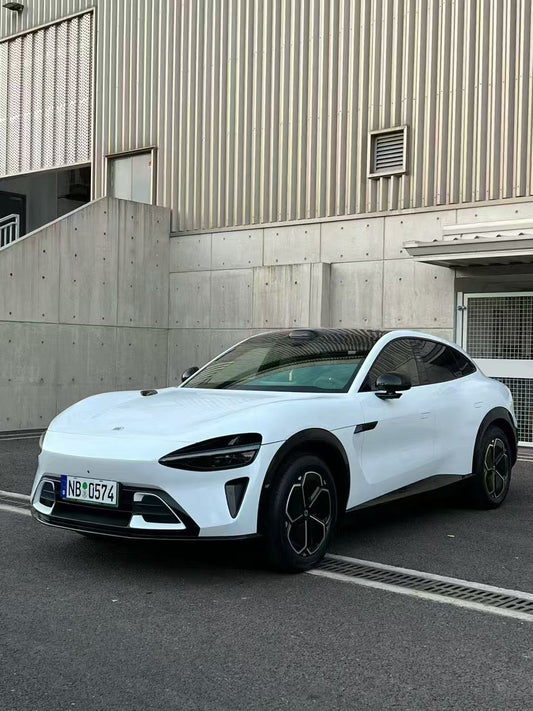
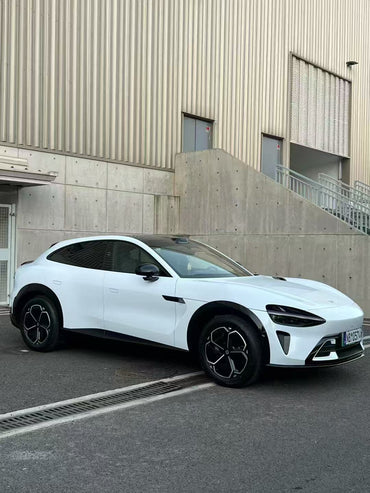
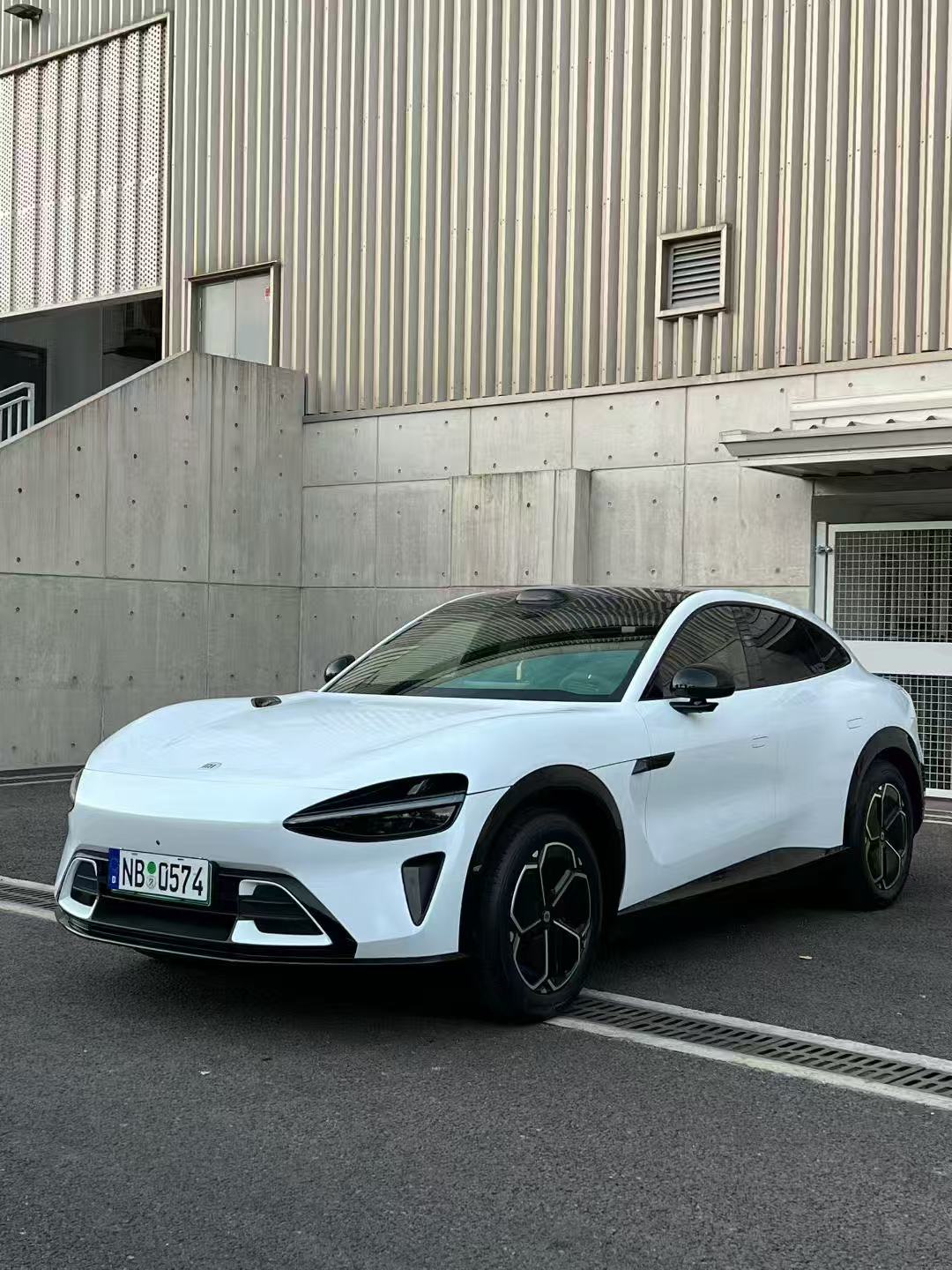
White has been the dominant automotive color globally for over a decade, and its psychological staying power comes from the breadth of its associations. White communicates cleanliness, clarity, precision, and forward-looking design language. It reads as effortless rather than trying — which is precisely why it appeals to luxury vehicle buyers and minimalist aesthetic communities alike.
Pearl and iridescent white finishes within Sailifilm's Crystal wrap collection and Glitter and Sparkle series reframe white as something more layered than its neutral reputation suggests. The Pearlescent Sparkle Glitter White, one of Sailifilm's strongest-performing finishes, transforms the color into a surface that appears lit from within — maintaining white's clean psychological signal while delivering a finish with the visual complexity of a luxury custom paint.
Silver's psychological profile runs parallel to white but with added technical association. Silver communicates precision engineering, modernity, and a certain timeless cool that avoids the risk of any trend-driven interpretation. Metallic silver wraps from Sailifilm's Liquid Gloss Metallic series deliver a liquid-metal appearance — as if the vehicle's surface is in constant, quiet motion.
Green — Nature, Groundedness, Individuality, and Quiet Confidence
Green's psychological renaissance in automotive customization is one of the more interesting developments of the current period. Driven by what design trend researchers call the "biophilic movement" — a cultural pull toward natural reference and organic grounding — green has moved from niche to mainstream in a remarkably short cycle.
Psychologically, green communicates growth, balance, ecological awareness, and a kind of assured individuality. Drivers who choose green for a wrap are sending a signal that they don't need the validation of a conventional color. The choice reads as confident without being combative — distinctive without being loud.
Metallic vinyl wraps in deep forest or British Racing Green tones, like Sailifilm's Liquid Gloss British Racing Green, align this psychological profile with genuine motorsport heritage — a color that has carried historic racing identity since the early twentieth century while simultaneously feeling completely current in the context of 2025 automotive aesthetics.
Internal link placeholder: [Wrap removal guide for selling your car — how color choice affects resale → link to Sailifilm blog post]
Gold, Chrome, and Iridescent Finishes — Status, Transformation, and Emotional Impact
At the furthest point from conventional color psychology sits the category of light-reactive, spectrum-shifting finishes — wraps that refuse to hold a single identity regardless of how long you observe them.
Rainbow Laser wraps operate on a different psychological register entirely. Rather than communicating a fixed personality trait, they communicate openness to transformation, an unwillingness to be categorized, and a relationship with spectacle and visual experience that transcends conventional color meaning. These are not background finishes — they are foreground statements. Galaxy Chameleon wraps in Diamond Blue White, Diamond Pink White, and Diamond Gold White each carry the additional depth of a color that changes based on the observer's position — a finish that will never look identical twice.
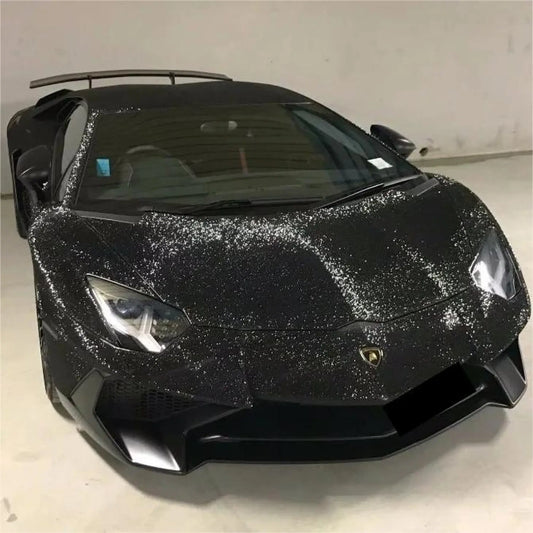
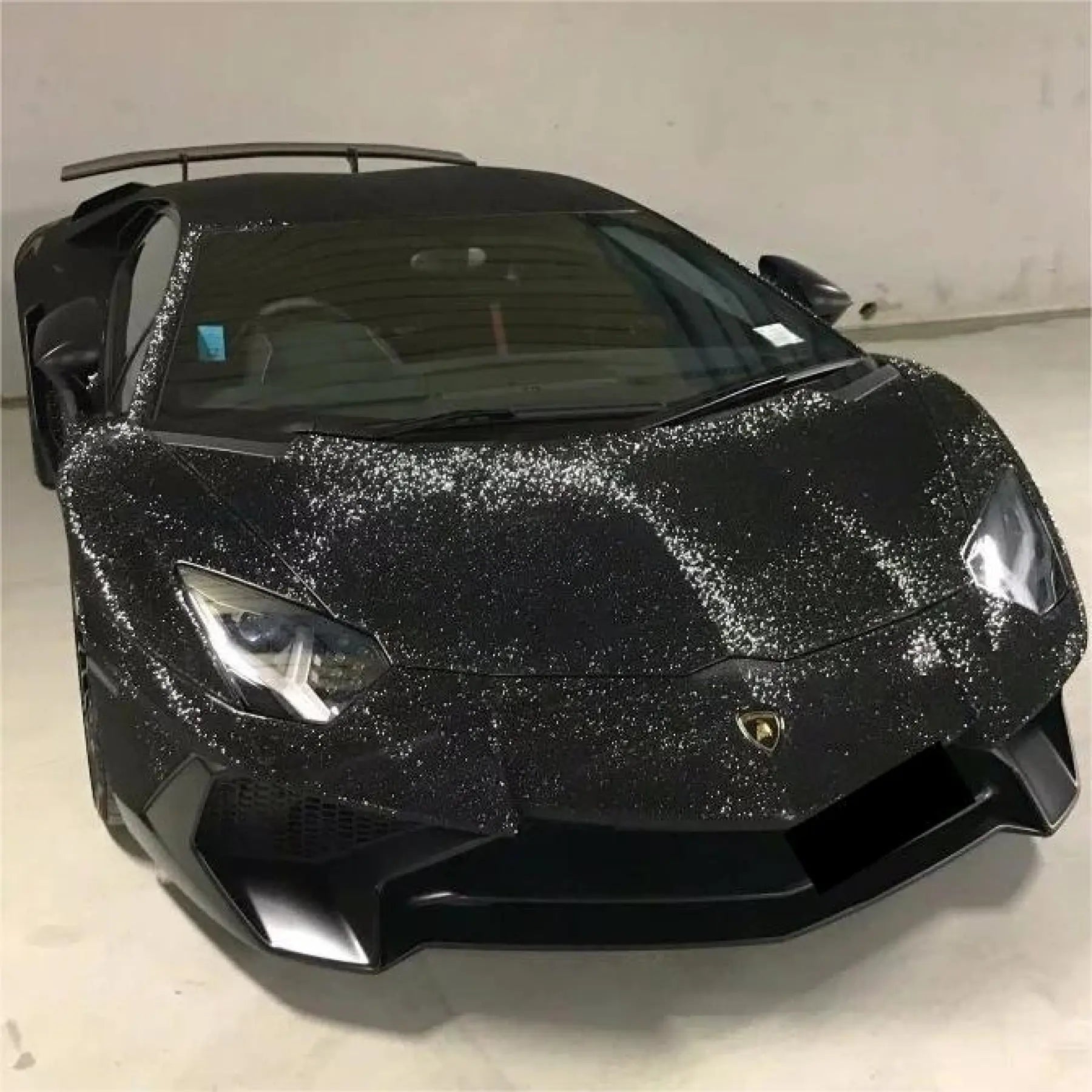
Glitter and Sparkle wraps operate similarly but with a warmer, more celebratory psychological tone. The Diamond Glitter Black, for example, maintains the authority of black's psychological foundation while adding a surface that catches light in every direction — darkness that illuminates itself.
The psychological appeal of these finishes is increasingly documented in consumer research. According to Psychology Today's analysis of color in design contexts, iridescent and color-shifting materials activate a specific type of fascination response — a perceptual loop where the observer continues looking because the surface never fully resolves into a stable impression.
How Finish Type Modifies Color Psychology
The same hue delivers meaningfully different psychological messages depending on the surface finish applied. This is one of the most underappreciated dimensions of wrap selection, and it applies across every color family:
Gloss amplifies a color's intensity and attention-seeking properties. A gloss red reads more aggressively than a matte red. A gloss white reads cleaner and more pristine than a satin equivalent.
Matte reduces aggression, adds sophistication, and shifts the psychological message toward restraint and intentionality. Matte finishes, available across Sailifilm's Ultra Matte collection, consistently signal that the driver values substance over spectacle.
Metallic and Chrome add dimensionality and status signals. They communicate investment and craftsmanship — a surface that changes with its environment rather than sitting inertly.
Color-shifting and dual-tone finishes signal complexity, adaptability, and a refusal to be fixed — personality traits that resonate with specific owner demographics more powerfully than any solid-color equivalent.
Internal link placeholder: [Car wrap finish types compared — gloss vs matte vs metallic vs chrome → link to future finish guide post]
Choosing Your Color with Confidence
Color choice becomes paralyzing when treated as purely a visual decision. Approached through psychology, it becomes simpler. The question isn't which color looks best in a photograph — it's which color truthfully communicates who the driver is and what the vehicle is meant to project.
Start with the Sample Kits available from Sailifilm to test real film swatches against your vehicle's body panels in natural light. Colors behave differently across panel curves, in shadow, and under different light sources than they appear on screen. Testing eliminates the most common source of post-wrap regret — the gap between digital expectation and physical reality.
For drivers whose priority is protection with color change capability, the Colored Paint Protection Film collection and TPU Paint Protection Wrap deliver the psychological benefits of a chosen color alongside the physical benefits of a protective-grade film.
Browse Sailifilm's Best Sellers to see which colors and finishes are resonating most strongly with the community right now — or navigate by color family using collections for black wraps, blue wraps, red wraps, white wraps, and metallic finishes to find the hue that matches your vehicle's identity — and yours.
Also, explore Sailifilm's Wrapping Tools collection for everything needed to achieve a professional-quality installation once your color decision is made.

