



The First Decision: Remove It or Keep It On?
Not every wrapped car needs to be stripped before sale. The right call depends on four factors: the wrap's condition, the design's appeal, the paint quality underneath, and who your likely buyer is.
Remove the wrap when:
- The film is showing visible age — fading edges, lifting corners, cracking, or surface hazing
- The design is highly personal (racing graphics, custom artwork, business branding, or neon colorways)
- Your target buyer is likely a traditional used-car shopper who wants a stock appearance
- You want the buyer to see and verify the condition of the factory paint directly
Keep the wrap on when:
- The film is relatively new and in excellent condition
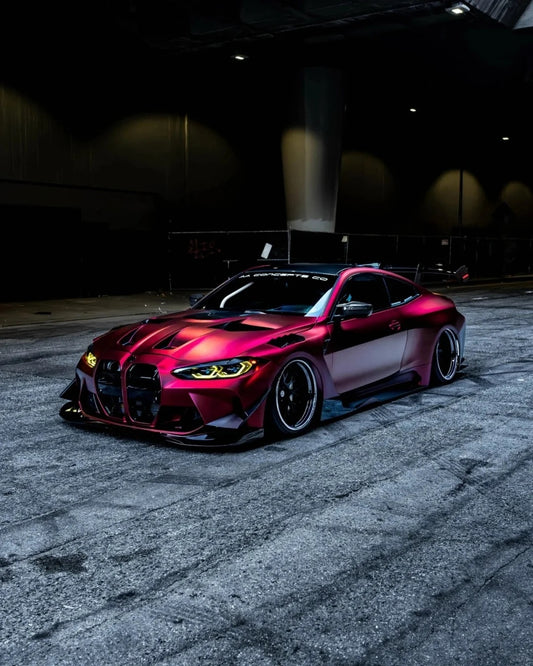
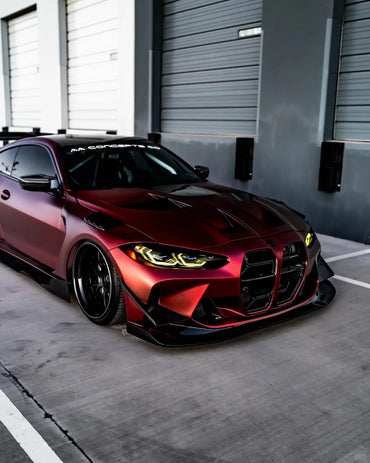
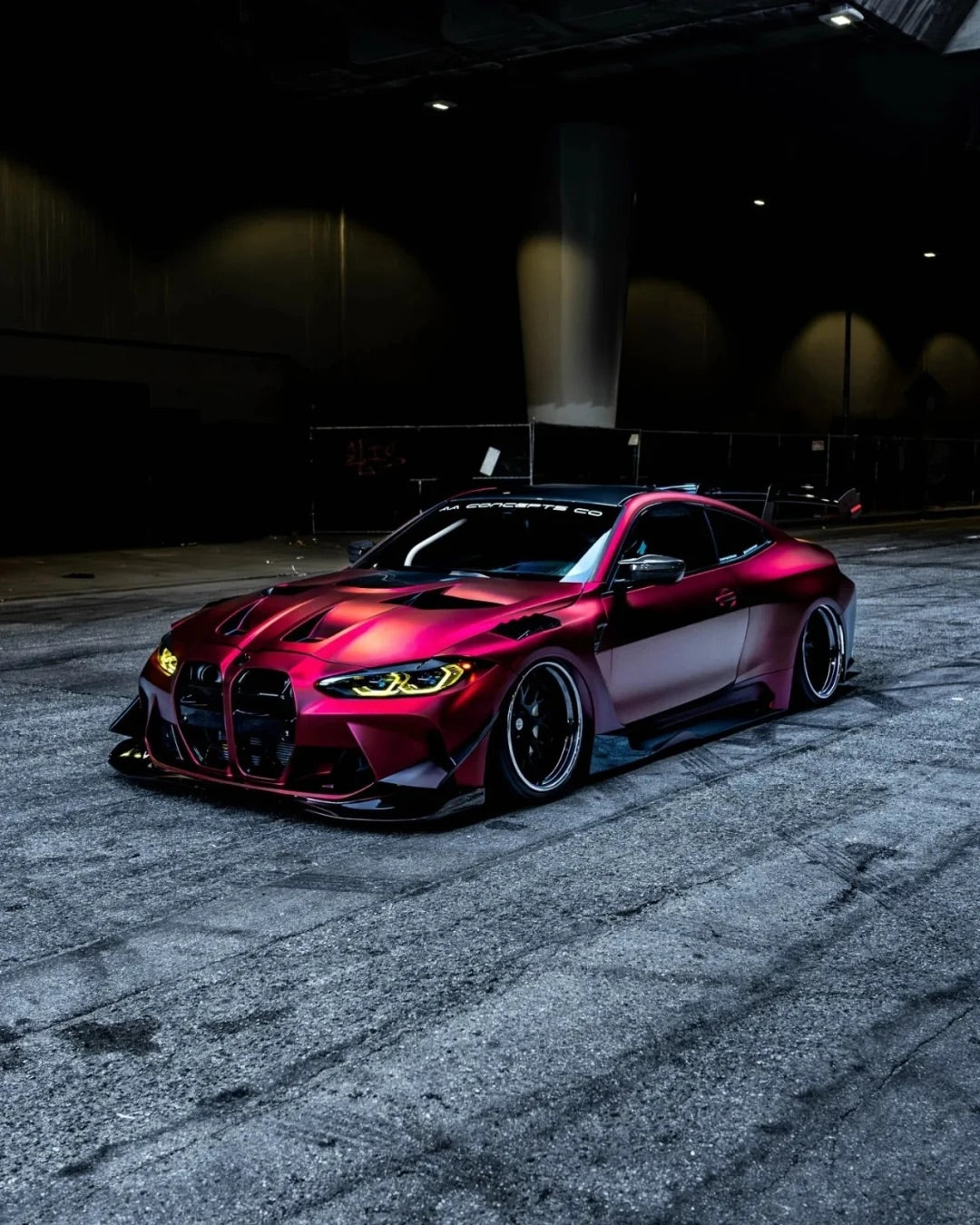
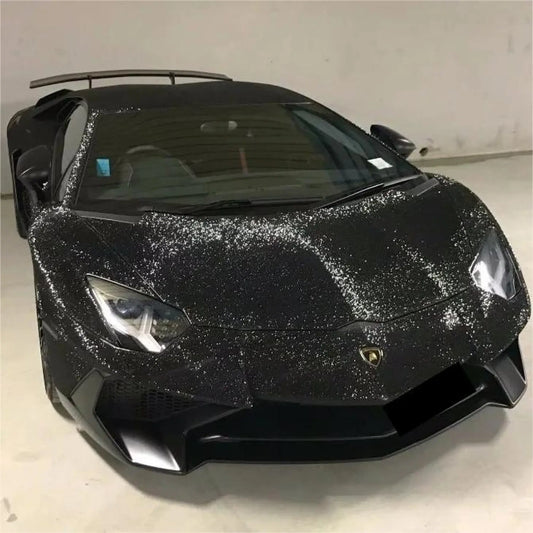
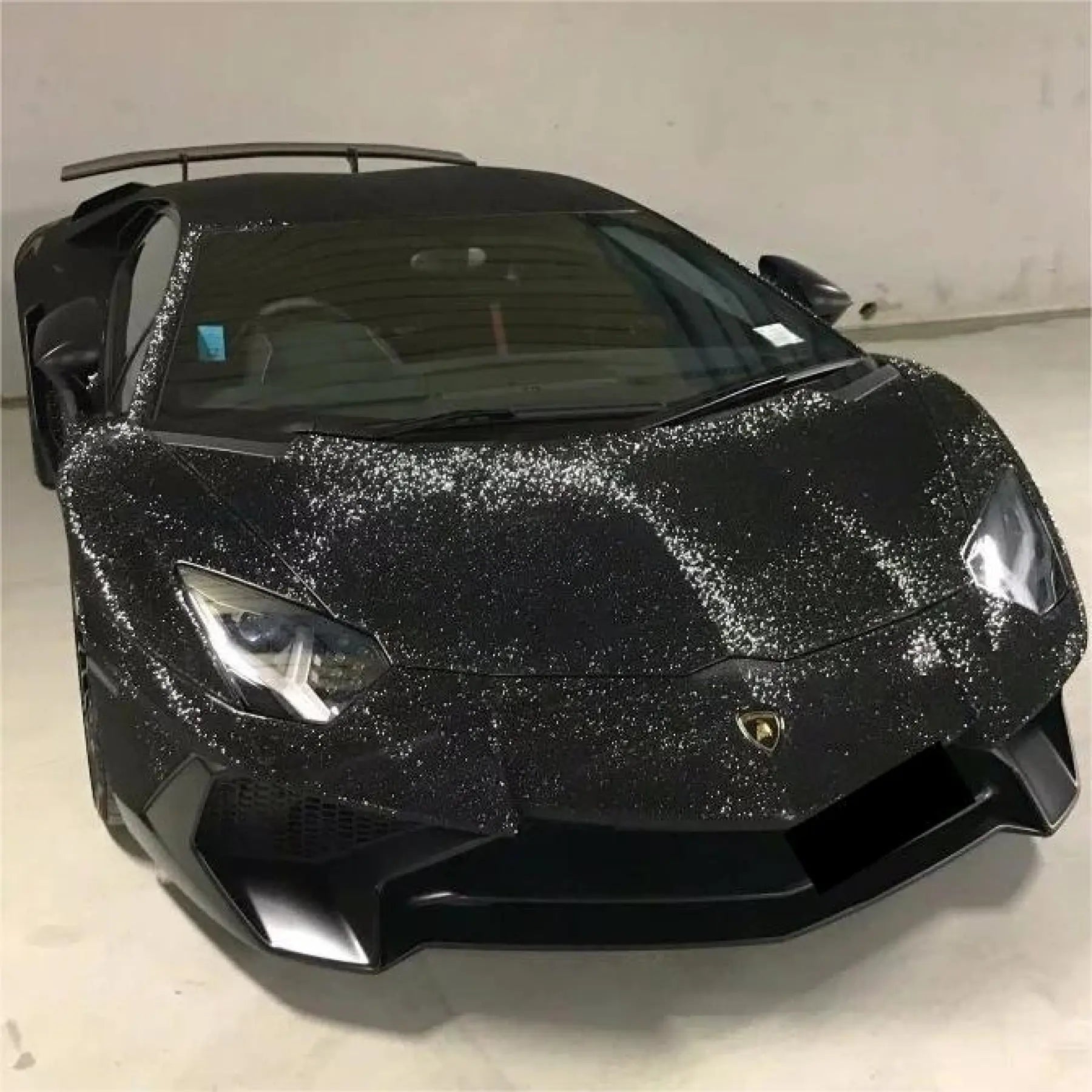
- The finish is neutral or trending — ultra matte black, liquid metallic silver, or deep metallic colorways that align with broad buyer preferences
- You're marketing to car enthusiasts or a customization community where a premium wrap is seen as added value
- The wrap has actively protected the factory paint, and you want to demonstrate that by leaving it in place
According to Kelley Blue Book's guidance on used vehicle appraisals, exterior presentation is one of the most influential factors in how quickly a private-sale vehicle sells and at what price. A clean, well-maintained wrap can support that presentation — but a tired or worn one will undermine it regardless of the car's mechanical condition.
Internal link placeholder: [How vinyl wraps protect factory paint and preserve resale value → link to previous Sailifilm blog post]
Timing Your Removal: The Window That Matters Most
Vinyl wrap removal becomes significantly more difficult as a film ages beyond its designed service window. Most quality vinyl films are engineered for a lifespan of around three to five years, with some premium films holding up to seven years under ideal conditions. Within that window, the pressure-sensitive adhesive remains flexible and releases cleanly from factory paint.
Beyond that window, adhesive chemistry changes. The bond becomes more aggressive, and the film itself can become brittle — meaning it tears into small pieces rather than peeling in large sheets. A film that was applied cleanly five years ago and never removed can take three times as long to remove at year seven, and the adhesive residue left behind requires substantially more effort to clean.
If you're planning to sell within the next twelve to eighteen months and your wrap is approaching its natural end-of-life, removing it now rather than at the last minute gives you cleaner removal, more time to address any paint issues found underneath, and a better vehicle presentation for buyers.
The DIY Car Wrap Installation Guide on the Sailifilm website includes surface preparation and application guidance that applies equally to removal preparation — particularly the sections covering surface temperature requirements and adhesive behavior.
Internal link placeholder: [How long does a car wrap last? Lifespan by film type and climate → link to future durability guide]
<a id="diy-removal-steps"></a>How to Remove a Car Wrap Without Damaging the Paint
If you're doing the removal yourself, the process rewards patience over speed. Rushing is the single most common cause of paint damage during DIY removal. Follow these steps in order.
Step 1 — Work in a Controlled Environment
Temperature matters more than most DIY guides acknowledge. Cold vinyl becomes brittle and tears. Overly hot vinyl in direct sunlight can bond further to the paint surface as you work. An indoor space with moderate temperature — roughly between 60°F and 80°F (15°C to 27°C) — gives the film the right pliability for controlled peeling.
Avoid working in direct sunlight or in freezing conditions. Both will slow the job significantly and increase the risk of tearing the film into small, difficult fragments.
Step 2 — Apply Heat Carefully and Consistently
A heat gun set to a low-to-medium temperature — or a quality hair dryer for smaller sections — softens the adhesive layer and allows the vinyl to release. Hold the heat source approximately 6 to 8 inches from the surface and keep it moving. Concentrating heat in one spot risks damaging the clear coat or causing the film to overheat and bond differently than you expect.
Vinyl typically becomes workable for peeling at around 120°F to 160°F (49°C to 71°C). At this range it becomes flexible and cooperative without being dangerously hot to the paint layers beneath.
Step 3 — Peel at the Correct Angle
This is where most DIY removals either succeed cleanly or go wrong. The ideal peel angle is low and parallel to the surface — as close to flat as possible rather than pulling upward at a right angle. Pulling straight up puts direct tension on the clear coat, while a shallow, sweeping peel follows the adhesive release direction that the film was designed for.
Work slowly in sections roughly the width of your hand. Reheat each section before peeling. Never try to rush multiple panels at once by pulling at speed — the film will tear and leave fragments that take far longer to remove than the full panel would have.
Step 4 — Remove Adhesive Residue
Even a clean peel typically leaves a faint adhesive film behind, particularly on panel edges and around contoured areas. A citrus-based adhesive remover applied with a clean microfiber cloth handles this effectively without damaging the clear coat. Apply the remover, allow it to dwell for thirty to sixty seconds to soften the adhesive, then wipe gently in one direction.
Never use metal scrapers or abrasive pads on automotive paint during wrap removal. Plastic trim tools are acceptable for lifting film edges. A complete set of wrapping and removal tools is worth having on hand before you start — having the right plastic squeegees, heat-resistant gloves, and microfiber cloths available makes the process significantly cleaner and faster.
Step 5 — Wash, Inspect, and Correct
Once all the vinyl and adhesive is removed, wash the vehicle thoroughly using a pH-neutral car shampoo. Then inspect the paint in full sunlight or under strong artificial lighting. This is the moment of truth — you'll see the condition of the factory paint that was protected under the wrap for the entire period it was applied.
In most cases, well-maintained wraps over healthy factory paint reveal paint that looks noticeably fresher than the exposed body panels of similar-age vehicles. In some cases, you may find isolated swirl marks or surface contaminants that crept in at edges over time. Light machine polishing before listing the car addresses these and brings the entire vehicle's paint appearance to its best possible condition.
Internal link placeholder: [Pre-sale car detailing checklist after wrap removal → link to future maintenance guide post]
What the Paint Underneath Actually Tells Buyers
When a buyer inspects a freshly unwrapped vehicle, they're looking for three things: consistency, depth, and clarity in the paint finish. Factory paint that was wrapped from new and correctly removed will typically show excellent scores on all three — more so than comparable vehicles that spent years exposed to UV radiation and environmental contaminants.
This condition difference is a genuine selling point, and it's worth communicating clearly in your listing. Stating that the vehicle was wrapped for paint preservation, and that the factory finish is in confirmed excellent condition following removal, addresses the most common buyer concern — that a wrap was hiding damage — before it's even raised.
According to Edmunds' used car buying guide, buyers in the private market are more likely to pay close to asking price when paint and exterior condition are clearly documented and verifiable. Paint that shows no chips, no fading, and no significant swirl marks directly supports a premium asking price.
Internal link placeholder: [How vinyl wraps protect factory paint — the science behind it → link to previous Sailifilm blog post]
Should You Re-Wrap Before Selling?
In some situations, re-wrapping makes more sense than removal. If the existing film is worn but the factory paint underneath has issues — or if the car's original color is unusual and limits buyer appeal — a fresh wrap in a neutral, high-demand finish can be a more effective pre-sale investment than paint correction and polishing.
A Liquid Chrome wrap or a deep metallic finish in a universally appealing colorway can give a vehicle a showroom-fresh appearance that commands attention in online listings and on a dealer forecourt. For enthusiast markets — sports cars, performance sedans, modified hatchbacks — a clean Crystal wrap or a subtle Dual Color Dream finish can differentiate a vehicle meaningfully from identical stock examples and justify a premium.
If you're unsure which finish would suit your car best, Sailifilm's Sample Kits let you test real film swatches against the body before committing to a direction. Exploring the Best Sellers collection is also a practical way to identify which finishes are generating the most interest from buyers in the current market.
For vehicles where protection rather than color change is the primary goal going forward — whether for the next owner's benefit or for your own if you're not selling immediately — the TPU Paint Protection Wrap and Colored Paint Protection Film collections offer a more durable, longer-lifespan alternative to standard vinyl.
Internal link placeholder: [Best car wrap colors for specific car models — choosing a resale-friendly finish → link to previous Sailifilm blog post]
Common Mistakes to Avoid During Wrap Removal Before Sale
Understanding what goes wrong for others saves significant time and money:
Removing in cold weather outdoors — Cold vinyl becomes rigid and micro-tears on the first peel. Even a moderately cold garage significantly slows the process and increases tearing risk.
Using excessive heat — More heat is not faster. Overheating distorts the film, makes adhesive runny and difficult to manage, and risks damaging the clear coat if the heat gun is held too close for too long.
Ignoring panel edges and door jambs — These areas hold adhesive residue longer because they're recessed and harder to heat evenly. Allocate extra time for transitions and edges rather than rushing past them.
Skipping the adhesive residue step — Handing a vehicle to a buyer with visible adhesive ghost marks or sticky edge lines signals a poor removal job and invites questions about the paint's actual condition. The residue step is not optional.
Leaving the decision too late — A wrap approaching or past its lifespan becomes exponentially more difficult to remove cleanly. According to Autoblog's 2025 wrap guide, professional removal costs range from $500 to $1,500 for a full vehicle — a cost that increases substantially for older, more brittle films. Removing within the film's service window, when possible, keeps both the cost and the effort manageable.
Final Checklist Before Listing
Before your first buyer appointment, work through this sequence:
- Wrap fully removed and adhesive residue cleaned from all panels, edges, and jambs
- Full wash with pH-neutral shampoo and clean microfiber drying
- Paint inspection in strong light — note any isolated swirl marks, edge marks, or panel inconsistencies
- Light polish on any affected areas to bring paint clarity and gloss to maximum
- Photos taken in strong natural light to show paint condition clearly in the listing
- Listing copy notes that the vehicle was wrapped for paint protection and factory finish is in excellent condition
A vehicle that's been wrapped, protected, and correctly prepared for sale has a genuine story to tell. That story, told clearly, converts buyer skepticism into buyer confidence — and buyer confidence converts into offers at asking price.

