

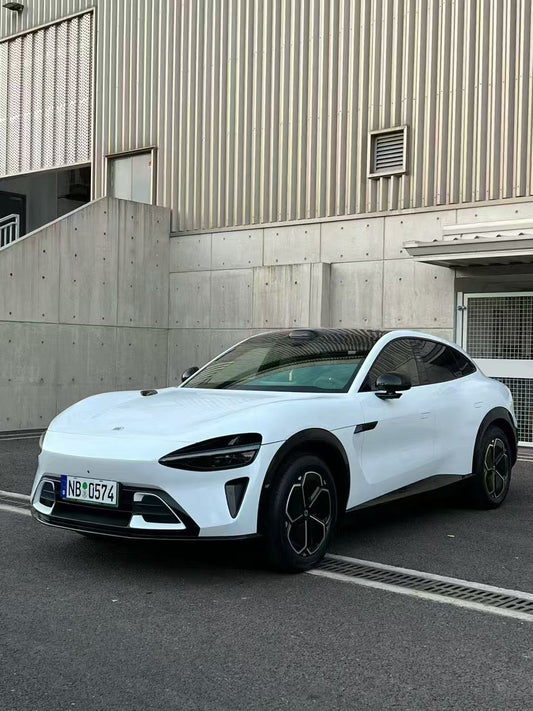
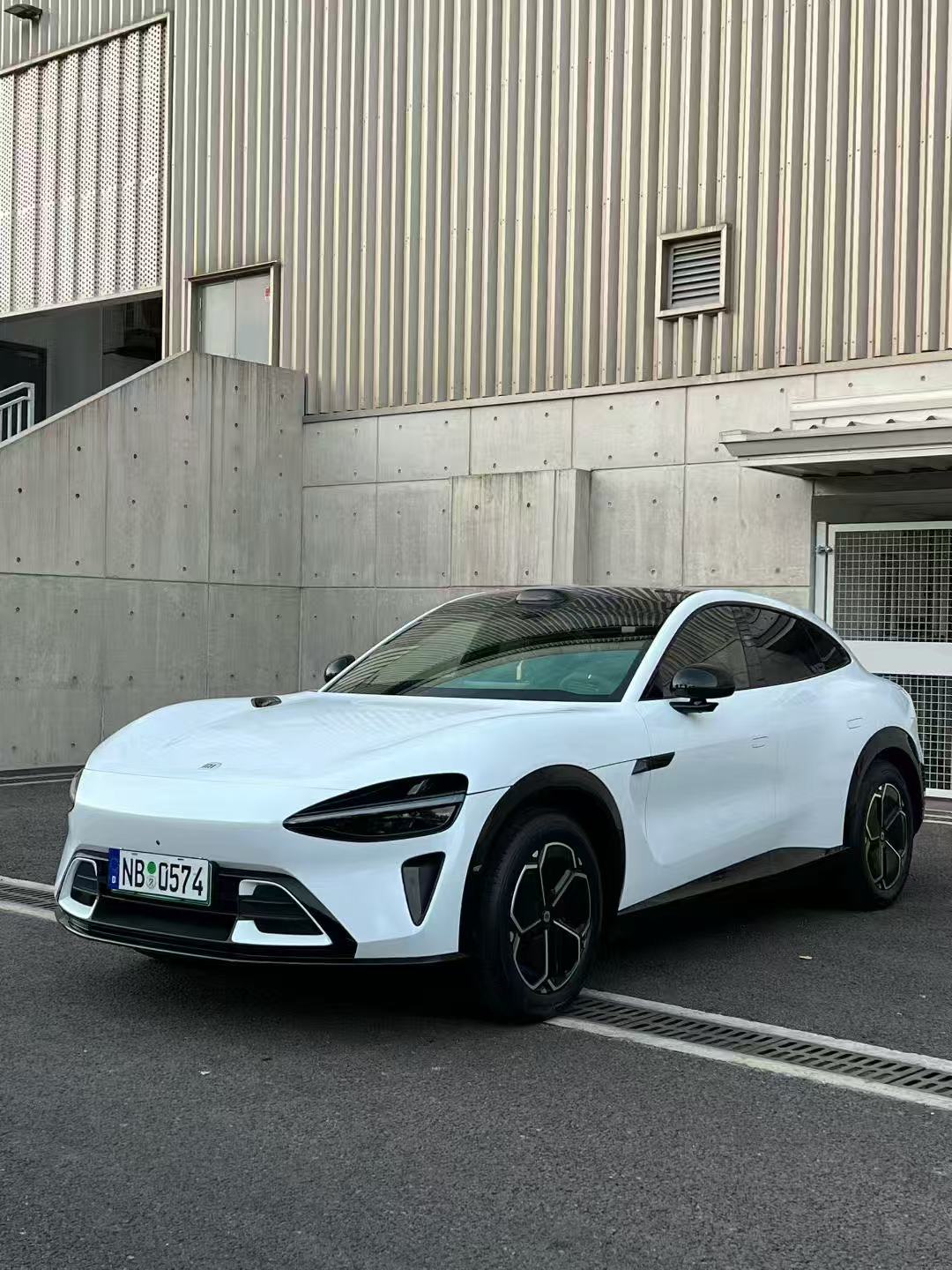


What Is Professional Car Wrap Detailing?
Professional wrap detailing refers to the complete service cycle around applying, finishing, and maintaining a vehicle wrap. Unlike a quick DIY job, professional detailing covers surface decontamination, precise film application using heat guns and squeegees, post-heat activation, edge sealing, and ongoing maintenance guidance. According to Wikipedia's overview of vehicle vinyl wrapping, cast vinyl films are the professional standard because they conform to compound curves without distortion and retain their original dimensions over time — a critical quality for full-panel and full-vehicle installations.
Understanding which film type suits your build is the foundation of any successful wrap job.
Step 1: Choose the Right Film for Your Build
The film you select defines everything — finish, durability, maintenance requirements, and visual impact. Sailifilm's catalog covers the full spectrum of professional detailing needs.
Gloss & Metallic Wraps for Maximum Visual Impact
Metallic vinyl wrap finishes deliver deep, reflective surfaces that mimic factory paint while adding a dimension factory paint cannot achieve. The Sailifilm Metallic Series includes over 22 colorways, from liquid silver to matte satin chrome. These wraps use air-release adhesive channels, which eliminate bubble trapping during installation and make repositioning far more forgiving.
Color-Shifting Finishes
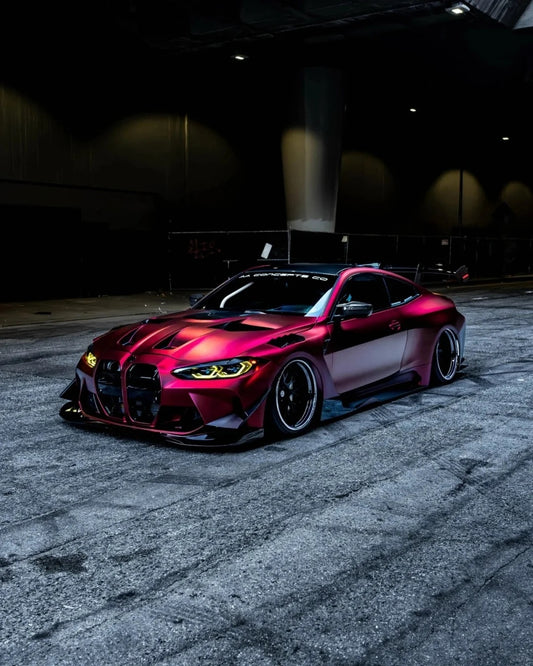
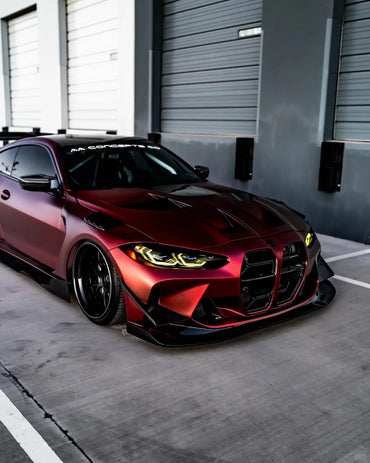
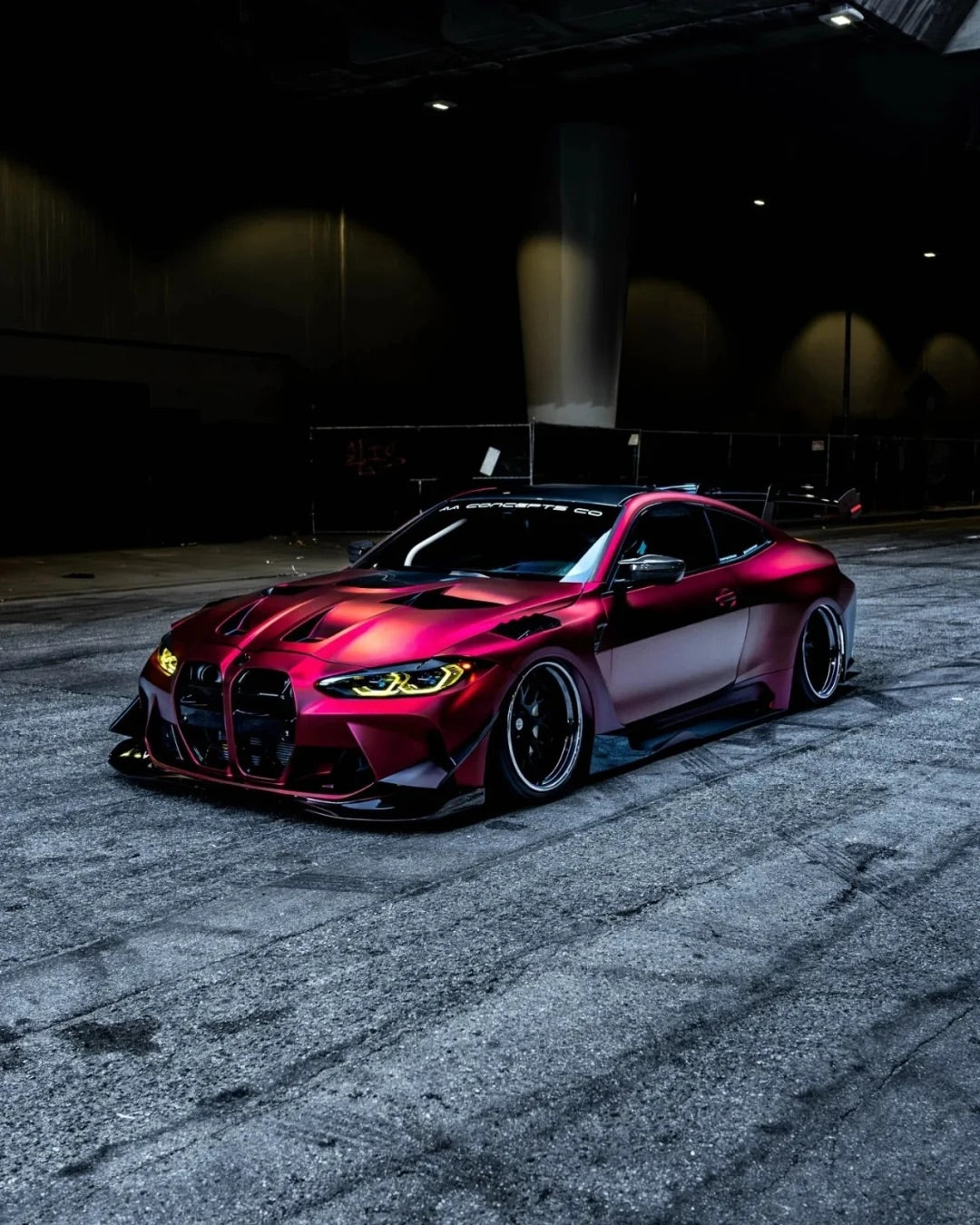
Dual color dream vinyl wrap films shift between two distinct hues depending on viewing angle and lighting condition. This chameleon effect is one of the most searched wrap aesthetics in 2025, driven heavily by social media exposure. If a static finish is not dramatic enough, this series creates a vehicle that genuinely looks different from every angle.
For an even more dramatic spectrum shift, rainbow laser vinyl wrap introduces iridescent light refraction across the surface. These films are a favorite for show cars, sports builds, and content creators looking for visual differentiation. (Internal link placeholder: see upcoming guide — "How to Photograph Color-Shift Wraps for Social Media.")
Liquid Chrome Finishes
Liquid chrome wrap produces a mirror-like, molten metal appearance. The Sailifilm Liquid Series spans 35 SKUs covering dragon red, British racing green, liquid silver, and many more high-gloss tones. Chrome-style finishes require more precise panel prep because the film's high reflectivity will surface any imperfection in the substrate below.
Ultra Matte Finishes
Ultra matte wrap films produce a dead-flat surface that absorbs light rather than reflecting it. Matte wraps have been rising steadily in search volume because they deliver an understated, stealth look associated with high-end custom builds. The Sailifilm Ultra Matte Series offers satin chrome metallic matte options that combine subtle sheen with the flat aesthetic — effectively bridging both trends. (Internal link placeholder: see upcoming article — "Matte vs Satin Wrap: Which Finish Is Right for Your Car.")
Crystal & Glitter Finishes
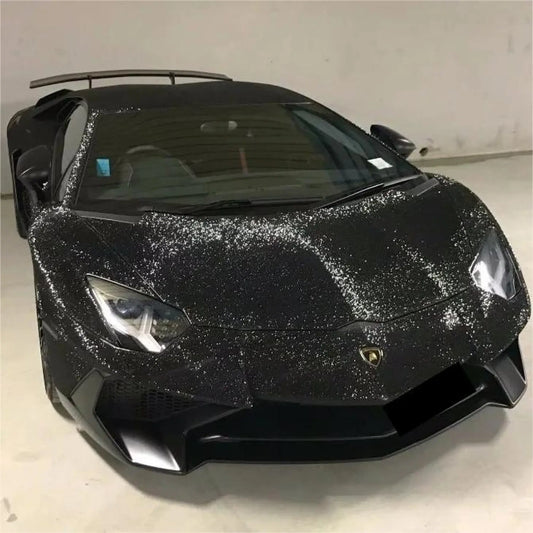
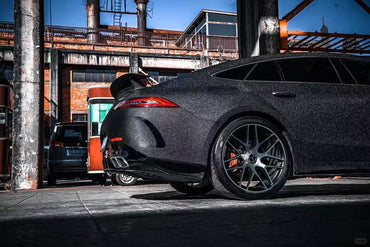
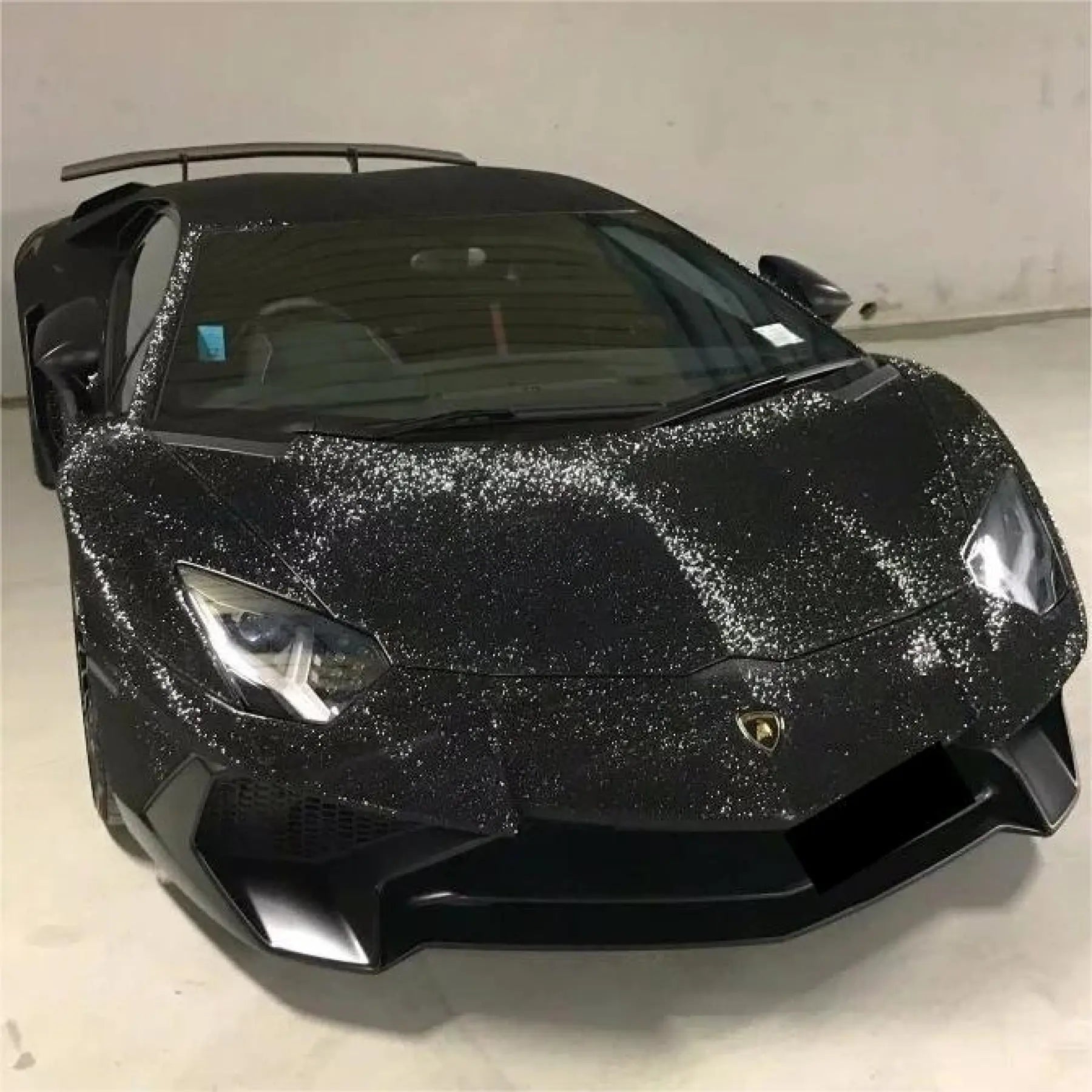
Crystal vinyl wrap films use a layered optical construction to produce depth and translucency that shifts with ambient light. The glitter sparkle car wrap collection takes this further with embedded reflective particles — Sailifilm's Diamond Glitter Black and Pearlescent Sparkle Glitter White are among the site's top sellers for this reason.
Carbon Fiber Texture
3D carbon fiber wrap provides tactile texture along with the carbon aesthetic. Professional detailers often use these on hoods, roofs, mirror caps, and trunk lids as accent panels rather than full wraps — a technique that adds visual weight to specific zones of the vehicle.
Step 2: Surface Preparation — The Non-Negotiable Foundation
No film, regardless of quality, performs well over a poorly prepared surface. Professional wrap detailers follow a strict decontamination process before any film is unrolled:
The vehicle is washed with a pH-neutral shampoo, then clay-barred to remove embedded contaminants. Any surface rust, chips, or peeling clear coat must be addressed — wrapping over compromised paint accelerates delamination. Panels are wiped down with isopropyl alcohol (typically 70–99%) to remove any wax, oil, or polish residue that would prevent adhesion.
This process is particularly important for chrome and liquid finishes because their high reflectivity will expose any surface inconsistency once the film is applied.
Step 3: Film Application Techniques
Professional installers work in controlled environments — ideally between 60°F and 80°F (15°C–27°C) with low humidity. For reference on industry technique standards, the Professional Decal Application Alliance maintains installer certification programs and best practice documentation that many professional wrap shops follow.
Application begins with a dry positioning pass, then a wet or dry lay depending on the film type. Sailifilm wraps feature air-egress adhesive technology, meaning small air pockets are pushed out through microscopic channels during squeegee work rather than becoming trapped. Post-stretch heating with a heat gun activates the adhesive into recessed areas, seams, and complex curves. Edge wrapping — tucking the film behind door jambs, bumper edges, and trim — is what separates a professional result from an amateur application. (Internal link placeholder: see upcoming tutorial — "How to Wrap Door Edges Like a Pro.")
Step 4: Paint Protection Film — When You Need Both Style and Armor
For drivers who want color alongside genuine paint protection, colored paint protection film and TPU paint protection wrap deliver both. TPU (thermoplastic polyurethane) is the material standard for protective films because it is self-healing, highly impact-resistant, and optically clear or tinted depending on the product variant.
The difference between a standard vinyl wrap and a TPU wrap matters enormously in high-debris environments — track use, mountain driving, or daily motorway commuting where stone chips are a real threat. For a deeper breakdown of how PPF and vinyl wrap differ in real-world use, this Detailing World forum thread and Car and Driver's guide to paint protection film cover real-world durability testing in accessible terms.
(Internal link placeholder: see upcoming comparison — "TPU Paint Protection Wrap vs Standard Vinyl Wrap: Side-by-Side.")
Step 5: Post-Installation Detailing and Long-Term Care
After installation, the wrap needs 24–72 hours at ambient temperature before it is exposed to pressure washing, rain, or direct sunlight. The adhesive continues curing during this window.
Sailifilm provides a dedicated car film maintenance guide covering wash techniques, product compatibility, and seasonal care. The short version: hand washing with pH-neutral products extends wrap life significantly. Automated car washes with rotating brushes create micro-scratches on gloss films and accelerate edge lifting on matte surfaces. Silicone-based detailing sprays should be avoided on matte and ultra-matte finishes because they create uneven sheen.
Chrome and liquid finishes benefit from a spray sealant formulated for vinyl — it adds a protective layer without altering the reflective quality. Crystal and glitter wraps can be lightly buffed with a microfiber cloth to restore their sparkle after dusty conditions.
Step 6: Try Before You Commit — Sample Kits
One of the most practical steps before ordering a full roll is sampling the actual material. Sailifilm's sample kits allow installers and buyers to assess real texture, color depth, and flexibility before committing to a full-vehicle quantity. Color accuracy on-screen is inherently limited — especially for color-shifting, laser, and metallic films where the viewing angle changes everything.
Tools Matter as Much as Film
Professional detailers know that even the best film underperforms when applied with inadequate tools. Sailifilm stocks a full range of wrapping tools including squeegees, heat guns, cutting tape, and knifeless tape systems. Using the correct durometer squeegee for a given film type — harder for flat panels, softer felt-edged tools for textured and glitter films — prevents micro-scratching during the lay.
Find Your Film in the Sailifilm Best Sellers
If you are still deciding between collections, the Sailifilm best sellers page reflects what professional installers and enthusiasts are actually ordering right now. Top performers include the Diamond Glitter Black, Liquid Silver, and Pearlescent Sparkle Glitter White — all practical evidence of where the market's taste is currently sitting.
Final Thoughts
Professional wrap detailing is a craft built on three equal pillars: the right film, thorough preparation, and correct technique. Sailifilm's range covers every aesthetic direction the market currently demands — from stealth ultra-matte builds to show-stopping rainbow laser color shifts — while providing the material quality that professional installation demands.
Whether you are a detailing shop building your film inventory or an enthusiast planning your first DIY wrap, starting with the right material from a consistent, professional-grade source is the decision that everything else depends on.
Explore the full Sailifilm collection at sailifilm.com and use the sample kit program to feel the difference before you commit.

