



How UV Radiation Actually Damages Car Paint
Modern automotive paint is a layered system: primer, base color, and a transparent clear coat that sits on top as the protective skin. The clear coat is roughly the thickness of a sticky note, and it does most of the work standing between sunlight and your color layer.
UV-A radiation penetrates deeply into the paint stack, breaking the chemical bonds inside the pigment molecules over time. UV-B radiation does most of its damage at the surface, attacking the resin matrix that holds the clear coat together. The combined process is called photo-oxidation, and it produces three predictable outcomes:
-
Fading. Pigment molecules lose intensity. Reds wash out toward pink, blacks gray out, blues drift toward chalky teal.
-
Oxidation. The clear coat loses its smooth, reflective surface and develops a powdery, dull texture. This is the white haze owners often wipe off thinking it is dust.
-
Clear coat failure. The final stage. The clear coat becomes brittle, cracks, and peels away in patches, exposing the color layer to direct attack. Once peeling begins, the only fix is a full repaint.
Where Sun Damage Starts First on Your Car
Damage does not spread evenly. Horizontal surfaces — those facing straight up at the sky — absorb the most direct UV energy and the most heat throughout the day. The early-warning panels every owner should inspect at least once a year are:
-
Roof. Receives the most direct overhead sunlight. Almost always the first panel to lose gloss.
-
Hood. Combines high UV exposure with engine heat radiating up from below — a punishing combination for clear coat.
-
Trunk lid. The third horizontal surface. Often overlooked because it sits low and behind the driver.
-
Upper door tops and tonneau panels. Smaller surface area but the same direct exposure as the roof.
A quick at-home test: compare the gloss of a horizontal panel to a vertical one in the same lighting. If the roof reads noticeably duller than the door panel, oxidation is already underway.
Why Dark Cars Suffer Worse Sun Damage
Color choice has a direct impact on how fast UV damage progresses. Darker paints — black, midnight blue, deep red, dark green — absorb significantly more solar heat than lighter colors. A black car parked in direct summer sun can reach surface temperatures well above 140°F, which dramatically accelerates the chemical reactions inside the clear coat. Heat is the catalyst that lets UV do its damage faster.
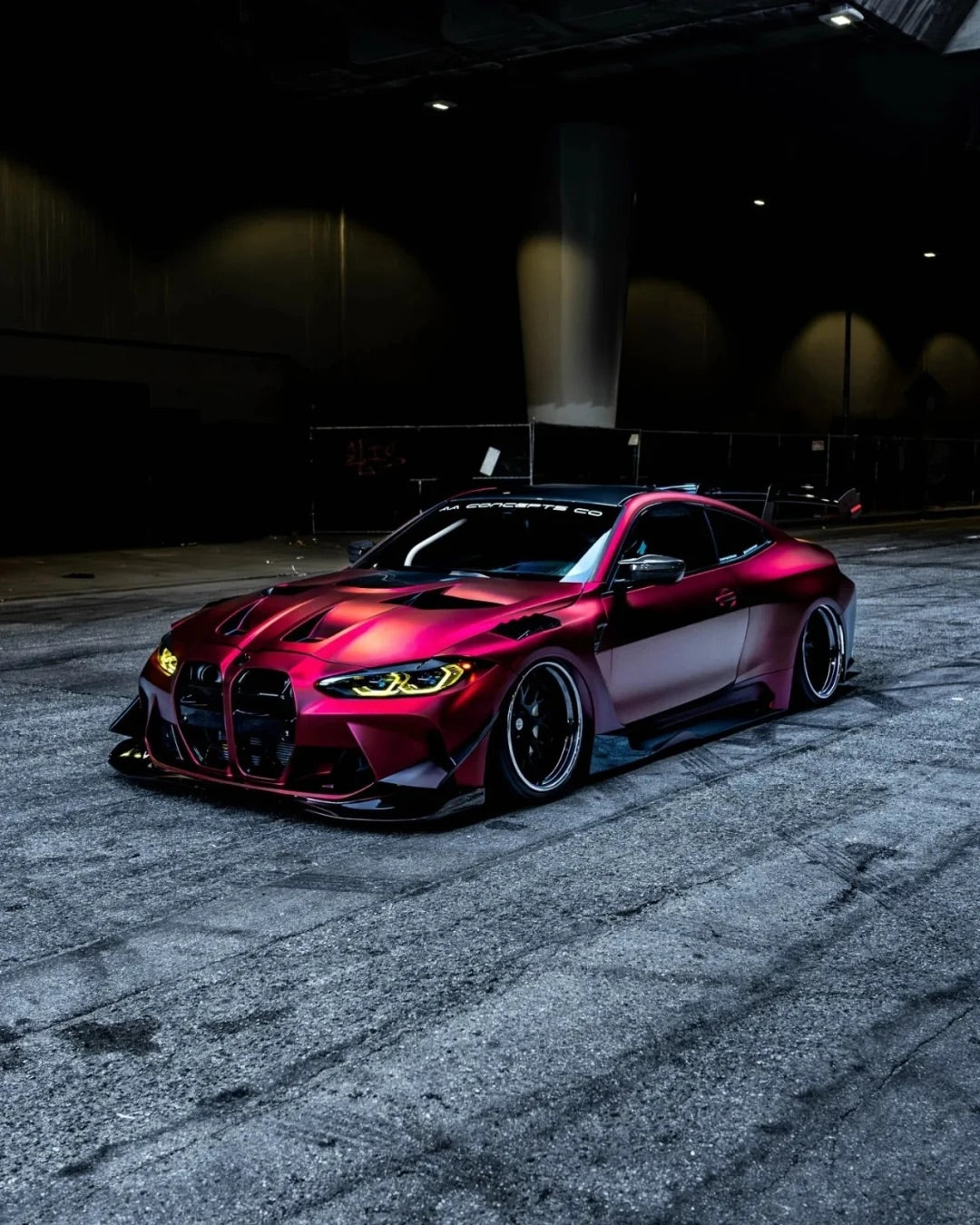
Red paint is famously fade-prone for a separate reason: red pigments are chemically less stable under UV light than blacks or whites, so they shift visibly even when overall heat exposure stays moderate. Owners of red, deep-color, and metallic-finished vehicles benefit the most from proactive protection.
Five Sailifilm Strategies to Stop Sun Damage
Different drivers need different layers of defense. Here are the five proven approaches Sailifilm customers use to fight UV degradation, ranked from least to most invasive.
Strategy 1: Invisible Self-Healing TPU Over the Paint You Already Love
If you bought your car for its factory color, the cleanest defense is a fully transparent layer of self-healing thermoplastic polyurethane that sits on top of the paint without changing how it looks. The 8.5mil Clear PPF Gloss Invisible Paint Protection Film is engineered with UV inhibitors built into the polymer itself, so the film absorbs and disperses ultraviolet energy before it ever reaches the clear coat below. Self-healing properties also erase the swirl marks and wash-related micro-scratches that compound the visual damage of UV fade.
For owners who prefer a softer satin appearance, the 8.5mil Clear PPF Matte Invisible Paint Protection Film delivers the same UV blocking and self-healing performance with a flat finish that disguises light surface marks even better than gloss.
Strategy 2: Thinner TPU for Whole-Vehicle Coverage
Daily drivers who want continuous UV protection across every panel — not just the front end — can step down to the 7.5mil Clear PPF Gloss Invisible Paint Protection Film or the 7.5mil Clear PPF Matte Invisible Paint Protection Film. The thinner construction is easier to install around complex curves and more economical for full-body wraps, while still delivering five to ten years of UV defense, hydrophobic surface behavior, and self-healing recovery.
Strategy 3: Colored TPU for Protection Plus Color Change
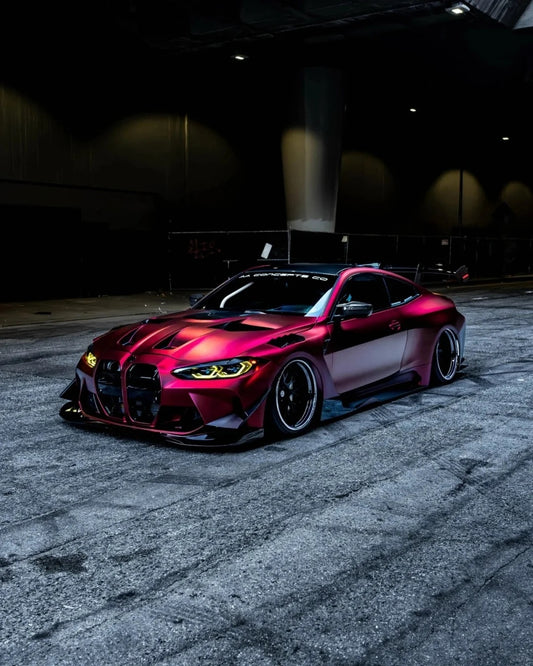
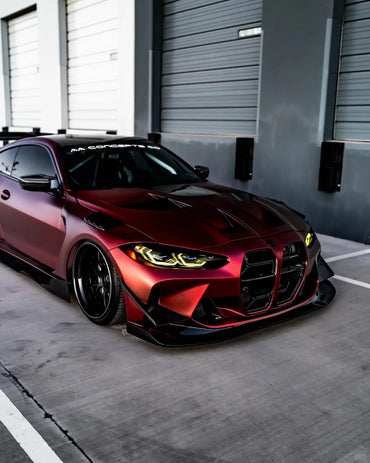
If your factory color is already showing signs of fade — or if you simply want a fresh look — colored paint protection film delivers the rare best-of-both-worlds outcome. The Colored Paint Protection Film range integrates pigments directly into the TPU layers, giving you finishes like Crystal Sky Blue, Ferrari Red, Arctic Grey, Light Pink, and Piano Black with the same self-healing, UV-blocking, and rock-chip-absorbing characteristics as clear PPF. This is the only category of film that simultaneously refreshes color and prevents future sun damage.
Strategy 4: Decorative Vinyl Wrap as a Protective Color Layer
Cast vinyl from collections like the Ultra Matte Series, Metallic Series, Liquid Series, and Crystal Series forms a complete physical layer over your factory paint. The base finish underneath is shielded from direct UV exposure for the full life of the wrap — typically five to seven years — meaning the day you remove the vinyl, the original paint emerges in dramatically better condition than it would have without the cover.
This is one of the most underrated benefits of vinyl wrapping. Many lessees and resale-conscious owners use a full-body wrap specifically to bank their factory paint condition for trade-in time, while enjoying a totally different color in the meantime.
Strategy 5: Specialty Vinyl for Statement Builds That Still Block UV
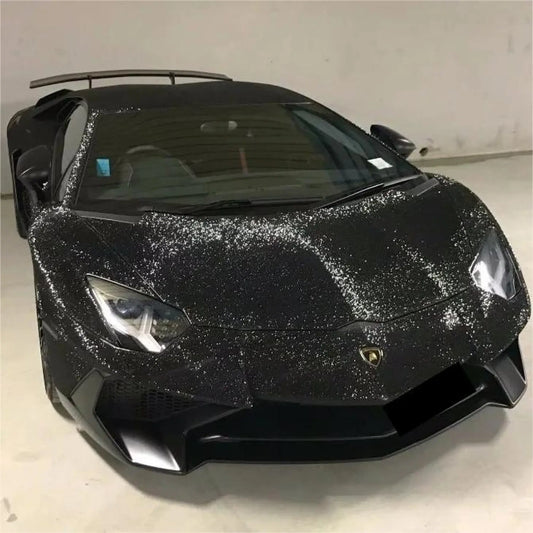
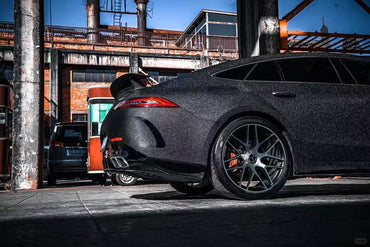
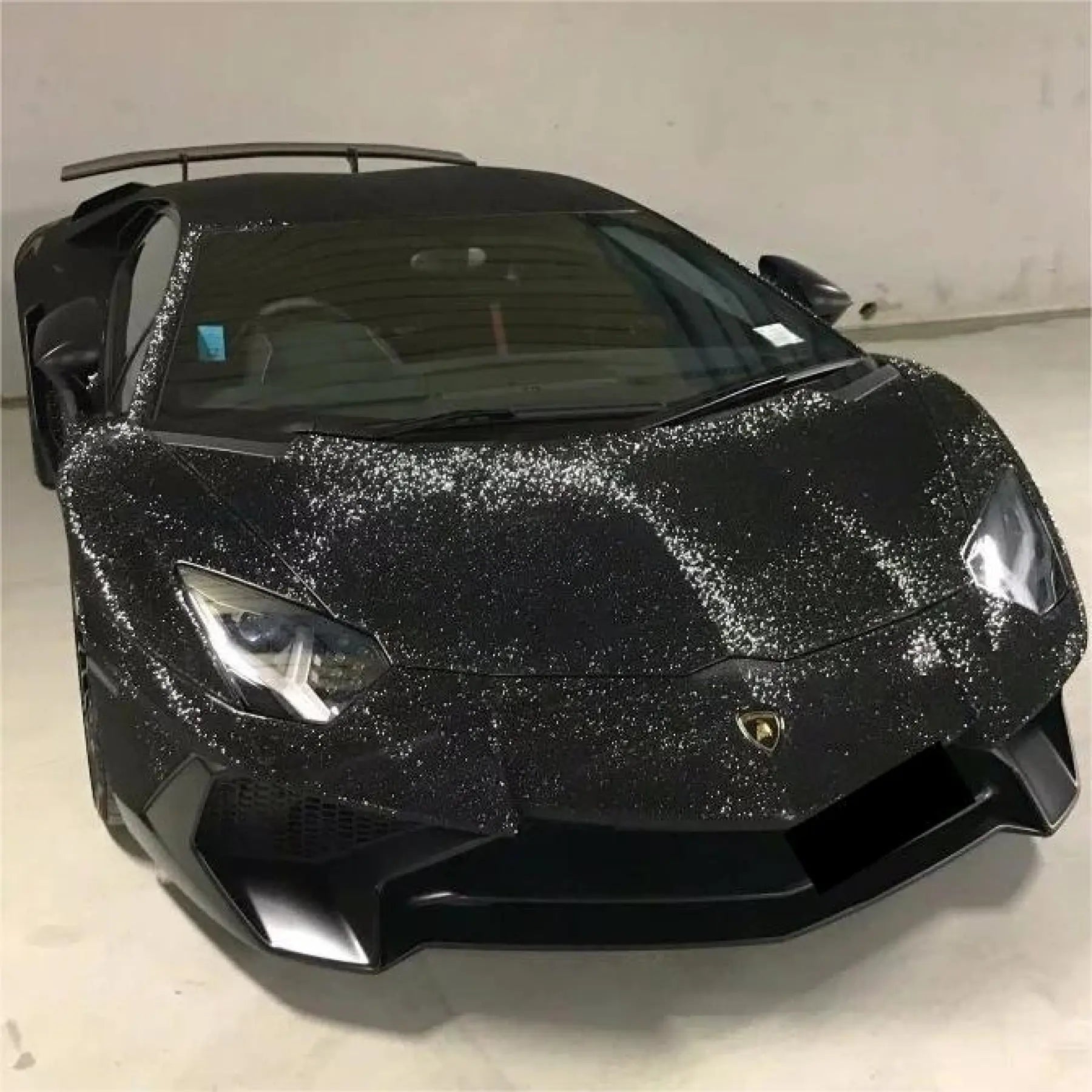
For drivers chasing personality alongside protection, Sailifilm’s specialty vinyl ranges deliver unique visual finishes while still acting as a UV barrier. The Rainbow Laser Series creates color-shifting holographic surfaces. The Dual Color Dream Series produces chameleon-style transitions between two distinct hues. The 3D Carbon Fiber Wrap mimics motorsport composite texture across hood, roof, and accent zones. The Glitter Sparkle Wrap adds embedded sparkle that catches sunlight rather than absorbing it. Each shields the underlying paint from direct UV contact across the wrapped panels.
Where to Apply UV Protection First (If You Cannot Wrap Everything)
Full-vehicle coverage is ideal but not always practical. If budget or timing forces a phased approach, prioritize the panels that take the most direct overhead sun:
-
Phase 1 — Roof. The single most damaged panel on almost every aging car. Wrapping the roof alone slows visible aging dramatically.
-
Phase 2 — Hood. Adds front-end rock-chip protection alongside UV defense. Standard package on most professional installs.
-
Phase 3 — Trunk lid and rear deck. Closes off the third horizontal damage zone.
-
Phase 4 — Vertical panels. Doors, fenders, and quarter panels. These age more slowly but eventually catch up.
Sun Damage Beyond the Exterior Paint
UV degradation does not stop at the bodywork. Cabin temperatures in a closed car parked in direct sun routinely exceed 140°F, and the same UV energy that breaks down clear coat also dries out dashboard plastics, fades upholstery, and cracks leather. While our films focus on exterior protection, basic interior habits significantly extend overall vehicle condition: use a windshield sunshade, park nose-out so the dashboard sits in shade, and rotate parking direction when shade is limited.
Headlights are another sun-damage casualty. The polycarbonate lens housing yellows under prolonged UV exposure, reducing light output and giving the front of the car a worn, neglected appearance. Some installers extend a small piece of clear PPF over headlight lenses specifically to prevent this yellowing.
Caring for Your Sun-Protected Car
Once protective film is in place, the maintenance routine that preserves it is simple. Wash regularly with pH-neutral car shampoo, avoid drive-through brush washes that scour the surface, and dry with clean microfiber towels rather than letting water spots bake in. Detailed steps live in our Car Film Maintenance Guide, and the right tools — soft squeegees, microfiber pads, edge sealants — are stocked in our Wrapping Tools collection.
New to vinyl or PPF? Order a Sample Kit before committing to a full install. Evaluating film color, finish, and surface feel in real outdoor light is the most reliable way to confirm that a particular product matches your build before paying for full coverage. The full step-by-step process is covered in our DIY Car Wrap Installation Guide.
Sun Protection Recommendations by Climate
-
Mediterranean and Sunbelt regions (Spain, Italy, southern France, Arizona, Florida): Full-vehicle clear PPF or colored PPF is the strongest defense. Roof, hood, and trunk are non-negotiable.
-
Tropical and equatorial regions: Combine UV protection with hydrophobic surface behavior to handle frequent rain alongside intense sun. 8.5mil clear PPF on horizontal panels is the high-value choice.
-
Northern Europe and similar mid-latitude climates: UV exposure is lower but still cumulative. A 7.5mil PPF on horizontal panels prevents ten-year fade without the cost of full coverage.
-
High-altitude regions: Higher elevations receive significantly more UV per square meter than sea level. Treat altitude as one tier hotter when planning protection — a high-altitude commuter needs Sunbelt-level coverage even if temperatures stay cool.
Sun Damage Protection FAQ
How quickly does UV damage start showing on a new car?
Visible signs typically appear within three to five years of unprotected outdoor parking, depending on climate and color. Black, red, and metallic finishes show damage soonest. Clear coat oxidation often begins invisibly within the first two summers and only becomes obvious once enough surface texture has been lost.
Can I install paint protection film over already-faded paint?
Yes, but with limits. PPF will halt further UV degradation, lock in the current condition, and protect against new damage. It will not reverse existing fade, restore lost gloss, or hide oxidation. A polish-and-correct step before installation is usually recommended for older vehicles.
Is vinyl wrap or PPF better for sun protection specifically?
Both block direct UV from reaching the paint underneath. PPF adds self-healing, hydrophobic behavior, and rock-chip absorption that decorative vinyl cannot match. Vinyl gives you dramatic color and finish options that PPF cannot replicate. For pure UV defense plus impact protection, PPF wins. For UV defense plus a complete style transformation, vinyl is the right tool.
Will sun damage void my factory paint warranty?
Most manufacturer warranties exclude general UV fade and oxidation as normal wear. Severe clear coat failure on a young vehicle may qualify for warranty repair, but the burden of proof falls on the owner. Preventive protection eliminates the dispute entirely.
The Best Time to Protect Your Paint Was the Day You Bought the Car
The second-best time is now. UV damage is cumulative and irreversible once the clear coat has cracked, but every day you delay adds to the dose your paint absorbs. Whether you opt for a low-key invisible TPU layer, a complete color transformation through colored PPF, or a creative wrap from one of our specialty vinyl ranges, every option in the Sailifilm catalog provides meaningful UV defense.
Browse the TPU Paint Protection Wrap collection for invisible protection, the Colored Paint Protection Film range for protection plus color, or our best-selling vinyl wraps for trending finishes that double as UV armor. Shops and installers can request wholesale pricing through the Sailifilm dealer program.
Need help choosing the right film for your climate and color? Reach out through our contact page and our team will recommend a tailored protection plan for your vehicle.

