





1. Rock Chips and Highway Gravel
Why it matters: A pebble launched by the tire of the truck ahead of you can be traveling well over 60 mph by the time it reaches your hood. At that velocity, a stone smaller than a pea will punch straight through clear coat, base color, and primer in a fraction of a second. Once the chip exposes bare metal, oxidation begins immediately and rust follows within weeks if untreated. Rock chips are consistently ranked as the single most common cause of paint damage in highway-driven vehicles.
How to defend it: This is exactly what self-healing thermoplastic polyurethane was engineered to stop. The 8.5mil Clear PPF Gloss Invisible Paint Protection Film is the right choice for hoods, front bumpers, fender tips, and rocker panels — the high-impact zones that absorb the most stone strikes. The film flexes on impact, dispersing energy across a wide area instead of letting it concentrate in one spot. For full-body coverage on a daily driver, the 7.5mil Clear PPF Gloss Invisible Paint Protection Film is easier to install while still delivering serious rock-chip resistance.
2. Bird Droppings
Why it matters: Bird waste is corrosive in the chemical sense, not the metaphorical one. The pH typically falls between 3 and 4.5 — close to vinegar — and the uric acid content reacts with clear coat resins almost immediately. Hot weather speeds up the reaction; on a summer afternoon, fresh droppings can leave a permanent etched outline on your paint within just a few hours. Worse, the deposits often contain sand, seeds, and grit that scratch the paint when wiped off carelessly.
How to defend it: A TPU paint protection film places an acid-resistant barrier between the droppings and your factory finish. Even if you do not notice the deposit for several hours, the contaminant attacks the sacrificial film instead of the paint underneath. After cleaning, the film’s self-healing top coat recovers any micro-marks left from the wipe-down. Pair the film with the routine cleaning steps in our Car Film Maintenance Guide to keep things spotless.
3. UV Radiation and Sun Fade
Why it matters: Sunlight is the slowest but most universal hazard your paint faces. Ultraviolet radiation breaks down the chemical bonds in clear coat, leading to oxidation, chalkiness, and visible color fade. Dark colors — black, deep red, midnight blue — show the damage first because they absorb more UV energy and run hotter. After three to five years of unprotected exposure, even premium factory paints lose noticeable depth and gloss.
How to defend it: Quality TPU film includes UV inhibitors built directly into the polymer matrix. The protection layer absorbs and disperses ultraviolet energy before it reaches your base color. For owners who already love their factory color, the clear TPU Paint Protection Wrap preserves it invisibly. For drivers ready to refresh the look while gaining UV protection, the Colored Paint Protection Film delivers the same self-healing, anti-fade properties combined with options like Crystal Sky Blue, Ferrari Red, Arctic Grey, and Piano Black.
4. Bug Splatter and Insect Acid
Why it matters: Anyone who has driven through farmland in summer knows the result: a front bumper coated in dried insect remains. Beyond the cosmetic mess, dead bugs leave behind enzymatic proteins and acidic body fluids that bond aggressively to clear coat. The longer the splatter sits, the deeper the etching. Aggressive scrubbing to remove dried-on bugs is itself a leading cause of swirl marks and micro-scratches.
How to defend it: PPF’s smooth, hydrophobic top surface keeps insect residue from bonding deeply, so a normal wash usually lifts the contamination cleanly without abrasive effort. Front-end coverage is the priority zone — bumper, headlights, mirror caps, and the leading third of the hood absorb most of the impact. The 7.5mil Clear PPF Matte Invisible Paint Protection Film is a popular satin-finish option for owners who want bug protection without the high-gloss reflection.
5. Tree Sap
Why it matters: Parking under shade trees is comfortable in summer but disastrous for paint. Tree sap is sticky when fresh and rock-hard once cured, and its naturally acidic chemistry slowly etches into clear coat the longer it sits. Removing dried sap usually requires solvents that risk dulling the surrounding paint, or aggressive mechanical scraping that leaves visible swirl patterns under direct sunlight.
How to defend it: On a TPU-protected surface, sap sits on top of the film instead of bonding into the paint. Warm water plus a microfiber cloth typically lifts it off within minutes, and any minor surface marks left behind self-heal under sun exposure. This is one of the strongest practical arguments for full-vehicle PPF on cars that live outdoors year-round.
6. Road Salt and Winter Brine
Why it matters: Sodium chloride and magnesium chloride brines are dumped onto roadways across cold-weather regions every winter to keep traffic moving. The cost is a thick layer of corrosive slurry coating every car that drives through it. Salt accelerates oxidation wherever it finds bare metal — chip edges, scratch lines, even tiny stone pings — and the damage often appears as bubbling rust under the paint months after the original incident.
How to defend it: PPF coverage on rocker panels, lower doors, wheel arches, and the rear quarter panel where road spray accumulates is the highest-value defense for cold-climate drivers. Because the film is fully sealed at its edges during installation, salt cannot creep into chips and start eating outward. The 8.5mil Clear PPF Matte Invisible Paint Protection Film is particularly suited to lower-body zones where extra impact thickness is worth the investment.
7. Acid Rain and Industrial Fallout
Why it matters: Drivers in urban and industrial corridors face airborne sulfur and nitrogen compounds that combine with atmospheric moisture to produce mildly acidic rain. Park outdoors during a wet week and the contaminants bond to your clear coat, leaving water-spot rings and dull patches that simple soap will not remove. Industrial fallout — fine metal particles from factories, brake dust, rail yards — adds an abrasive dimension to the same problem.
How to defend it: PPF’s chemically inert TPU surface resists acid attack and prevents fallout from embedding into the paint. The hydrophobic top layer also encourages contaminated water to bead up and roll off rather than evaporate in place, which dramatically reduces water spotting. In high-pollution cities, this benefit alone justifies the protection.
8. Car Wash Scratches and Swirl Marks
Why it matters: Ironically, the act of cleaning your car often inflicts more visible damage than the contaminants you are trying to remove. Drive-through brush washes drag accumulated grit across your paint, dirty wash mitts trap road particles that scratch on every pass, and improper drying techniques leave fine spider-web patterns visible under direct sun. These swirl marks are particularly noticeable on dark colors and on cars regularly photographed for social media.
How to defend it: Self-healing TPU film is uniquely suited to this hazard. Minor abrasions disappear automatically when the film warms in sunlight or after a hot-water rinse. Owners who run their cars through automatic washes weekly see dramatic differences between PPF-protected panels and bare-paint panels after just a year. For those still washing by hand, premium tools from our Wrapping Tools collection minimize the chance of inflicting fresh marks during care.
Choosing the Right Sailifilm Protection for Your Driving Reality
Different drivers face different threat profiles. Use this quick map to match Sailifilm products to your most pressing hazards.
-
Highway commuter (rock chips, bug splatter): Front-end PPF in 7.5mil or 8.5mil. The 8.5mil Clear PPF Gloss prioritizes maximum impact resistance.
-
Northern climate (road salt, winter brine): Lower-body and rocker-panel PPF, plus full hood and bumper coverage. 8.5mil thickness recommended.
-
Sunbelt or tropical region (UV fade, bird droppings, tree sap): Full-vehicle clear or colored TPU PPF for continuous UV-resistant protection.
-
Urban driver (acid rain, industrial fallout): Full-body 7.5mil clear PPF combined with regular hydrophobic-friendly washing.
-
Style-conscious owner (color change + protection): The Colored Paint Protection Film range delivers full self-healing PPF performance combined with finishes like Ferrari Red and Piano Black.
Protection vs Style: What Vinyl Wraps Can and Cannot Replace
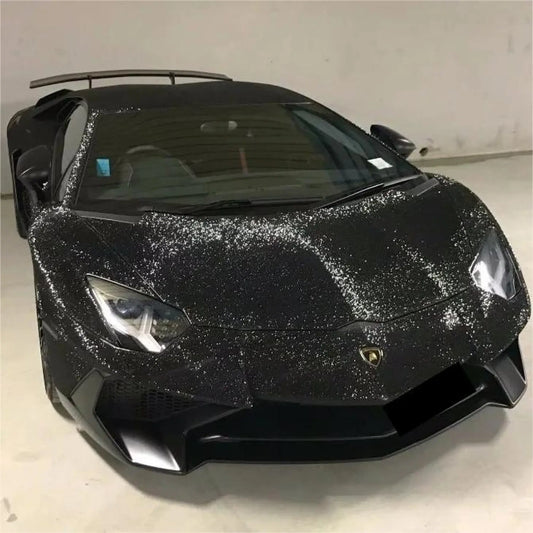
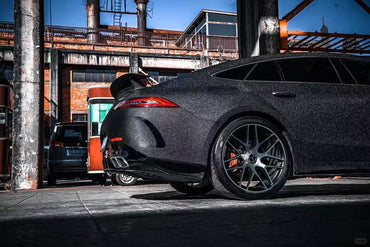
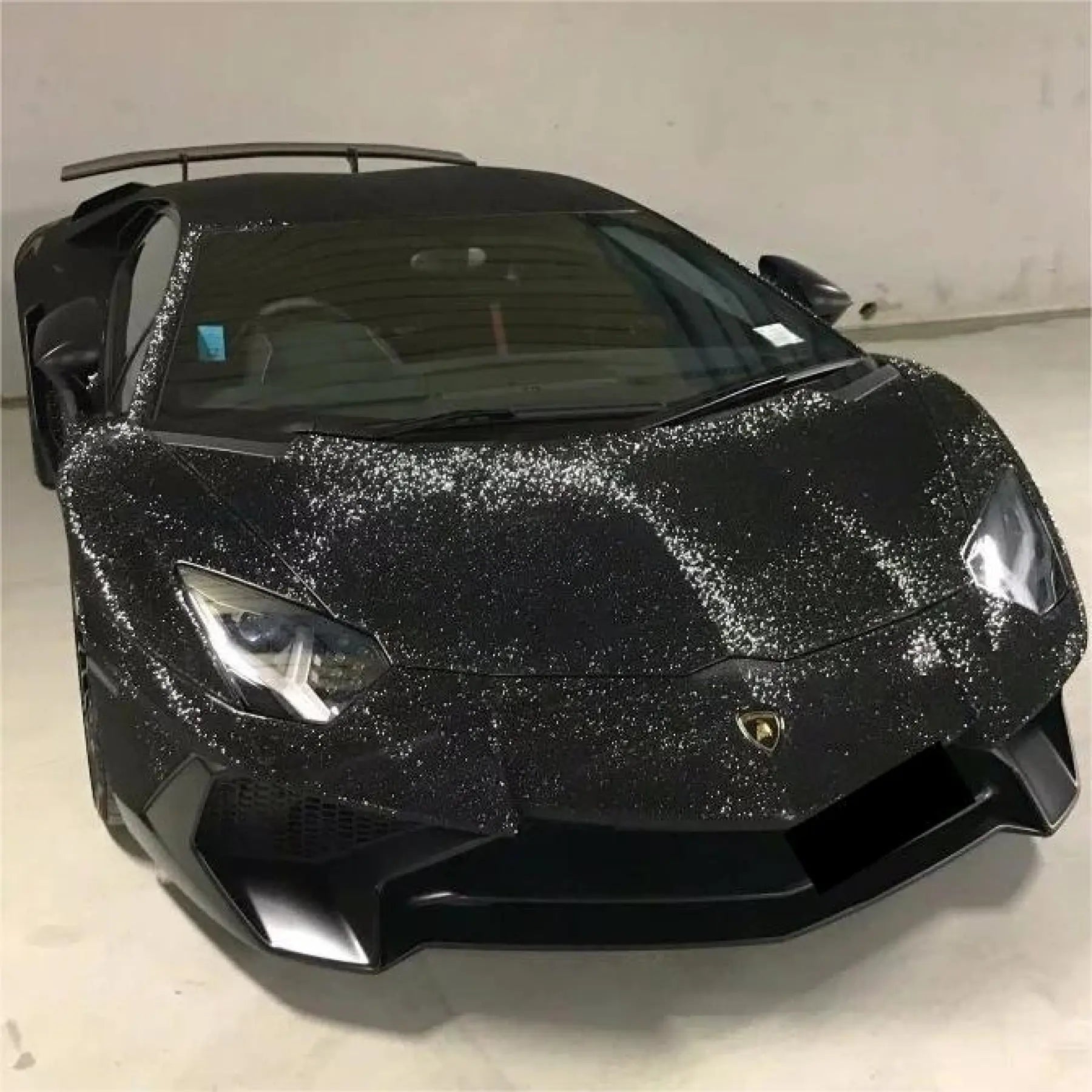
Vinyl wraps are sometimes confused with paint protection film, but the two materials serve different jobs. Decorative cast vinyl from collections like the Ultra Matte Series, Metallic Series, Liquid Series, Crystal Series, Rainbow Laser Series, Dual Color Dream Series, 3D Carbon Fiber Wrap, and Glitter Sparkle Wrap deliver dramatic visual transformations that PPF cannot replicate. They also provide light surface protection against minor scuffs and washing-related marks.
However, only TPU paint protection film offers true rock-chip absorption, self-healing, and full chemical resistance against the eight hazards above. Many high-end builds combine both: PPF on the impact zones (front bumper, hood leading edge, fenders, rockers) and decorative vinyl on the visual statement panels. The all-in-one option, of course, is colored PPF — covered in the next section.
Colored PPF: Style and Defense in One Layer
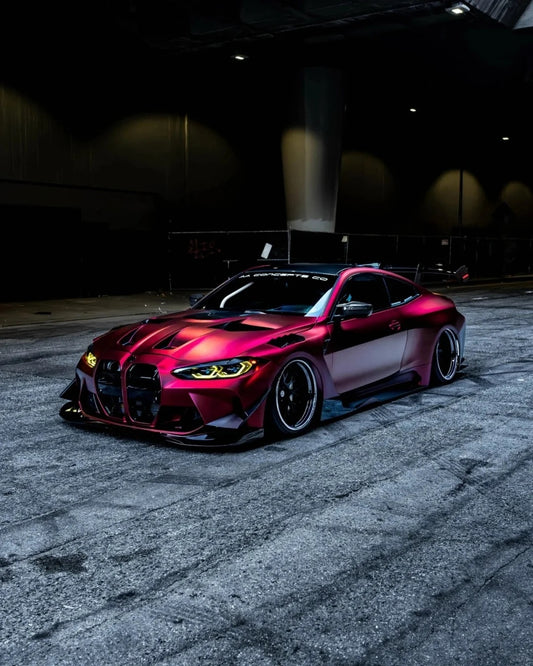
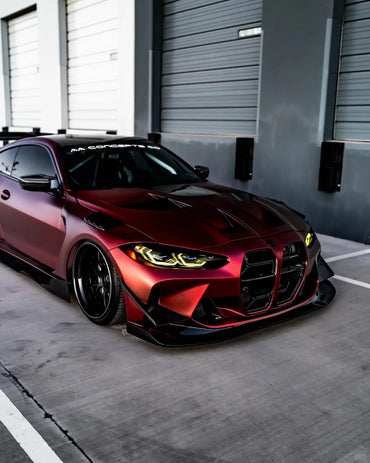
For drivers who refuse to choose between paint protection and a custom color, the Colored Paint Protection Film collection integrates pigments directly into the TPU layers. The film changes the vehicle’s appearance with finishes like Crystal Sky Blue, Ferrari Red, Arctic Grey, Light Pink, and Piano Black, while delivering the same impact absorption, UV resistance, and self-healing capability as clear PPF. This is the premium tier of automotive protection — the only single material that defends against rock chips and refreshes the color of the car at the same time.
Before You Commit to a Full Install
Paint protection is a multi-year investment. Two pre-purchase steps almost always save money in the long run:
-
Order a sample first. Our Sample Kits let you handle the actual film, judge color accuracy in natural light, and test removability before committing to a full roll.
-
Plan your zones. Front-end coverage (bumper, hood, fenders, mirrors, headlights) is the standard starting point. Many drivers expand from there to rockers, rear arches, and finally full vehicle. Our DIY Installation Guide walks through prep, application, and post-heat sealing in detail.
Road Hazard Protection FAQ
How long does TPU paint protection film last?
Premium TPU films like the Sailifilm range typically deliver five to ten years of active protection under normal driving conditions. Self-healing performance, hydrophobic behavior, and UV resistance remain stable for that full window when the film is properly installed and maintained.
Is 7.5mil or 8.5mil PPF better?
7.5mil suits full-body coverage on daily drivers — easier to install, more economical, and more than capable against most road hazards. 8.5mil is the right choice for high-impact zones (front bumper, hood leading edge, rocker panels) and for performance or luxury vehicles that justify maximum protection.
Will PPF protect against deep scratches and accidents?
PPF is engineered for everyday hazards: rock chips, light scratches, swirl marks, chemical etching, and impact from gravel-sized debris. It will not prevent damage from collisions, deep keying, or large objects striking the body at speed.
Can I install paint protection film myself?
DIY installation is possible for small zones — bumper, mirror caps, rocker accents — using the right tools and patience. Full-vehicle TPU coverage is significantly more demanding than vinyl wrapping because the material is thicker, less stretchy, and demands precise edge handling. For complete builds, professional installation is generally recommended.
Stop Damage Before It Starts
Paint correction is expensive. Repainting a single panel runs into the thousands. Preventing damage with a single layer of TPU film is exponentially cheaper than fixing the consequences of ignoring it. Whether you commute through gravel-strewn highways, park beneath sap-dripping trees, or drive a black sports car through July sunlight, the eight hazards above are working against your factory finish every single day.
Browse the full TPU Paint Protection Wrap collection, explore Colored PPF options, or check what is currently moving fastest in our best-selling vinyl wraps and broader car vinyl wrap range. Installers and shops can request wholesale pricing through the Sailifilm dealer program.
Need a personalized recommendation? Reach out through our contact page with your vehicle details and typical driving conditions, and our team will map a protection plan to match.

