



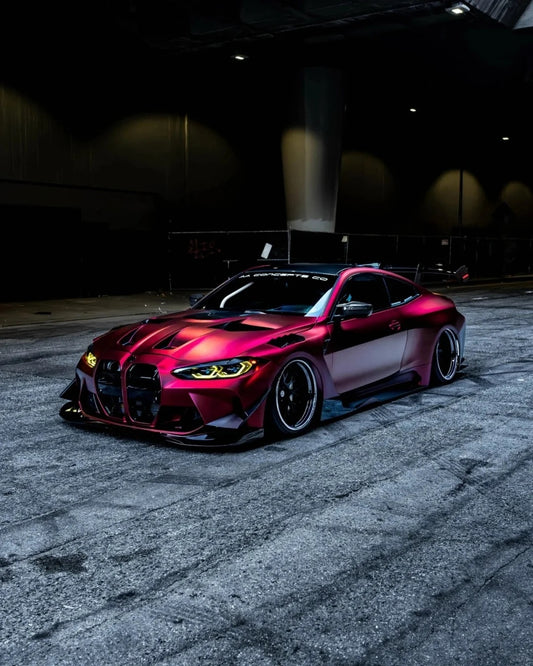
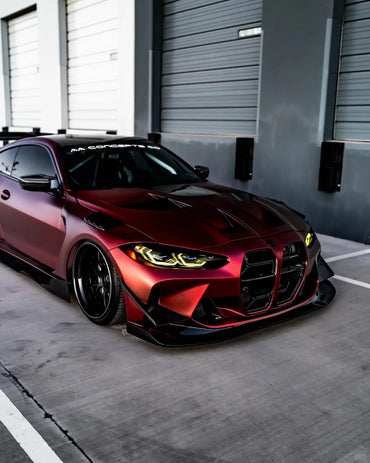
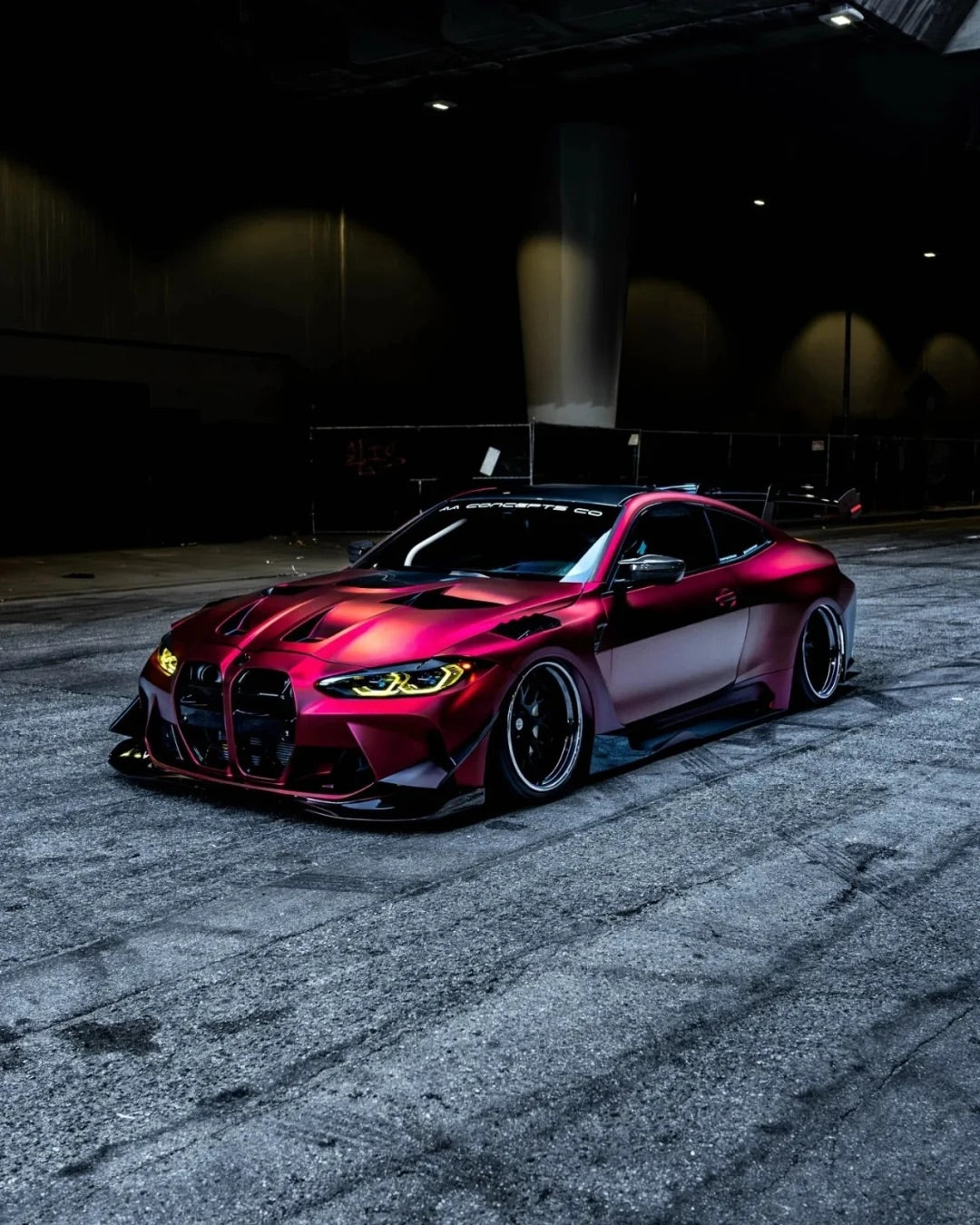
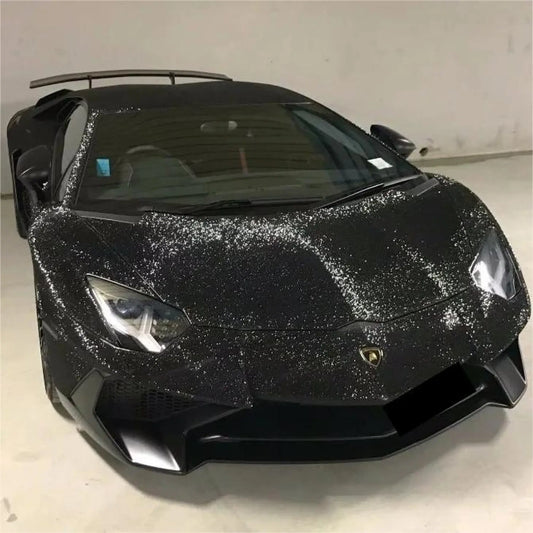
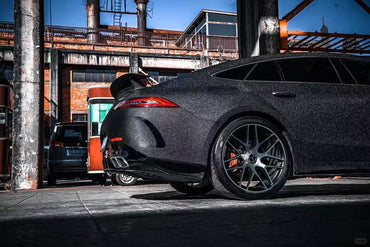
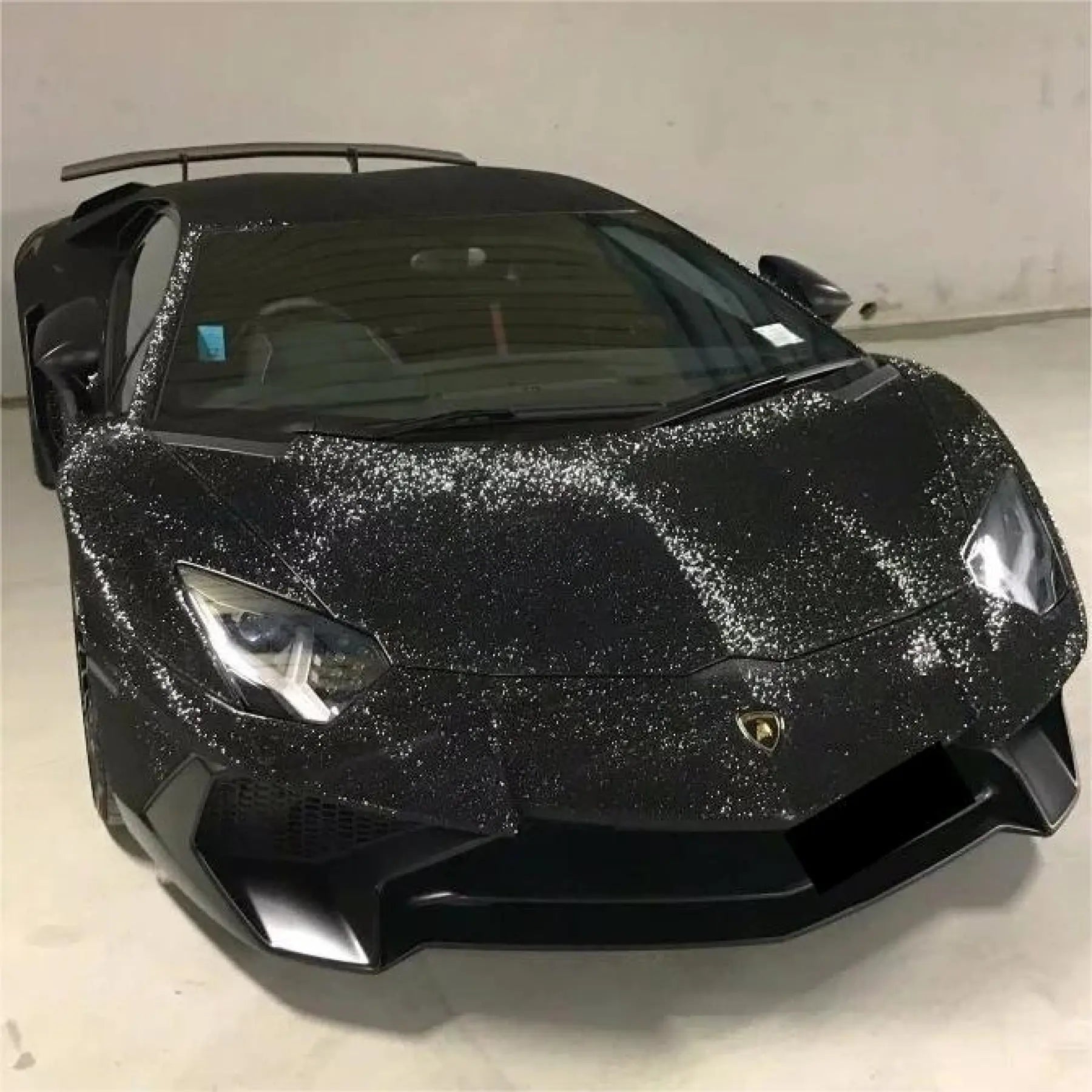
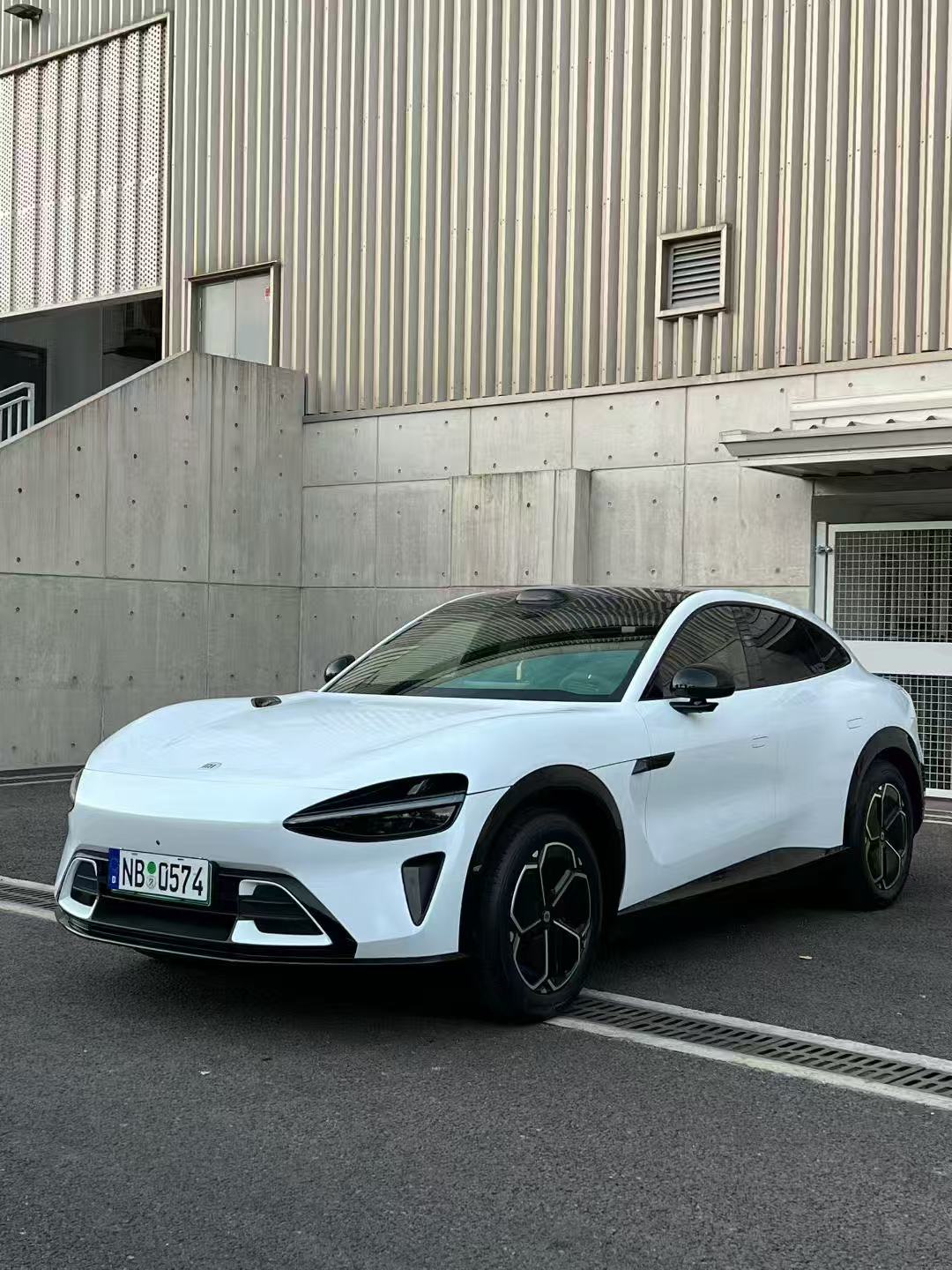


Two car wraps can look identical on the showroom floor and behave like completely different products three winters later. One still hugs every body line with mirror-clean edges. The other has crept back from the door handles, dulled across the roof, and developed a faint tide line where the sun hit hardest. The colour swatch never explained that gap. The way the film was built did.
Most buyers compare wraps by shade, finish, and price. Those matter, but they sit on top of a deeper variable: film construction. Whether a vinyl is cast or calendered is decided long before any pigment is added, and that single manufacturing choice quietly sets the ceiling on how long your wrap will survive real roads, real heat, and real UV. Understanding it is the difference between a finish that ages gracefully and one that fails early.
Same Resin, Two Completely Different Births
Cast and calendered vinyl both begin life as polyvinyl chloride, the same base polymer family used across the wider vinyl industry. From there, their stories split.
Cast film starts as a liquid. A precisely measured blend of PVC, plasticisers, and pigments is poured onto a moving casting sheet and gently cured. Because the film forms while lying flat and relaxed, it carries almost no internal tension. It dries into the shape it wants to keep. That relaxed structure is the secret behind cast vinyl's signature behaviour: it conforms tightly to curves and, crucially, it stays there without fighting to shrink back.
Calendered film is squeezed into existence. A thick, dough-like PVC mass is forced between a series of heated rollers that press and stretch it down to thickness, much like rolling pasta sheets thinner and thinner. The process is faster and cheaper, but it leaves the material under permanent stress. The polymer chains are forced into alignment, and they "remember" the flat sheet they came from. Heat them up on a sunny bonnet and they try to return to that original state—which is exactly when edges lift and panels pull.
This is the heart of the matter. Construction is not a detail printed on the spec sheet; it is the destiny of the wrap.
How Construction Translates Into Lifespan
The manufacturing difference shows up in four areas that decide how many years you actually get.
Dimensional stability. Cast film's low internal stress means it resists the shrink-back that plagues stretched material. A relaxed film stays bonded; a tensioned film slowly works itself loose. Over five to seven years of thermal cycling, that distinction is everything.
UV resistance. Premium cast films are engineered with UV-stable chemistry from the outset, so colour shift, fading, and surface chalking are held off far longer. This is why our colour-changing lines are designed to keep their depth through repeated sun exposure rather than greying out after a single hot summer.
Conformability. Thinner cast film (typically in the 2.5–3.5 mil range) follows recesses, rivets, and tight contours without creating tension points that later become failure points. A wrap that sits flush has nothing for dirt or weather to attack.
Adhesive matching. Quality cast adhesives are formulated to hold for the film's full rated life and then release cleanly. That clean removal protects your factory paint and your resale value—a point worth reading alongside our guide on car wrap warranty coverage.
Where Sailifilm Sits: Engineered PET Construction
Here is where the conversation gets practical. Across the Sailifilm range, our colour wraps are built on a PET (polyethylene terephthalate) base layer rather than the economy approach. PET brings dimensional stiffness and heat tolerance that ordinary calendered stock cannot match, giving the finish a stable, premium-grade backbone. That construction choice is precisely what lets our films deliver the conformability of a high-end wrap with the colour stability your investment deserves.
You can see this engineering expressed differently across each series:
The Ultra Matte Series relies on a flawless, stress-free surface—any shrink-back or lifting would betray a matte finish instantly, so construction quality is non-negotiable here. The Metallic Series and the deep, shifting tones of the Liquid Series depend on stable pigment layers that resist the fading a stretched, UV-unstable film would suffer. The Crystal Series and the colour-travel effects in the Rainbow Laser Series and Dual Color Dream Series showcase optical effects that only survive long-term on a film that holds its shape and clarity.
For the most demanding contours, the 3D Carbon Fiber Wrap collection makes the case visually: a textured, three-dimensional finish has to follow every curve without lifting at the edges. That is a job calendered economy film simply cannot do well, and it is exactly the scenario that separates real construction quality from a cheap roll.
Thickness Isn't the Whole Story
A common myth says thicker vinyl lasts longer. It doesn't—not on its own. A thick, stretched calendered film can fail faster than a thinner, relaxed cast film, because the stress baked into it matters more than the raw millimetres. What you want is the right thickness paired with the right construction: enough body to handle confidently, low enough internal tension to stay put for years. That balance is what our PET-based films are tuned to deliver.
Protecting Paint Is a Different Job: PPF
It's worth drawing a clear line here. Colour-change wraps are styling films. If your priority is shielding your paint from stone chips and abrasion rather than changing its colour, that calls for a different construction entirely—TPU-based paint protection film. Our Colored Paint Protection Film and the broader TPU Paint Protection Wrap range use a self-healing thermoplastic polyurethane built specifically to absorb impact. Same goal of "make the car look better, longer," achieved through a completely different material science. A future deep-dive on PPF vs vinyl wrap will unpack exactly when to choose which.
Construction Sets the Ceiling—Care Decides the Rest
No film, however well built, ages well if it's neglected. Construction sets the maximum lifespan; how you treat the wrap determines how close you get to it. Hand washing with mild soap, avoiding abrasive towels, keeping the vehicle out of relentless direct sun where possible, and addressing contaminants quickly all extend the years you get. For the full routine, our Car Film Maintenance Guide walks through it step by step, and a wider perspective on the topic lives in our realistic guide to vinyl wrap lifespan.
The Takeaway
When you shop for a wrap, you are not just choosing a colour. You are choosing a construction—and that choice decides whether your finish looks immaculate at year six or tired at year two. Cast-quality, PET-engineered film resists shrink-back, holds its colour against UV, and conforms without tension. That is the build standard behind every Sailifilm series, from Ultra Matte to Liquid to 3D Carbon Fiber.
Ready to choose a finish that's built to last? Explore the full Sailifilm car wrap collection and start with a sample kit to feel the construction difference for yourself before you commit.

