

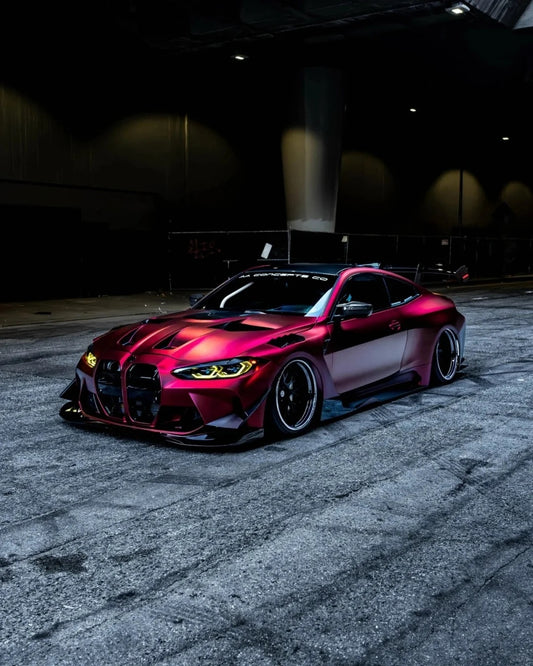
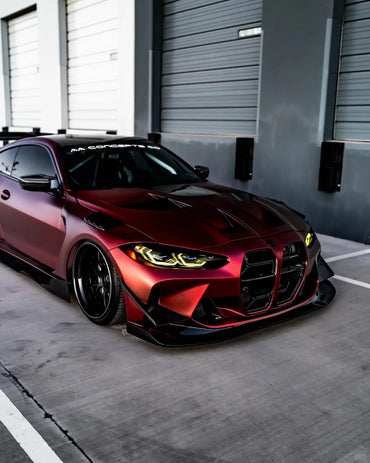
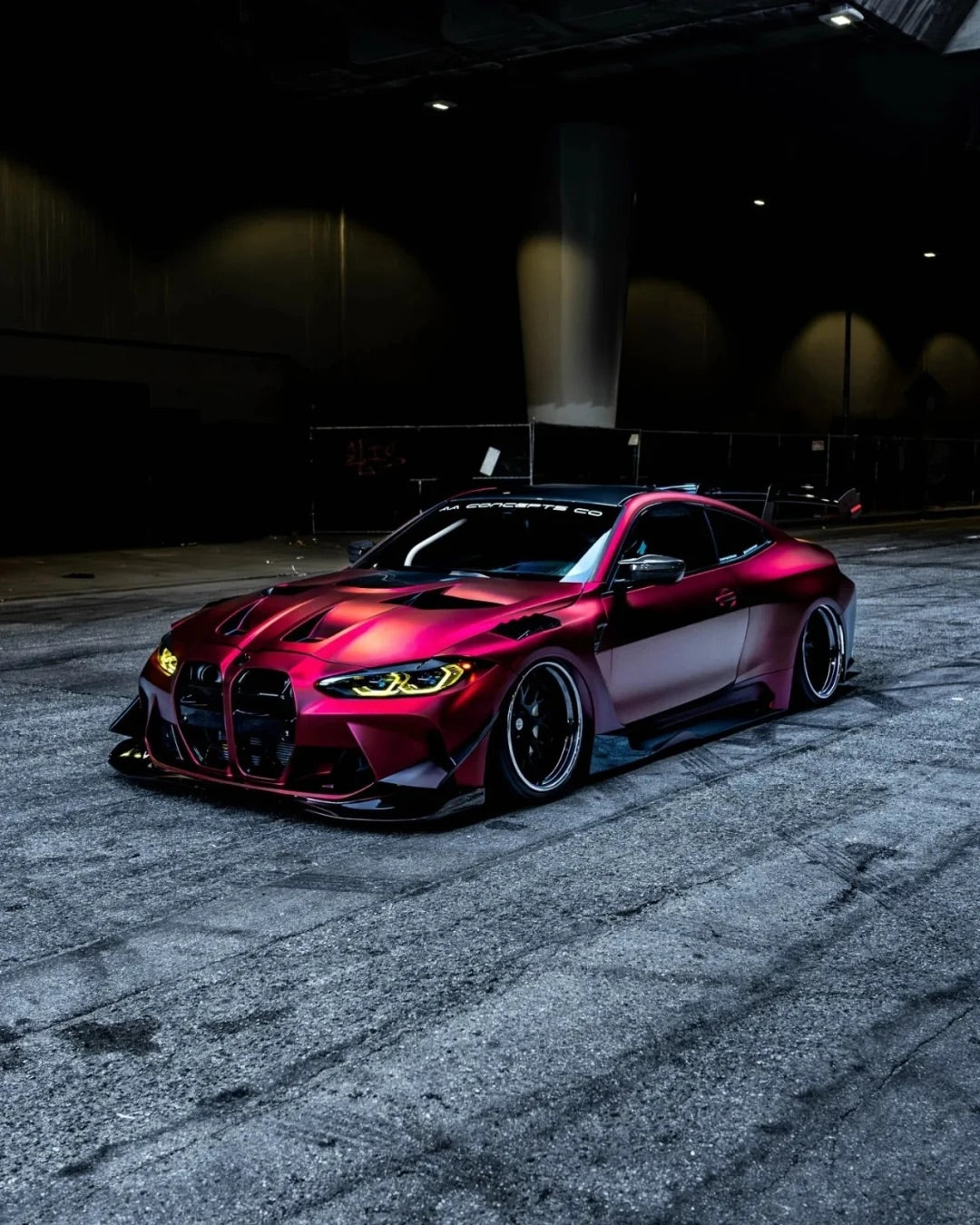


Why Color Changing PPF Is Dominating 2026
The shift toward colored PPF is not accidental. Several converging forces have pushed this technology to the forefront of vehicle customization. First, vehicle owners increasingly view their cars as long-term assets. Protecting original factory paint directly impacts resale value, and colored paint protection film preserves that original finish underneath while delivering an entirely new exterior appearance. When the owner is ready to sell or change colors again, the film peels away cleanly to reveal untouched paint beneath.
Second, the traditional approach of installing a decorative vinyl wrap for color change and then layering clear PPF on top for protection required two separate products, two installations, and created overlapping edges prone to lifting. Colored TPU film eliminates that complexity entirely. One film, one installation, one set of clean edges. According to industry analysis from the Society of Automotive Engineers, the consolidation of protection and aesthetics into single-layer film solutions represents a fundamental evolution in how aftermarket vehicle modifications are engineered and delivered.
Third, social media and content creation have transformed car culture. Vehicles wrapped in color-shifting, iridescent, and chameleon films generate dramatically more engagement than static single-tone finishes. The visual dynamism of these films makes them inherently photogenic and video-friendly, which has accelerated adoption among enthusiasts, influencers, and show car builders.
How Colored Paint Protection Film Works
Colored PPF integrates pigments directly into the TPU substrate layers rather than applying color as a separate surface treatment. This construction means the color is structurally embedded within the same thermoplastic polyurethane material that provides impact absorption, self-healing capability, and UV filtering. Sailifilm’s colored paint protection film collection features premium options including Crystal Sky Blue, Ferrari Red, Blood Red, Arctic Grey, Light Pink, Crystal Orange, and Piano Black. Each variant delivers the full self-healing performance and rock chip resistance of clear TPU paint protection wrap while completely transforming vehicle appearance.
The self-healing mechanism operates identically to clear PPF. When light scratches or swirl marks appear on the film surface, exposure to heat from direct sunlight or warm water above approximately 140°F causes the TPU polymer chains to relax and flow back into their original smooth configuration. The scratch gradually disappears without any manual polishing or intervention. This capability is a defining advantage over conventional vinyl wraps, which remain permanently marked once the surface is damaged. For a deeper understanding of how polymers respond to thermal activation, the polymer science overview on Wikipedia explains the molecular principles behind this technology.
Colored PPF also incorporates hydrophobic topcoat technology. Water, dirt, and environmental contaminants bead up and slide off the surface, reducing the frequency and effort required for routine washing. Combined with anti-yellowing UV inhibitors, these films maintain color accuracy and surface clarity for seven to ten years with proper care, which significantly outlasts the three to five year typical lifespan of standard PVC vinyl wraps.
The Biggest Color Changing Trends in 2026
Iridescent and Holographic Finishes
Iridescent and holographic wraps have exploded in popularity because they produce a color experience that static paint cannot replicate. The Rainbow Laser vinyl wrap series features holographic technology with precisely engineered micro-embossed patterns that diffract light into spectacular prismatic displays. Every shift in viewing angle or change in ambient lighting produces a new combination of colors across the vehicle surface. Galaxy Chameleon Diamond variants showcase deep metallic bases with explosive bursts of color, while Pearlescent Sparkle Glitter options add dimensional depth with micro-reflective particles. Colors like Laser Light Pink, Laser Silver, and Laser Black create futuristic appearances that perform exceptionally well at car shows and evening events where artificial lighting triggers dramatic color transitions.
Dual-Tone Color Shifting Films
Where holographic wraps produce a broad spectrum of color movement, dual-tone color shifting films focus the effect into a clean transition between two distinct hues. The Dual Color Dream vinyl wrap collection uses chameleon technology that presents one color from the front viewing angle and a completely different color from the side. This creates a dramatic, intentional two-tone effect that appears especially striking on vehicles with large, flowing body panels like SUVs, luxury sedans, and performance coupes. Available combinations include Green-Blue, Gold-Grey, and Purple-Pink metallics. On broad surfaces like hoods, doors, and quarter panels, the dual-color shift produces a cinematic quality that photographs and films in ways that appear almost digitally enhanced while requiring zero post-processing.
Satin and Matte Metallic Finishes
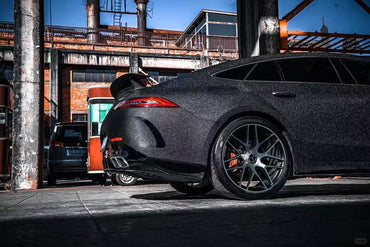
The stealth aesthetic continues to dominate in 2026, but it has evolved beyond flat black into sophisticated matte and satin metallic territory. The ultra matte wrap series delivers flat, non-reflective finishes that absorb and scatter light, emphasizing the physical contours and body lines of the vehicle. When metallic particles are integrated into a matte base, the result is a finish that appears subdued at a distance but reveals shimmering depth at close range. Satin finishes bridge the gap between matte and gloss, providing a soft luster that serves as the perfect canvas for color-shifting technology. As reported by Car and Driver, matte metallic wraps have grown from a performance car niche into one of the most requested finishes across all vehicle categories in the current model year.
Liquid Chrome and Mirror Metallics
At the opposite end of the spectrum from matte, liquid chrome wrap delivers a mirror-like metallic surface that rivals actual chrome plating at a fraction of the weight and cost. Liquid Gloss Metallic finishes in Silver, Cherry Red, British Racing Green, and Passion Pink offer stunning visual impact with extreme depth. These wraps are the definitive choice for show cars, content creators, and owners who want maximum visual drama. The mirror surface creates reflection patterns that shift constantly as the vehicle moves, giving the car a liquid metal appearance that static paint cannot achieve.
Crystal Deep Lacquer and Jewel Tones
The crystal vinyl wrap collection represents the premium end of gloss finishes, delivering a translucent, multi-layered depth that resembles a deep lacquer paint job typically reserved for six-figure factory options. Crystal wraps work exceptionally well on dark base colors where their reflective particle structure adds dimension rather than just shine. Options like Deep Blue, Lava Orange, Battle Green, and Hell Green provide jewel-toned saturation with exceptional clarity. This trend toward rich, saturated colors with visible depth reflects a broader shift in automotive aesthetics away from flat solid colors and toward finishes that reward close inspection.
Glitter and Sparkle Effects
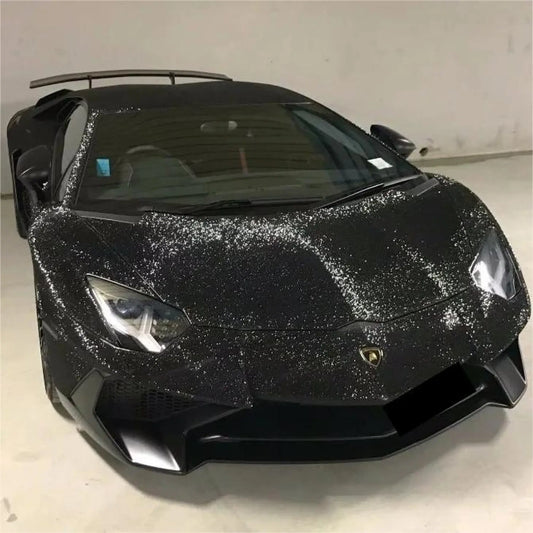
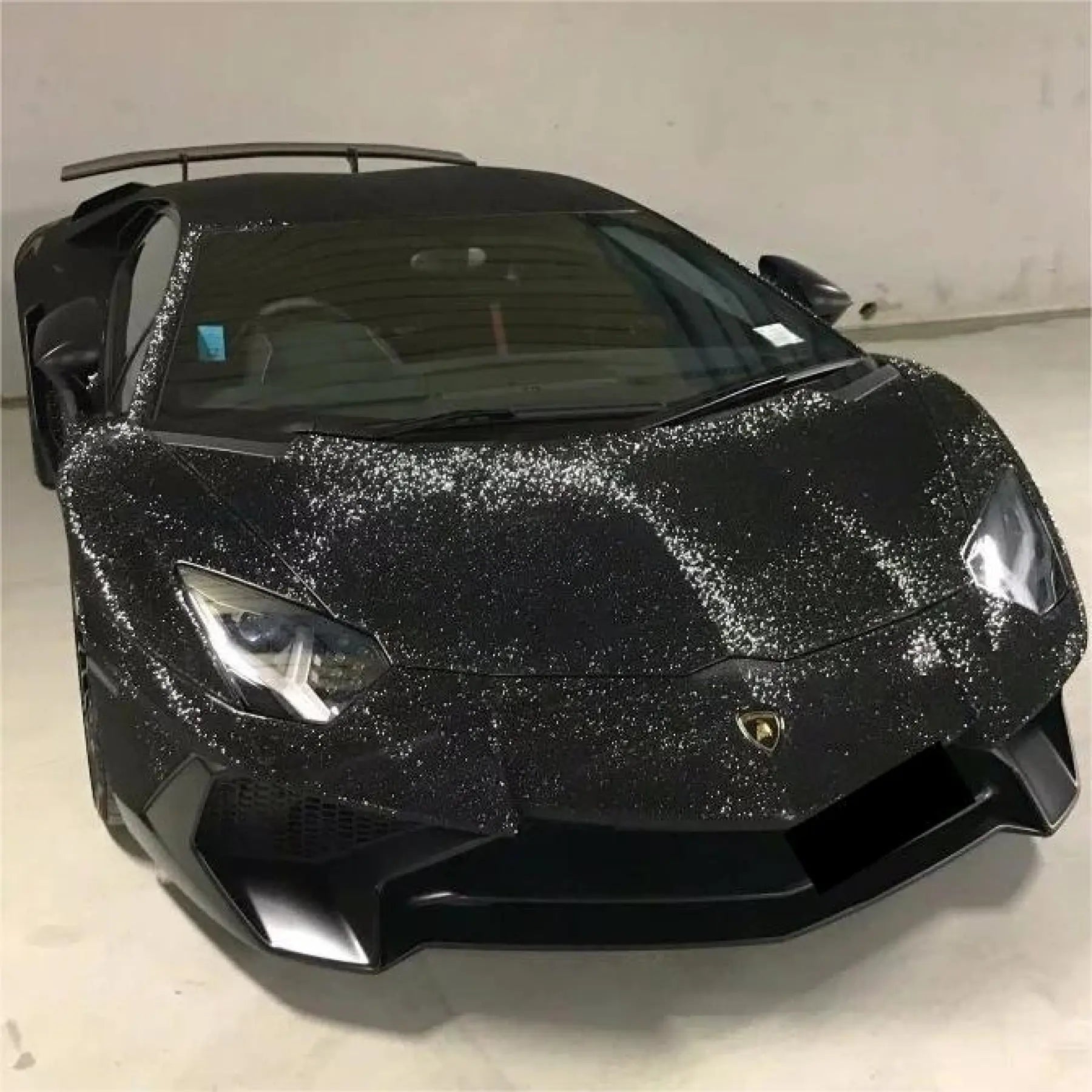
Particle-infused films continue to gain ground as a statement finish. The glitter sparkle car wrap collection embeds heavy sparkling elements into a high-gloss base, creating surfaces that catch and scatter light in thousands of individual points. Diamond Glitter Black and Pearlescent Sparkle Glitter White are among the most popular options, delivering finishes that command attention at every car meet, parking lot, and social media post. This category is especially popular among owners who prioritize personal expression and want their vehicle to be immediately recognizable.
Colored PPF vs Vinyl Wrap vs Repaint: How They Compare
|
Feature |
Colored PPF |
Vinyl Wrap |
Factory Repaint |
|
Color Change |
Yes |
Yes |
Yes |
|
Self-Healing |
Yes (TPU) |
No |
No |
|
Rock Chip Defense |
Strong |
Minimal |
None |
|
Reversible |
Yes |
Yes |
No |
|
Typical Lifespan |
7–10 years |
3–5 years |
Permanent |
|
Preserves Resale Value |
Yes |
Partially |
Often reduces |
|
Installation Layers |
Single film |
Single film |
Multi-stage process |
This comparison highlights the core reason colored PPF is gaining market share so rapidly. It consolidates the color transformation capability of vinyl wraps with the physical defense properties of clear TPU paint protection into a single product. For leased vehicles, this advantage is particularly significant because the film can be removed at lease end without triggering penalties, and the factory paint underneath remains in its original condition. According to Consumer Reports automotive coverage, maintaining original factory paint is one of the most effective strategies for preserving long-term vehicle value.
Combining Color Changing Films with Clear PPF
One of the most effective modification strategies in 2026 combines decorative color-shifting vinyl wraps on display panels with transparent TPU protection on high-impact zones. This layered approach allows owners to apply a rainbow laser vinyl wrap or dual color dream finish to side panels, the roof, and the rear where visual impact matters most, while using TPU paint protection wrap on the front bumper, hood, fenders, and rocker panels where road debris bombardment is heaviest. This combination delivers both maximum aesthetic impact and maximum physical defense without compromise.
The full car vinyl wrap collection spans every finish category, from metallic vinyl wrap for luxurious shimmer to 3D carbon fiber wrap for aggressive motorsport-inspired accents. Pairing any of these with clear or colored PPF on vulnerable panels creates a vehicle that looks custom-built while being genuinely protected against the hazards of daily driving.
How to Choose the Right Color Changing Film for Your Vehicle
Selecting the right color changing film depends on your priorities, vehicle type, and how you plan to use the car. If paint protection is your primary concern and you also want a color transformation, colored paint protection film delivers the strongest combination of defense and aesthetics. If maximum visual drama is the goal for a show car or content creation vehicle, holographic and chameleon vinyl wraps from the Rainbow Laser or Dual Color Dream series produce the most dynamic effects.
Body shape matters significantly when choosing color-shifting films. Larger, flatter panels on SUVs and trucks amplify the color transition effect because the viewing angle changes more gradually across a wider surface. Tight, complex curves on sports cars can fragment color shifts into smaller zones, which sometimes reduces the intended visual flow. For vehicles with intricate bodywork, crystal or metallic finishes often deliver a more cohesive result than aggressive color-shift films.
Before committing to a full vehicle project, evaluate the film in person. Sailifilm offers sample kits that let you test color, texture, and handling characteristics on a small panel under your own lighting conditions. Paired with professional wrapping tools, a sample evaluation confirms whether the color and finish match your vision before you order full rolls. The paint protection film article on Wikipedia also provides useful background on how PPF evolved from military helicopter blade protection to the advanced colored automotive films available today.
Maintaining Color Changing PPF and Vinyl Wraps
Proper maintenance extends the service life and visual quality of any automotive film. For colored PPF, wash the vehicle regularly with pH-neutral automotive soap and soft microfiber towels. Avoid petroleum-based solvents, acetone, and abrasive compounds that can damage the self-healing topcoat. Remove bird droppings, tree sap, and insect residue promptly to prevent potential staining or etching on the film surface.
For vinyl wraps without self-healing properties, careful hand washing is especially important because surface scratches are permanent. Avoid automated brush car washes entirely, as the contact can create micro-scratches that accumulate over time. Applying a spray-on ceramic booster over wrapped surfaces adds a temporary hydrophobic layer that simplifies routine cleaning. For comprehensive film care guidance, automotive maintenance resources from Hagerty provide reliable advice for preserving both wrapped and protected vehicles.
What Comes Next for Color Changing Automotive Films
The colored TPU segment is projected to become the dominant category in the automotive film market by the early 2030s, potentially surpassing the combined market size of traditional vinyl wraps and clear PPF. Manufacturers are expanding color libraries rapidly, moving beyond solid tones into metallic, satin, matte, and even textured colored PPF options. Advances in pigment integration and topcoat engineering are narrowing the performance gap between colored and clear TPU films, meaning that choosing a color no longer requires any sacrifice in protective capability.
For vehicle owners in 2026, the direction is clear. Color changing automotive film technology has reached a level of maturity, color variety, and protective performance that makes it a compelling alternative to both factory repainting and the traditional vinyl-plus-clear-PPF combination. Whether you choose a colored paint protection film for integrated protection and style or a decorative vinyl from the full car vinyl wrap catalog for maximum visual impact, investing in premium automotive film remains one of the smartest customization decisions available. Explore Best Sellers to see which films are proving most popular among thousands of installations worldwide.

