





Standard Wrap Lifespan Expectations
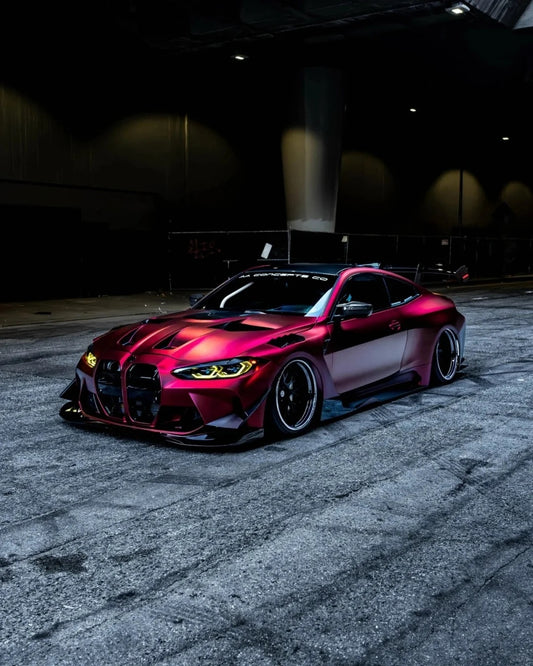
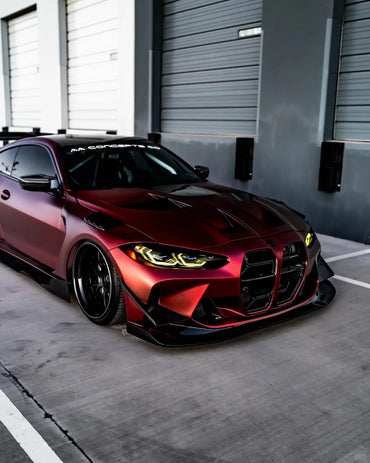
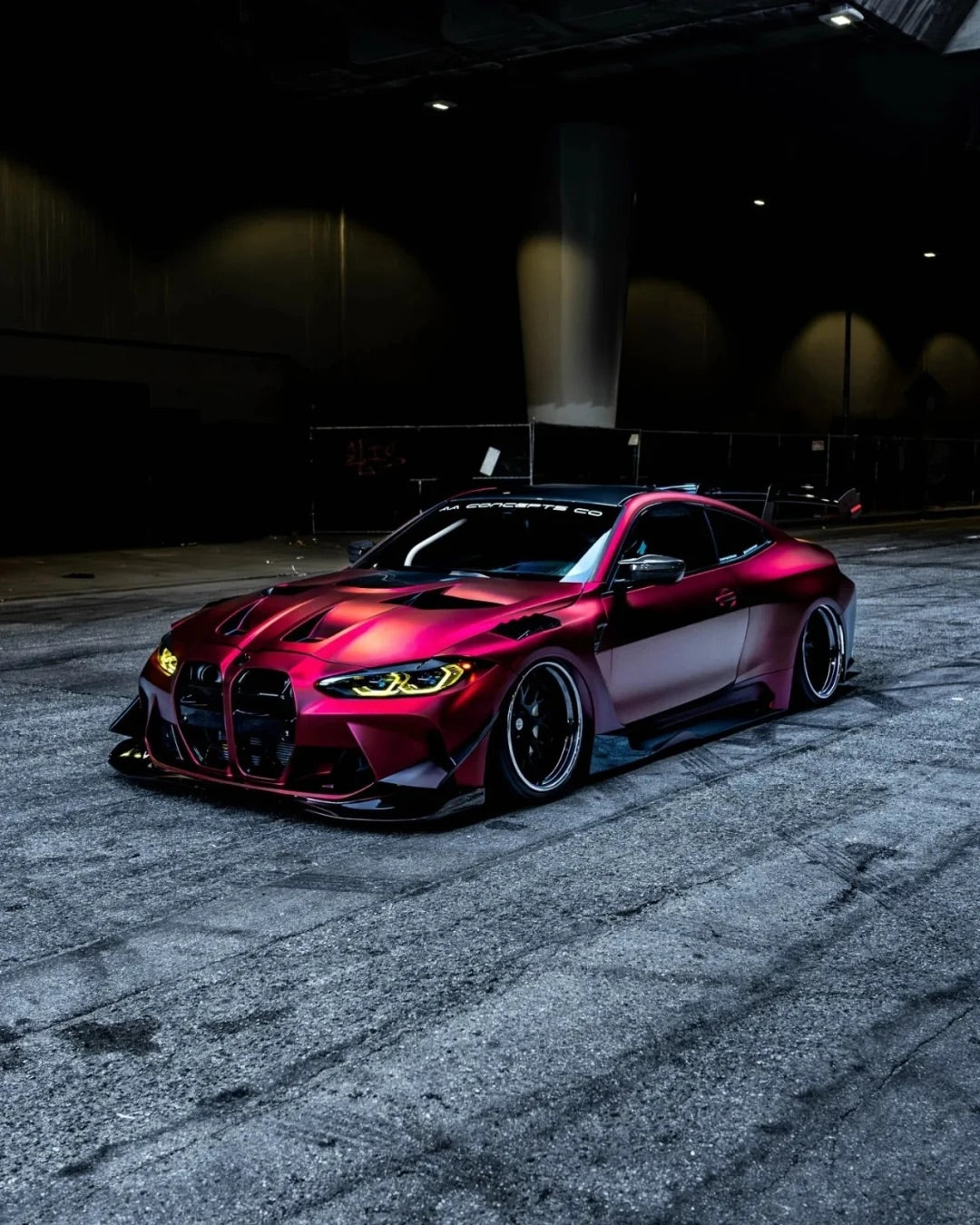
High-quality vehicle vinyl wraps typically last between five to seven years under normal conditions with proper care. Premium materials from reputable manufacturers offer superior durability compared to budget alternatives, with some lasting up to ten years when maintained correctly. However, these lifespan estimates assume moderate climate conditions and regular maintenance routines.
Winter driving introduces variables that can significantly impact these projections. Road salt exposure, freezing temperatures, ice removal activities, and reduced maintenance frequency during cold months all contribute to accelerated wear. Vehicles in harsh winter climates may see wrap lifespans shortened to three to five years without appropriate protective measures and maintenance adjustments.
The good news is that modern wrap technology has evolved substantially, with premium materials engineered specifically for temperature extremes. Quality Car Vinyl Wrap products maintain flexibility and adhesion across a wide temperature range, allowing wrapped vehicles to thrive even in challenging winter environments.
How Winter Affects Vinyl Wrap Materials
Understanding the specific ways winter conditions impact wrap materials helps vehicle owners take protective action. Several distinct factors work individually and together to stress vinyl wraps during cold months.
Temperature Effects on Vinyl
Cold temperatures cause vinyl materials to contract and become less flexible. Standard vinyl wraps maintain good performance down to around 40 degrees Fahrenheit, but flexibility decreases noticeably below freezing. Extreme cold below zero degrees Fahrenheit can make vinyl brittle and susceptible to cracking, particularly in areas that experience repeated stress during normal vehicle operation.
Premium vinyl formulations contain plasticizers that maintain flexibility at lower temperatures than budget materials. High-quality wraps can withstand temperatures as low as minus forty degrees Fahrenheit without significant damage when properly installed. Investing in quality materials pays dividends for cold climate vehicle owners.
The freeze-thaw cycle presents particular challenges as temperatures fluctuate around the freezing point. Repeated expansion and contraction stress adhesive bonds and can cause edge lifting over time. Vehicles that experience daily temperature cycling between frozen outdoor parking and heated garages face increased stress compared to those maintained at more consistent temperatures.
Road Salt and Chemical Exposure
Road salt represents one of the most damaging elements wrapped vehicles encounter during winter. Salt attracts and holds moisture against vinyl surfaces, creating prolonged dampness that accelerates degradation. The crystalline structure of salt can create micro-abrasions when brushed across wrap surfaces during washing or snow removal.
Modern de-icing chemicals extend beyond traditional sodium chloride to include calcium chloride, magnesium chloride, and various proprietary blends. These chemicals vary in their effects on vinyl materials, with some proving more aggressive than others. All should be removed promptly through regular washing to minimize damage potential.
Salt exposure particularly threatens wrap edges and seams where moisture can penetrate beneath the vinyl. Once salt-laden moisture works under wrap edges, it accelerates adhesive breakdown and promotes lifting that spreads if not addressed promptly.
Physical Damage Risks
Winter increases physical damage risks to wrap surfaces. Snow removal using improper tools can scratch or tear vinyl. Ice scrapers designed for glass can cut through wrap material if accidentally applied to body panels. Even soft snow brushes can cause damage if used aggressively on frozen wrap surfaces that have become brittle.
Road debris kicked up by winter driving poses increased threat as gravel and sand spread for traction become projectiles. Slush and ice chunks from other vehicles can impact wrap surfaces with surprising force. Potholes hidden beneath snow and ice subject vehicles to impacts that stress wrap adhesion.
Material Types and Winter Performance
Different wrap materials perform distinctly under winter conditions. Understanding these differences helps vehicle owners select appropriate products for their climate and usage patterns.
Standard Vinyl Wrap Performance
Traditional PVC-based vinyl wraps offer the widest color and finish selection at accessible price points. These materials perform adequately in moderate winter conditions with proper care but face limitations in extreme cold climates. Standard vinyl may become brittle below zero degrees Fahrenheit and shows greater susceptibility to road salt damage compared to premium alternatives.
Gloss finishes like Crystal Vinyl Wrap and Liquid Chrome Wrap tend to show winter wear more visibly than matte alternatives. Scratches, swirl marks, and dulling from salt exposure become apparent on reflective surfaces. However, gloss finishes also clean more easily than textured alternatives, simplifying winter maintenance routines.
Matte and satin finishes from the Ultra Matte Wrap collection hide minor imperfections better than gloss options. Their non-reflective surfaces disguise light scratches and swirl marks that would be obvious on gloss wraps. However, matte finishes require specialized care products and techniques that some owners find challenging during winter months.
TPU Paint Protection Performance
TPU Paint Protection Wrap represents the premium tier of vehicle protection film technology. Thermoplastic polyurethane materials offer superior winter performance compared to standard vinyl across multiple metrics.
TPU maintains flexibility at much lower temperatures than PVC-based vinyl. Quality TPU films remain workable and resilient down to minus fifty degrees Celsius, far beyond the range where standard vinyl becomes problematic. This flexibility prevents the cracking and brittleness issues that affect lesser materials in extreme cold.
Self-healing properties set TPU apart from traditional vinyl wraps. Minor scratches from winter debris heal automatically when exposed to heat, either from sunlight or warm water. This capability keeps protected surfaces looking pristine despite the inevitable minor impacts of winter driving.
Chemical resistance protects against road salt, de-icing chemicals, and other corrosive substances encountered during winter. TPU creates a superior barrier that prevents these aggressive chemicals from reaching the paint beneath. The Colored Paint Protection Film collection combines this protection with vibrant color options for vehicles requiring both aesthetics and defense.
Specialty Finishes in Winter
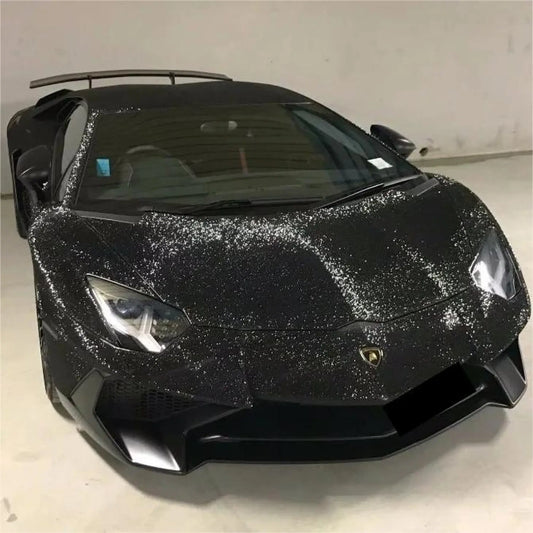
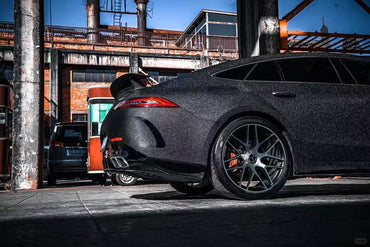
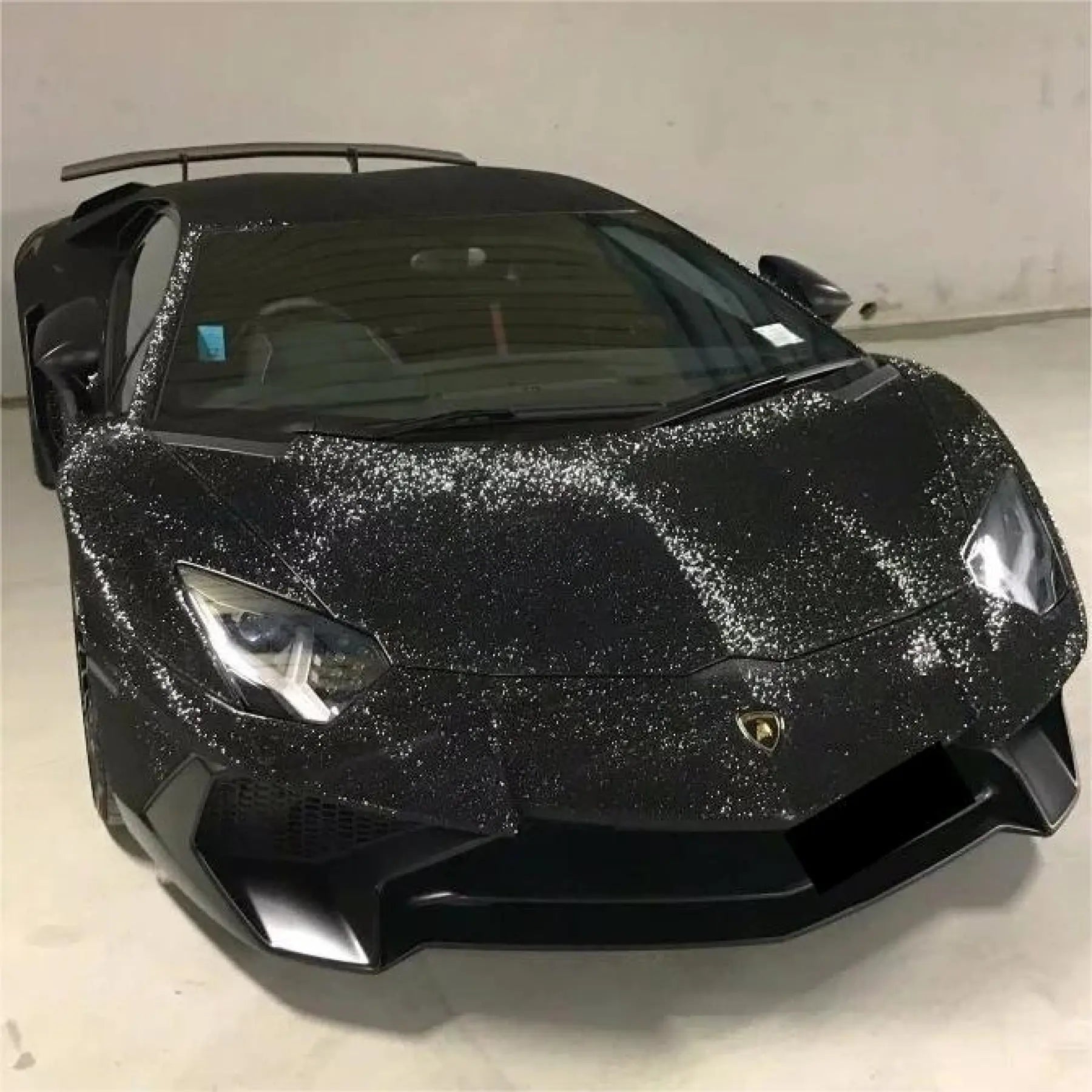
Specialty finishes like Rainbow Laser Vinyl Wrap and Glitter Sparkle Car Wrap contain embedded particles that create their distinctive visual effects. These finishes require careful handling during winter to protect the particles that generate their unique appearance.
Color-shifting wraps from the Dual Color Dream Vinyl Wrap collection perform well in winter when maintained properly. The color-shift effects actually benefit from the low-angle winter sun, creating impressive displays as light plays across the surface throughout short winter days.
Metallic Vinyl Wrap finishes contain metallic flakes that add sparkle and depth. These particles remain embedded in the vinyl matrix but can be affected by aggressive cleaning techniques. Winter maintenance for metallic wraps requires gentle approaches that clean effectively without damaging the metallic elements.
Extending Wrap Life in Winter Climates
Proactive maintenance and protective strategies significantly extend wrap lifespan despite winter challenges. Vehicle owners who implement these practices report wrap longevity matching or exceeding standard expectations even in harsh climates.
Regular Washing Schedule
Frequent washing during winter removes salt and chemicals before they can cause lasting damage. Aim for weekly washing during active salt season, with immediate washing after exposure to particularly heavy salt application on roads.
Hand washing proves safest for wrapped vehicles during winter. The two-bucket wash method prevents contamination while soft wash mitts and pH-neutral soap clean gently without stressing cold vinyl. Avoid automatic car washes with brushes that can scratch and lift wrap edges.
Water temperature matters during winter washing. Lukewarm water cleans effectively without thermal shock to cold vinyl. Hot water can cause rapid expansion that stresses adhesive bonds, while icy cold water makes washing less effective at dissolving salt deposits.
Protective Products Application
Vinyl-safe sealants and ceramic coatings create protective barriers against winter hazards. Apply these products before winter begins to establish protection before exposure to salt and chemicals. Reapply according to product instructions throughout the season.
Avoid traditional car waxes on wrapped vehicles. Many wax formulations contain ingredients that can damage vinyl or leave residue that yellows over time. Purpose-formulated vinyl sealants provide superior protection without these risks.
Edge sealers specifically designed for wrap edges provide additional protection at the most vulnerable points. These products reinforce adhesion and prevent moisture intrusion that leads to lifting.
Storage Considerations
Garage parking dramatically extends wrap life during winter. Protection from direct snow and ice accumulation eliminates removal damage risks. Stable temperatures prevent the thermal cycling that stresses adhesive bonds.
For vehicles without garage access, quality car covers provide significant protection. Choose covers specifically designed for winter use with breathable materials that prevent moisture trapping. Ensure the cover cannot contact and scratch the wrap surface during wind events.
Climate-controlled storage represents the gold standard for protecting valuable wrapped vehicles during winter. Maintaining temperatures between 55 and 75 degrees Fahrenheit eliminates thermal stress entirely while protecting against all weather-related hazards.
Safe Snow and Ice Removal
Never use ice scrapers on wrapped surfaces. These tools designed for glass will cut through vinyl instantly. Use soft bristle brushes or foam implements to remove snow, brushing gently rather than scraping aggressively.
Allow vehicles to warm before attempting ice removal when possible. Running the defroster and waiting for ice to soften allows removal without the aggressive force required for hard-frozen surfaces. This patience prevents damage while achieving effective ice removal.
Keep snow brushes and removal tools clean. Accumulated grit on brush bristles becomes abrasive against wrap surfaces. Rinse and inspect tools regularly during winter to ensure they remain safe for use on wrapped vehicles.
Signs Your Wrap Needs Attention
Monitoring wrap condition throughout winter allows early intervention before minor issues become major problems. Regular inspection identifies developing concerns while they remain easily addressed.
Edge Lifting
Check all wrap edges regularly for signs of lifting or separation. Pay particular attention to edges around door handles, mirrors, and trim pieces where stress concentrates. Early lifting can often be repaired by reheating and pressing the edge back into place using proper Wrapping Tools.
Color Changes
Noticeable fading or color shifts may indicate UV damage or chemical degradation. Compare wrapped surfaces to protected areas like door jambs to assess any color change. Significant fading suggests the wrap has reached the end of its effective life and should be replaced.
Surface Texture Changes
Wrap surfaces should feel smooth and consistent. Rough patches, tackiness, or texture variations indicate damage that may require section replacement. These changes often precede visible degradation and warrant professional assessment.
Cracking or Brittleness
Any cracking, even hairline cracks, signals material breakdown requiring attention. Cracks will spread if ignored, eventually compromising large sections of the wrap. Address cracking promptly through repair or replacement of affected areas.
Choosing Winter-Appropriate Wraps
Vehicle owners in cold climates should consider winter performance when selecting wrap materials. The Best Sellers collection includes options proven effective across diverse climate conditions, including harsh winters.
3D Carbon Fiber Wrap offers texture that disguises minor winter wear while projecting motorsport-inspired aesthetics. The textured surface hides small scratches and swirl marks that would be visible on smooth finishes.
Consider ordering Sample Kits to evaluate materials before committing to full vehicle coverage. Testing samples allows assessment of flexibility, durability, and appearance characteristics relevant to your specific climate and usage patterns.
Professional Installation Importance
Quality installation dramatically impacts wrap performance in winter conditions. Professional installers understand the specific techniques required for durable results that withstand temperature extremes and environmental challenges.
Proper surface preparation before installation prevents issues that worsen during winter. Any contamination trapped beneath the wrap can cause lifting when exposed to moisture and temperature cycling. Professional preparation eliminates these risks.
Installation in climate-controlled environments ensures optimal adhesive activation and vinyl flexibility during application. Winter installations in cold conditions require additional heating and techniques that professional shops employ routinely.
Post-installation edge sealing and finishing by experienced installers creates durable bonds that resist winter challenges. These techniques may seem minor but significantly impact long-term performance in harsh conditions.
Conclusion
Car wraps can last five to seven years or more in winter conditions with appropriate material selection, proper installation, and consistent maintenance. Premium materials like TPU paint protection film offer superior cold weather performance compared to standard vinyl, while proper care practices maximize longevity regardless of material choice.
Winter demands more attention to wrapped vehicles than other seasons, but the investment of time and effort pays dividends in extended wrap life and maintained appearance. Regular washing, protective product application, and careful snow removal prevent the damage that shortens wrap lifespan.
Explore the complete range of winter-capable wrap materials at Sailifilm, from protective TPU Paint Protection Wrap to vibrant Car Vinyl Wrap options. With proper selection and care, your wrapped vehicle can look stunning through many winters to come.
External Resources:

