












Why Spring Detailing Matters for Vinyl Wraps
Winter driving exposes vehicle vinyl wraps to numerous hazards that require attention once temperatures rise. Road salt absorbs moisture and creates prolonged dampness that can cause discoloration, fading, and edge peeling over time. Sand and gravel kicked up from winter roads creates micro-abrasions that dull wrap surfaces. Ice removal tools may have caused scratches that need assessment.
Spring sunshine intensifies as days grow longer, and UV rays begin working on any areas where winter has weakened the vinyl surface. Addressing winter damage promptly prevents small issues from becoming major problems that compromise wrap appearance and longevity. A thorough spring detailing session restores protective properties and prepares your Car Vinyl Wrap for the season ahead.
Assessing Winter Damage
Before beginning any cleaning process, conduct a complete visual inspection of your wrapped vehicle. Walk around the car in bright daylight and examine every panel carefully. Look specifically for lifted edges where salt or moisture may have penetrated beneath the vinyl. Check seams and joints around door handles, mirrors, and trim pieces where debris accumulates during winter driving.
Run your fingers lightly across wrap surfaces to detect any rough spots or texture changes that indicate embedded contaminants. Pay particular attention to lower body panels, wheel wells, and rocker panels where road spray concentrates. Note any areas that appear cloudy, discolored, or different from surrounding surfaces.
Document problem areas with photographs before cleaning so you can assess improvement afterward. This baseline comparison helps determine whether professional repair becomes necessary for severely damaged sections. Minor lifting or small scratches often resolve with proper cleaning and sealing, while extensive damage may require partial re-wrapping.
Essential Spring Cleaning Steps
Removing Road Salt Buildup
Road salt represents the primary enemy of vinyl wraps during winter months. The crystalline residue attracts and holds moisture against vinyl surfaces, accelerating degradation and potentially weakening adhesive bonds. Spring cleaning must address salt removal thoroughly before any other detailing steps.
Begin with a thorough pre-rinse using cool or lukewarm water. Hot water should be avoided as rapid temperature changes can stress vinyl material and affect adhesive performance. Direct your water spray to concentrate on lower panels, wheel wells, and undercarriage areas where salt accumulates most heavily. Continue rinsing until water runs clear without visible salt crystals.
For stubborn salt deposits, prepare a mild cleaning solution using pH-neutral automotive soap diluted in water. Apply the solution with a soft wash mitt or microfiber cloth, working gently across affected areas. The two-bucket wash method prevents contamination by keeping your wash mitt clean throughout the process.
Deep Cleaning the Wrap Surface
After removing surface salt, proceed with comprehensive cleaning of all wrap surfaces. Use gentle, vinyl-safe automotive soap rather than household detergents or harsh chemicals that can damage vinyl material. Work from top to bottom, allowing dirty water to flow downward rather than onto already-cleaned sections.
Pay special attention to textured wraps like 3D Carbon Fiber Wrap that can trap dirt particles in their surface patterns. Soft bristle brushes designed for vinyl help clean textured surfaces without causing scratches. Rinse frequently to prevent soap from drying on the surface, which can leave residue.
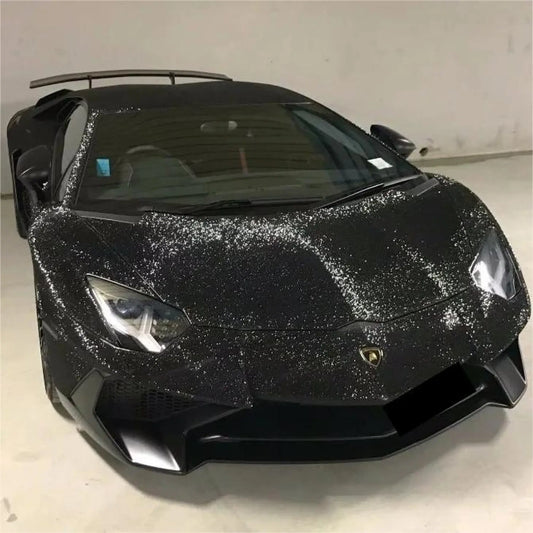
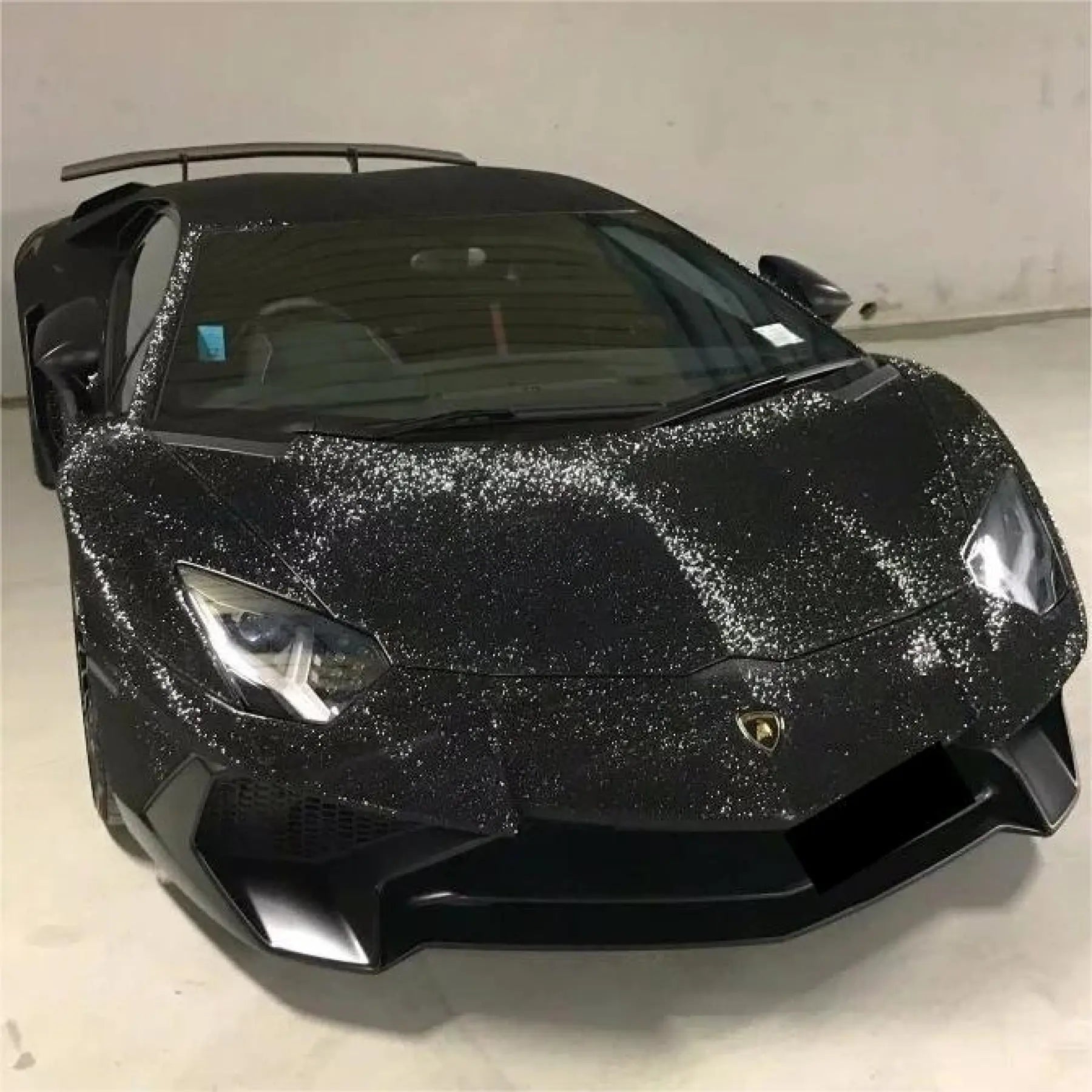
For specialty finishes like Rainbow Laser Vinyl Wrap or Glitter Sparkle Car Wrap, extra gentleness protects the reflective particles and holographic effects that create their distinctive appearance. These premium finishes reward careful cleaning with stunning visual impact once restored to full brilliance.
Treating Difficult Contaminants
Spring cleaning often reveals stubborn contaminants that resist normal washing. Tree sap from winter parking, bug residue from early spring insects, and tar spots from winter road repairs all require specialized treatment.
For tree sap, apply isopropyl alcohol to a clean microfiber cloth and gently dab the affected area. Avoid rubbing aggressively as this can damage vinyl surfaces. Allow the alcohol to dissolve the sap before wiping away residue. Follow immediately with a rinse and normal wash to remove any remaining alcohol.
Bird droppings demand prompt attention due to their acidic composition. If droppings have dried and hardened over winter, saturate them with water and allow time to soften before attempting removal. Scraping dried droppings without softening first can scratch vinyl and leave permanent marks.
Industrial fallout and rail dust may have accumulated during winter when vehicles spent more time parked outdoors. Clay bar treatment designed for vinyl surfaces can remove these embedded contaminants safely. Traditional clay products for painted surfaces may be too aggressive for vinyl wraps.
Finish-Specific Detailing Considerations
Gloss Wrap Care
Gloss finishes like Crystal Vinyl Wrap and Liquid Chrome Wrap require careful attention to maintain their mirror-like reflectivity. These finishes show water spots and swirl marks more readily than matte alternatives, making drying technique particularly important.
After washing, dry gloss wraps immediately using clean, high-quality microfiber drying towels. Chamois or synthetic drying aids work well for removing water quickly before spots can form. Work in overlapping sections, turning the towel frequently to ensure clean material always contacts the wrap surface.
Gloss wraps benefit from vinyl-specific spray detailers that enhance shine and add light protection between deep cleanings. Apply these products sparingly and buff to a brilliant finish. Avoid traditional car waxes or polishes designed for painted surfaces as they may contain abrasives unsuitable for vinyl.
Matte Wrap Maintenance
Ultra Matte Wrap finishes present unique detailing challenges because their non-reflective surfaces show fingerprints, water spots, and contamination differently than gloss wraps. These sophisticated finishes absorb light rather than reflecting it, creating velvety appearances that require specialized maintenance approaches.
Never apply gloss-enhancing products to matte wraps as they can create unwanted shine spots that ruin the uniform finish. Use only matte-specific spray detailers and sealants that maintain the original non-reflective appearance. Test any new product on an inconspicuous area before applying to visible surfaces.
Matte surfaces may show winter wear less obviously than gloss finishes, but they still require thorough spring cleaning. Road salt and contaminants embed into matte textures and can affect appearance over time. Gentle but thorough cleaning restores the clean, sophisticated look these wraps are designed to provide.
Metallic and Color-Shifting Wraps
Metallic Vinyl Wrap and Dual Color Dream Vinyl Wrap contain embedded particles that create their distinctive sparkle and color-shift effects. These particles require gentle handling to avoid dislodging them from the vinyl matrix during cleaning.
Use only the softest wash materials on metallic and color-shifting wraps. Microfiber wash mitts with long, plush fibers lift dirt away from surfaces without the abrasion that could damage metallic flakes. Avoid circular scrubbing motions that stress the vinyl surface.
The color-shifting properties of premium wraps like the Dual Color Dream series become most impressive when surfaces are perfectly clean. Winter grime dulls the color transitions that make these wraps so striking. Thorough spring cleaning reveals the full spectrum of color shifts these advanced materials offer.
Protecting Your Wrap for Summer
Applying Protective Sealants
Once your wrapped vehicle is thoroughly cleaned and dried, applying a protective sealant prepares the vinyl for summer conditions. Vinyl-specific sealants create barriers against UV rays, environmental contaminants, and everyday wear while enhancing appearance.
Work in small sections, applying sealant with clean microfiber applicator pads. Allow the product to haze according to manufacturer instructions before buffing to a smooth finish. Overlap your sections slightly to ensure complete coverage without missed spots.
Quality sealants designed for vinyl wraps differ significantly from traditional car waxes. Wax products can leave residue that yellows over time or creates buildup that degrades vinyl surfaces. Purpose-formulated vinyl sealants provide protection without these negative effects.
UV Protection Considerations
As spring transitions to summer, UV exposure intensifies dramatically. The sun that felt welcome after a long winter soon becomes a threat to unprotected vinyl surfaces. Colors can fade, vinyl can become brittle, and adhesives may weaken under prolonged UV bombardment.
Premium wraps like Colored Paint Protection Film and TPU Paint Protection Wrap incorporate UV-resistant properties in their construction. These materials maintain color stability and structural integrity better than standard wraps when exposed to intense sunlight.
Park in shaded areas whenever possible during summer months. Consider using car covers for extended outdoor parking. Garage storage remains the gold standard for protecting wrapped vehicles from UV damage.
Inspecting Edges and Seams
Spring detailing provides an excellent opportunity to examine all wrap edges and seams for integrity. Winter conditions stress these vulnerable areas through temperature cycling, moisture intrusion, and road debris impact.
Check every edge around windows, door handles, mirrors, and body panels. Look for any lifting, peeling, or shrinkage that exposes underlying paint. Note areas where edges appear to be pulling away from the surface or where gaps have developed.
Minor edge lifting caught early can often be repaired by carefully reheating the vinyl and pressing it back into place. More severe damage may require professional attention to re-seal edges or replace affected sections. The Wrapping Tools collection includes heat guns and application tools suitable for minor edge repairs.
Early detection and repair of edge problems prevents water and debris from working further beneath the vinyl, which can cause damage to spread rapidly. What starts as a small lifted corner can become a significant repair if ignored.
Addressing Minor Damage
Spring inspection may reveal minor scratches, scuffs, or other damage accumulated during winter driving. The good news is that many minor issues can be addressed during the detailing process without professional intervention.
Light scratches on gloss wraps sometimes respond to gentle heat application, which can help the vinyl self-heal to some degree. Deeper scratches may require touch-up or partial section replacement. Evaluate each damaged area individually to determine the appropriate response.
For wraps showing significant winter wear, consider whether the time has come to refresh with new material. Quality vinyl wraps from the Best Sellers collection offer excellent value for transforming tired-looking vehicles with fresh color and protection.
Tools and Supplies Checklist
Successful spring detailing requires assembling the right tools and supplies before beginning work. Having everything ready prevents interruptions that can lead to products drying on surfaces or other problems.
Essential supplies include pH-neutral automotive soap, multiple microfiber wash mitts, grit guards for wash buckets, and ample clean microfiber drying towels. Specialty items like vinyl-safe clay bars, isopropyl alcohol for spot treatment, and vinyl sealants complete the supply list.
The Sample Kits allow testing different products on your specific wrap type before committing to full application. This precaution prevents damage from incompatible products while helping identify the best care regimen for your wrap material.
Invest in quality tools that will serve you through multiple detailing sessions. Cheap wash mitts and towels can harbor particles that scratch wrap surfaces. Premium microfiber products cost more initially but protect your wrap investment over time.
Establishing a Spring Maintenance Routine
Spring detailing should transition into regular maintenance habits that protect your wrap throughout summer and beyond. Establish a washing schedule based on your driving conditions and environmental exposure.
Vehicles driven daily on dusty roads or in areas with high pollen counts benefit from weekly washing during spring months. Those kept primarily in garages may need washing only every two to three weeks. Adjust your schedule based on visual assessment of wrap condition.
Between full washes, quick wipe-downs with vinyl-safe spray detailer remove light dust and maintain protection. These quick maintenance sessions take only minutes but significantly extend the time between full wash requirements.
Professional Detailing Considerations
While most spring detailing tasks suit motivated vehicle owners, certain situations benefit from professional attention. Extensive winter damage, severely embedded contaminants, or specialty finishes may require equipment and expertise beyond typical home detailing capabilities.
Professional detailers familiar with vinyl wraps understand the specific requirements these surfaces present. They possess commercial-grade products and tools designed specifically for wrapped vehicles. Their experience helps them identify problems that amateur eyes might miss.
Consider professional detailing for the spring refresh even if you handle routine maintenance yourself. Annual or semi-annual professional sessions provide deep cleaning and protection that supplements regular home care.
Preparing for Summer Driving
Spring detailing sets the foundation for summer driving enjoyment. A properly cleaned and sealed wrap resists the bugs, tree sap, and road tar common during warm weather months. The effort invested in spring pays dividends throughout the driving season.
Summer road trips expose vehicles to diverse conditions and contaminants. Wraps prepared with spring detailing handle these challenges better than those carrying winter residue into the season. Colors stay vibrant, surfaces remain smooth, and protection levels stay high.
Consider your summer plans when selecting protection products during spring detailing. Extended sun exposure during vacation travel may warrant additional UV protection layers. Heavy highway driving with bug impact suggests prioritizing easy-clean properties.
Conclusion
Spring detailing represents a critical maintenance opportunity for wrapped vehicles emerging from winter conditions. Thorough cleaning removes damaging salt residue and contaminants while inspection identifies any issues requiring attention. Protective treatments prepare wraps for summer UV exposure and environmental challenges.
Investing time in proper spring detailing extends wrap lifespan and maintains the stunning appearance that makes vinyl wraps so appealing. Whether your vehicle wears Crystal Vinyl Wrap, Ultra Matte Wrap, or protective TPU Paint Protection Wrap, these spring care techniques keep it looking fresh and protected throughout the driving season.
External Resources:
- Vehicle Vinyl Wrap Overview - Wikipedia
- Car Wash Methods and Techniques - Wikipedia
- Paint Protection Film Technology - Wikipedia
summer wrap care
wrap color fade prevention
pressure washing vinyl wraps

