





Understanding PPF Damage Types
Before attempting any repair, correctly identifying the type and severity of damage determines the appropriate response. Paint protection film technology has evolved significantly, with modern TPU-based films offering self-healing capabilities that address many issues automatically. However, understanding damage categories helps vehicle owners decide between DIY intervention and professional assistance.
Surface-Level Scratches
Light scratches that affect only the topcoat layer represent the most common and easily addressed damage type. These superficial marks typically result from improper washing techniques, light contact with vegetation, or minor abrasion from everyday use. The scratches appear as fine lines visible under direct light but do not penetrate through the film to the underlying paint.
Premium TPU Paint Protection Wrap products feature elastomeric polymer topcoats specifically engineered for self-healing. When heat activates these polymers, they flow and reform to eliminate surface imperfections. This technology means many light scratches resolve themselves without any intervention beyond sun exposure or gentle warming.
Swirl Marks and Hazing
Swirl marks create a spider web pattern of fine scratches typically caused by circular washing motions or automated car wash brushes. Hazing presents as a cloudy or dull appearance that reduces the film's optical clarity. Both issues affect appearance but rarely compromise the film's protective function.
These defects respond well to heat treatment and specialized PPF restoration products. The key distinction from deeper damage is that swirl marks and hazing remain entirely within the film's surface layer rather than penetrating through to compromise adhesion or protection.
Edge Lifting
When film edges begin separating from the vehicle surface, moisture and contaminants can infiltrate beneath the protective layer. Edge lifting typically starts at high-stress areas like door edges, mirror covers, and bumper contours where the film stretches around curves and corners.
Early intervention prevents edge lifting from spreading across larger areas. Small separations along edges often respond to reheating and pressing techniques that reactivate the adhesive bond. However, extensive lifting may indicate adhesive failure requiring section replacement.
Bubbles and Air Pockets
Bubbles appearing after installation typically resolve naturally as moisture evaporates through the film over several weeks. However, bubbles that develop later usually indicate contamination beneath the film, adhesive breakdown, or impact damage that allows air infiltration.
Small isolated bubbles can sometimes be addressed through targeted heating and pressure application. Larger bubbles or clusters generally require professional intervention to properly release trapped air and restore full adhesion.
Deep Cuts and Punctures
Damage that penetrates completely through the film compromises its protective barrier function. Rock chips, sharp impacts, and accidental contact with abrasive objects can create cuts or punctures that expose the underlying paint. While these issues cannot truly self-heal, localized patching techniques can restore protection without replacing entire panels.
Self-Healing Activation Techniques
Modern Colored Paint Protection Film products incorporate thermoplastic polyurethane technology with heat-activated self-healing properties. Understanding proper activation techniques maximizes the film's ability to repair itself naturally.
Sunlight Exposure Method
The simplest approach for activating self-healing properties involves parking the vehicle in direct sunlight. Position the damaged area to receive maximum sun exposure and allow several hours for heat absorption. On warm days with temperatures above 75 degrees Fahrenheit, this passive method effectively addresses most surface scratches without any hands-on intervention.
This approach works particularly well for Crystal Vinyl Wrap and other gloss finishes where scratches appear most visible. The gradual, even heating prevents thermal shock while allowing polymer chains sufficient time to reform and eliminate surface defects.
Warm Water Application
For faster results or when sunlight is unavailable, warm water provides controlled heat application. Heat water to approximately 140 to 150 degrees Fahrenheit and carefully pour it over the scratched area. The warmth activates the self-healing topcoat while the water flows away carrying loosened contaminants.
This method proves especially effective for treating specific areas while leaving surrounding sections undisturbed. After application, dry the surface immediately with clean microfiber towels to prevent water spots from forming as the film cools.
Heat Gun and Hair Dryer Techniques
When more concentrated heat is needed, heat guns or hair dryers provide directed warming for stubborn scratches. Hold the heat source approximately six inches from the film surface and keep it moving in slow circular motions. Avoid concentrating heat on any single spot to prevent adhesive damage or film distortion.
Using the low setting initially allows assessment of film response before increasing temperature if needed. Most surface scratches begin visibly healing within one to two minutes of proper heat application. Stop heating once the scratch disappears and allow the area to cool naturally.
Temperature Cautions
Excessive heat damages both the protective film and underlying paint. Never exceed 150 degrees Fahrenheit at the film surface, and avoid prolonged heating of any single area. Watch for signs of adhesive softening such as edge movement or surface wavering, which indicate temperatures are too high.
Ultra Matte Wrap finishes require particular care as their textured surfaces can permanently alter if overheated. Apply heat conservatively to matte films and test on an inconspicuous area before treating visible damage.
DIY Repair Procedures
When self-healing activation alone cannot address damage, hands-on repair techniques restore film appearance and function. Proper preparation and technique prevent causing additional damage during the repair process.
Assessment Protocol
Begin by thoroughly cleaning the damaged area with pH-neutral automotive soap and water. Once clean, examine the damage under strong directional lighting to reveal the full extent of scratching or defects. Run a fingernail lightly across scratches to gauge depth since marks you can feel typically require more than heat treatment alone.
Document the damage with photographs before beginning repairs for comparison after completion. This documentation also proves valuable if warranty claims become necessary later.
Cleaning and Preparation
Proper surface preparation ensures repair materials bond correctly and prevents trapping additional contaminants. Use designated PPF cleaning solutions rather than household cleaners that may contain damaging chemicals. Avoid alcohol-based products on most films as they can degrade the topcoat over time.
After cleaning, dry the area completely using fresh microfiber towels. Any moisture remaining during repair can cause adhesion problems or become permanently trapped beneath patch materials. Allow adequate time for complete drying before proceeding with repairs.
Scratch Polishing Method
For scratches that resist self-healing treatment, manual polishing using PPF-safe compounds can improve appearance without replacing film. Apply a small amount of film-safe polish to a clean microfiber applicator and work the product into the scratch using light circular motions.
Continue polishing with minimal pressure until the scratch diminishes. Wipe away excess compound and inspect results under strong lighting. Repeat application if necessary, but avoid excessive polishing that can thin the film's protective topcoat.
This technique works well on Liquid Chrome Wrap and other high-gloss finishes where optical clarity is paramount. However, avoid polishing matte or textured finishes as this can create shiny spots that stand out against the surrounding surface.
Edge Reattachment Process
Lifted edges caught early can often be reattached without section replacement. Clean both the lifted film edge and the vehicle surface beneath it, removing any contaminants that would prevent proper bonding. Apply PPF-specific edge adhesive to the vehicle surface rather than the film itself.
Using a heat gun on low setting, warm the lifted film edge to increase flexibility. Carefully press the edge down onto the adhesive and hold firmly for 30 to 60 seconds while the bond sets. Use a soft squeegee or microfiber-wrapped finger to work out any trapped air as you press the edge into place.
After reattachment, apply an edge sealant designed for PPF to reinforce the bond and prevent future lifting. These sealants create a barrier against moisture infiltration while adding adhesive strength at vulnerable edge points.
Bubble Removal Techniques
Small bubbles that persist beyond the normal curing period may require physical intervention. For moisture bubbles, gently warm the area to encourage evaporation through the film. Most moisture bubbles resolve within a few days of heat treatment.
Air bubbles trapped during installation or caused by impact require release through the film. Using a fine hypodermic needle or specialized PPF bubble tool, pierce the bubble at an angle from the side rather than straight down. This approach minimizes visible puncture marks while allowing trapped air to escape.
After puncturing, apply heat and use a soft squeegee to press the film flat against the vehicle surface. The small puncture hole typically self-heals as the film responds to warmth, becoming invisible once the area fully settles.
Small Tear Patching
Tears under one inch can be patched using matching film pieces cut slightly larger than the damaged area. Clean both the damaged section and the patch material thoroughly before application. Apply PPF adhesive to the vehicle surface exposed by the tear.
Position the patch over the damage, ensuring complete coverage with slight overlap onto surrounding intact film. Use a squeegee to press out air bubbles, working from the center outward. Heat the edges gently to help the patch blend with existing film and activate adhesive bonding.
The Wrapping Tools collection includes squeegees, cutting implements, and application accessories that facilitate professional-quality repairs at home.
When Professional Help Is Needed
While DIY repair addresses many common issues, certain damage types require professional intervention to prevent making problems worse or permanently compromising protection.
Indicators for Professional Service
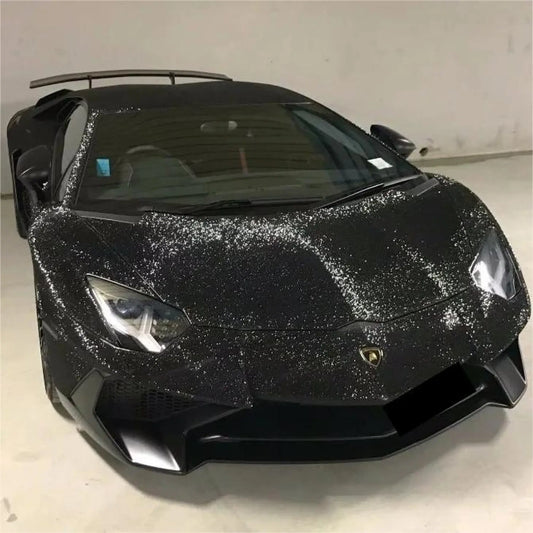
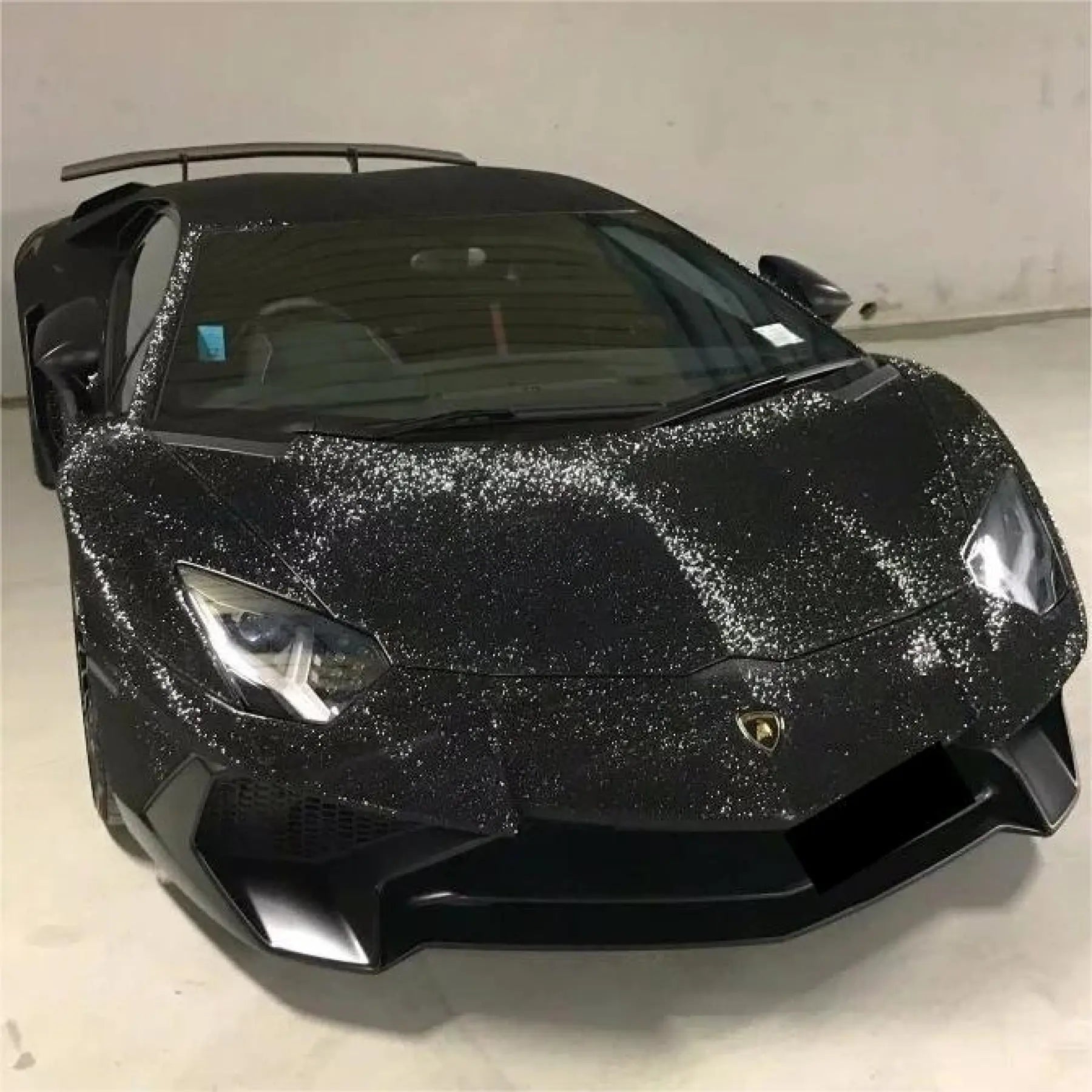
Consider professional repair when damage extends across large areas, penetrates completely through the film, or involves specialty finishes like Rainbow Laser Vinyl Wrap or Glitter Sparkle Car Wrap that require precise color and effect matching.
Extensive edge lifting affecting multiple panels, yellowing that does not respond to cleaning, and persistent bubbling after attempted repair all warrant professional assessment. Additionally, any damage occurring during the warranty period should be documented and reported to maintain claim eligibility.
Partial Panel Replacement
Professional installers can replace damaged sections without removing entire panels by cutting along body lines and seaming new film pieces. This approach costs significantly less than full replacement while maintaining seamless appearance when performed by skilled technicians.
The key advantage of professional partial replacement is access to specialized tools, controlled environments, and experience with precise cutting and seaming techniques. These factors ensure replacement sections match surrounding film in both appearance and adhesion quality.
Preventive Maintenance Strategies
Preventing damage costs far less than repairing it. Implementing proper care routines extends film life while reducing the frequency and severity of damage requiring repair.
Proper Washing Techniques
Hand washing using the two-bucket method prevents swirl marks and surface scratches that accumulate over time. Use dedicated wash mitts with soft microfiber material and pH-neutral shampoo formulated for protected surfaces. Rinse mitts frequently in the rinse bucket to release trapped particles before recontacting the film.
Avoid automated car washes with spinning brushes that create swirl patterns across protected surfaces. Touchless automatic washes provide acceptable results when hand washing is not practical, though hand washing remains the gold standard for film care.
Regular Inspection Schedule
Monthly inspection under strong lighting reveals developing issues while they remain easily addressed. Check all edges and seams for lifting, examine high-impact areas like hoods and bumpers for new scratches, and assess overall clarity and appearance.
Early detection of problems allows intervention before minor issues escalate into major damage requiring extensive repair or replacement.
Protective Product Application
PPF-safe sealants and ceramic coating products add an additional protective layer that simplifies cleaning and enhances self-healing performance. Apply these products according to manufacturer directions, typically every three to six months depending on environmental exposure.
Avoid traditional automotive waxes containing petroleum distillates that can cloud or degrade certain film types. Always verify product compatibility with your specific film before application.
Material Selection for Maximum Durability
Choosing high-quality film initially reduces repair frequency throughout the protection's lifespan. Premium TPU-based films like those in the TPU Paint Protection Wrap collection offer superior self-healing properties, enhanced chemical resistance, and longer service life compared to entry-level alternatives.
The Best Sellers collection features products proven to deliver excellent durability and repair-friendly characteristics. For vehicle owners uncertain which film suits their needs, Sample Kits allow evaluation of different options before committing to full coverage.
Specialty finishes like Metallic Vinyl Wrap, Dual Color Dream Vinyl Wrap, and 3D Carbon Fiber Wrap each have specific care requirements that affect repair approaches. Understanding these requirements before installation ensures proper maintenance and repair techniques throughout the film's service life.
Conclusion
Minor PPF damage rarely requires complete film replacement when addressed promptly using appropriate techniques. Self-healing activation through heat exposure resolves most surface scratches automatically, while targeted repair methods handle edge lifting, bubbles, and small tears effectively. Understanding damage types, proper repair procedures, and preventive maintenance allows vehicle owners to maintain their protection investment without unnecessary replacement costs.
Explore the complete range of high-quality protection options in the Car Vinyl Wrap collection, and equip your workspace with professional-grade Wrapping Tools for confident DIY repairs. With proper care and timely intervention, your paint protection film will continue defending your vehicle's finish for years to come.
External Resources:

