








Why Regular Washing Is Essential for Wrapped Vehicles
A car vinyl wrap faces the same environmental threats as factory paint: UV radiation, bird droppings, tree sap, road salt, industrial fallout, bug splatter, and airborne pollutants. The critical difference is that vinyl surfaces absorb contaminants faster than clearcoated paint because the film lacks the hard ceramic-like structure of baked enamel. When acidic substances like bird droppings or tree sap sit on vinyl for more than 48 hours, they begin to etch into the surface and bond with the plasticizers that keep the film flexible. This creates permanent staining that no amount of washing can reverse. Regular cleaning prevents this bonding process by removing contaminants before they penetrate the film. As a general guideline, wash your wrapped vehicle at least once every two weeks. Increase that frequency to weekly during winter when road salt accumulates, or if you park outdoors near trees where sap and droppings are constant threats. According to the International Detailing Association, proactive washing is the single most effective way to extend the service life of any automotive film.
What You Need Before You Start
Assembling your supplies beforehand prevents mid-wash scrambling that leads to shortcuts and mistakes. The essential kit for washing any wrapped vehicle includes two large buckets with grit guards at the bottom, a pH-neutral automotive shampoo rated between five and nine on the pH scale, a plush microfiber wash mitt with deep pile that traps dirt away from the surface, three to four clean microfiber drying towels, a silicone squeegee for rapid water removal on flat panels, and a gentle garden hose with an adjustable spray nozzle. For spot treatments between full washes, keep a bottle of isopropyl alcohol diluted with water at a 2:1 ratio and a vinyl-safe quick-detail spray in your garage. Professional wrapping tools kits from Sailifilm also include surface preparation products that double as maintenance cleaners for ongoing care.
Products to avoid completely: dish soap, which strips protective layers and dries out vinyl; any cleaner containing petroleum distillates, ammonia, or acetone; abrasive compounds and polishing pastes; citrus-based degreasers at full concentration; and traditional carnauba wax or gloss-enhancing polish on matte or satin films. These products break down vinyl plasticizers, dissolve adhesive bonds, and create irreversible surface damage. The Vinyl wrap overview on Wikipedia explains how PVC film composition makes it vulnerable to solvent-based chemicals that would be safe on automotive paint.
The Two-Bucket Hand Wash Method: Step by Step
Hand washing using the two-bucket system is universally regarded as the safest technique for vinyl-wrapped vehicles. This method keeps contaminated water separate from your clean soap solution, dramatically reducing the risk of dragging abrasive particles across the film surface.
Step 1: Pre-Rinse the Entire Vehicle
Begin by spraying the entire car from top to bottom with a gentle stream of clean water. Use a standard garden hose nozzle on a wide, fan-shaped spray pattern rather than a concentrated jet. The goal is to flush away loose dirt, dust, pollen, and road grime before any physical contact with the surface. This single step prevents the majority of wash-induced scratches because you eliminate abrasive particles before your mitt ever touches the film. Pay extra attention to the lower body panels, wheel wells, and behind the side mirrors where grit accumulates most heavily.
Step 2: Prepare Your Two Buckets
Fill bucket one with clean water and your measured dose of pH-neutral automotive shampoo. Fill bucket two with plain water for rinsing your wash mitt between panels. If you have grit guards, drop one into the bottom of each bucket. A grit guard is a raised plastic grid that traps dirt particles below the water line so they cannot reattach to your mitt when you dip it back in. This inexpensive accessory makes a significant difference in preventing micro-scratches over months of regular washing.
Step 3: Wash Top to Bottom, One Panel at a Time
Soak your microfiber mitt in the soapy bucket and begin washing from the roof, then move to the hood, trunk, upper doors, and lower panels in sequence. Gravity pulls dirty runoff downward, so starting high ensures you are always working on the cleanest section first. Glide the mitt across each panel using straight, overlapping strokes rather than circular motions. Circular scrubbing concentrates pressure on single contact points and creates swirl patterns that are especially visible on high-gloss finishes like crystal vinyl wrap and metallic vinyl wrap. After each panel, rinse the mitt thoroughly in the plain-water bucket to release trapped dirt, then reload with fresh soap from the clean bucket before moving to the next section.
Step 4: Rinse Thoroughly
Once every panel has been washed, rinse the entire vehicle from top to bottom with clean, flowing water. Make sure no soap residue remains anywhere, especially in seams, around emblems, in door jamb creases, and along the edges where the wrap terminates. Soap film that dries on matte or satin surfaces leaves a hazy streak that requires rewashing to remove. On gloss surfaces, dried soap creates visible water spots under direct light.
Step 5: Dry Properly to Prevent Water Spots
Water spots form when mineral-laden droplets evaporate and leave calcium and magnesium deposits on the surface. On gloss wraps, these deposits dull the shine. On matte wraps, they create visible white marks against the flat finish. To prevent spotting, dry the vehicle immediately after rinsing. Use a clean, soft microfiber drying towel and gently pat or blot each panel rather than rubbing aggressively. On large, flat surfaces like the hood and roof, a silicone squeegee removes the majority of standing water in a single pass, and you can follow up with a towel for remaining moisture. For chrome finishes in the liquid chrome wrap collection, always wipe in one direction, never in circles, and use only lint-free, ultra-soft towels to avoid leaving micro-scratches on the mirror-like surface.
Wash Tips by Vinyl Wrap Finish
Matte and Satin Wraps: The ultra matte wrap collection requires the most careful product selection. Never apply wax, polish, glaze, or any product designed to enhance shine. These fill the micro-texture that creates the flat appearance and leave permanent glossy patches. Use only matte-specific detailer sprays after washing. If you accidentally apply a gloss product, immediately treat the area with a 50/50 solution of isopropyl alcohol and distilled water, gently blotting rather than rubbing.
Gloss, Crystal, and Metallic Wraps: Crystal vinyl wrap and metallic vinyl wrap finishes show swirl marks and water spots more prominently than any other vinyl type. The two-bucket method is non-negotiable for these surfaces. After drying, apply a vinyl-safe spray sealant to create a hydrophobic barrier that causes water to bead and roll off during rain, reducing spot formation between washes. Reapply this sealant every two to four weeks depending on exposure.
Chrome and Liquid Metal Finishes: Liquid chrome wrap is the most scratch-sensitive vinyl finish available. The mirror-like reflective layer reveals every contact mark. Use only grit-free, ultra-soft microfiber cloths and wipe exclusively in straight lines. Avoid any brushes, scrub pads, or rough towels. A soft chamois works well for final drying passes on chrome panels.
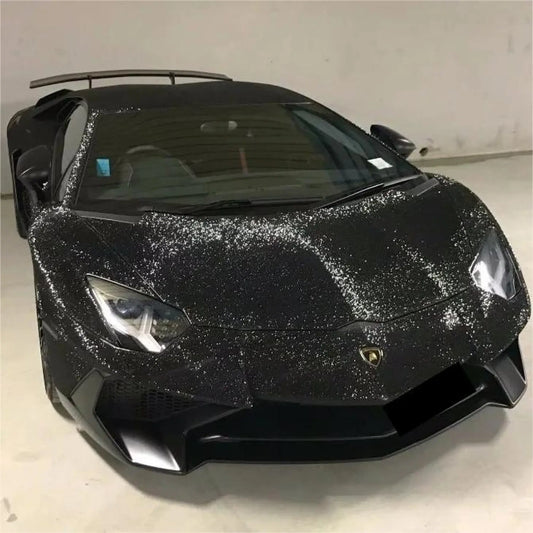
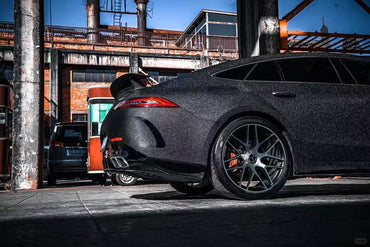
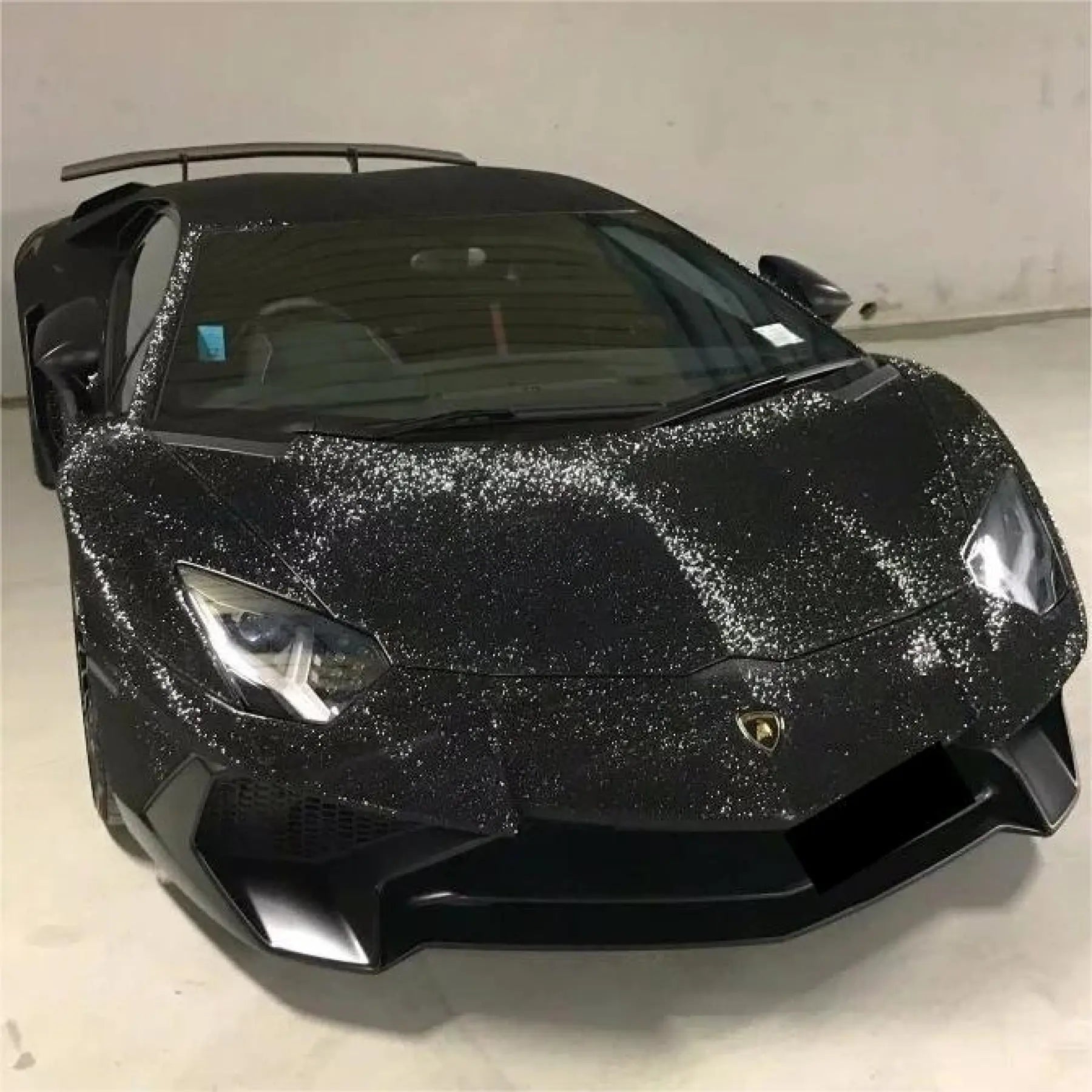
Glitter, Sparkle, and Laser Finishes: Glitter sparkle car wrap and rainbow laser vinyl wrap feature embedded metallic and holographic particles that lose their visual impact when covered by a layer of grime. Regular washing restores the full sparkle and prismatic color-shift effect. These finishes respond well to standard vinyl-safe soap and water. A quick-detail spray between washes keeps the light-play looking fresh without requiring a full wash.
Carbon Fiber Textured Wraps: The raised weave pattern of 3D carbon fiber wrap traps road dust and grime in the textured grooves. A longer pre-soak with warm, soapy water loosens embedded particles before you begin scrubbing. Use a soft-bristle detailing brush very lightly along the direction of the weave pattern to clear deep grooves, then follow with your standard microfiber mitt wash.
Color-Shifting and Dual-Tone Wraps: Dual color dream vinyl wrap films feature color transitions that change with viewing angle and lighting. Uneven dirt buildup disrupts the shift effect and makes the color transition appear patchy. Keep these wraps on a strict bi-weekly wash schedule to maintain seamless, uniform color play across every panel.
TPU Paint Protection Film: TPU paint protection wrap and colored paint protection film are constructed from thermoplastic polyurethane, which is inherently tougher and more chemical-resistant than PVC vinyl. TPU films tolerate slightly broader cleaning product ranges and recover from minor surface scratches through self-healing technology when exposed to heat. That said, gentle care still extends their lifespan far beyond the minimum rating. The Society of Automotive Engineers notes that TPU-based films can achieve five to ten years of service life when maintenance protocols are followed consistently.
Can You Pressure Wash or Use a Car Wash on a Wrapped Vehicle?
Pressure Washing: Acceptable with strict precautions. Keep pressure below 2,000 PSI. Use a spray nozzle with a 40-degree wide-angle pattern. Maintain a minimum distance of 12 inches from the film surface. Keep water temperature below 140 degrees Fahrenheit. Most importantly, always aim the spray perpendicular to the wrap surface, never at a sharp angle toward edges or seams. Angled high-pressure water forces itself underneath the film and causes lifting, bubbling, and adhesive failure along panel edges.
Automatic Car Washes: Facilities with rotating brushes are off limits for any wrapped vehicle. The stiff nylon or cloth bristles scratch vinyl, snag lifted edges, and accelerate peeling across the entire panel. If time constraints make hand washing impossible, the only acceptable automated option is a touchless, brushless car wash that relies solely on water pressure and chemical spray. Even with touchless systems, inspect your wrap edges afterward for any signs of water intrusion. Avoid the wax and gloss-enhancement add-on packages offered at these facilities, as the spray chemicals often contain petroleum-based compounds that damage vinyl. The International Carwash Association provides consumer guidance on identifying touchless-only facilities in your area.
Removing Bird Droppings, Tree Sap, and Stubborn Stains
Spot cleaning between full washes is often necessary when your vehicle encounters bird droppings, sap, insect residue, or fuel spills. The universal rule is speed: remove these contaminants as quickly as possible. For bird droppings and bug splatter, soak a clean microfiber cloth in warm soapy water and lay it over the affected area for two to three minutes. The warmth and moisture soften the hardened residue so it releases without aggressive scrubbing. Gently wipe away the softened material, then rinse with clean water and pat dry.
For tree sap, apply isopropyl alcohol diluted to a 2:1 ratio with water onto a soft cloth, hold it against the sap for 30 seconds, then carefully lift the residue away. Never scrape with blades, plastic cards, or fingernails. Fuel spills at the gas station demand immediate action because gasoline degrades PVC adhesive rapidly. Wipe the affected area with a damp cloth right away and perform a full panel wash as soon as you arrive home. If your vehicle has colored paint protection film on high-risk areas like bumpers and lower panels, the TPU construction resists fuel damage far better than standard vinyl, giving you more time to address the spill before permanent harm occurs.
Post-Wash Protection: Sealants, Coatings, and Detailer Sprays
After every wash, you have an opportunity to add a layer of protection that makes your next wash easier and extends the life of your film. For gloss and metallic wraps, a vinyl-safe spray sealant creates a slick, hydrophobic surface that repels water and contaminants. For matte wraps, a matte-specific detailer spray cleans and protects without adding any shine. The highest level of post-wash protection is a ceramic coating applied directly over the vinyl. Ceramic coatings bond to the film surface at a molecular level, creating a durable barrier that resists UV rays, chemical contaminants, water spotting, and light scratching for up to two years per application. Ceramic-coated wraps shed dirt more readily, bead water aggressively, and require significantly less effort during routine washing. This investment is especially worthwhile for premium finishes like best sellers from the Sailifilm collection where maintaining visual impact over the long term justifies the added cost. Not sure which wrap finish suits your style and maintenance habits? Order a sample kit to test actual film swatches before committing to a full vehicle installation.
Seasonal Washing Adjustments
Winter: Road salt and de-icing brine are highly corrosive to both vinyl and TPU films. Increase wash frequency to at least once per week during winter months. Use lukewarm water rather than hot water, and never scrape ice off a wrapped surface with a hard plastic scraper. Foam snow brushes are the safest option for clearing snow without damaging the film underneath.
Summer: Avoid washing when the vehicle surface is hot to the touch. Sun-heated vinyl combined with cold water causes thermal shock that can stress adhesive bonds and cause temporary wrinkling. Wash early in the morning, in the evening, or in a shaded area. High ambient temperatures above 100 degrees Fahrenheit also soften vinyl adhesive, making the film more vulnerable to edge lifting during the wash process.
Pollen Season: Spring pollen coats vehicles in a fine, sticky layer that bonds quickly to vinyl surfaces. The acidic nature of certain pollen varieties accelerates staining if left untreated. During peak pollen season, a quick rinse with plain water every few days prevents buildup, even if you do not perform a full two-bucket wash each time.
Keep Your Wrap Looking Brand New
Proper washing technique is the foundation of long-lasting car wrap performance. The two-bucket hand wash method, pH-neutral products, soft microfiber tools, and finish-specific care keep every type of Sailifilm wrap looking showroom-perfect for years. Browse the complete car vinyl wrap collection to discover premium films in every finish, from the stealth sophistication of ultra matte wrap to the head-turning sparkle of glitter sparkle car wrap and the unmatched protection of TPU paint protection wrap. Every Sailifilm product features air-release adhesive technology, UV-resistant pigments, and professional-grade conformability engineered to deliver stunning results that reward careful maintenance mile after mile.

