



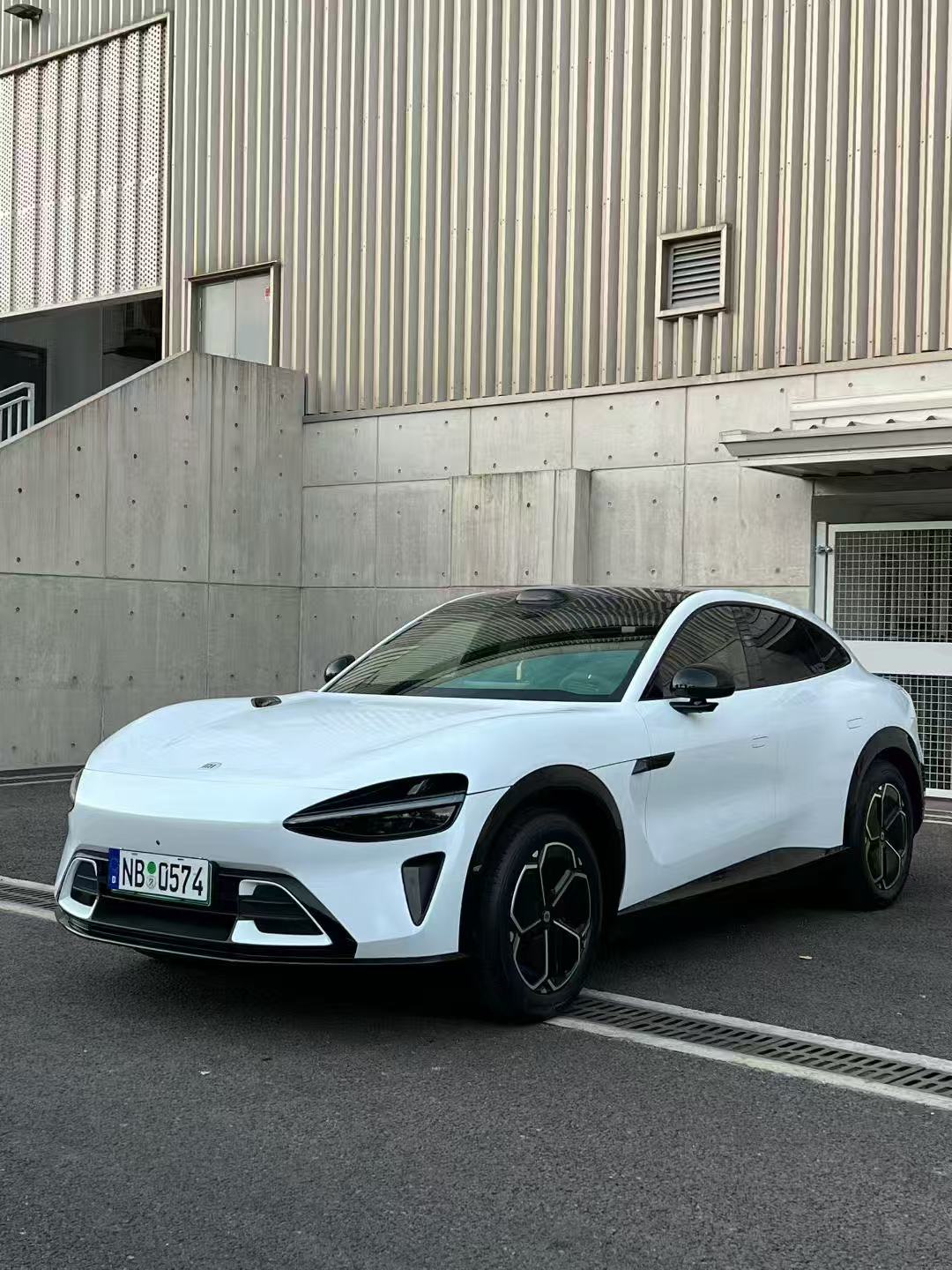


Understanding Paint Protection Film: Why Maintenance Matters
Paint protection film consists of multiple sophisticated layers working in harmony to defend your vehicle's finish. The typical PPF structure includes:
Surface Clear Coat Layer
- Provides UV resistance and chemical protection
- Enables self-healing properties through elastomeric polymers
- Creates hydrophobic water-beading surface
- Maintains optical clarity
Thermoplastic Urethane (TPU) Core
- Absorbs impact from road debris
- Provides scratch resistance
- Maintains flexibility across temperature ranges
- Delivers long-term durability
Adhesive Layer
- Bonds film to vehicle surface
- Designed for removability without paint damage
- Resists moisture and temperature extremes
Release Liner (Removed During Installation)
- Protects adhesive before application
Each layer requires specific care to maintain optimal performance. Without proper maintenance, even premium films like Sailifilm's best sellers collection can experience premature degradation, including discoloration, reduced self-healing capacity, edge lifting, and compromised adhesive integrity.
The Critical Post-Installation Curing Period
The first 7-10 days after PPF installation are critical for long-term performance. During this curing period, the adhesive fully bonds to your vehicle's surface.
Strict Curing Period Rules:
AVOID During First 7-10 Days:
- Washing the vehicle (any method)
- Touching or applying pressure to film
- Waxing or applying products
- Exposure to automatic car washes
- Parking in rain or extreme weather
- Pressure washing
ACCEPTABLE:
- Leaving vehicle in garage or covered parking
- Light dust accumulation (do not wipe)
- Indoor storage with moderate temperatures
Why Curing Matters: Washing too soon can trap water beneath the film, cause edge lifting, prevent full adhesive bonding, and create bubble formation. In cold climates or high-humidity environments, extend the curing period to 10-14 days.
After proper curing, your Sailifilm PPF is ready for comprehensive year-round maintenance that preserves its protective qualities and aesthetic appeal.
Spring PPF Maintenance: Renewal and Assessment
Spring brings renewal—and unique challenges for paint protection film. After winter's harsh conditions, spring maintenance focuses on removing accumulated contaminants, assessing winter damage, and preparing for increased UV exposure.
Spring Deep Cleaning Protocol
Step 1: Initial Rinse (10 minutes)
- Use clean water and spray nozzle
- Rinse from top to bottom
- Focus on removing winter salt residue
- Inspect for trapped debris in seams
- Low-pressure rinse only (never high-pressure near edges)
Step 2: pH-Neutral Washing (20-30 minutes)
- Use only pH-neutral car wash soap (pH 6-8)
- Employ two-bucket method with grit guards
- Use premium microfiber wash mitts
- Wash top-to-bottom in straight lines
- Never use circular scrubbing motions
- Rinse mitt frequently in clean water bucket
- Pay special attention to horizontal surfaces
Step 3: Contaminant Removal Spring-specific contaminants require targeted removal:
Pollen Removal:
- Pollen is abrasive when dry
- Thoroughly wet surface before contact
- Use generous soap solution
- Never dry-wipe pollen
- Rinse completely before drying
Tree Sap Removal:
- Apply isopropyl alcohol (50/50 water mix) to microfiber cloth
- Gently dab sap (do not rub)
- Let solution soften sap for 30-60 seconds
- Wipe gently in one direction
- Rinse area thoroughly
- Re-wash section with pH-neutral soap
Bird Droppings (Highly Acidic - Remove Within 24 Hours):
- Soak area with warm, soapy water (5 minutes)
- Use soft microfiber cloth to gently blot
- Avoid scrubbing dried droppings
- Rinse thoroughly after removal
- Inspect for etching (contact installer if present)
Spring Inspection Checklist
After winter's harsh conditions, thorough PPF inspection identifies issues before they worsen:
Visual Inspection: ✓ Check all edges for lifting or peeling ✓ Examine high-impact areas (front bumper, hood) for damage ✓ Look for yellowing or discoloration ✓ Identify any bubbling or trapped moisture ✓ Check for scratches that haven't self-healed ✓ Inspect seams and overlaps
Physical Inspection: ✓ Gently feel edges for adhesion ✓ Check for texture changes ✓ Verify smooth, uniform surface ✓ Test self-healing by applying gentle heat to minor scratches
Photographic Documentation:
- Take photos from multiple angles
- Compare to post-installation photos
- Document any changes or damage
- Keep records for warranty purposes
Spring Protection Application
Ceramic Coating Renewal: Spring is ideal for ceramic coating application over PPF. Benefits include:
- Enhanced UV protection for summer
- Superior hydrophobic properties
- Easier contaminant removal
- Amplified gloss and depth
- Additional chemical resistance
Wait until PPF is completely clean and dry. Apply PPF-specific ceramic coating according to manufacturer instructions. For our colored paint protection film with vibrant finishes, ceramic coating enhances color depth while providing protection.
UV Protectant Application: Apply PPF-specific UV protectant spray:
- Clean and dry PPF thoroughly first
- Apply in shade, never in direct sunlight
- Use light, even application
- Buff with clean microfiber cloth
- Reapply every 4-6 weeks through summer
Summer PPF Maintenance: UV Defense and Heat Management
Summer's intense UV radiation and high temperatures present the greatest threat to PPF longevity. Proper summer care focuses on UV protection, heat management, and increased cleaning frequency.
Summer UV Protection Strategies
Parking Tactics: UV rays are most intense between 10 AM - 4 PM. Implement these strategies:
Optimal Solutions:
- Garage parking (100% UV elimination)
- Covered parking structures
- Carports or awnings
- Shaded street parking
Alternative Solutions:
- UV-resistant car covers (breathable fabric only)
- Strategic positioning (shade changes throughout day)
- Window sun shades for interior heat reduction
Why UV Protection Matters: Prolonged UV exposure causes:
- Color fading (especially colored PPF)
- Yellowing in clear films
- Reduced self-healing capacity
- Adhesive breakdown
- Surface brittleness
- Premature aging
Sailifilm's crystal vinyl wrap and specialty finishes are particularly vulnerable to UV damage without proper protection.
Summer Cleaning Frequency
Increase washing frequency during summer months:
Weekly Washing:
- Essential for daily-driven vehicles
- Removes bugs, tar, and road grime
- Prevents contaminant baking onto surface
- Maintains protective coatings
Post-Road Trip Cleaning:
- Wash immediately after highway driving
- Bug splatter contains acids that damage PPF
- Road tar bonds more aggressively in heat
- Removes concentrated contaminant buildup
Bug and Tar Removal Techniques
Summer driving creates specific contamination challenges:
Bug Splatter Removal (Remove Within 24-48 Hours):
- Pre-soak with bug remover safe for PPF
- Let solution dwell for 3-5 minutes
- Gently wipe with microfiber cloth
- Avoid aggressive scrubbing
- Wash entire panel afterward
- Rinse thoroughly
Road Tar Removal:
- Apply PPF-safe tar remover to cloth (never spray directly)
- Gently dab tar spot
- Allow product to dissolve tar (1-2 minutes)
- Wipe in one direction
- Clean area with pH-neutral soap
- Rinse thoroughly
- Inspect for adhesive residue
Pro Tip: For extensive bug accumulation on front bumper and hood, consider applying additional protection in these high-impact zones using our TPU paint protection wrap.
Summer Heat Management
Extreme heat affects PPF performance:
Heat-Related Concerns:
- Adhesive softening (increases dirt attraction)
- Accelerated chemical reactions with contaminants
- Reduced self-healing effectiveness above 140°F
- Increased oxidation rates
Heat Management Protocols:
- Wash vehicle in morning or evening (never midday)
- Never apply products in direct sunlight
- Park in shade immediately after washing
- Avoid dark surfaces that radiate heat
- Allow film to cool before washing
Summer Waxing Caution
Important: Traditional automotive waxes are NOT recommended for PPF:
- Petroleum distillates can cloud film
- Many waxes contain abrasives
- Silicone-based waxes attract contaminants
- Wax buildup along edges appears unsightly
Instead Use:
- PPF-specific spray sealants
- Ceramic coating boosters
- UV protectant sprays designed for PPF
Fall PPF Maintenance: Preparation and Prevention
Fall's temperature fluctuations, falling leaves, and increased moisture create unique maintenance challenges. Fall care focuses on preparing for winter while addressing seasonal contaminants.
Fall-Specific Contamination
Wet Leaves: Leaves create multiple threats:
- Trap moisture against PPF
- Contain tannins that stain
- Create mildew in damp areas
- Block drainage channels
Removal Protocol:
- Remove leaves immediately (never let accumulate)
- Check under wipers, mirrors, and spoilers
- Wash areas where leaves collected
- Inspect for staining
- Dry thoroughly
Tree Sap Intensification: Fall sap production increases dramatically:
- More difficult to remove than spring sap
- Hardens faster in cooling temperatures
- Can cause permanent staining if neglected
- Follow summer sap removal protocol
Fall Deep Clean and Assessment
Pre-Winter Preparation Wash:
- Thorough two-bucket hand wash
- Clay bar treatment (removes embedded contaminants)
- Inspection for any damage requiring repair
- Application of protective sealant
- Ceramic coating touch-up if needed
Clay Bar Treatment for PPF:
- Use only fine-grade automotive clay
- Ensure surface is well-lubricated with clay lubricant
- Gentle pressure only
- Work in small sections
- Removes embedded contamination that washing misses
- Prepares surface for protective coatings
Important: Clay bar treatment should be performed 1-2 times per year. Fall preparation is ideal timing before winter conditions.
Fall Protection Layer Application
Ceramic Coating Application/Renewal: Fall is the second-best time (after spring) for ceramic coating:
- Provides winter weather protection
- Enhances water repellency for rain/snow
- Protects against road salt
- Reduces ice adhesion
- Makes winter cleaning easier
For vehicles with our ultra-matte wrap or metallic vinyl wrap finishes, ensure coating is specifically formulated for these textures.
Pre-Winter Inspection: ✓ Address all edge lifting before cold weather ✓ Repair any tears or damage ✓ Seal any compromised areas ✓ Document condition for spring comparison ✓ Schedule professional assessment if needed
Temperature Fluctuation Management
Fall's rapid temperature swings stress PPF:
Morning (Cold):
- Film is less flexible
- Higher scratch risk
- Reduced self-healing
- Potential ice formation
Afternoon (Warm):
- Film softens
- Contaminants more aggressive
- Increased UV exposure
Management Strategy:
- Wash during warmest part of day
- Remove contaminants promptly
- Avoid pressure on cold film
- Allow film to warm before touching
Winter PPF Maintenance: Cold Weather Protection
Winter presents the harshest conditions for paint protection film. Road salt, freezing temperatures, ice, and abrasive snow create significant challenges requiring specialized care protocols.
Road Salt: PPF's Greatest Winter Enemy
Road salt (sodium chloride, calcium chloride, magnesium chloride) aggressively attacks PPF:
Salt Damage Mechanisms:
- Attracts and retains moisture
- Creates corrosive environment
- Causes discoloration and staining
- Damages adhesive layer
- Accelerates yellowing
- Creates white residue buildup
Critical Rule: Remove road salt within 24-48 hours maximum.
Winter Washing Protocol
Frequency:
- 2-3 times per week for daily-driven vehicles
- After every winter storm
- Anytime salt spray is visible
- More frequent if road salt is heavy in your area
Winter Washing Method:
Step 1: Pre-Warm Strategy
- Warm garage washing ideal
- If washing outdoors, choose warmest part of day
- Never wash when temperature below 32°F (0°C)
- Allow vehicle to warm gradually if coming from cold
Step 2: Specialized Winter Rinse
- Use lukewarm water (never hot)
- Extended rinse time for salt removal
- Focus on wheel wells, rocker panels, lower doors
- Spray underneath vehicle if possible
- Low-pressure only
Step 3: pH-Neutral Soap Application
- Use extra soap solution
- Longer dwell time for salt dissolution
- Multiple mitt rinses
- Work quickly to prevent freezing
Step 4: Thorough Rinsing
- Extended final rinse
- Verify all salt residue removed
- Check crevices and seams
- Spray into door edges
Step 5: Immediate Drying
- Critical in winter to prevent freezing
- Use chamois or squeegee first
- Follow with microfiber towels
- Dry all edges and seams thoroughly
- Open doors/trunk briefly to dry edges
- Do not allow water to freeze on film
Ice and Snow Removal
NEVER Do This to PPF: ❌ Use ice scrapers on film ❌ Chip ice with tools ❌ Pour hot water on frozen film ❌ Use stiff brushes for snow removal
CORRECT Snow/Ice Removal: ✓ Use soft snow brush with extended handle ✓ Brush in one direction (never back-and-forth) ✓ Lift snow away from surface ✓ Apply de-icer spray safe for PPF ✓ Allow de-icer to work (5-10 minutes) ✓ Use soft cloth to remove slush ✓ Warm vehicle gradually to melt remaining ice
De-Icing Products:
- Only use automotive de-icer rated for clear coat
- Avoid household de-icers
- Never use salt or abrasive materials
- Test product on inconspicuous area first
Winter Storage Considerations
Indoor Storage (Optimal):
- Climate-controlled 50-70°F (10-21°C)
- Wash and dry completely before storage
- Apply ceramic coating or sealant
- Cover with breathable car cover
- Periodically start and run vehicle
Outdoor Storage:
- High-quality, UV-resistant car cover essential
- Elevate cover to prevent contact damage
- Check weekly for moisture/snow accumulation
- Clear snow from cover immediately
- Inspect film monthly during storage
Winter-Specific Inspection
Monthly Winter Checks: ✓ Edge adhesion (cold weakens adhesive) ✓ Salt staining or discoloration ✓ Ice-related scratches or abrasions ✓ White residue buildup ✓ Bubble formation from trapped moisture ✓ Flexibility (film shouldn't feel brittle)
Red Flags Requiring Immediate Attention:
- Brown or rust-colored discoloration
- Permanent white clouding
- Edge lifting in multiple locations
- Loss of clarity
- Brittleness or cracking
Contact your installer immediately if you observe these issues. Our colored paint protection film is particularly susceptible to salt-induced color changes without proper care.
Professional vs. DIY Maintenance: Finding the Right Balance
Optimal PPF care combines routine DIY maintenance with periodic professional services.
DIY Maintenance Tasks
Weekly/Bi-Weekly:
- Hand washing with pH-neutral soap
- Visual inspection
- Contaminant spot removal
- UV protectant application (monthly)
Monthly:
- Detailed inspection
- Photography for records
- Edge adhesion checking
- Ceramic coating booster application
Seasonal:
- Deep cleaning
- Protection layer renewal
- Comprehensive inspection
- Seasonal prep procedures
Professional Maintenance Services
Quarterly Professional Detailing:
- Expert inspection
- Professional-grade cleaning
- Ceramic coating touch-up
- Minor repair identification
- Deep contaminant removal
Annual Professional Services:
- Comprehensive condition assessment
- Ceramic coating reapplication
- Edge resealing if needed
- Damage documentation
- Performance testing
As-Needed Professional Services:
- Damage repair
- Panel replacement
- Edge lifting correction
- Yellow tinting correction
- Adhesive issues
Cost-Benefit Analysis
DIY Maintenance Investment:
- Quality wash supplies: $100-200 annually
- UV protectants: $50-100 annually
- Microfiber towels: $50 annually
- pH-neutral soap: $30-60 annually
- Total: $230-410 annually
Professional Services:
- Quarterly detailing: $400-800 annually
- Annual ceramic coating: $500-800
- Total professional: $900-1,600 annually
Combined Approach:
- DIY weekly care: ~$300 annually
- Professional services (2x yearly): ~$500 annually
- Total: ~$800 annually
ROI: Comprehensive maintenance extending PPF life from 5 to 10 years saves:
- PPF replacement cost: $3,000-6,000
- Paint damage repair: $1,000-3,000
- Vehicle value depreciation: $2,000-4,000
- Total savings: $6,000-13,000
Essential Products and Tools for PPF Maintenance
Must-Have Cleaning Supplies
Washing Equipment:
- Two 5-gallon buckets with grit guards
- Premium microfiber wash mitts (3-4)
- Soft foam wash mitts for textured PPF
- pH-neutral car wash soap (PPF-specific)
- Soft-bristle detailing brushes
- Garden hose with spray nozzle
Drying Tools:
- Silicone squeegee
- Premium microfiber drying towels (6-8)
- Chamois (natural or synthetic)
- Leaf blower (for hard-to-reach areas)
Specialized Products:
- PPF-safe bug and tar remover
- Isopropyl alcohol (70%)
- Clay bar kit (fine grade)
- UV protectant spray (PPF-specific)
- Ceramic coating booster spray
- De-icer spray (winter, PPF-safe)
The Sailifilm Professional Car Tool Wrapping Kit 14-in-1 includes several tools useful for PPF maintenance and inspection.
Products to AVOID
Never Use on PPF: ❌ Traditional automotive wax ❌ Abrasive polishes or compounds ❌ Household cleaners (ammonia, bleach) ❌ Petroleum-based solvents ❌ Alcohol-based window cleaners ❌ Acidic or alkaline cleaners (pH <6 or >8) ❌ Degreasers ❌ Steel wool or abrasive pads ❌ Stiff brushes
Why These Damage PPF:
- Break down adhesive
- Cloud or discolor film
- Remove UV protection
- Scratch surface
- Reduce self-healing capacity
- Cause yellowing
- Weaken structure
Advanced Maintenance: Ceramic Coating Over PPF
Ceramic coating over PPF represents the ultimate protection strategy, combining PPF's impact resistance with ceramic's chemical and UV protection.
Benefits of Ceramic Coating on PPF
Protection Enhancement:
- 10x harder than automotive clear coat
- Superior UV resistance (prevents yellowing)
- Enhanced chemical resistance
- Increased scratch resistance
- Additional self-healing layer
Maintenance Benefits:
- Extreme hydrophobic properties
- Contaminants slide off easily
- Reduced washing frequency
- Easier contaminant removal
- Maintained gloss and clarity
Aesthetic Benefits:
- Enhanced depth and gloss
- Amplified color vibrancy (colored PPF)
- Mirror-like reflections (chrome/metallic finishes)
- Consistent appearance
For our liquid chrome wrap and rainbow laser vinyl wrap, ceramic coating dramatically amplifies visual impact while protecting delicate finishes.
Ceramic Coating Application Guidelines
Timing:
- Wait 7-14 days after PPF installation
- Apply during spring or fall
- Choose moderate temperatures (60-75°F)
- Low humidity conditions
Professional vs. DIY:
- Professional application recommended
- DIY options available for experienced users
- Professional ensures warranty coverage
- Expert prep critical for longevity
Maintenance After Ceramic Coating:
- First 7 days: No washing
- Avoid automatic car washes entirely
- Use pH-neutral soap only
- Apply ceramic booster spray quarterly
- Reapply coating every 2-4 years
Troubleshooting Common PPF Issues
Yellow Discoloration
Causes:
- UV exposure without protection
- Low-quality film
- Improper maintenance
- Aggressive chemicals
Solutions:
- Increase UV protection measures
- Apply ceramic coating
- Professional polishing (if appropriate)
- Replacement if severe
Edge Lifting
Causes:
- Inadequate initial installation
- Pressure washing near edges
- Cold weather cycling
- Chemical exposure
Solutions:
- Apply heat gun (low setting) and press down
- Use PPF edge sealant
- Professional resealing
- Panel replacement if extensive
Self-Healing Not Working
Causes:
- Scratch too deep
- Film too cold
- Film aged/degraded
- Wrong film type
Solutions:
- Apply gentle heat (heat gun, hot water)
- Ensure adequate warmth (>60°F)
- Wait 24-48 hours for healing
- Professional assessment if persistent
Water Spots
Causes:
- Hard water mineral deposits
- Inadequate drying
- Acid rain
- Contaminated water
Solutions:
- Distilled white vinegar solution (50/50)
- Gentle application with microfiber
- Thorough rinsing
- Ceramic coating for prevention
Bubbling Under Film
Causes:
- Trapped moisture during installation
- Inadequate curing period
- Pressure washing too soon
- Adhesive failure
Solutions:
- Most bubbles disappear during curing
- Wait full curing period (7-14 days)
- Professional assessment if persistent
- Panel replacement if needed
Specialty Finish Maintenance
Different PPF finishes require customized care approaches:
Clear PPF (TPU Paint Protection Wrap)
Maintenance Focus:
- Maintaining optical clarity
- Preventing yellowing
- Maximum self-healing activation
- Standard maintenance protocols apply
Colored PPF (Colored Paint Protection Film)
Special Considerations:
- More susceptible to UV fading
- Aggressive UV protection essential
- Color-safe ceramic coating
- Avoid harsh chemicals that may discolor
- Test all products on inconspicuous areas
Color-Specific Care:
- Dark colors: Show water spots easily, dry thoroughly
- Light colors: Show dirt more readily, wash more frequently
- Metallic colors: Gentle washing to prevent texture damage
- Glossy colors: Ceramic coating enhances depth dramatically
Matte PPF Finishes
Critical Rules:
- NEVER use wax or traditional sealants
- Only matte-specific ceramic coatings
- Pat dry (never rub)
- Avoid all products that add shine
- More frequent cleaning (shows dirt easily)
Textured Finishes (3D Carbon Fiber Wrap)
Special Care:
- Foam wash mitts navigate texture better
- Extended drying time for textured surface
- Avoid high-pressure washing
- Gentle product application
- Pattern alignment awareness during maintenance
Long-Term Care Strategy and Record Keeping
Maintenance Schedule
Weekly:
- Hand wash (two-bucket method)
- Visual inspection
- Contaminant spot removal
Monthly:
- Detailed inspection
- UV protectant application
- Photography
- Edge check
Quarterly:
- Professional detailing
- Ceramic booster application
- Comprehensive assessment
Seasonally:
- Deep cleaning
- Clay bar treatment (spring/fall)
- Protection layer renewal
- Seasonal preparation
Annually:
- Professional comprehensive assessment
- Ceramic coating reapplication
- Damage documentation
- Performance evaluation
Documentation Best Practices
Photographic Record:
- Take photos from 8 angles at installation
- Monthly comparison photos
- Document any damage immediately
- Record all repairs and maintenance
- Maintain digital and cloud backup
Maintenance Log: Track all maintenance activities:
- Date and type of service
- Products used
- Conditions observed
- Issues identified
- Repairs performed
- Professional services
Warranty Documentation:
- Keep all installation receipts
- Maintain maintenance records
- Document proper care
- Photograph condition regularly
- Keep professional service records
This documentation proves proper care for warranty claims and enhances resale value.
Conclusion: Maximizing Your PPF Investment
Paint protection film represents a significant investment in your vehicle's appearance, protection, and value. With proper year-round maintenance, your Sailifilm TPU paint protection wrap, colored PPF, or specialty finish delivers exceptional performance and appearance for 5-10+ years.
Key Success Factors:
✓ Respect the Curing Period: Never rush post-installation care ✓ Seasonal Adaptation: Adjust maintenance to seasonal challenges ✓ Gentle Cleaning: pH-neutral products, soft materials only ✓ Immediate Contaminant Removal: Don't let threats linger ✓ UV Protection: Shield from sun damage year-round ✓ Professional Partnership: Combine DIY care with expert services ✓ Consistent Documentation: Track condition and maintenance ✓ Protective Coatings: Ceramic coating maximizes longevity
Investment Returns:
Comprehensive PPF maintenance delivers:
- Extended film life (5-10+ years vs. 2-3 years neglected)
- Preserved vehicle value ($2,000-5,000)
- Avoided paint damage repairs ($1,000-3,000)
- Maintained aesthetic appeal (showroom quality)
- Enhanced driving pride and satisfaction
- Simplified routine maintenance
Whether you've chosen the crystal-clear protection of our TPU paint protection wrap, the stunning aesthetic of colored paint protection film, or the specialty appeal of our best sellers collection, following this year-round maintenance guide ensures your investment delivers maximum value and protection.
Ready to protect your vehicle? Explore Sailifilm's complete range of premium paint protection films and professional installation tools designed for durability, performance, and stunning appearance that lasts.
External Resources:

