

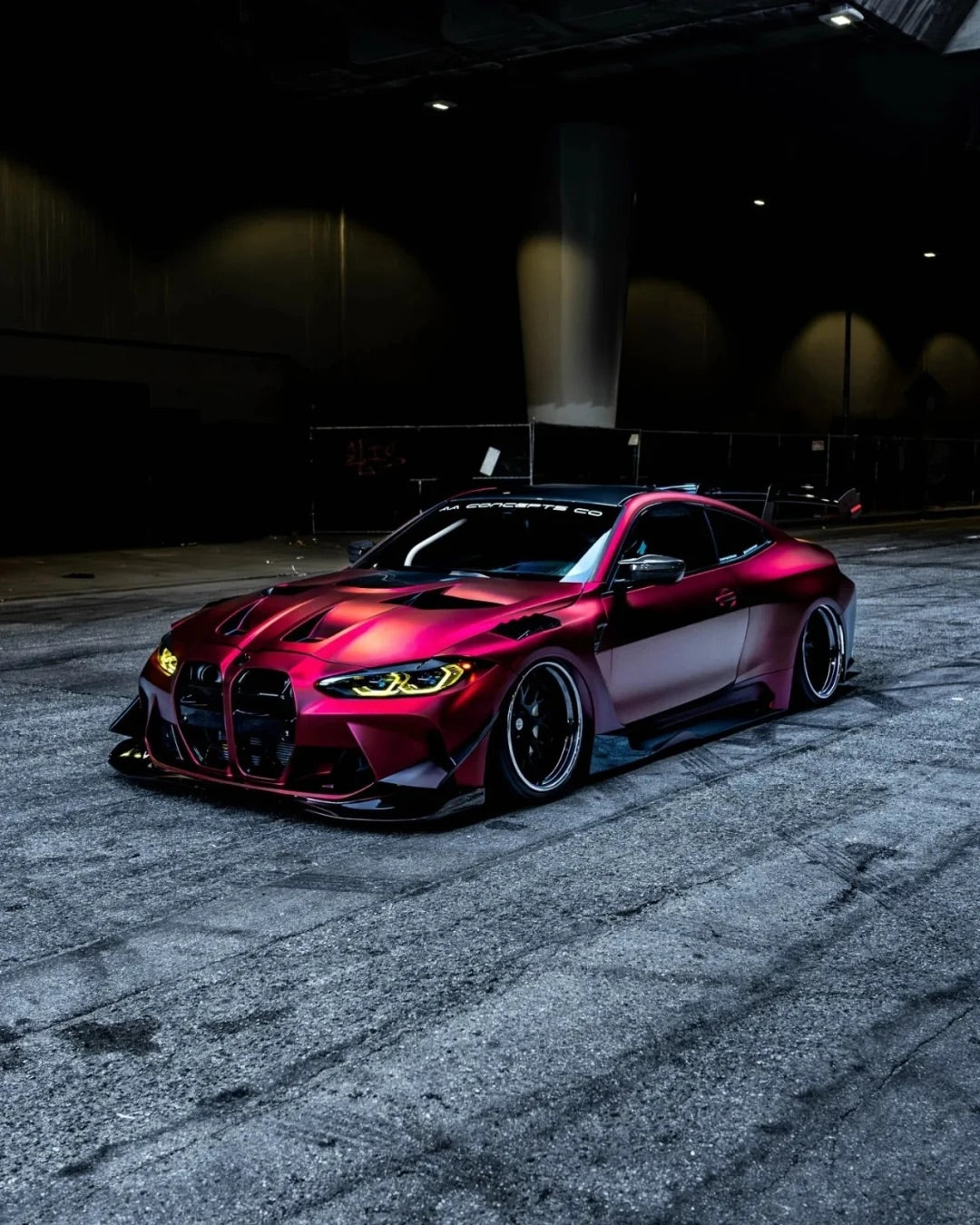
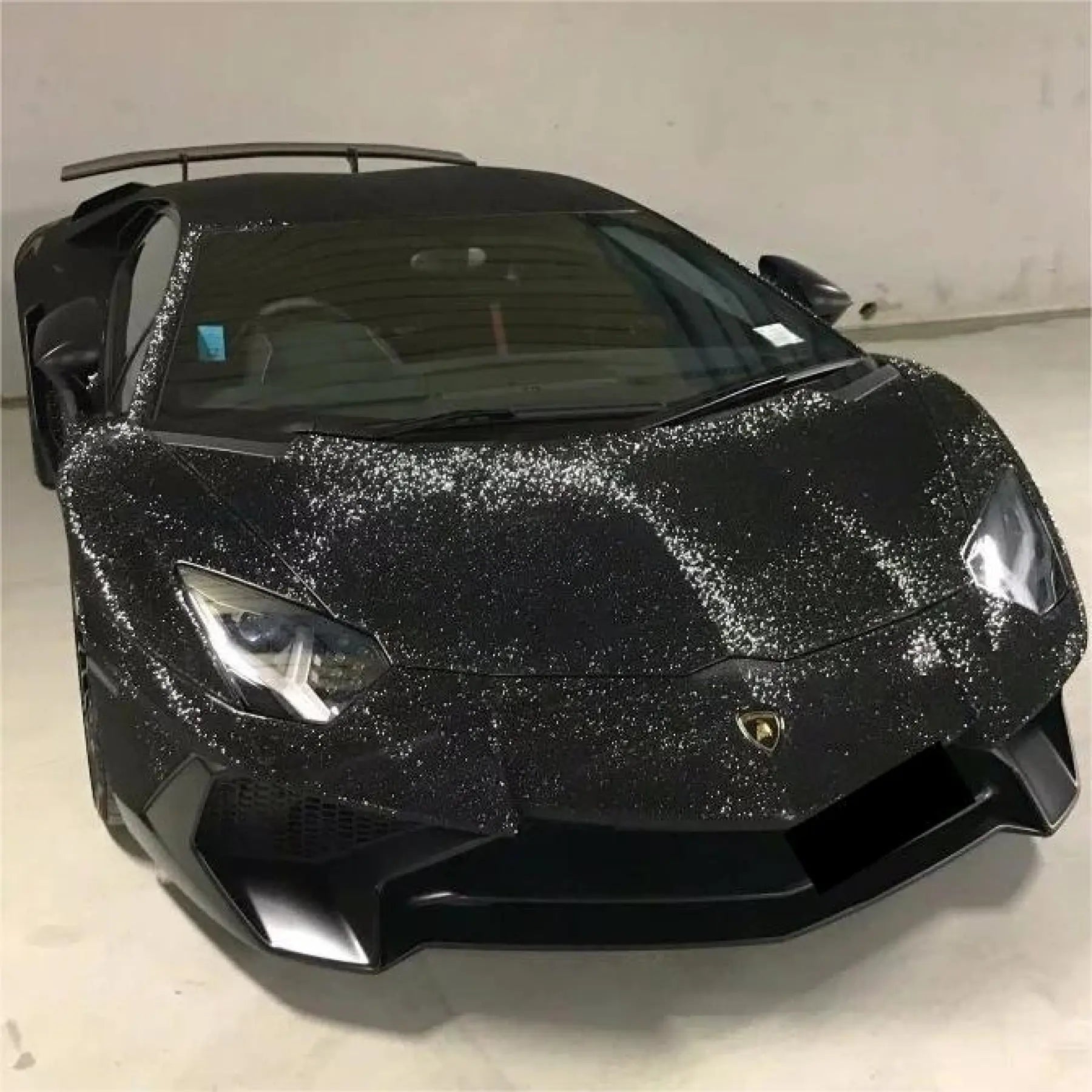


Understanding Vinyl Wrap Vulnerabilities: Know Your Enemy
Before implementing protection strategies, understanding what threatens your vinyl wrap enables targeted defense. According to automotive customization research, improper care accounts for 25% of premature wrap damage, while environmental factors contribute significantly to degradation.
Primary Threats to Vinyl Wraps
UV Radiation Damage The sun's ultraviolet rays represent the single greatest threat to vinyl longevity. Prolonged UV exposure causes:
- Color fading and discoloration
- Vinyl brittleness and cracking
- Edge peeling and adhesive breakdown
- Yellowing in clear or light-colored wraps
- Surface oxidation
Studies indicate that unprotected wraps in high-sun environments can show visible degradation within 12-18 months versus 5-7 years with proper UV protection.
Physical Impact Threats Road debris, scratches, and abrasions compromise wrap integrity:
- Rock chips and road gravel impacts
- Parking lot door dings and shopping cart scratches
- Key scratches and vandalism
- Tree branch abrasions
- Improper washing techniques causing swirl marks
Chemical and Environmental Contaminants Various substances aggressively attack vinyl surfaces:
- Bird droppings (highly acidic, damaging within 48 hours)
- Tree sap and pollen
- Road salt and de-icing chemicals
- Fuel spills and automotive fluids
- Industrial fallout and acid rain
- Harsh cleaning chemicals
Temperature Extremes Extreme heat and cold create unique challenges:
- Heat causes vinyl shrinkage and adhesive softening
- Cold temperatures induce brittleness and cracking risk
- Rapid temperature fluctuations stress material flexibility
- Ice scraping damages surface texture
Understanding these threats allows strategic protection deployment. Sailifilm's premium vinyl collections, including metallic wraps and 3D carbon fiber, incorporate advanced UV-resistant polymers, but supplementary protection maximizes longevity.
Strategic Protection Layer 1: Environmental Defense
UV Protection Protocols
Parking Strategies Your first line of defense against UV damage costs nothing but requires discipline:
- Garage Storage: Indoor parking reduces UV exposure by 100%, dramatically extending wrap life
- Covered Parking Structures: Utilize parking garages, carports, or awnings whenever available
- Shade Selection: When outdoor parking is unavoidable, actively seek shaded areas
- Strategic Positioning: Orient vehicle to minimize direct sun on horizontal surfaces (hood, roof, trunk)
UV-Resistant Car Covers For vehicles stored outdoors, high-quality car covers provide essential protection:
- Choose breathable, UV-resistant materials
- Ensure proper fit to prevent wind abrasion
- Apply only on clean, dry wraps to avoid trapped moisture
- Remove periodically to inspect wrap condition
UV Protectant Applications Specialized UV protectant sprays add a defensive barrier:
- Apply every 3-6 months depending on sun exposure
- Choose products specifically formulated for vinyl wraps
- Avoid silicone-based protectants that attract contaminants
- Test on inconspicuous areas before full application
For our rainbow laser vinyl wrap collection with holographic finishes, UV protection is critical to maintain color-shifting effects and prevent premature fading.
Weather-Specific Protection Strategies
Summer Heat Defense (Above 85°F/29°C) High temperatures accelerate degradation:
- Park in shade or covered areas during peak sun hours (10 AM - 4 PM)
- Avoid dark-colored interiors that radiate heat onto wraps
- Apply heat-resistant UV protectants before summer season
- Increase washing frequency to remove heat-intensifying contaminants
- Monitor wrap edges for heat-induced lifting
Winter Cold Protection (Below 32°F/0°C) Cold weather demands specific care protocols:
- Never use ice scrapers directly on vinyl wraps
- Use de-icing sprays designed for vinyl surfaces
- Warm vehicle gradually to prevent thermal shock
- Remove road salt immediately after winter drives
- Avoid pressure washing in freezing temperatures
- Store indoors when possible during severe cold snaps
Our crystal vinyl wrap collection with glossy finishes particularly benefits from winter protection to maintain clarity.
Spring & Fall Transition Care Fluctuating temperatures and increased precipitation require vigilance:
- Spring Threats: Pollen accumulation, tree sap, increased bird activity
- Fall Hazards: Wet leaves, mud, temperature swings
- Immediate removal of organic contaminants
- Increased inspection frequency for adhesive integrity
- Protective coatings before seasonal transitions
Storm and Extreme Weather Protocols
For severe weather events:
- Move vehicles to covered locations when possible
- Apply protective covers if outdoor storage is unavoidable
- Remove debris immediately after storms
- Inspect for damage: lifted edges, scratches, embedded debris
- Address damage promptly to prevent expansion
Strategic Protection Layer 2: Advanced Protective Coatings
Ceramic Coating for Vinyl Wraps
Ceramic coating technology represents the gold standard for vinyl wrap protection. Unlike traditional waxes, nano-ceramic coatings bond at the molecular level, creating a semi-permanent protective shell.
Ceramic Coating Benefits:
- Hydrophobic Properties: Water beads and rolls off, carrying contaminants away
- UV Barrier: Blocks up to 95% of harmful ultraviolet radiation
- Chemical Resistance: Protects against acid rain, bird droppings, and road salt
- Scratch Resistance: Hardened surface resists swirl marks and light scratches
- Enhanced Gloss: Amplifies depth and shine (ideal for liquid chrome wrap)
- Easier Cleaning: Contaminants slide off rather than adhering
- Extended Longevity: 3-5 year protection with proper maintenance
Application Guidelines:
- Wait 7-10 days after wrap installation before ceramic coating
- Professional application recommended for optimal results
- Ensure wrap surface is pristine before coating
- Reapply every 3-4 years for continuous protection
Important Note: Test ceramic coatings on small, inconspicuous areas first, as some formulations may slightly alter the appearance of certain wrap finishes, particularly ultra-matte wraps.
Paint Protection Film Over Vinyl Wrap
For maximum protection, particularly on high-impact areas, applying paint protection film (PPF) over vinyl creates an impenetrable defense system.
PPF Over Vinyl Advantages:
- Supreme protection from rock chips and road debris
- Self-healing properties eliminate minor scratches
- UV protection preserves vinyl color and finish
- Chemical resistance superior to all alternatives
- Maintains wrap appearance for 10+ years
- Ideal for racing vehicles and daily drivers
Strategic PPF Application Zones: High-impact areas benefit most from PPF overlay:
- Front bumper and lower fascia
- Hood leading edge
- Side mirror caps
- Door edges and handles
- Rocker panels
- A-pillars and roof leading edge
Sailifilm's TPU paint protection wrap collection offers transparent protection that preserves your wrap's aesthetic while providing unmatched defense. For color transformation with built-in protection, our colored paint protection film combines both functions seamlessly.
Cost-Benefit Analysis:
- PPF over vinyl installation: $1,500-$3,500 (high-impact areas)
- Vinyl wrap replacement: $2,500-$5,000 (full vehicle)
- ROI: PPF protection extends wrap life 2-3x, easily justifying investment
Spray Sealants and Quick Detailers
For regular maintenance between deep cleaning:
- Vinyl-Specific Spray Sealants: Provide temporary protection, applied every 1-2 weeks
- Quick Detailers: Remove light dust and fingerprints without water
- UV Spray Protectants: Reapply monthly for continuous sun defense
Strategic Protection Layer 3: Proper Washing and Maintenance
The Two-Bucket Hand Washing Method
Hand washing remains the safest cleaning method for vinyl wraps, preventing 90% of wash-induced damage when performed correctly.
Equipment Required:
- Two 5-gallon buckets
- Grit guards for both buckets
- pH-neutral car wash soap (specifically for vinyl)
- Soft microfiber wash mitts (multiple)
- Microfiber drying towels
- Silicone squeegee
- Gentle spray nozzle
Step-by-Step Washing Protocol:
Step 1: Pre-Rinse (5 minutes)
- Use clean water with spray nozzle
- Rinse top-to-bottom to remove loose dirt
- Never use high-pressure directly on wrap edges
- Ensure complete surface wetting
Step 2: Soap Application (10-15 minutes)
- Fill first bucket with pH-neutral soap solution
- Fill second bucket with clean rinse water
- Start washing from top panels, working downward
- Use straight, gentle strokes (never circular motions)
- Rinse mitt in clean water bucket after each panel
- Replace mitt if heavily contaminated
- Never scrub aggressively—let soap do the work
Step 3: Final Rinse (5 minutes)
- Thoroughly rinse all soap residue
- Pay special attention to panel gaps and edges
- Use gentle water pressure
- Ensure no soap remains to prevent spotting
Step 4: Drying (10 minutes)
- Use silicone squeegee to remove bulk water
- Pat dry (never rub) with clean microfiber towels
- Air drying acceptable in shade
- Prevent water spotting by immediate drying
Washing Frequency:
- Weekly washing for daily drivers
- Bi-weekly for garage-kept vehicles
- After every long trip or highway driving
- Immediately after exposure to contaminants
- 2-3 times weekly in harsh environments
This method works perfectly for all Sailifilm products, from dual-color dream vinyl to delicate finishes.
Automated Car Wash Guidelines
While hand washing is preferred, time constraints may necessitate automated washing. Follow these critical guidelines:
Acceptable:
- Touchless/brushless car washes only
- Soft-cloth systems (inspect for cleanliness first)
- Temperature below 140°F (60°C)
- Pressure under 1,200 PSI
Never Use:
- Brush-based automatic car washes (guaranteed damage)
- High-pressure wash systems near edges
- Wax options (petroleum distillates damage vinyl)
- Hot air dryers at close range
Pressure Washing Safety Protocols
If pressure washing is necessary:
- Maximum Pressure: 2,000 PSI or lower
- Spray Pattern: 40-degree wide angle nozzle minimum
- Distance: Maintain 12+ inches from surface
- Temperature: Below 140°F (60°C)
- Edge Caution: Never direct spray at wrap edges
- Technique: Perpendicular angle, constant motion
Specialty Finish Care
Different wrap types require customized care:
Matte Finish Protection (Ultra-Matte Wraps)
- Never use waxes, polishes, or traditional sealants
- Avoid all products that add shine
- Use only matte-specific ceramic coatings
- Pat dry rather than rubbing to prevent sheen spots
- More frequent cleaning needed (shows dirt easily)
Chrome and Metallic Finishes (Liquid Chrome, Metallic Vinyl)
- Extra gentle washing to prevent scratching reflective surface
- Microfiber towels only (never terry cloth)
- Ceramic coating highly recommended for shine enhancement
- Spot clean fingerprints immediately with isopropyl alcohol solution (50/50 water mix)
Glitter and Sparkle Finishes (Glitter Sparkle Wrap)
- Textured surface requires gentle cleaning
- Avoid high-pressure washing that could lift glitter particles
- Use foam wash mitts to navigate texture
- Extended drying time for textured surfaces
Carbon Fiber Patterns (3D Carbon Fiber Wrap)
- Maintain pattern alignment awareness during cleaning
- Avoid aggressive scrubbing that might disturb texture
- UV protection critical to prevent pattern fading
Strategic Protection Layer 4: Contaminant Management
Immediate Threat Removal
Time-sensitive contaminants require immediate action to prevent permanent damage:
Bird Droppings (Remove Within 24 Hours) Bird waste contains uric acid that etches vinyl:
- Soak affected area with warm, soapy water (5 minutes)
- Gently wipe with soft microfiber cloth
- Rinse thoroughly
- Dry completely
- Apply spot protectant
Tree Sap (Remove Within 48 Hours) Sap hardens and bonds to vinyl over time:
- Apply isopropyl alcohol (70%) to cloth
- Gently dab and hold (do not rub)
- Sap should dissolve gradually
- Wipe clean with soapy water
- Rinse and dry
Bug Splatter (Remove Within 24 Hours) Insect remains contain acids and enzymes:
- Spray with dedicated bug remover
- Let solution dwell (2-3 minutes)
- Gently wipe with microfiber cloth
- Rinse thoroughly
- Reapply protectant to affected area
Fuel Spills (Remove Immediately) Gasoline and diesel degrade vinyl adhesive:
- Wipe immediately with dry cloth
- Follow with wet paper towel at gas station
- Wash affected area thoroughly at home
- Inspect adhesive integrity after 24 hours
Road Tar and Asphalt (Remove Within 1 Week) Petroleum-based road materials bond aggressively:
- Use dedicated tar remover safe for vinyl
- Apply to cloth (never spray directly on wrap)
- Gently dab affected area
- Wipe clean and rinse
- Avoid scraping tools
Preventive Parking Strategies
Strategic parking prevents many contamination issues:
Avoid:
- Parking under trees (sap, pollen, bird droppings)
- Industrial areas (chemical fallout)
- Construction zones (dust, debris, paint overspray)
- Near dumpsters or restaurants (grease, food waste)
- Coastal areas without protection (salt spray)
Prefer:
- Clean, covered parking structures
- Indoor garage storage
- Open parking lots away from trees
- Climate-controlled environments
Strategic Protection Layer 5: Inspection and Maintenance Schedule
Weekly Inspection Checklist
Regular inspections catch problems before they escalate:
Visual Inspection:
- Check all edges for lifting or peeling
- Examine high-impact areas for damage
- Look for discoloration or fading
- Identify new scratches or abrasions
- Check for trapped contaminants
Physical Inspection:
- Gently feel edges for adhesion
- Test seams and overlaps
- Verify texture consistency
- Check for bubbles or wrinkles
Contaminant Check:
- Scan for bird droppings, sap, bugs
- Identify fuel or fluid stains
- Look for road tar or asphalt
- Check for pollen or tree debris
Monthly Deep Maintenance
Comprehensive Cleaning:
- Full hand wash using two-bucket method
- Clean wheel wells and undercarriage
- Detail door jambs and edges
- Clean windows and trim
Protection Reapplication:
- Apply UV protectant spray
- Reapply quick detailer/sealant
- Touch up any damaged areas
- Verify ceramic coating integrity
Detailed Inspection:
- Photograph wrap from multiple angles
- Document any changes or damage
- Compare to previous month's photos
- Address issues immediately
Seasonal Maintenance Protocol
Spring Preparation:
- Deep clean after winter salt exposure
- Repair any winter damage
- Apply fresh protective coatings
- Inspect adhesive after temperature changes
Summer Defense:
- Intensify UV protection
- Increase washing frequency
- Monitor for heat-induced issues
- Park strategically to avoid sun
Fall Prevention:
- Prepare for temperature fluctuations
- Remove leaves and organic debris promptly
- Apply protective coatings before winter
- Inspect for summer UV damage
Winter Protection:
- Remove salt immediately after drives
- Avoid cold-weather pressure washing
- Store indoors when possible
- Monitor edges for cold-induced lifting
Strategic Protection Layer 6: Professional Services and Tools
Essential Protection Tools
Invest in quality tools for optimal results. The Sailifilm Professional Car Tool Wrapping Kit 14-in-1 includes essential maintenance equipment:
Must-Have Tools:
- Premium microfiber towels (at least 12)
- Soft foam wash mitts (multiple for rotation)
- pH-neutral vinyl wrap soap
- Vinyl-safe spray sealant
- UV protectant spray
- Soft-bristle detailing brushes
- Silicone squeegee
- Spray bottles for solutions
- Bug and tar remover (vinyl-safe)
- Isopropyl alcohol (70% concentration)
Professional Maintenance Services
Consider professional services annually:
Professional Detailing:
- Expert inspection and assessment
- Professional-grade cleaning
- Advanced protection application
- Minor repair and touch-up
Ceramic Coating Application:
- Professional prep and application
- Superior bonding and coverage
- Extended warranty options
- Periodic inspection and reapplication
Damage Repair:
- Professional wrap repair for tears
- Edge resealing services
- Panel replacement when necessary
- Color matching for repairs
Strategic Protection Layer 7: Storage and Long-Term Preservation
Indoor Storage Best Practices
For vehicles stored for extended periods:
Climate Control:
- Maintain 60-75°F (15-24°C) temperature
- 40-60% relative humidity
- Avoid temperature fluctuations
- Ensure proper ventilation
Preparation Protocol:
- Wash and dry thoroughly before storage
- Apply protective ceramic coating
- Cover with breathable car cover
- Elevate on jack stands (optional, for long-term)
- Place moisture absorbers inside vehicle
Periodic Maintenance During Storage:
- Inspect monthly for moisture or pests
- Remove cover and air out quarterly
- Start engine and move vehicle slightly
- Check wrap condition and edges
Outdoor Storage Protection
When indoor storage isn't available:
Required Protection:
- High-quality, UV-resistant car cover
- Secure cover to prevent wind damage
- Elevate cover slightly to prevent contact damage
- Remove and air out weekly
Additional Measures:
- Portable carport or shelter
- Strategic positioning for shade
- Regular cleaning when used
- More frequent inspection schedule
Strategic Protection Layer 8: Longevity Optimization
Expected Lifespan by Protection Level
Protection strategies dramatically impact wrap longevity:
Minimal Protection (Basic Washing Only):
- Outdoor parking, infrequent cleaning
- Expected lifespan: 1-2 years
- Significant fading and damage
Standard Protection (Regular Washing, UV Spray):
- Mixed parking, weekly washing, UV protection
- Expected lifespan: 3-4 years
- Moderate wear, some fading
Advanced Protection (All Strategies, Ceramic Coating):
- Garage parking, comprehensive care, ceramic coating
- Expected lifespan: 5-7 years
- Minimal wear, excellent appearance
Maximum Protection (PPF Overlay, Indoor Storage):
- Climate-controlled storage, PPF overlay, professional maintenance
- Expected lifespan: 8-10+ years
- Like-new appearance maintained
ROI Calculation
Protecting your wrap investment makes financial sense:
Initial Investment:
- Quality vinyl wrap installation: $2,500-$5,000
- Ceramic coating: $800-$1,500
- Protection tools and products: $200-$400
- Total: $3,500-$6,900
Protection Strategy Costs (Annual):
- Cleaning products: $100-$200
- UV protectants and sealants: $50-$100
- Professional detailing (2x yearly): $300-$600
- Annual total: $450-$900
Avoided Costs:
- Premature wrap replacement: $2,500-$5,000
- Paint damage repairs: $500-$2,000
- Vehicle value depreciation: $1,000-$3,000
Net Benefit: Comprehensive protection extends wrap life 2-3x and prevents costly repairs, saving $5,000-$10,000 over vehicle ownership.
Common Mistakes That Destroy Vinyl Wraps
Critical Errors to Avoid
Mistake #1: Using Incorrect Cleaning Products
- Household cleaners (damage vinyl)
- Wax products (petroleum distillates)
- Abrasive polishes (scratch surface)
- Solvent-based cleaners (dissolve adhesive)
Mistake #2: Aggressive Washing Techniques
- Brush car washes (guaranteed damage)
- High-pressure washing near edges
- Circular scrubbing motions (swirl marks)
- Dirty or contaminated wash tools
Mistake #3: Neglecting Environmental Threats
- Ignoring bird droppings for days
- Leaving sap or tar untreated
- Allowing prolonged sun exposure
- Parking under trees regularly
Mistake #4: Improper Installation Environment
- Installing in direct sunlight
- Applying in cold temperatures
- Dusty or contaminated workspace
- Rushing installation process
Mistake #5: Delayed Damage Repair
- Ignoring lifted edges
- Leaving tears unaddressed
- Allowing small damage to expand
- Postponing professional repairs
Troubleshooting Common Wrap Issues
Edge Lifting
Causes:
- Inadequate initial adhesion
- Chemical exposure
- Improper cleaning near edges
- Temperature cycling
Solutions:
- Apply heat gun (low setting) and press down
- Use edge sealer specifically for vinyl
- Professional resealing if extensive
- Prevention: avoid pressure washing edges
Discoloration or Fading
Causes:
- Excessive UV exposure
- Chemical contaminants
- Low-quality vinyl material
- Lack of protective coatings
Solutions:
- Increase UV protection measures
- Apply ceramic coating
- Color restoration polish (if appropriate)
- Replacement if severe
Bubbling or Wrinkling
Causes:
- Trapped moisture during installation
- Insufficient squeegee pressure
- Temperature issues during install
- Adhesive failure
Solutions:
- Pierce small bubbles and squeegee out
- Heat application for wrinkles
- Professional repair for extensive issues
- Prevention: proper installation technique
Sailifilm Product-Specific Protection Recommendations
Best Sellers Collection Protection
Our best sellers collection features the most popular finishes, each with specific care requirements:
High-Gloss Finishes:
- Ceramic coating highly recommended
- Show swirls and scratches easily
- Weekly washing essential
- Avoid automated washes
Specialty Finishes:
- Test all products on inconspicuous areas
- Gentle cleaning methods only
- Avoid all abrasive materials
- Professional maintenance recommended
Sample Kit Testing
Before committing to full vehicle wraps, utilize sample kits to:
- Test protection products on small sections
- Evaluate cleaning methods
- Assess finish compatibility with coatings
- Determine maintenance requirements
Conclusion: Implementing Your Complete Defense System
Protecting your vinyl wrap investment requires a multi-layered, strategic approach. By implementing the eight protection layers outlined in this guide, you ensure your Sailifilm wrap maintains showroom appearance for years while maximizing return on investment.
Quick Implementation Checklist:
✓ Layer 1 - Environmental Defense: Secure garage parking or quality car cover ✓ Layer 2 - Advanced Coatings: Schedule ceramic coating application ✓ Layer 3 - Proper Washing: Establish weekly hand-washing routine ✓ Layer 4 - Contaminant Management: Immediate removal protocols in place ✓ Layer 5 - Inspection Schedule: Weekly checks, monthly deep maintenance ✓ Layer 6 - Professional Tools: Acquire quality maintenance equipment ✓ Layer 7 - Storage Optimization: Climate-controlled or protected storage ✓ Layer 8 - Longevity Focus: Long-term protection strategy commitment
Remember: The cost of comprehensive wrap protection is minimal compared to premature replacement. A $500 annual investment in protection products and services preserves a $3,000-$5,000 wrap for 5-7+ years instead of 2-3 years with neglect.
Whether you've chosen the eye-catching brilliance of our liquid chrome wrap, the sophisticated elegance of ultra-matte finishes, the dynamic appeal of dual-color dream vinyl, or the protective excellence of our TPU paint protection wrap, following these protection strategies ensures your investment delivers maximum value and stunning appearance for years to come.
Ready to protect your wrap investment? Explore Sailifilm's complete range of premium vinyl wraps and professional installation tools to transform and protect your vehicle with industry-leading materials designed for longevity and performance.
External Resources:

