

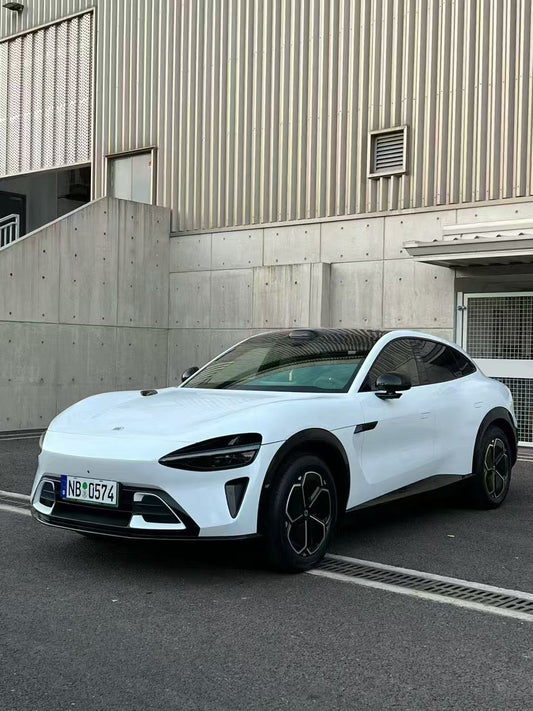
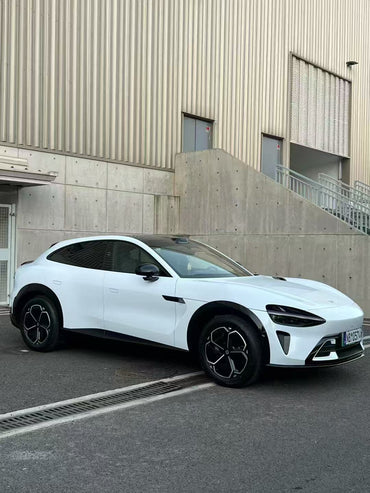
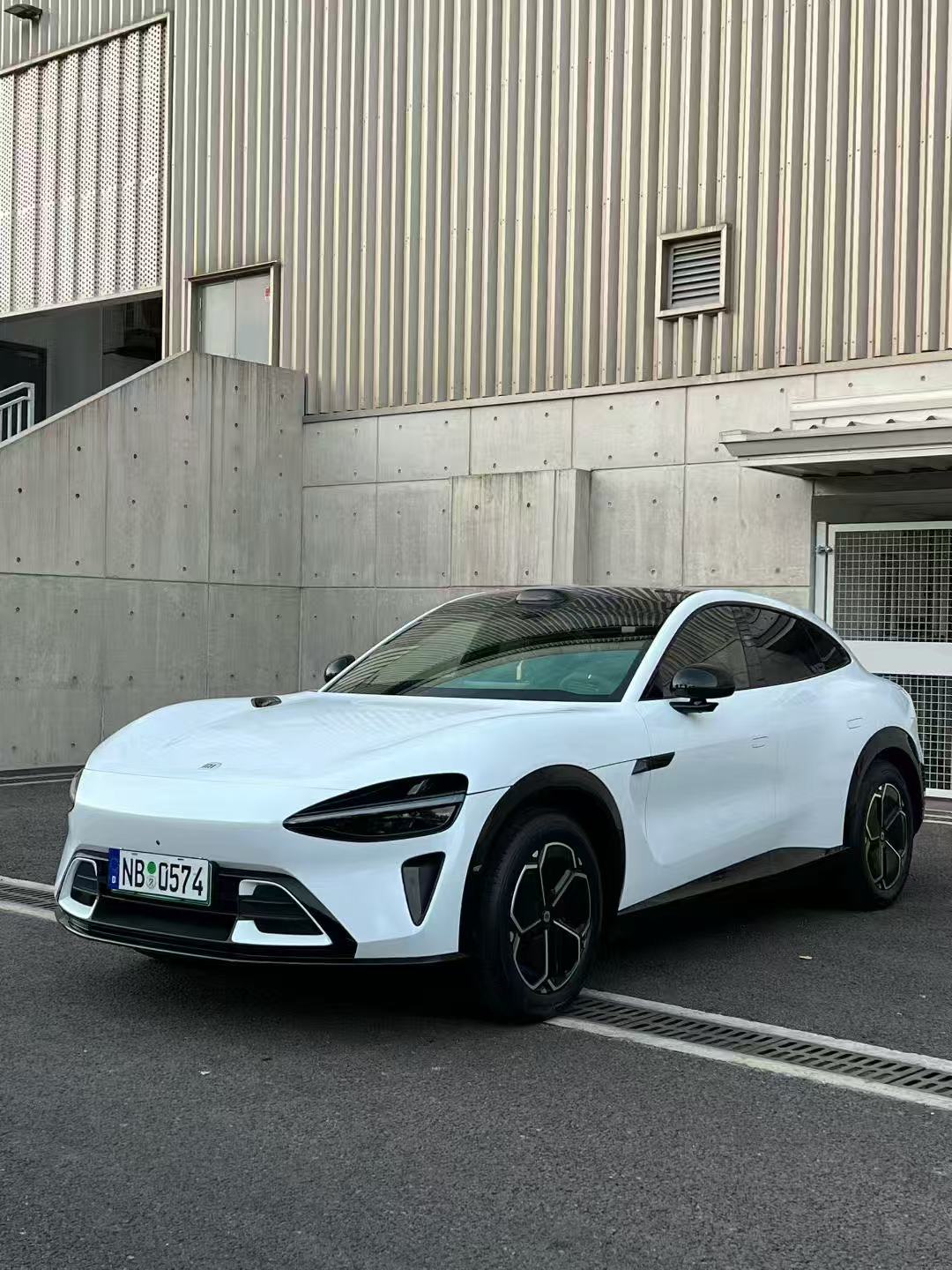


Understanding the Basics: What Are Vinyl Wraps and PPF?
What is a Vinyl Wrap?
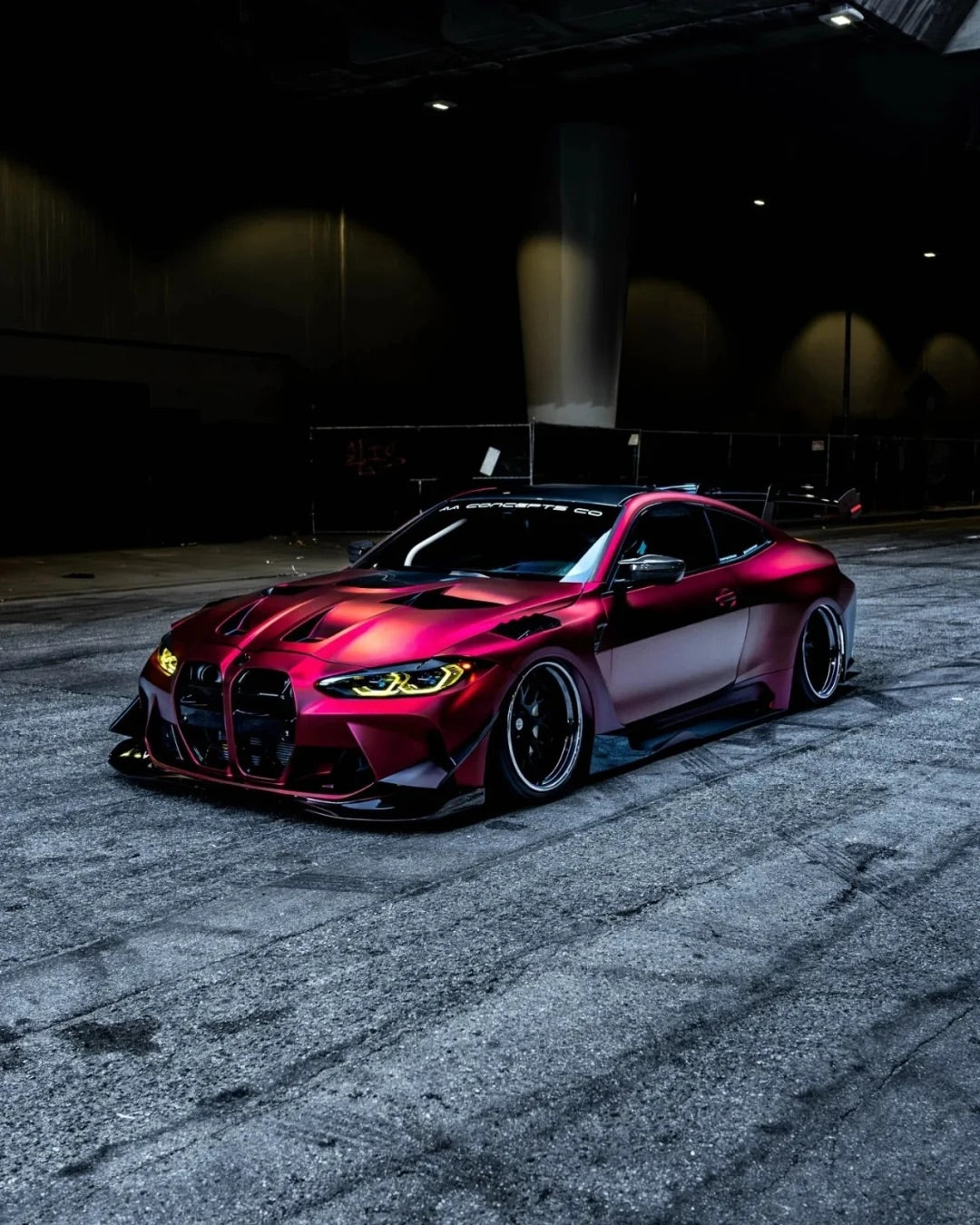
A car vinyl wrap is a flexible film made from polyvinyl chloride that adheres to your vehicle's painted surfaces. Available in hundreds of colors, finishes, and textures, vinyl wraps allow you to completely transform your car's appearance without permanent paint modification. From ultra matte finishes to metallic vinyl wraps, the customization possibilities are virtually endless.
Vinyl wraps typically measure between 2 to 4 mils in thickness and are designed primarily for aesthetic enhancement. They can protect against minor scratches and UV damage while allowing car owners to express their personal style through unique colors and designs. The reversible nature of vinyl wraps makes them particularly appealing for leased vehicles or those who enjoy changing their car's look periodically.
What is Paint Protection Film?
Paint protection film, commonly known as PPF or clear bra, is a transparent or colored thermoplastic polyurethane film designed specifically for protecting your vehicle's paint from physical damage. The TPU paint protection wrap collection offers both 7.5mil and 8.5mil options in gloss and matte finishes, providing superior defense against rock chips, scratches, road debris, and environmental contaminants.
What sets PPF apart is its advanced self-healing technology. Minor scratches and swirl marks disappear when exposed to heat from sunlight or warm water. This remarkable feature keeps your vehicle looking flawless with minimal maintenance effort. Modern PPF also includes anti-yellowing formulations, UV resistance, and hydrophobic properties that make cleaning easier while ensuring long-lasting clarity.
Key Differences Between Vinyl Wrap and PPF
Material Composition
The fundamental difference between these two products lies in their material composition. Vinyl wraps are made from polyvinyl chloride, a flexible plastic that excels at holding vibrant colors and unique finishes. PPF is constructed from thermoplastic polyurethane, a stronger and more flexible material designed to absorb impacts and protect against physical damage. This difference in materials directly affects each product's performance characteristics and intended applications.
Protection Level
If protection is your primary concern, PPF delivers superior results. Its thickness, ranging from 6 to 10 mils, allows it to absorb impacts from rock chips, road debris, and minor collisions that would penetrate vinyl wraps. The self-healing topcoat repairs minor scratches automatically, maintaining a pristine appearance without intervention. Vinyl wraps offer some protection against UV rays, light scratches, and minor abrasions, but they cannot match PPF's impact resistance.
Customization Options
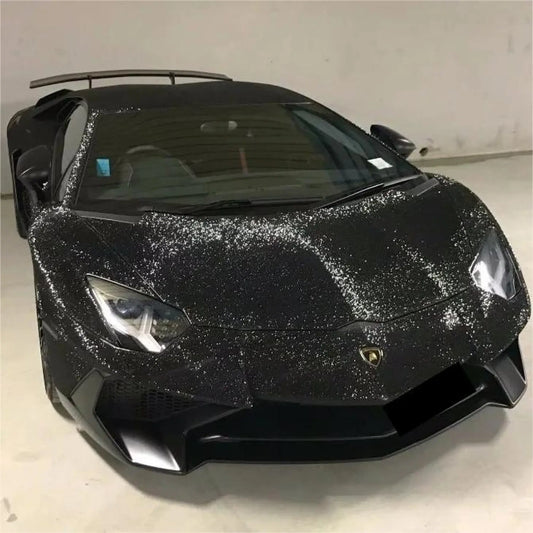
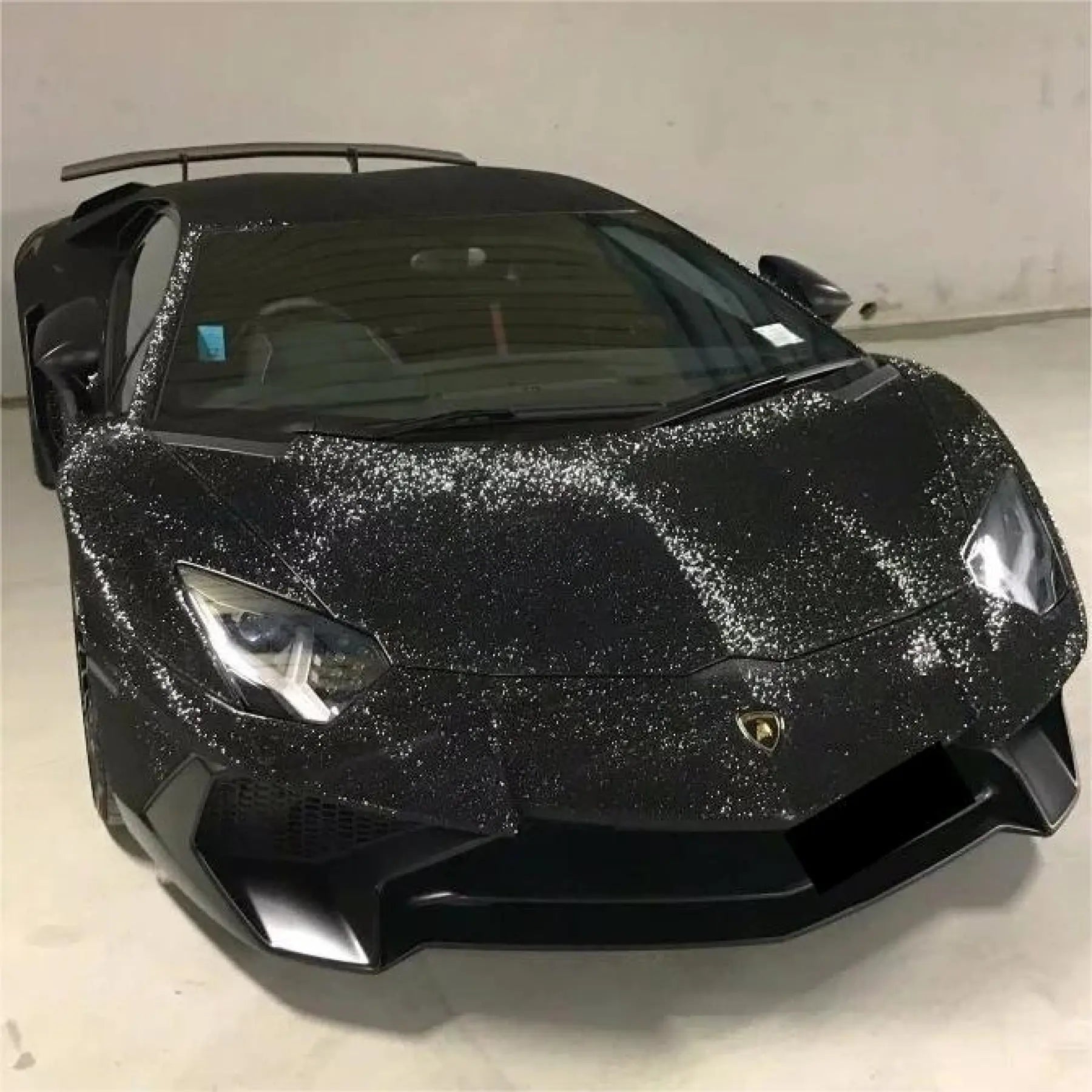
Vinyl wraps excel in the customization department. The range of available options is staggering, from the crystal gloss series featuring colors like Apple Green, Maize Yellow, and Nardo Grey, to specialty finishes in the rainbow laser collection with Galaxy Chameleon and Aurora Metallic options. The glitter sparkle car wrap adds diamond sparkle effects in Pink, Black, and Silver for those seeking maximum visual impact.
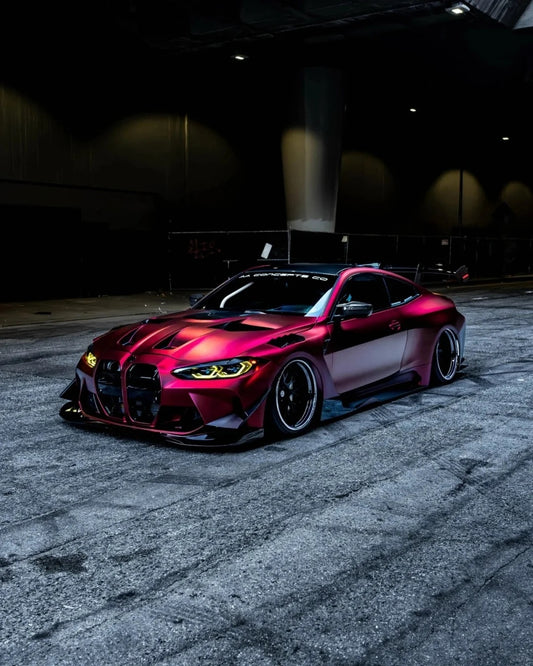
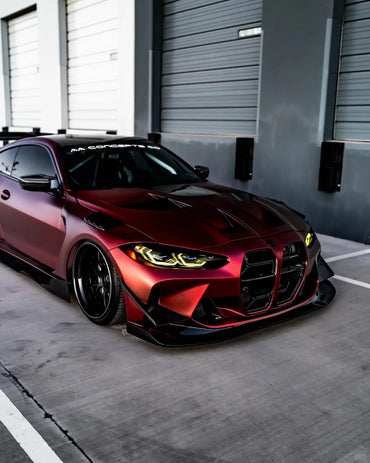
Traditional PPF was limited to clear, transparent films. However, the evolution of colored paint protection film has changed the game. Now you can get PPF in stunning colors like Ferrari Red, Crystal Sky Blue, Blood Red, Arctic Grey, and Piano Black while maintaining the superior protection characteristics of thermoplastic polyurethane. This development gives car owners the best of both worlds: aesthetic transformation and premium protection in a single application.
Durability and Lifespan
Paint protection film generally outlasts vinyl wraps by a significant margin. High-quality PPF can protect your vehicle for 5 to 10 years with proper care, with some premium options lasting even longer. Many manufacturers back their products with extensive warranties, reflecting confidence in the material's durability. Vinyl wraps typically last 3 to 5 years, depending on environmental conditions, maintenance, and material quality. Factors like sun exposure, extreme temperatures, and frequency of washing affect longevity for both products.
Cost Comparison: Vinyl Wrap vs PPF
Budget plays a significant role in choosing between vinyl wrap and PPF. Vinyl wraps are generally more affordable, with full vehicle coverage typically costing less than PPF. The lower material costs and faster installation times contribute to this price difference. For car owners seeking dramatic aesthetic changes without breaking the bank, vinyl wraps offer excellent value.
Paint protection film represents a larger upfront investment but delivers greater long-term value through superior durability and protection. The higher cost reflects the advanced materials, self-healing technology, and extended lifespan. When calculating total cost of ownership over several years, PPF often proves more economical by eliminating the need for paint repairs, touch-ups, and frequent rewrapping.
Many vehicle owners opt for strategic combinations, applying PPF to high-impact areas like the hood, bumpers, and fenders while using vinyl wraps for styling on other panels. This approach maximizes protection where it matters most while keeping overall costs manageable.
The Colored PPF Revolution: Best of Both Worlds
The introduction of colored paint protection film represents one of the most significant advancements in automotive film technology. This innovation eliminates the traditional trade-off between protection and customization, allowing car owners to achieve stunning color transformations while enjoying all the benefits of TPU-based protection.
Colored PPF maintains all the protective properties of clear film: self-healing topcoat, impact absorption, UV resistance, and stain resistance. The added color layer is integrated into the TPU construction, ensuring it does not compromise the film's protective capabilities. Options like Gloss Crystal Light Pink, Crystal Orange, and Crystal White PPF provide vibrant color changes with protection that vinyl simply cannot match.
This technology is particularly valuable for luxury vehicle owners and enthusiasts who want unique aesthetics without sacrificing paint protection. The film shields against the everyday hazards that damage automotive paint: rock chips, bug splatter, bird droppings, tree sap, and harsh UV rays. When removed, the original paint beneath remains in pristine condition, preserving resale value.
Advanced Protection Features
Self-Healing Technology Explained
Self-healing technology is exclusive to paint protection films and represents a remarkable engineering achievement. The topcoat contains elastomeric polymers that flow and reform when heated, filling in minor scratches and swirl marks automatically. Simply parking your car in sunlight or applying warm water causes the film to repair itself, maintaining a smooth, flawless surface without any manual intervention. This feature alone justifies the price difference between PPF and vinyl wraps for many vehicle owners.
Hydrophobic Properties
Modern PPF incorporates hydrophobic coatings that cause water to bead up and roll off the surface, carrying dirt and contaminants with it. This water-repellent technology keeps your vehicle cleaner between washes and makes cleaning easier when you do wash it. The hydrophobic layer also provides additional protection against water spots and mineral deposits that can etch into unprotected surfaces. To learn more about the science behind these protective films, visit Wikipedia's article on paint protection film.
UV Protection and Anti-Yellowing
Both vinyl wraps and PPF offer UV protection, but PPF takes it a step further with advanced anti-yellowing formulations. Early paint protection films were notorious for developing a yellow tint over time, especially when exposed to intense sunlight. Modern TPU films incorporate UV stabilizers and optical brighteners that maintain crystal clarity for years. The 7.5mil and 8.5mil Clear PPF options provide invisible protection that enhances rather than diminishes your paint's appearance.
When Vinyl Wrap is the Right Choice
Vinyl wraps remain the preferred option for certain applications and priorities. If your primary goal is dramatic aesthetic transformation, vinyl delivers unmatched variety. The dual color dream series offers stunning color-shifting effects with combinations like Chameleon Green Blue, Candy Purple Pink, and Periwinkle Purple that change appearance based on viewing angle and lighting conditions.
The liquid chrome wrap collection provides wet-look gloss finishes in colors like British Racing Green, Indigo Blue, Cherry Red, and Avalon Green that mimic the depth of premium automotive paints. For those seeking distinctive textures, the 3D carbon fiber wrap adds motorsport-inspired aesthetics that cannot be achieved with PPF.
Vinyl wraps are also ideal for temporary applications. Business fleet vehicles often use vinyl for branding and advertising, with the ability to update graphics as marketing campaigns change. Car enthusiasts who enjoy frequently changing their vehicle's appearance appreciate vinyl's easier removal and lower cost per application compared to PPF.
When PPF is the Better Investment
Paint protection film becomes the clear choice when maximum protection is the priority. Highway driving exposes your vehicle's front end to constant bombardment from road debris. The hood, front bumper, fenders, and mirror caps face the highest risk of rock chip damage. PPF absorbs these impacts, preventing the chips and scratches that degrade paint and lead to rust formation.
Luxury vehicles, sports cars, and collectibles benefit enormously from PPF. These vehicles represent significant investments, and their value depends heavily on exterior condition. Flawless factory paint commands premium prices in the resale market, and PPF preserves that paint in original condition. Many collectors consider PPF an essential investment for protecting valuable automobiles. For industry news and developments, Automotive News provides regular coverage of automotive protection trends.
The self-healing feature proves particularly valuable for daily drivers that accumulate minor scratches through regular use. Shopping carts in parking lots, brushes at automatic car washes, and careless door openings leave marks that mar vinyl wraps but disappear from PPF with simple heat application. This self-maintenance capability reduces the effort required to keep your vehicle looking pristine.
Making Your Decision: Key Factors to Consider
Your Primary Goal
Start by identifying what matters most to you. If dramatic color change and style transformation drive your decision, vinyl wraps offer the most extensive options at a lower cost. If protecting your paint from damage and maintaining long-term value are priorities, PPF delivers superior results. For those wanting both aesthetics and protection, colored PPF provides the ultimate solution.
Vehicle Usage
Consider how you use your vehicle. Highway commuters face higher exposure to road debris and benefit more from PPF's impact resistance. Urban drivers primarily concerned with UV protection and minor scratches might find vinyl wraps sufficient. Off-road enthusiasts and performance drivers who push their vehicles hard should prioritize the robust protection of paint protection film.
Budget and Timeline
Your budget affects both immediate and long-term decisions. Vinyl wraps cost less upfront but may require replacement sooner. PPF costs more initially but lasts longer and provides greater protection. Consider your intended ownership period: if you plan to keep the vehicle for many years, PPF's longevity justifies the higher investment. For shorter ownership periods or leased vehicles, vinyl wraps may make more financial sense.
Installation and Maintenance Tips
Both vinyl wraps and PPF require proper surface preparation for optimal results. The vehicle must be thoroughly cleaned and decontaminated before application. Any existing scratches, swirl marks, or paint defects should be addressed first, as both products will highlight rather than hide underlying imperfections.
Professional installation is recommended for both products, especially for full vehicle applications. Experienced installers have the skills and tools to ensure bubble-free, seamless results that maximize both appearance and longevity. The investment in professional installation pays dividends through better adhesion, cleaner edges, and longer-lasting results. Having the right wrapping tools is essential for achieving professional-quality results.
Maintenance requirements differ between the two products. Vinyl wraps should be hand washed with pH-neutral soap and avoided in automatic car washes with brushes that can damage the film. Matte finishes require special care to avoid applying products that add unwanted shine. PPF maintenance is generally simpler, with the hydrophobic coating making washing easier and the self-healing feature handling minor scratches automatically.
Try Before You Decide
Making a decision between vinyl wrap and PPF becomes easier when you can see and feel the actual materials. Colors and finishes can look different in person compared to online images, and understanding the texture and flexibility of each product helps inform your choice. The sample kits allow you to examine various options before committing to a full vehicle application.
Viewing samples in different lighting conditions helps you understand how color-shifting and metallic finishes perform throughout the day. You can also assess the thickness and feel of PPF versus vinyl to better understand their protective capabilities. This hands-on evaluation reduces uncertainty and increases confidence in your final selection.
Conclusion
The choice between vinyl wrap and paint protection film ultimately depends on your priorities, budget, and how you use your vehicle. Vinyl wraps excel at aesthetic transformation, offering endless color and finish options at a lower cost. Paint protection film delivers superior defense against physical damage with self-healing technology and longer lifespan. Colored PPF bridges the gap, providing both protection and customization in a single application.
Consider combining both products for maximum benefit: PPF on high-impact areas for protection and vinyl wraps on visible panels for style. Whatever you choose, quality materials and proper installation ensure the best results. Explore the complete range of best-selling products to find the perfect protection strategy for your vehicle.
Colored PPF vs Traditional Vinyl: Complete Comparison
Best PPF Thickness for Your Needs
Understanding TPU vs PVC Materials
Top Protection Tips for Highway Driving

