



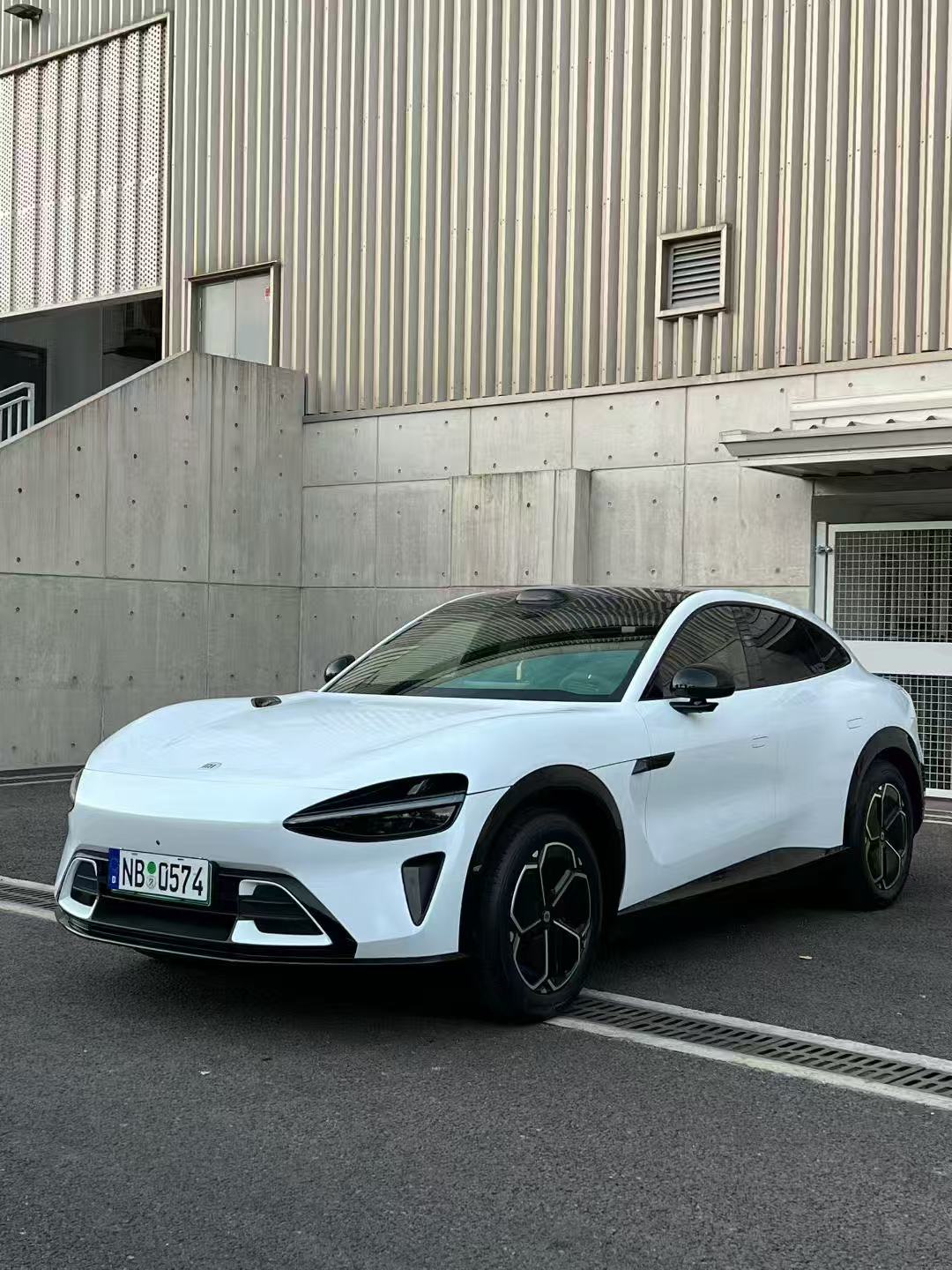


What is Self-Healing Paint Protection Film
Self-healing paint protection film is a transparent thermoplastic polyurethane layer applied to vehicle exteriors that protects paintwork from damage while possessing the remarkable ability to repair surface-level imperfections automatically. Unlike traditional protective coatings, TPU paint protection wrap contains specialized elastomeric polymers that enable the film to restore itself when exposed to heat. This technology originated from military applications where helicopter blades required protection from debris damage, and has since evolved into a sophisticated automotive protection solution.
The primary function of PPF extends beyond simple scratch resistance. Quality films like those in the Sailifilm colored paint protection film collection provide comprehensive defense against rock chips, road debris, bug splatter, bird droppings, tree sap, and harmful UV radiation. The self-healing component adds another dimension by ensuring that minor surface damage does not permanently affect the protective layer or your vehicle's appearance.
The Science Behind Self-Healing Technology
Understanding Elastomeric Polymers
At the core of self-healing PPF technology lies a specialized top layer infused with elastomeric polymers. According to research published on polymer science at Wikipedia, elastomers are polymers with viscoelasticity, meaning they possess both viscous and elastic characteristics. These materials function similarly to elastic bands, capable of returning to their original shape after being stretched or deformed. When incorporated into paint protection film, elastomeric polymers create a surface that can recover from minor impacts and scratches.
The molecular structure of thermoplastic polyurethane allows the material to maintain flexibility across a wide temperature range while providing excellent optical clarity and resistance to yellowing. This makes TPU the preferred material for premium clear PPF gloss invisible paint protection film products that preserve the original appearance of vehicle paintwork.
How Heat Activation Works
The self-healing process is triggered by heat, which activates the elastomeric polymers within the film. When PPF sustains minor scratches or abrasions, the following sequence occurs. First, heat energy from sources like sunlight, warm water, or ambient temperature increases molecular mobility within the top coat. Second, the softened polymers become more pliable and begin to flow. Third, as the polymer molecules rearrange themselves, they fill in surface imperfections and return to their original smooth state. Finally, upon cooling, the repaired surface retains its healed appearance.
This process resembles how human skin repairs minor cuts, though significantly faster. Heat brings PPF into its lowest energy state, where the molecular structure naturally smooths out disturbances. Most self-healing films respond optimally to temperatures between 60-80 degrees Celsius, though premium formulations can heal at ambient room temperature. Natural sunlight warming a parked vehicle is often sufficient to activate the healing mechanism within minutes to hours, depending on scratch severity and environmental conditions.
TPU vs PVC: Understanding Material Differences
Not all protective films offer self-healing capabilities. The material composition determines whether a film can repair itself. TPU-based films like Sailifilm's matte invisible paint protection film incorporate the elastomeric polymers necessary for self-healing, while traditional PVC vinyl wraps lack this advanced functionality.
TPU possesses several advantages over PVC. The material offers superior flexibility, allowing it to conform to complex vehicle curves and contours without bubbling or lifting. TPU demonstrates excellent resistance to UV rays, heat, and cold, meaning it is less likely to yellow, fade, or degrade over time. Films made from thermoplastic polyurethane typically last seven to ten years with proper maintenance, compared to three to five years for standard PVC vinyl wraps. Additionally, TPU can absorb impacts from road debris more effectively, providing better protection against rock chips and stone pecking.
Traditional car vinyl wrap products made from PVC serve different purposes. While vinyl wraps excel at customization with extensive color options, finishes, and textures, they are generally thinner and more susceptible to damage. PVC can become brittle in extreme temperatures, leading to potential cracking or peeling. For vehicle owners prioritizing protection over customization, TPU paint protection film represents the superior choice.
Key Benefits of Self-Healing PPF
Automatic Scratch Repair
The most significant advantage of self-healing PPF is its ability to repair minor scratches and swirl marks without manual intervention. Light surface abrasions from car washes, tree branches, or everyday handling can disappear within minutes to hours when the film is exposed to heat. This self-maintaining characteristic means the protective layer remains effective throughout its lifespan, reducing the need for frequent replacement or professional correction services.
Comprehensive Paint Protection
Beyond self-healing, PPF provides a physical barrier against numerous threats to your vehicle's paintwork. Road debris and rock chips that would normally cause permanent damage are absorbed by the film's durable polyurethane layer. Environmental contaminants including acid rain, industrial fallout, and insect residue cannot penetrate to the underlying paint. UV radiation that causes color fading is blocked by the film's optical properties. Products like Sailifilm's gloss crystal color PPF offer both protection and aesthetic enhancement in various colors including Ferrari Red, Sky Blue, and Arctic Grey.
Hydrophobic Properties
Premium self-healing films often incorporate hydrophobic top coats that repel water and contaminants. This water-repellent surface causes liquids to bead and roll off, making the vehicle easier to clean while preventing water spots and mineral deposits from forming. The hydrophobic layer also resists staining from road grime, oil spots, and other common automotive contaminants. According to industry analysis reported by SEMA automotive trends research, these combined properties significantly reduce maintenance time and costs for vehicle owners.
Preserved Resale Value
Maintaining a vehicle's exterior in pristine condition directly impacts resale value. Self-healing PPF ensures that the underlying paintwork remains protected from damage that would otherwise require expensive repair or repainting. When the film is eventually removed, the original factory finish appears as new, allowing sellers to command higher prices. For luxury and collector vehicles, this protection becomes particularly valuable as buyers increasingly expect immaculate condition.
Where to Apply Self-Healing PPF
Strategic application of paint protection film maximizes value while managing costs. High-impact areas that benefit most from self-healing PPF include the front hood where rock chips are most common, front bumper and fender edges exposed to road debris, side mirrors vulnerable to parking lot damage, door edges and handles subject to fingernail scratches, rocker panels along the lower body, and A-pillars adjacent to the windshield. Full vehicle wraps provide comprehensive protection but represent a larger investment. Many vehicle owners opt for partial coverage focusing on the most vulnerable panels.
Beyond Protection: Customization with Premium Films
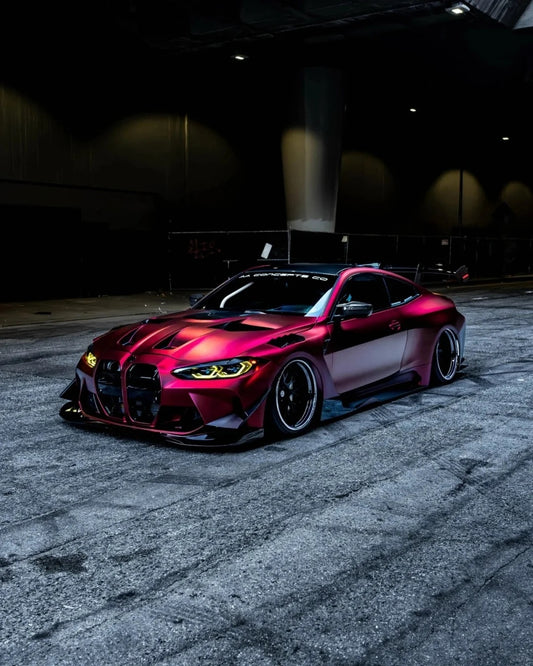
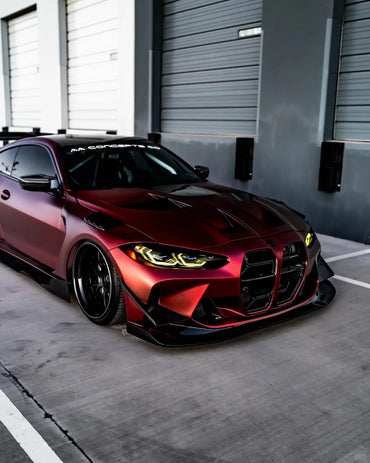
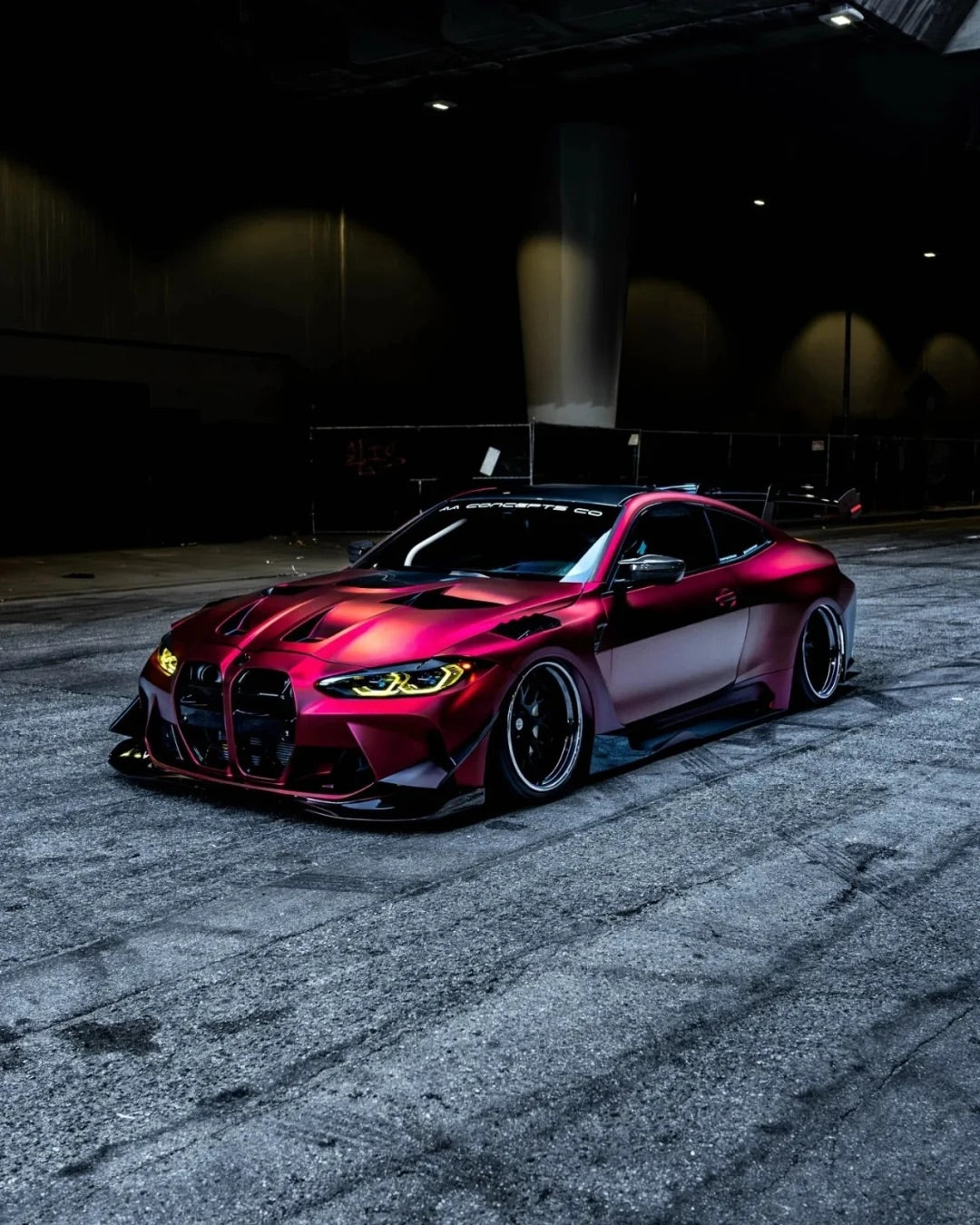
While self-healing clear PPF protects without altering appearance, modern film technology allows for both protection and customization. Sailifilm offers extensive options for vehicle owners seeking unique aesthetics alongside premium protection.
For eye-catching finishes, the rainbow laser vinyl wrap collection features galaxy chameleon effects that shift colors depending on viewing angle and lighting conditions. These holographic films create stunning visual effects while providing surface protection for show vehicles and custom builds.
The liquid chrome wrap line delivers mirror-like reflective finishes in colors like Liquid Silver, British Racing Green, and Cherry Red. These high-gloss metallic films create depth and dimension that rivals custom paint while being removable and replaceable.
For sophisticated understated styling, ultra matte wrap options provide satin finishes that transform glossy factory paint into elegant flat tones. Options range from Pure White and Meteorites Grey to more distinctive shades like Russian Violet Purple and Magic Purple.
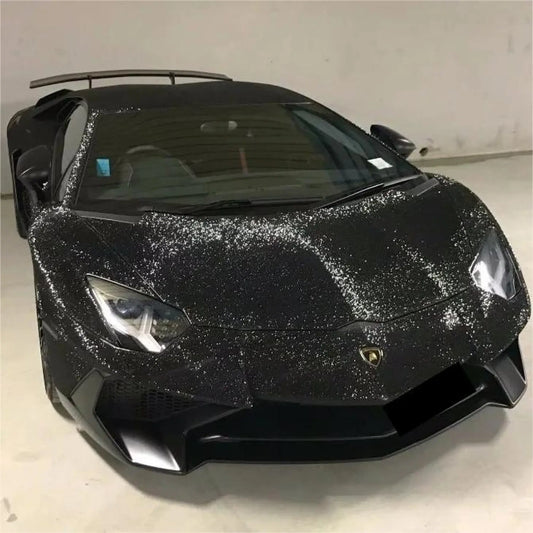
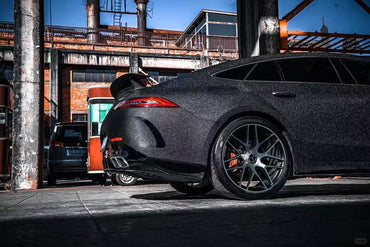
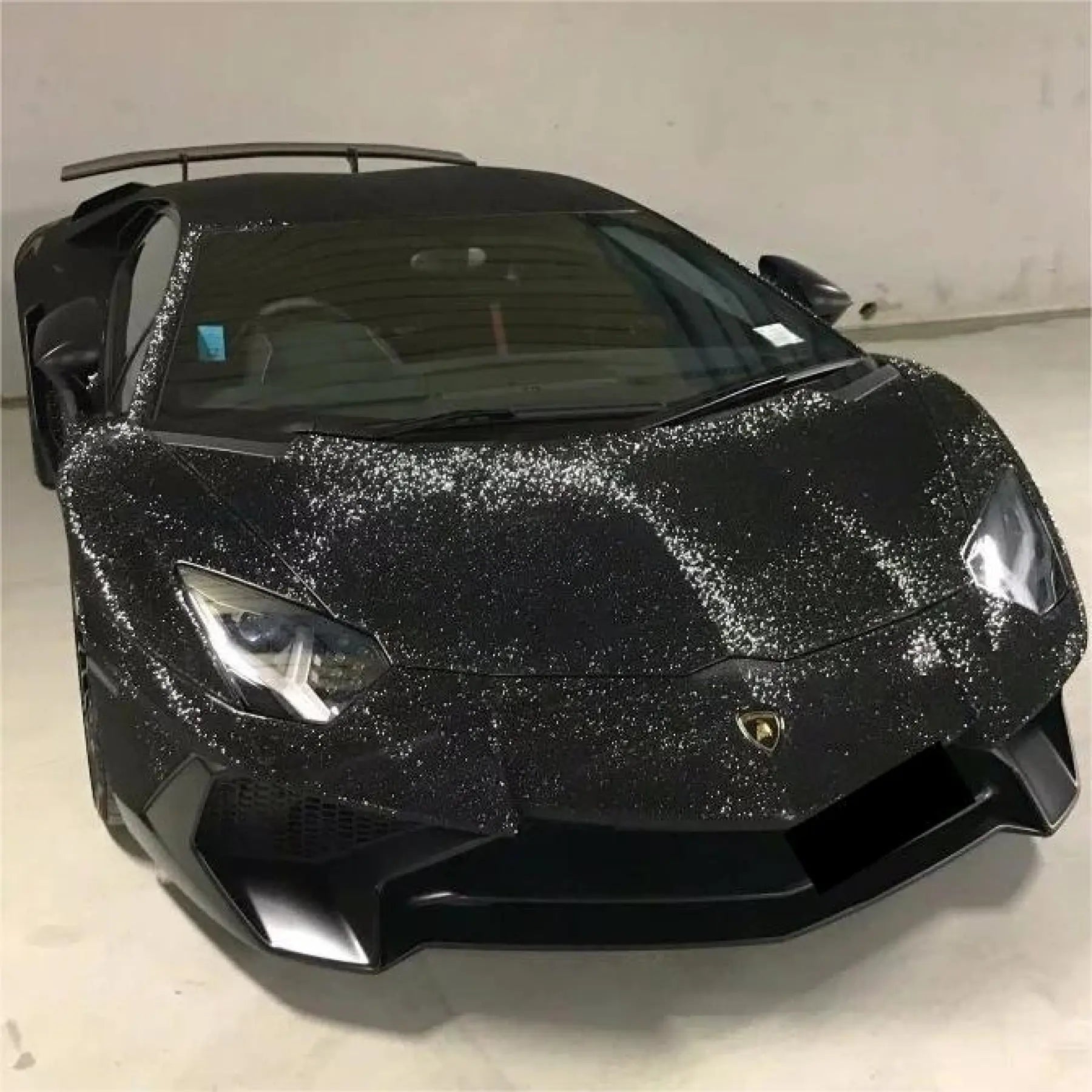
Additional finish categories include metallic vinyl wrap with options like GT Silver, Vampire Red, and Emerald Green. The crystal vinyl wrap collection offers gloss finishes in colors like Apple Green, Maize Yellow, and Light Nardo Grey. For texture enthusiasts, 3D carbon fiber wrap provides realistic textured surfaces. The glitter sparkle car wrap collection adds diamond glitter effects in Pink, Black, and Silver for those seeking standout finishes.
Maintaining Self-Healing PPF
Proper maintenance extends the life and effectiveness of paint protection film. Regular washing with pH-neutral automotive soap removes surface contaminants without degrading the film. Avoid harsh chemicals, abrasive compounds, and petroleum-based cleaners that can damage the top coat. If scratches appear, applying warm water or using a hair dryer on low setting accelerates the healing process. Professional detailers recommend periodic inspection of edges and seams to address any lifting before it spreads. With appropriate care, quality self-healing PPF maintains its protective and aesthetic properties for up to a decade.
Understanding PPF Limitations
While self-healing technology represents remarkable advancement, it has boundaries. The self-healing mechanism repairs minor surface scratches and swirl marks but cannot address deep gouges that penetrate through the film layers. Significant impact damage from major collisions requires film replacement. Additionally, the healing process requires heat activation, meaning vehicles kept in cold garages may need warm water treatment to trigger repair. The film also cannot correct damage to underlying paint that occurred before installation. Setting realistic expectations ensures satisfaction with PPF performance.
Investment Considerations
Self-healing PPF represents a higher initial investment compared to traditional vinyl wraps or ceramic coatings. However, the long-term value proposition often favors PPF for vehicle owners seeking comprehensive protection. Reduced need for paint correction, eliminated touch-up expenses, and preserved resale value offset the upfront cost over time. For enthusiasts exploring options, Sailifilm's sample kits allow hands-on evaluation of film quality before committing to full vehicle coverage. The best sellers collection highlights popular choices among satisfied customers.
Conclusion
Self-healing PPF technology represents the current pinnacle of automotive paint protection. The combination of elastomeric polymer science, TPU material engineering, and heat-activated repair mechanisms creates a protective solution that actively maintains itself while guarding against environmental threats. Whether you choose clear protection to preserve factory finish or opt for colored films and custom wraps for personalization, understanding how self-healing technology works empowers informed decisions. As vehicle customization continues growing in popularity and awareness of paint protection benefits expands, self-healing PPF stands as a wise investment for anyone serious about maintaining their vehicle's appearance and value.
For professional installation and wrapping tools, quality materials make a significant difference in final results. Explore the complete range of protection and customization options to find the perfect solution for your vehicle.
How to Install PPF at Home - DIY vs Professional Installation Guide
Ceramic Coating vs PPF - Which Protection is Right for Your Vehicle
PPF Care and Maintenance - Complete Washing and Care Instructions
Color Change PPF Guide - Transforming Your Vehicle with Colored Protection Film
Winter Car Care - Protecting Your Vehicle from Road Salt and Cold Weather
PPF Removal Guide - When and How to Remove Paint Protection Film

