





Understanding Standard Vinyl Roll Dimensions
Before calculating your requirements, you need to understand how vinyl wrap is sold. Professional-grade car vinyl wrap material comes in standardized roll widths designed to cover most vehicle panels without seams. The industry standard width is 5 feet (60 inches or 1.52 meters), which allows hoods, roofs, doors, and other large panels to be wrapped with single pieces of film. This width is critical because it eliminates visible seams on major surfaces, resulting in a factory-finish appearance.
Roll lengths vary depending on supplier and intended use. Common sizes include 25 feet, 50 feet, and 60 feet (approximately 7.6, 15.2, and 18 meters respectively). Full vehicle wraps typically require rolls between 50 and 75 feet for most passenger cars, while larger vehicles need extended lengths. When you see a roll described as 5ft x 60ft, this means the material is 5 feet wide and 60 feet long, providing approximately 300 square feet of coverage area.
The Quick Calculation Formula
Professional installers rely on a straightforward formula that provides reliable estimates for most vehicles. This method accounts for both sides, the top surfaces, and additional material for bumpers and installation allowances.
The Basic Formula: Vehicle Length (in feet) × 3 + Extra Material = Total Roll Length Needed
The multiplication by three covers the driver side from front to rear, the passenger side from front to rear, and the top of the vehicle including hood, roof, and trunk. The extra material accounts for front and rear bumpers, mirrors, complex curves, trimming waste, and potential installation errors. Beginners should add 10 to 15 feet extra, while experienced installers can work with 5 to 10 feet additional material.
Example Calculation
Consider a 2024 BMW 3 Series measuring approximately 15.6 feet in length. Using the formula: 15.6 feet × 3 = 46.8 feet + 10 feet (extra for a moderately complex vehicle) = 56.8 feet. Rounding up to the nearest available roll size means purchasing a 5ft × 60ft roll. This provides adequate coverage plus a reasonable buffer for trimming and adjustments.
Vinyl Wrap Requirements by Vehicle Type
While the formula provides good estimates, having reference ranges for different vehicle categories helps verify your calculations. According to industry data compiled by automotive customization experts at SEMA, vehicle wrap requirements follow predictable patterns based on size classification.
Compact Cars
Small vehicles like the Mini Cooper, Honda Civic, Volkswagen Golf, Audi A3, BMW 2 Series, Hyundai Elantra, and Nissan Sentra typically require 50 to 55 feet (15 to 17 meters) of vinyl wrap. These vehicles have smaller surface areas and simpler body lines, making them excellent choices for first-time wrappers. A crystal vinyl wrap in Apple Green or Light Nardo Grey transforms compact cars into head-turning machines.
Mid-Size Sedans
Vehicles such as the Toyota Camry, Honda Accord, BMW 3 and 5 Series, Mercedes C-Class, Tesla Model 3, and Audi A4 fall into this category. Expect to use 60 to 65 feet (18 to 20 meters) of material for complete coverage. Mid-size sedans represent the sweet spot for wrap projects, offering substantial visual impact without the complexity of larger vehicles. The elegant profiles suit premium finishes like liquid chrome wrap in British Racing Green or Liquid Silver.
Full-Size Sedans and Sports Cars
Larger sedans like the BMW 7 Series, Mercedes S-Class, and sports cars including the Ford Mustang, Chevrolet Camaro, and Porsche 911 require 65 to 75 feet (20 to 23 meters). Sports cars with complex aerodynamic elements, aggressive body kits, and numerous curves may require additional material toward the higher end of this range. Show-stopping finishes like rainbow laser vinyl wrap with galaxy chameleon effects create stunning visual impact on performance vehicles.
SUVs and Crossovers
Sport utility vehicles present unique challenges due to their height and surface area. Compact crossovers like the Toyota RAV4 or Honda CR-V need approximately 65 to 75 feet. Mid-size SUVs including the Ford Explorer, Jeep Grand Cherokee, and BMW X5 typically require 75 to 85 feet (23 to 26 meters). The taller body panels and larger roof areas demand more material than sedans of similar length.
Full-Size SUVs and Trucks
Large vehicles like the Chevrolet Suburban, Ford Expedition, Cadillac Escalade, and pickup trucks such as the Ford F-150 and Chevrolet Silverado require 85 to 100 feet (26 to 30 meters) or more. Extended cab and long bed configurations push requirements toward 100 to 125 feet. These projects represent significant investments, making accurate calculations especially important to avoid costly material shortages.
The Precise Panel-by-Panel Method
For maximum accuracy, professional installers measure each body panel individually. This method requires more time but minimizes waste and ensures adequate coverage for complex vehicles. Understanding vehicle surface area calculations helps explain why this approach works, as detailed in automotive engineering resources at Wikipedia's vehicle body design article.
Measuring Individual Panels
Start by measuring the hood at its longest and widest points. Move to the roof, measuring length from windshield base to rear window. Measure each door including the height from bottom edge to window line. Front and rear fenders require measuring the longest and highest points. The trunk or tailgate needs similar measurements. Finally, measure bumpers using a flexible tape or string to follow contours accurately.
For each panel, multiply length by width to calculate square footage. Sum all panel areas to determine total surface area. Professional installers typically find passenger vehicles range from 200 to 350 square feet of wrappable surface area depending on size and design.
Adding the Buffer
After calculating total surface area, add a buffer percentage based on project complexity. Simple designs with minimal curves warrant 10 to 15 percent extra. Moderate complexity with standard body lines needs 15 to 20 percent additional material. Complex vehicles with aggressive styling, deep recesses, or intricate aerodynamic elements require 20 to 30 percent buffer. Full vehicle wraps with challenging areas like bumpers, mirrors, and door handles benefit from 30 to 40 percent extra material.
Factors That Increase Material Requirements
Vehicle Design Complexity
Modern vehicles feature increasingly complex styling with aggressive body lines, deep recesses, and aerodynamic elements. These features require additional vinyl to navigate curves without bridging or lifting. Vehicles with pronounced fender flares, integrated spoilers, and sculpted bumpers consume more material than flat-sided designs. Sports cars and performance vehicles typically fall into this category, requiring extra footage beyond what basic calculations suggest.
Installation Experience Level
Beginners should plan for more material than experienced installers. Learning proper stretching techniques, heat application, and trimming methods involves inevitable mistakes. First-time wrappers benefit from purchasing 15 to 20 percent extra material to accommodate the learning curve. As skills improve with practice, material efficiency increases significantly. Having proper wrapping tools like the Sailifilm Professional 14-in-1 Kit with squeegees, cutting tools, and precision instruments dramatically improves installation success rates.
Wrap Type and Finish
Different vinyl types have varying conformability characteristics that affect material usage. Cast vinyl conforms more easily to complex curves, potentially reducing waste. Premium finishes like chrome, brushed metal, and color-shifting films require more careful handling and may generate additional scrap. Textured options like 3D carbon fiber wrap need proper alignment of patterns, which can increase material consumption if patterns must match across panels.
Full Wrap vs Partial Wrap Coverage
Full Vehicle Wraps
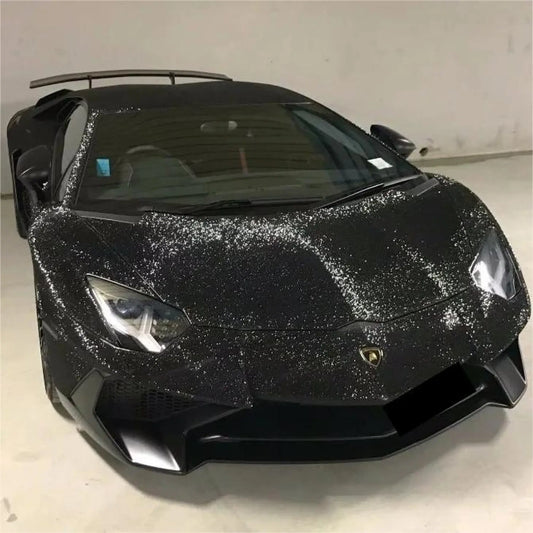
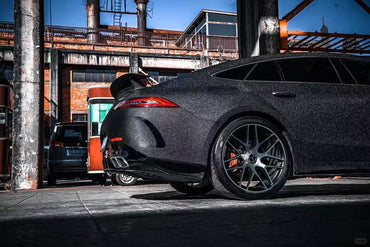
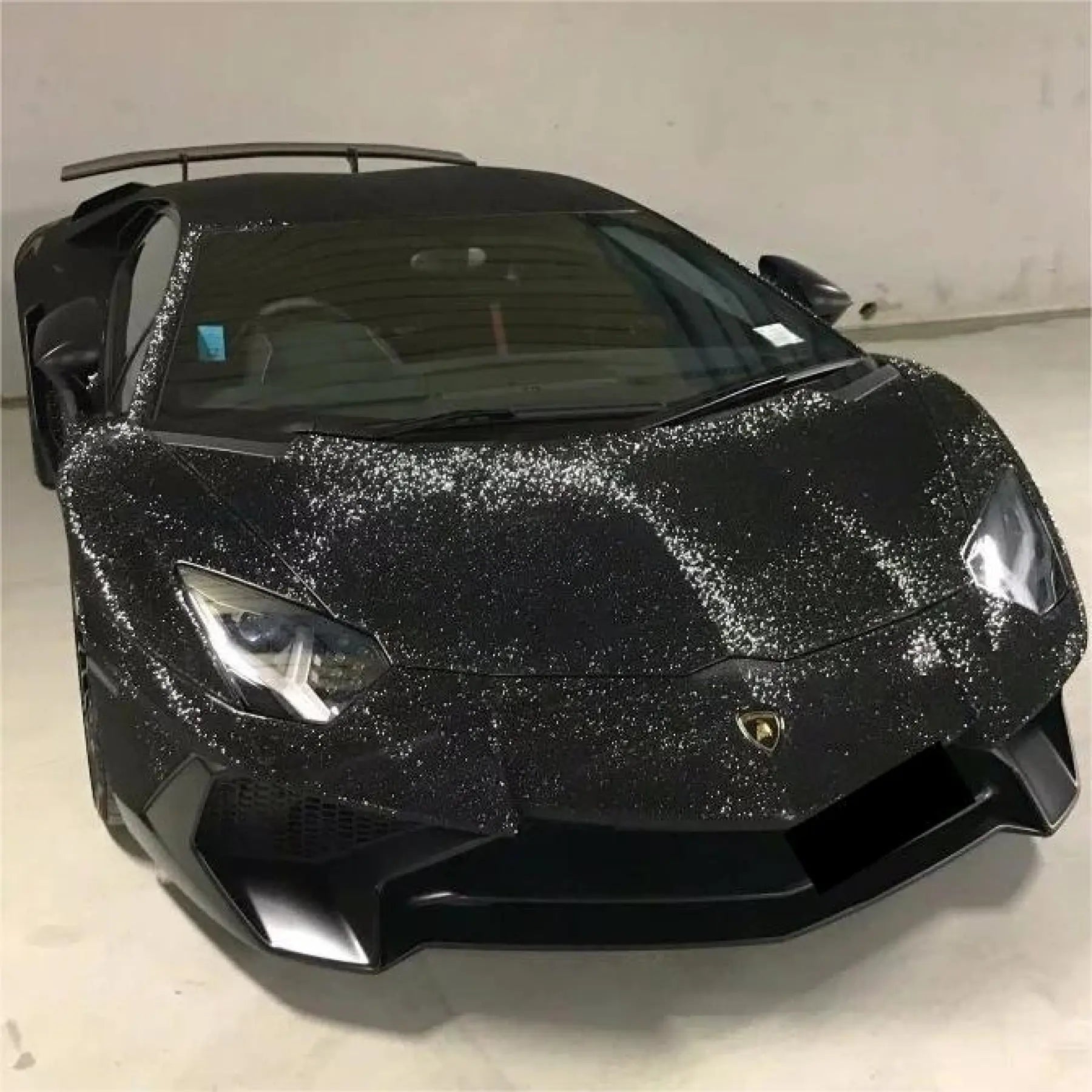
Complete coverage transforms your entire vehicle, wrapping every painted exterior surface including hood, roof, trunk, doors, fenders, bumpers, and side mirrors. Full wraps provide maximum visual impact and the most comprehensive paint protection. Material requirements follow the calculations discussed above. Popular choices for complete transformations include dual color dream vinyl wrap with color-shifting technology and glitter sparkle car wrap featuring diamond effects in Pink, Black, and Silver.
Partial Wraps
Strategic partial coverage offers budget-friendly customization while still achieving significant visual impact. Common partial wrap configurations include hood and roof treatments requiring approximately 15 to 25 feet of material depending on vehicle size. Roof wraps alone typically need 10 to 15 feet. Racing stripes or accent pieces may require only 5 to 15 feet. Mirror caps, spoilers, and trim pieces use minimal footage, often accomplished with leftover material from larger projects.
Partial wraps allow testing vinyl aesthetics before committing to full coverage. Adding a 3D carbon fiber hood accent to a sports car demonstrates the material quality and installation process without the investment required for complete transformation.
Calculating Paint Protection Film Requirements
Paint protection film calculations follow similar principles but with different coverage priorities. Full vehicle TPU paint protection wrap coverage requires comparable footage to vinyl wrap, typically 50 to 100 feet depending on vehicle size. However, many owners opt for partial PPF coverage focusing on high-impact areas.
Front-end protection packages covering hood, front bumper, fenders, and mirror caps typically require 15 to 25 feet of film. Full hood coverage alone needs 8 to 12 feet for most vehicles. Colored paint protection film options like Gloss Ferrari Red, Crystal Sky Blue, and Arctic Grey provide both protection and color transformation, following the same measurement guidelines as clear PPF.
Professional Tips for Accurate Calculations
Always round up: When calculations fall between available roll sizes, always purchase the larger option. Running short mid-project creates significant problems including potential color variation between batches.
Measure twice, order once: Taking time for accurate measurements prevents costly mistakes. Use flexible measuring tape or string for curved surfaces like bumpers and fender flares.
Account for orientation: Vinyl wrap typically comes directionally, meaning patterns run lengthwise on the roll. Plan panel layouts to ensure proper pattern orientation across the vehicle.
Consider window cutouts: Excess vinyl from window cutouts on doors can cover smaller areas like mirrors and door handles, improving overall material efficiency.
Order samples first: Before committing to full-roll purchases, order sample kits to evaluate color accuracy, texture, and handling characteristics in person.
Budget Planning Based on Material Requirements
Understanding how much vinyl you need directly impacts project budgeting. According to recent automotive customization industry analysis, material costs represent approximately 40 to 60 percent of total wrap project expenses when professionally installed. For DIY projects, material represents the primary expense. The Sailifilm best sellers collection includes popular options like Diamond Glitter Black, Metallic GT Silver, and Ghost Midnight Purple that balance quality with value.
Premium finishes including chrome, color-shifting, and specialty textures command higher prices per foot than standard gloss or matte options. Factor finish selection into your budget alongside material quantity. A 60-foot roll of standard gloss vinyl costs less than the same length of premium liquid chrome or chameleon wrap. Planning your finish preference before calculating requirements ensures accurate budget estimates.
Conclusion
Calculating vinyl wrap requirements accurately eliminates the frustrations of material shortages and the waste of excessive ordering. The quick formula of vehicle length multiplied by three plus buffer material provides reliable estimates for most projects. Detailed panel measurements offer precision for complex vehicles or when minimizing waste becomes critical. Regardless of which method you choose, always round up to the next available roll size and account for your experience level.
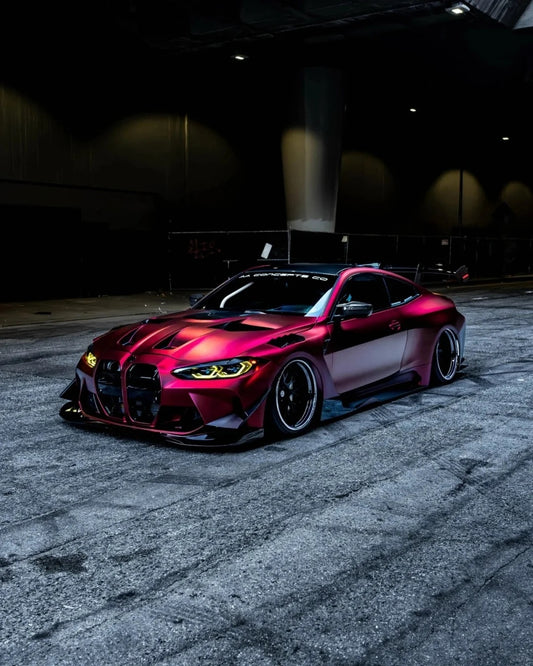
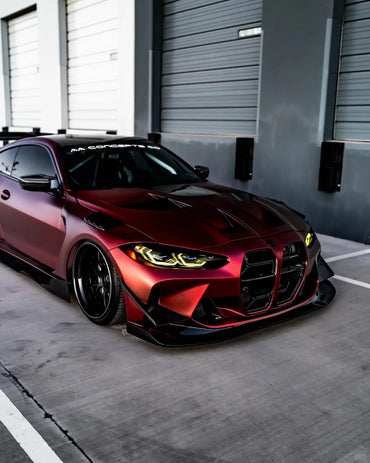
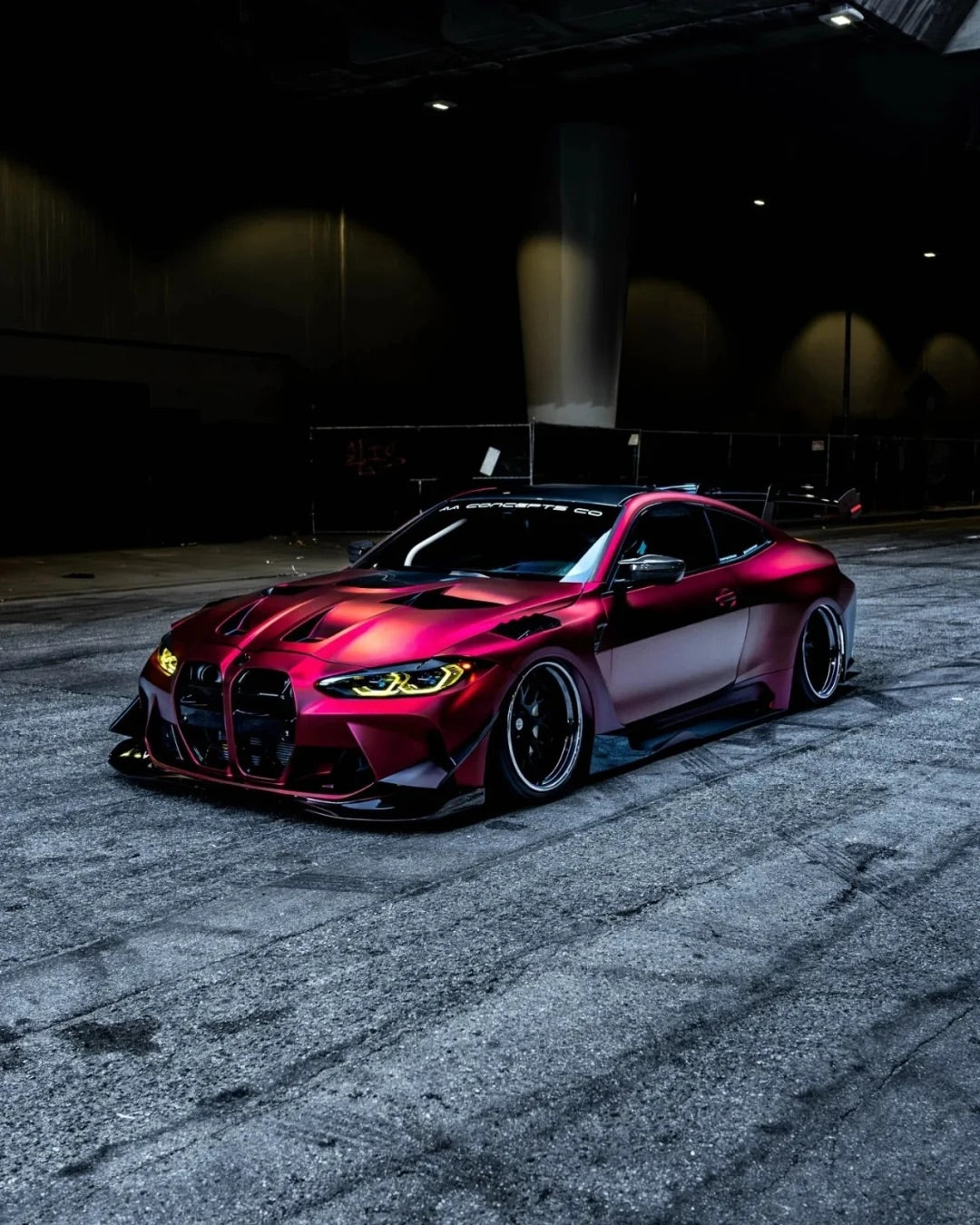
Whether you select a bold metallic wrap in Vampire Red, an elegant crystal vinyl in Khaki Green, or protective TPU paint protection film, proper planning ensures your transformation project proceeds smoothly from first measurement to final installation.
How to Measure Your Car for Vinyl Wrap - Detailed Panel Measurement Tutorial
Vinyl Wrap Material Types Explained - Cast vs Calendered vs TPU
How to Wrap Complex Curves and Bumpers - Advanced Techniques
Vinyl Wrap Seam Placement Guide - Professional Installation Tips
Color Matching Vinyl Wrap - Avoiding Batch Variations
How Long Does It Take to Wrap a Car - Project Timeline Planning
Vinyl Wrap Waste Reduction Tips - Maximizing Material Efficiency

