

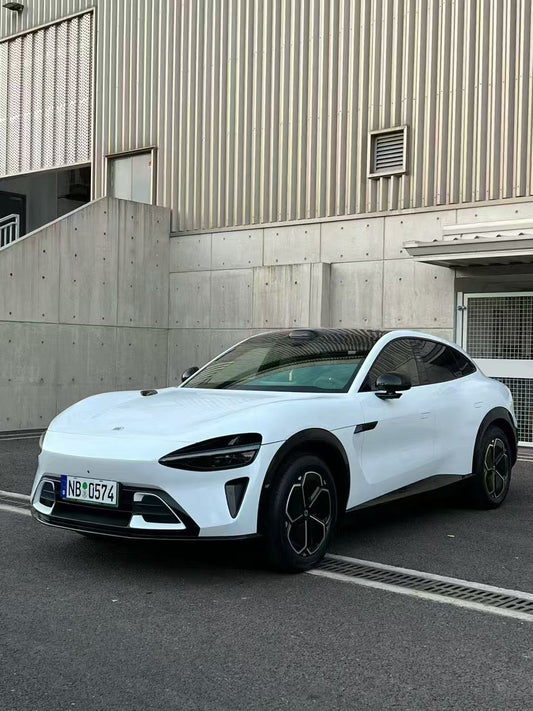
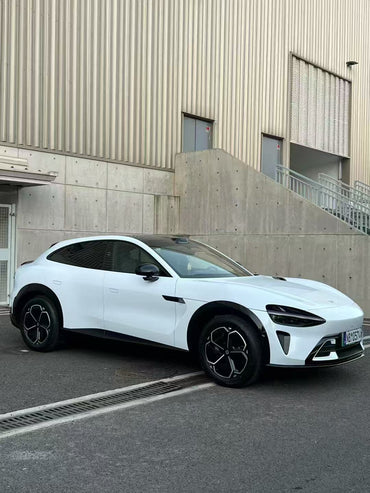
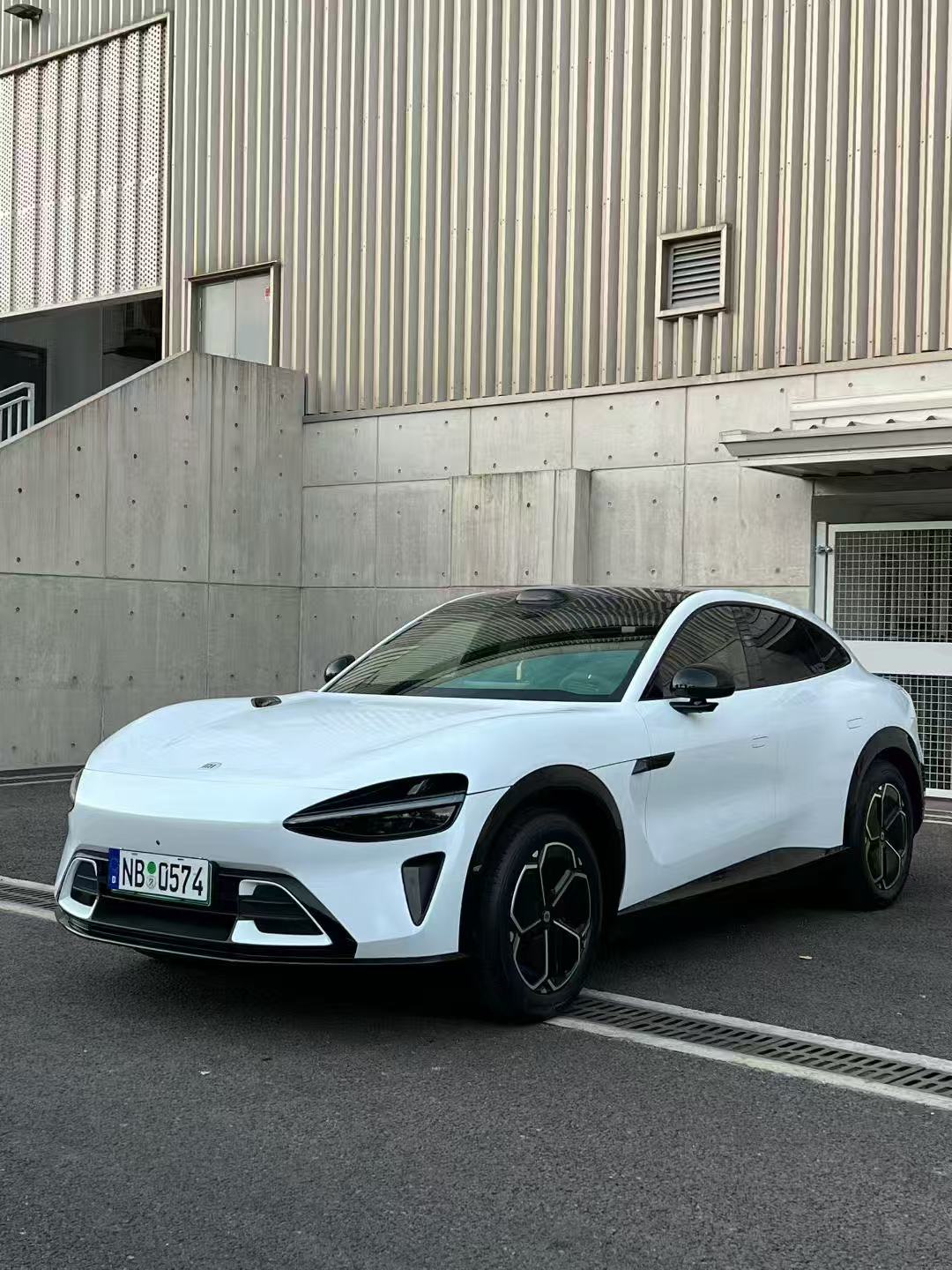


Average Car Wrap Lifespan Expectations
High-quality vinyl wraps installed by professionals and maintained properly deliver five to seven years of service under normal conditions. Premium cast vinyl from reputable manufacturers can exceed this range, sometimes lasting up to ten years when garage-kept and meticulously cared for. However, wraps exposed to harsh environmental conditions without protection may show significant wear within two to four years. According to vehicle customization industry data tracked by SEMA, the vehicle customization market continues expanding as car owners discover the value proposition of vinyl wraps over traditional paint.
Different wrap types have varying durability profiles. Cast vinyl wraps designed for automotive applications offer five to nine years of service life. Calendered vinyl, while more affordable, typically lasts three to five years. TPU paint protection wrap products made from thermoplastic polyurethane can last seven to ten years due to their superior material composition, self-healing properties, and enhanced UV resistance.
Key Factors That Determine Wrap Longevity
Material Quality
The foundation of wrap durability lies in material quality. Premium vinyl films engineered specifically for automotive applications incorporate advanced UV inhibitors, flexible polymers, and durable adhesive systems that withstand years of exposure. Budget vinyl may save money initially but often cracks, fades, or peels within two to three years. Quality materials like those in the Sailifilm metallic vinyl wrap collection use automotive-grade formulations designed for long-term exterior exposure.
Installation Quality
Professional installation dramatically impacts wrap longevity. Proper surface preparation, correct temperature during application, appropriate stretching techniques, and thorough post-heating to lock the vinyl's memory all contribute to lasting results. Air bubbles, wrinkles, or improper edge tucking create weak points where lifting and peeling begin. A professionally applied wrap adheres correctly to every curve and contour, preventing premature failure. Using proper wrapping tools like squeegees, cutting instruments, and heat guns ensures professional results whether DIY or shop-installed.
Sun and UV Exposure
Ultraviolet radiation represents the primary enemy of vinyl wraps. Constant sun exposure causes colors to fade, materials to become brittle, and adhesives to degrade. Horizontal surfaces like hoods and roofs receive the most intense UV bombardment and typically show wear before vertical panels. Vehicles parked outdoors in sunny climates like Arizona, California, or Florida experience accelerated degradation compared to those in temperate regions or garage-kept vehicles. Understanding UV degradation of polymers explains why protection from direct sunlight extends wrap life significantly.
Climate and Weather Conditions
Environmental factors beyond UV exposure affect durability. Extreme heat causes vinyl to soften and potentially warp or shift. Intense cold makes material brittle and prone to cracking, especially during installation or when struck by debris. Salt from winter roads or coastal air accelerates adhesive breakdown and material deterioration. High humidity, acid rain, industrial pollution, and airborne contaminants all take their toll over time. Vehicles in mild, stable climates typically enjoy longer wrap lifespans than those exposed to extreme conditions.
Driving Habits and Vehicle Use
How you use your vehicle directly impacts wrap longevity. Daily drivers accumulate road debris impacts, rock chips, and environmental exposure faster than weekend vehicles. Highway driving exposes wraps to more high-velocity debris than city driving. Vehicles used on gravel roads or construction sites face additional abrasion. Commercial vehicles with heavy use may need wrap replacement sooner than personal vehicles with moderate mileage. Understanding your usage pattern helps set realistic expectations for wrap durability.
Durability by Wrap Finish Type
Gloss and Crystal Finishes
Glossy vinyl wraps like those in the crystal vinyl wrap collection typically offer excellent durability due to their smooth surface that sheds dirt and contaminants easily. The reflective nature helps dissipate some UV energy rather than absorbing it entirely. With proper maintenance, gloss finishes maintain their shine for five to seven years. However, they show swirl marks and fine scratches more readily than matte alternatives, requiring careful washing techniques.
Matte and Satin Finishes
The ultra matte wrap finishes provide sophisticated, non-reflective appearances that absorb light rather than reflecting it. While stunning aesthetically, matte surfaces can show fingerprints, water spots, and stains more visibly. They require specific maintenance products since traditional waxes and sealants can create unwanted sheen. Properly maintained matte wraps last five to seven years, though they may need more frequent cleaning to maintain their distinctive flat appearance.
Metallic and Chrome Finishes
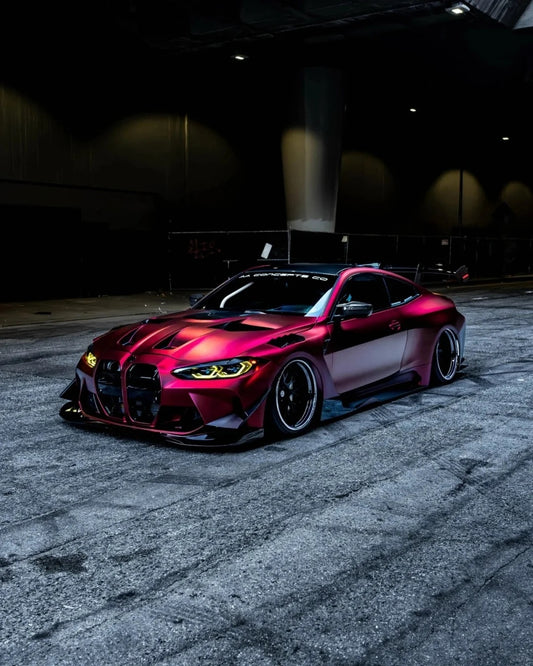
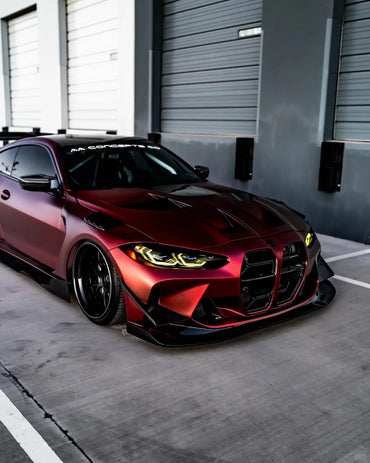
Premium finishes like liquid chrome wrap and metallic options contain reflective particles that create depth and dimension. These specialty films require more careful handling during installation and maintenance. Chrome and mirror finishes can be more susceptible to scratching due to their surface composition. However, quality metallic wraps from reputable suppliers maintain their appearance for four to six years with appropriate care.
Specialty and Color-Shifting Finishes
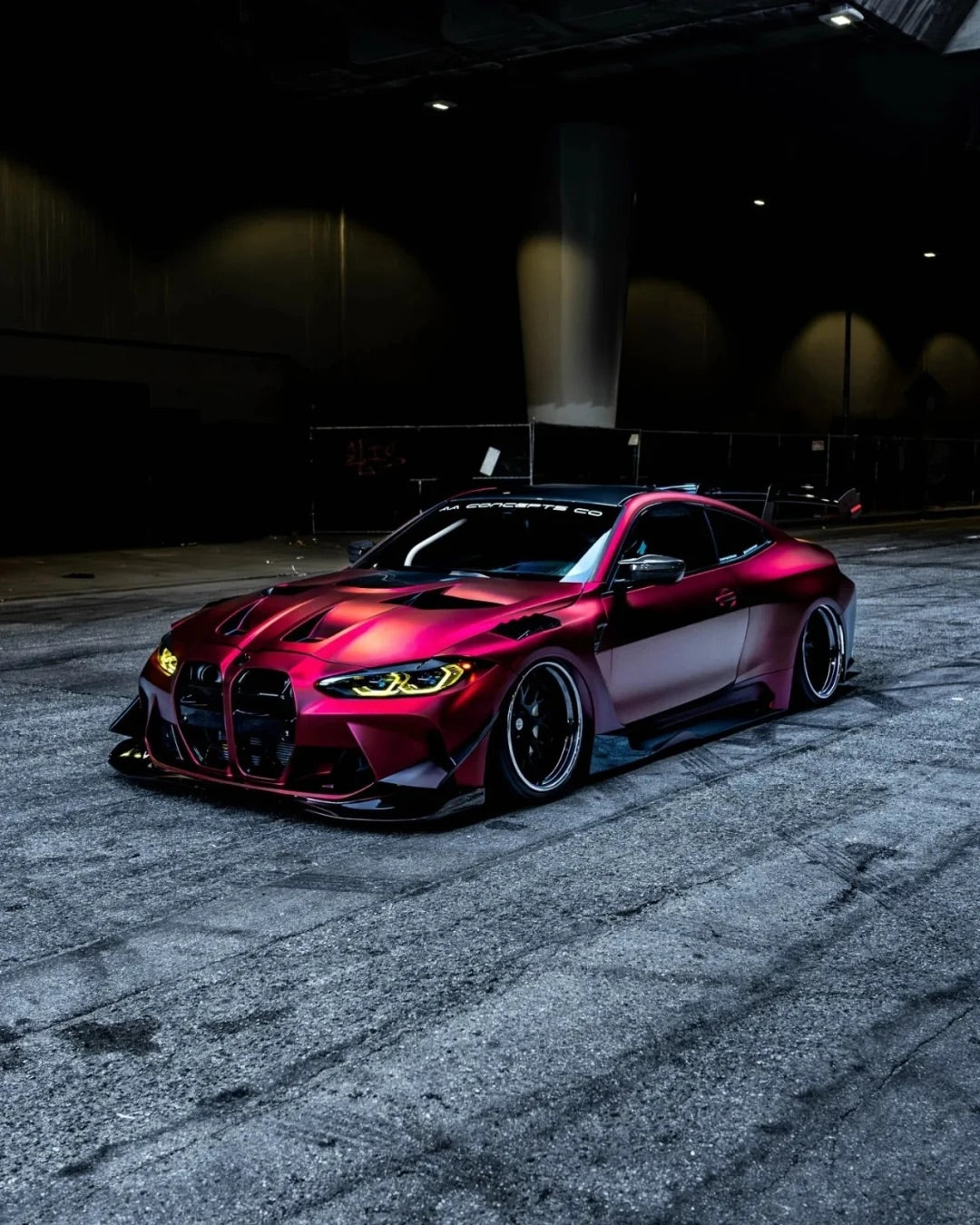
Advanced options like rainbow laser vinyl wrap with chameleon effects and dual color dream vinyl wrap feature multi-layered constructions that create color-shifting effects. These complex films require precise installation and maintenance but deliver stunning visual impact. Quality color-shift wraps last four to six years when properly cared for, though the intensity of color change may diminish gradually with UV exposure over time.
Vinyl Wrap vs Paint Protection Film Durability
Understanding the difference between vinyl wrap and paint protection film helps set appropriate expectations. Standard vinyl wraps prioritize aesthetics and customization, lasting three to seven years depending on quality and care. TPU paint protection wrap prioritizes protection, using thicker thermoplastic polyurethane material that lasts seven to ten years or longer.
PPF offers significant advantages for longevity. The material is thicker (six to ten mils versus three to four mils for vinyl), providing superior impact resistance. Self-healing properties allow minor scratches to disappear with heat exposure. Enhanced UV resistance prevents yellowing that affects some older clear film formulations. Colored paint protection film combines aesthetic transformation with PPF durability, offering options like Ferrari Red, Sky Blue, Arctic Grey, and Piano Black with protection lasting up to ten years.
Maintenance Practices That Extend Wrap Life
Regular Washing Routine
Consistent cleaning prevents contaminant buildup that degrades vinyl over time. Hand washing with pH-neutral automotive soap and soft microfiber cloths or foam mitts every one to two weeks removes dirt, road grime, and environmental deposits before they cause damage. Rinse thoroughly before washing to remove loose particles that could scratch the surface. Dry completely with clean microfiber towels to prevent water spots, especially important on matte finishes.
Avoiding Automatic Car Washes
Automated car washes with brushes pose significant risks to wrapped vehicles. Stiff bristles can scratch vinyl surfaces, lift edges, and accelerate wear. High-pressure water jets can force water under seams and edges, compromising adhesion. If hand washing is impossible, touchless automatic washes with water-only spray systems present lower risk, though hand washing remains the safest option for maximizing wrap longevity.
Immediate Contaminant Removal
Bird droppings, tree sap, bug splatter, and road tar become increasingly difficult to remove the longer they remain on vinyl. More importantly, these contaminants can permanently stain or damage the material if left untreated. Remove organic matter like bird droppings immediately by soaking with warm soapy water and gently wiping away. For stubborn stains, isopropyl alcohol or dedicated vinyl cleaners dissolve residue without damaging the wrap.
UV Protection and Parking Habits
Minimizing sun exposure dramatically extends wrap life. Park in garages, covered structures, or shaded areas whenever possible. For vehicles that must remain outdoors, breathable car covers designed for wrapped vehicles provide protection during extended parking. UV protectant sprays formulated for vinyl add an extra layer of defense against solar degradation, particularly beneficial for horizontal surfaces receiving the most intense exposure.
Ceramic Coating Application
Applying ceramic coating specifically formulated for vinyl wraps creates a hydrophobic barrier that repels water, dirt, and contaminants. This protective layer makes cleaning easier while shielding the wrap from UV damage, chemical stains, and minor abrasions. Professional ceramic coating application can add years to wrap longevity while maintaining the original finish appearance. Ensure the ceramic product is compatible with your specific wrap type, as some formulations may affect matte finishes.
Signs Your Wrap Needs Attention or Replacement
Recognizing early warning signs allows timely intervention before minor issues become major problems. Fading color, particularly on sun-exposed panels, indicates UV degradation progression. Lifting edges or corners suggest adhesive failure that will spread if not addressed. Cracking or crazing of the surface signals material breakdown from age or environmental stress. Yellowing or discoloration, especially on lighter wraps, points to chemical degradation. Persistent bubbling or wrinkling that was not present after installation indicates adhesive failure or environmental damage.
Minor issues like small lifted edges can often be repaired by professional installers if addressed promptly. However, widespread fading, cracking, or adhesive failure typically requires complete wrap replacement. Planning for replacement before catastrophic failure ensures a clean removal process without damage to underlying paint.
Maximizing Your Wrap Investment
Getting the longest possible life from your wrap starts with smart decisions before installation. Investing in quality materials from reputable suppliers like the Sailifilm best sellers collection ensures automotive-grade vinyl engineered for durability. Professional installation by experienced technicians prevents premature failure from application errors. Ordering sample kits before committing allows evaluation of material quality and color accuracy.
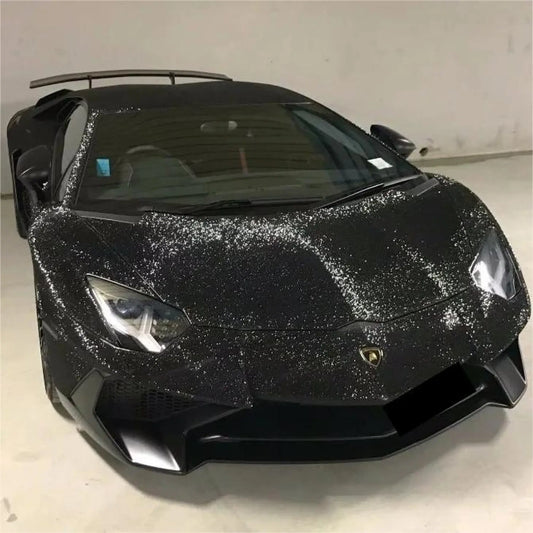
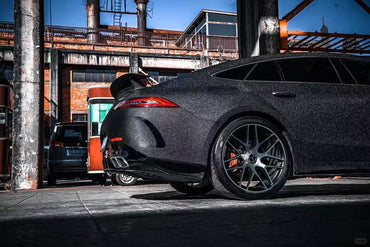
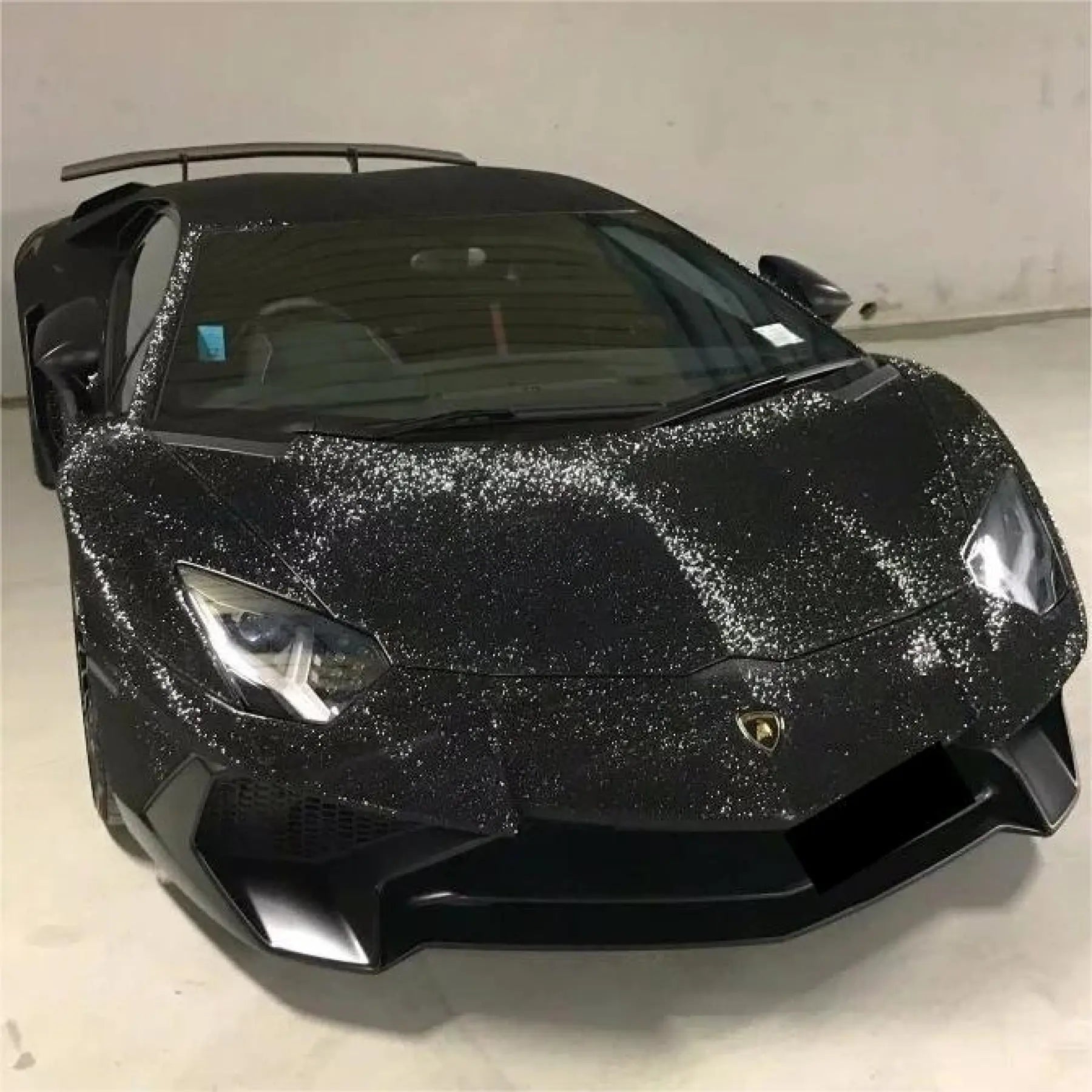
For maximum protection combined with customization, consider colored paint protection film which delivers color transformation with PPF durability and self-healing properties. For aesthetic-focused projects, pair vinyl wraps with ceramic coating for extended protection. Textured options like 3D carbon fiber wrap and glitter sparkle car wrap add unique visual appeal while following the same durability principles.
Conclusion
Car wrap longevity depends on the intersection of material quality, installation expertise, environmental exposure, and ongoing maintenance. Quality vinyl wraps deliver five to seven years of service when properly cared for, while premium TPU paint protection films can exceed ten years. Understanding the factors that affect durability empowers you to maximize your investment through smart purchasing decisions and appropriate care practices.
Whether you choose a bold metallic finish, sophisticated ultra matte, or protective TPU clear film, the combination of quality materials and proper care ensures years of stunning appearance. Your wrapped vehicle can maintain its transformed look far into the future with consistent attention to the maintenance principles outlined in this guide.
How to Wash a Wrapped Car - Complete Cleaning Guide
When to Remove Your Car Wrap - Signs of Replacement
How to Repair Minor Wrap Damage at Home
Garage vs Outdoor Parking - Impact on Wrap Life

