


Understanding PPF Lifespan and When Replacement Becomes Necessary
High-quality TPU paint protection wrap typically lasts between 5 to 10 years depending on film quality, installation precision, environmental exposure, and maintenance practices. Premium TPU films with advanced self-healing technology can extend toward the upper end of this range, while budget options may show degradation after just 3 to 5 years. Understanding your specific film's condition helps you determine the optimal replacement timing.
Several factors influence how quickly your PPF will require replacement. Vehicles exposed to intense sunlight experience accelerated UV degradation, while those driven frequently on gravel roads or through construction zones face increased surface abrasion. Coastal environments with high salt content in the air can degrade film adhesive more rapidly, and extreme temperature fluctuations stress the film's molecular structure. You can learn more about polyurethane film technology at the
Wikipedia article on Paint Protection Film.
Signs Your PPF Needs Replacement
Recognizing the warning signs of deteriorating paint protection film helps you act before the compromised film causes damage to your underlying paint. Regular visual inspections during routine washing reveal early indicators that removal and replacement should be scheduled.
Yellowing and Discoloration
One of the most visible signs that your PPF has exceeded its effective lifespan is yellowing or cloudiness. This discoloration results from prolonged UV exposure breaking down the film's chemical structure. Older generation films without advanced UV inhibitors are particularly susceptible to this yellowing effect. When your once-invisible protection becomes noticeably tinted, it detracts from your vehicle's appearance and indicates the film's protective properties have diminished significantly.
Peeling and Edge Lifting
When PPF adhesive begins failing, you will notice edges lifting away from the paint surface, particularly around hood edges, mirror housings, bumper corners, and door handles. This edge lifting creates pathways for water, dirt, and debris to infiltrate beneath the film, potentially causing more damage than having no protection at all. Once peeling begins, the process accelerates as environmental contaminants work their way underneath the compromised adhesive.
Bubbling and Blistering
Air bubbles or blisters appearing under the film indicate adhesive failure or moisture intrusion. While minor bubbles from initial installation sometimes work themselves out, persistent or growing bubbles signal serious adhesion problems. These trapped air pockets create stress points that expand over time, eventually leading to more extensive film failure. Bubbling may result from improper original installation, environmental damage, or simply the natural aging process of the adhesive.
Cracking and Brittleness
As PPF ages, it loses flexibility and becomes brittle. This brittleness manifests as small cracks or fractures in the film surface, particularly in areas exposed to repeated stress or temperature extremes. Cracked film no longer provides adequate protection against impacts and may actually scratch your paint as fragments break loose. The self-healing properties that characterize quality TPU films diminish significantly as the material becomes rigid and unresponsive to heat activation.
Loss of Hydrophobic Properties
Fresh PPF typically features hydrophobic topcoat technology that causes water to bead and roll off the surface, carrying dirt and contaminants with it. When water no longer beads effectively and instead spreads flat across the film surface, the protective topcoat has degraded. This loss of water-repelling capability indicates the film will no longer shed contaminants effectively, making cleaning more difficult and allowing substances to remain in contact with the surface longer.
Essential Tools for Safe PPF Removal
Before beginning the removal process, gather all necessary equipment. Having proper wrapping tools and materials within reach ensures a smooth, uninterrupted workflow and reduces the risk of paint damage from improvised techniques. Professional-grade tools make the difference between frustrating struggles and efficient removal.
-
Heat Gun or Hair Dryer: Essential for softening adhesive and making the film pliable enough to peel cleanly
-
Plastic Scraper or Squeegee: Never use metal tools that could scratch paint surfaces
-
Automotive-Safe Adhesive Remover: Specifically formulated for vehicle finishes without damaging clear coat
-
Microfiber Towels: Multiple clean towels for wiping adhesive residue and final cleaning
-
Isopropyl Alcohol: For stubborn residue and final surface preparation
-
pH-Neutral Car Wash Soap: For pre-cleaning and post-removal washing
Step-by-Step PPF Removal Process
Removing paint protection film requires patience, proper technique, and careful attention to avoid damaging your vehicle's finish. Follow these detailed steps for safe and effective removal that leaves your paint ready for fresh protection.
Step 1: Prepare the Work Environment
Choose a shaded, well-ventilated area with moderate temperatures between 70 and 80 degrees Fahrenheit. Extreme cold makes adhesive rigid and difficult to remove, while excessive heat can make it overly tacky and prone to leaving residue. Indoor garage spaces provide ideal controlled conditions. Thoroughly wash and dry the vehicle to remove surface dirt that could scratch paint during the removal process. Any debris trapped between your tools and the film can cause damage as you work.
Step 2: Heat the Film Surface
Using your heat gun or hair dryer, warm a small section of the PPF, approximately six inches square, starting at a corner or edge. Hold the heat source 6 to 12 inches from the surface and move it continuously in a sweeping motion to distribute heat evenly. Target temperatures between 140 and 160 degrees Fahrenheit soften the adhesive sufficiently without risking paint damage. Never concentrate heat on a single spot, as this can overheat the paint beneath and cause discoloration or clear coat damage.
Step 3: Lift and Peel the Film
Once the section is adequately heated, use your fingernail or plastic scraper to lift a corner of the film gently. Once you have sufficient grip, begin peeling the film away slowly while maintaining a consistent 45-degree angle relative to the surface. This angle minimizes stress on both the film and underlying paint, reducing the chance of adhesive residue remaining behind. Continue applying heat to the area just ahead of where you are peeling to keep the adhesive soft and pliable. Work in manageable sections rather than attempting to remove large pieces at once.
Step 4: Handle Resistant Areas
If you encounter resistance while peeling, stop immediately and apply additional heat before continuing. Forcing removal on cold or inadequately heated film causes tearing and leaves stubborn adhesive patches. Areas around emblems, trim pieces, and complex curves often require extra patience and repeated heat applications. Use a gentle rocking motion while peeling around these challenging areas to gradually release the adhesive bond without pulling too aggressively.
Step 5: Remove Adhesive Residue
After removing the film itself, some adhesive residue typically remains on the paint surface. Apply automotive-safe adhesive remover to a clean microfiber towel and gently work the affected areas in circular motions. Allow the remover to dwell for several minutes to dissolve stubborn deposits before wiping away. For particularly resistant residue, repeat the application process rather than scrubbing aggressively, which could damage clear coat. Isopropyl alcohol diluted with water provides an effective secondary treatment for any remaining traces.
Step 6: Final Cleaning and Inspection
Wash the entire area with pH-neutral car soap to remove any remaining adhesive remover or residue. Dry thoroughly with clean microfiber towels and inspect the paint surface carefully under good lighting. Look for any imperfections, scratches, or discoloration that may have been hidden beneath the film. Minor imperfections can often be addressed with light polishing, while more significant issues may require professional paint correction before applying new protection.
Protecting Your Paint After PPF Removal
Once your old paint protection film has been successfully removed, your vehicle's paint is temporarily vulnerable to the environmental hazards that the film previously blocked. This is the ideal time to apply fresh protection before your paint is exposed to road debris, UV radiation, and other damaging elements. Several excellent options exist for restoring comprehensive protection.
Fresh TPU Paint Protection Film
For maximum protection against physical damage, fresh TPU paint protection wrap delivers the same self-healing, rock-chip-blocking performance you relied on before. Modern TPU films offer improved optical clarity, enhanced UV resistance, and longer-lasting adhesives compared to earlier generations. Available in both gloss and matte finishes with thickness options including 7.5mil and 8.5mil, premium PPF provides 5 to 10 years of reliable protection when properly maintained.
Colored Paint Protection Film
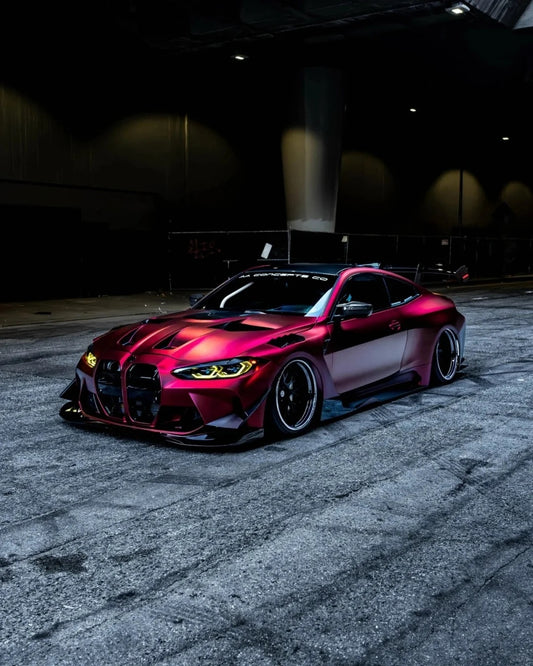
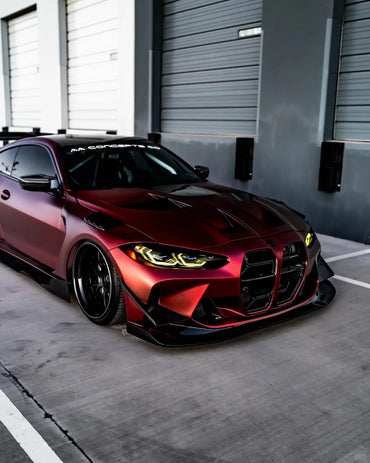
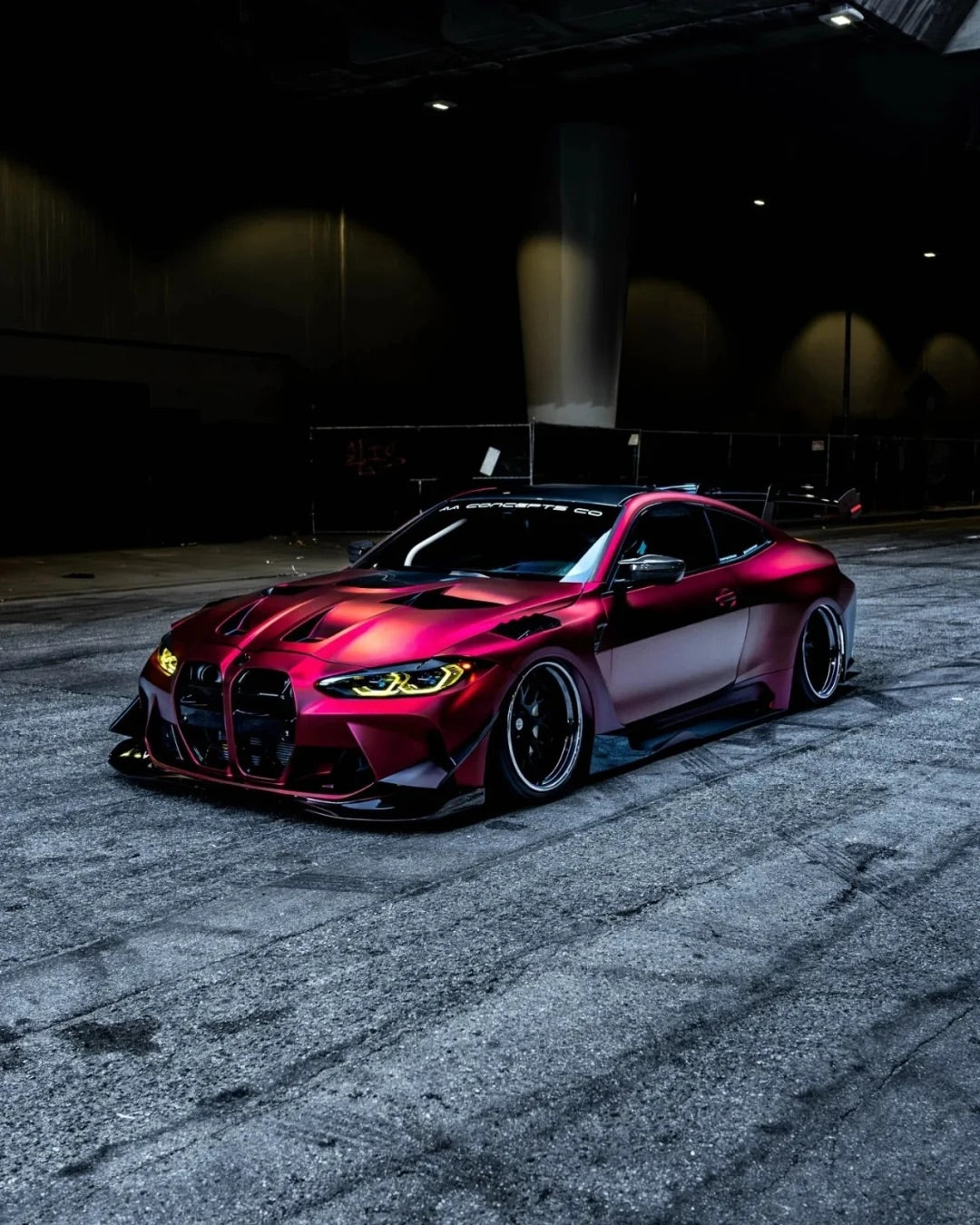
If you want to change your vehicle's appearance while maintaining protection, colored paint protection film combines the protective benefits of TPU technology with vibrant color options. These innovative films allow complete color customization while retaining self-healing properties and rock chip resistance. Colored PPF represents the cutting edge of automotive protection, offering both aesthetic transformation and practical defense against environmental damage.
Premium Vinyl Wrap Options
For those seeking dramatic style changes alongside protection, premium car vinyl wrap provides countless customization possibilities. From sophisticated ultra matte finishes to eye-catching rainbow laser effects, vinyl wraps create a physical barrier between your paint and the elements while completely transforming your vehicle's appearance.
Explore Your Protection Options
After removing your old PPF, consider the wide range of protection and style options available for your next application. Each type offers unique benefits depending on your priorities.
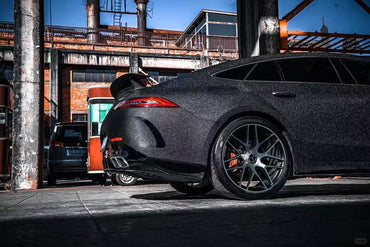
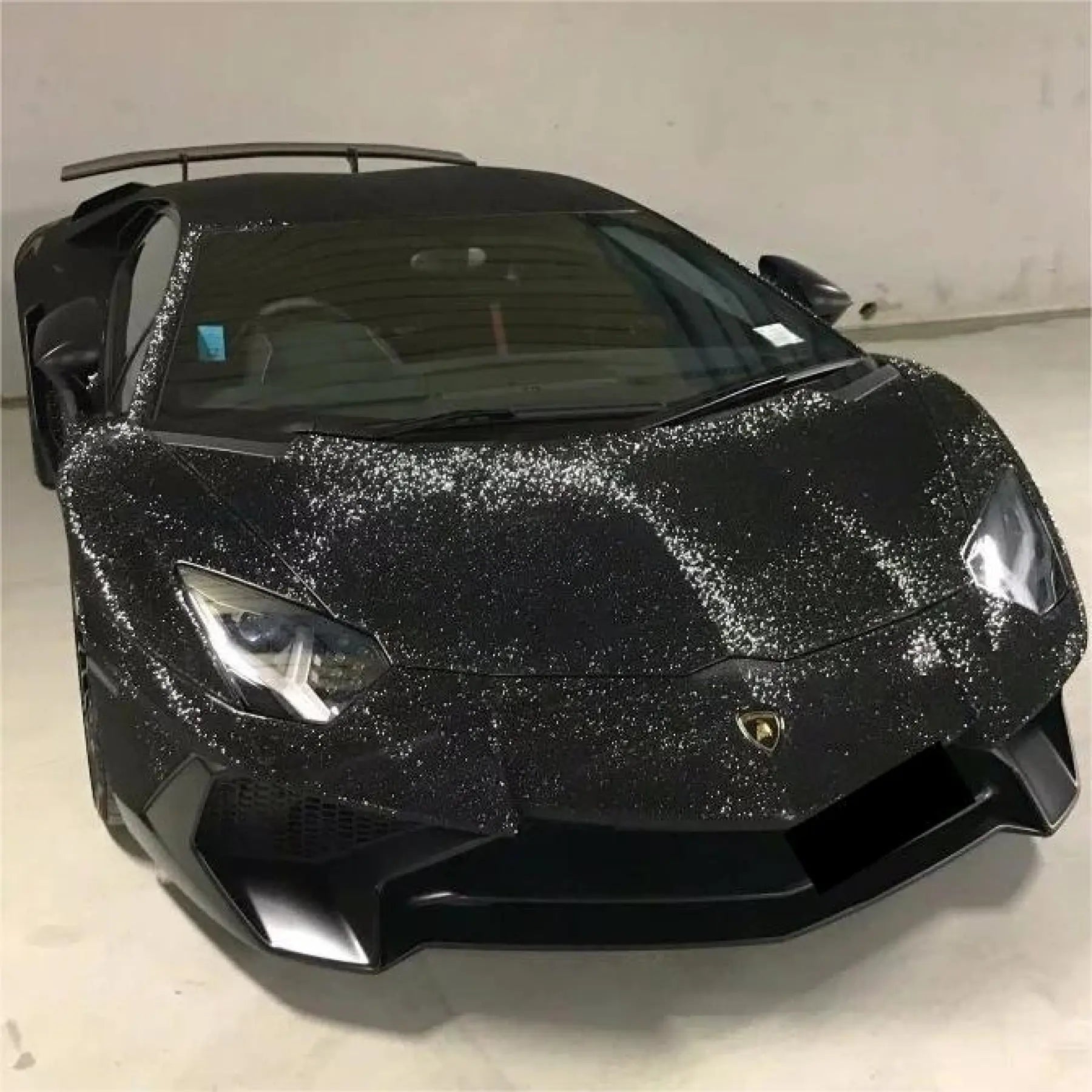
The Crystal Series features 35 stunning color options with deep, jewel-toned finishes that enhance any vehicle's appearance. The Metallic Series delivers 17 premium finishes with fine metallic flakes creating subtle sparkle and depth. For wet-look appeal, the Liquid Chrome Series offers 17 mirror-like finishes that turn heads wherever you drive.
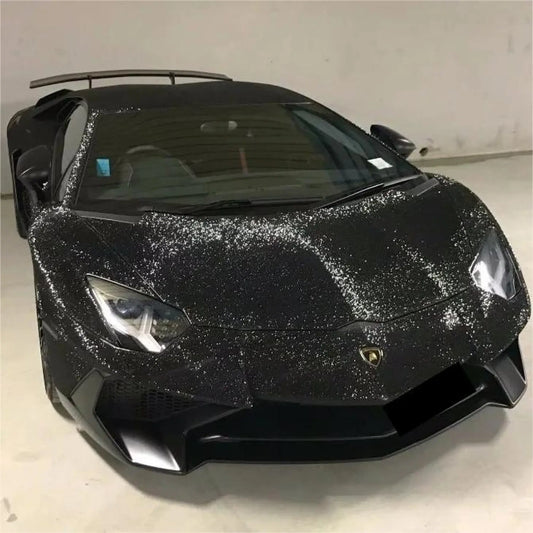
Those seeking dynamic color-shifting effects will appreciate the Dual Color Dream Series with 10 chameleon-style options, while the Glitter Sparkle Collection adds dazzling diamond shimmer effects. For motorsport-inspired aesthetics, the 3D Carbon Fiber Wrap replicates authentic carbon fiber texture with impressive visual depth.
DIY Removal vs Professional Service
Deciding between removing PPF yourself or hiring professional service depends on several factors including your comfort level with automotive detailing, the condition of your existing film, and your vehicle's value.
When DIY Removal Makes Sense
DIY removal is appropriate when the film is relatively new, still in good condition, and responding well to heat application. If you have experience with automotive detailing and access to proper tools, removing PPF yourself can save significant money. Films that peel away cleanly with minimal adhesive residue are excellent candidates for home removal. The step-by-step process described above guides you through safe removal techniques that protect your paint while eliminating the labor cost of professional service.
When Professional Help Is Recommended
Certain situations warrant professional PPF removal service. Old, severely degraded film that has hardened or become extremely brittle poses higher risk of paint damage during removal. Exotic or high-value vehicles with delicate finishes require experienced hands to avoid costly repairs. Multiple layers of overlapping PPF create complex removal challenges best handled by professionals with specialized techniques. If your film tears repeatedly during removal attempts or leaves excessive adhesive requiring aggressive intervention, stopping and consulting a professional prevents potential paint damage that could cost far more than the service fee.
Post-Removal Paint Assessment and Care
After successfully removing your paint protection film, thorough assessment of the underlying paint reveals whether any corrective steps are needed before applying new protection. In most cases, properly removed PPF leaves paint in excellent condition, but some situations require additional attention.
Inspect the paint surface under bright, diffused lighting from multiple angles. Look for swirl marks, light scratches, or areas where the paint appears slightly different in color or texture compared to adjacent panels. Minor imperfections often respond well to light machine polishing, restoring uniform gloss across the entire surface. More significant issues like etching from trapped contaminants or adhesive damage may require professional paint correction before proceeding with new protective film application.
For detailed guidance on preparing surfaces and applying new protection, consult the DIY Car Wrap Installation Guide and Car Film Maintenance Guide for comprehensive instructions and best practices. Before committing to a full application, consider ordering from the Sample Kits collection to compare colors and finishes against your freshly revealed paint.
Common PPF Removal Mistakes to Avoid
Understanding what not to do during PPF removal is equally important as knowing proper technique. These common mistakes lead to paint damage, frustration, and unnecessary expense.
-
Using Metal Tools: Never use razor blades, metal scrapers, or any tool that could scratch paint surfaces
-
Rushing the Process: Impatience leads to torn film, excessive residue, and potential paint damage
-
Insufficient Heat Application: Cold adhesive does not release properly and causes problems
-
Overheating the Surface: Excessive heat damages clear coat and can cause paint discoloration
-
Using Harsh Chemicals: Non-automotive adhesive removers may damage paint finishes
-
Leaving Paint Unprotected: Exposed paint is vulnerable to immediate environmental damage
Conclusion
Removing paint protection film represents a critical maintenance milestone in your vehicle's protective care lifecycle. When performed correctly, PPF removal preserves your original paint in pristine condition while preparing the surface for fresh protection that will guard against road hazards for years to come. Whether you choose clear TPU film for invisible defense, colored PPF for protection with personality, or premium vinyl wrap for complete transformation, the removal process described in this guide ensures your paint emerges ready for whatever protection you select next.
Remember that the key to successful PPF removal lies in patience, proper tools, and appropriate heat application. Take your time, work methodically, and never force removal on cold or resistant film. With careful technique and attention to detail, you can safely remove old protection and apply fresh film that keeps your vehicle looking showroom-new. Browse the Best Sellers collection to discover popular protection options chosen by enthusiasts worldwide.
How to Repair Minor PPF Damage Without Full Replacement
Comparing Clear PPF vs Colored Paint Protection Film
Professional PPF Installation vs DIY Application
How Climate Affects PPF Lifespan

