

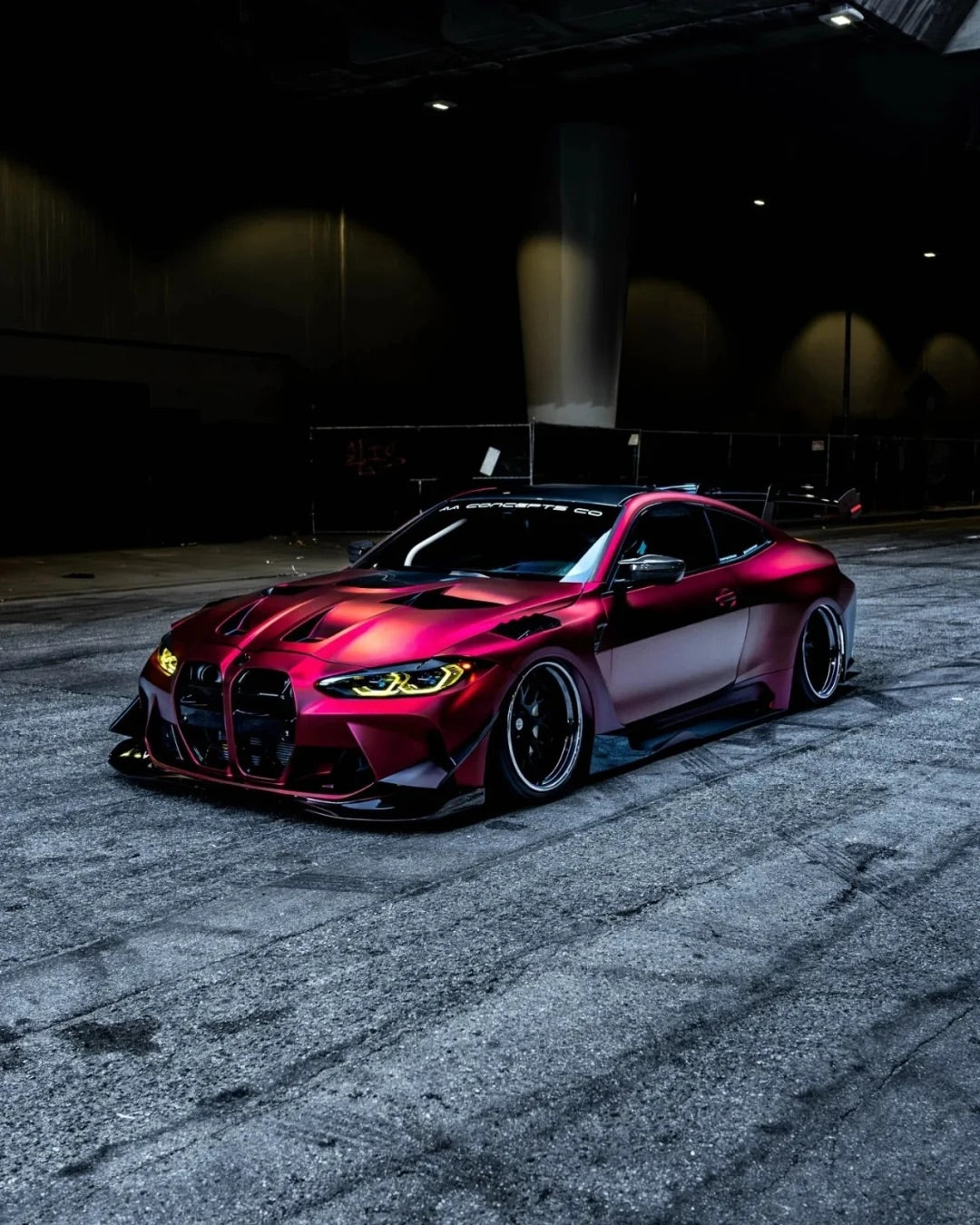


Understanding Paint Protection Film Installation
Paint protection film installation involves more than simply adhering material to your vehicle's surface. The process requires precise surface preparation, careful material handling, strategic heat application, and meticulous finishing techniques that separate showroom-quality results from disappointing outcomes.
Modern TPU paint protection wrap materials feature advanced self-healing technology, hydrophobic coatings, and exceptional optical clarity. However, even the highest-quality film performs poorly when installation techniques fall short of professional standards.
The installation process typically follows a structured sequence beginning with thorough vehicle washing and decontamination. Surface preparation alone can consume hours of careful work before any film touches the vehicle. Clay bar treatment removes embedded contaminants invisible to the naked eye but capable of creating bubbles or adhesion failures beneath the protective layer.
Professional PPF Installation Explained
Professional installers bring years of specialized training and hands-on experience to every project. Their controlled environments, specialized equipment, and refined techniques produce consistently superior results that justify premium pricing for many vehicle owners.
What Professional Installation Includes
Certified installation facilities maintain dust-free environments specifically designed for film application. Temperature and humidity controls ensure optimal adhesive activation and material handling conditions impossible to replicate in typical garage settings.
Professional technicians possess detailed knowledge of vehicle-specific challenges. They understand where film tends to lift, which curves require extra attention, and how different materials behave under various conditions. This institutional knowledge accumulates over hundreds of successful installations.
Most professional installations include warranty coverage protecting against defects, premature failure, and workmanship issues. These guarantees provide peace of mind that DIY projects simply cannot match. When problems arise, professional shops address them without additional cost to the vehicle owner.
Professional Installation Cost Breakdown
Full-vehicle colored paint protection film installation through professional channels typically ranges from two thousand to six thousand dollars depending on vehicle size, film type, and coverage level. Partial protection packages targeting high-impact areas like hoods, bumpers, and mirror caps cost significantly less while protecting the most vulnerable surfaces.
Professional pricing reflects material costs, skilled labor rates, facility overhead, and warranty obligations. The seemingly high investment often represents superior value when considering longevity, appearance quality, and avoided rework expenses.
Complex vehicles with aggressive body lines, deep recesses, and challenging curves command premium pricing due to increased labor requirements and material waste. Sports cars, luxury vehicles, and trucks with extensive surface areas fall into higher price brackets.
Advantages of Professional Installation
Quality assurance represents the primary advantage of professional services. Experienced installers achieve bubble-free, seamlessly aligned results that last for years without edge lifting, yellowing, or premature failure. Their refined techniques minimize material waste while maximizing coverage efficiency.
Time efficiency benefits vehicle owners with busy schedules. Professional teams complete full-vehicle installations in one to three days, returning ready-to-drive vehicles without requiring owner participation beyond initial drop-off and final pickup.
Access to professional-grade materials often comes exclusively through certified installers. Manufacturer partnerships provide access to premium films unavailable through retail channels, along with extended warranty programs tied to authorized installation networks.
DIY PPF Installation Explained
The DIY car wrap movement has grown dramatically as enthusiasts discover the satisfaction of hands-on vehicle customization. With proper preparation, quality materials, and patient execution, motivated individuals achieve impressive results at significantly reduced costs.
What DIY Installation Requires
Successful DIY PPF installation demands dedicated workspace, essential tools, quality materials, and substantial time investment. Unlike professional facilities, home installers must create controlled environments from available spaces, often working in garages cleaned and prepared specifically for the project.
The SAILI Professional Car Tool Wrapping Kit provides essential equipment including squeegees, precision cutting tools, heat guns, and specialized instruments designed for automotive film application. Professional-grade tools dramatically improve results compared to improvised alternatives or inadequate household items.
Beyond tools, DIY installers need slip solution for wet application methods, microfiber towels for surface preparation, isopropyl alcohol for final cleaning, and adequate lighting to identify imperfections during application. Working without proper equipment virtually guarantees disappointing results.
DIY Installation Cost Analysis
Material costs for DIY projects typically range from five hundred to fifteen hundred dollars depending on vehicle size and film selection. Car vinyl wrap materials and colored protection films from quality suppliers provide the foundation for successful projects.
Tool investments add one hundred to three hundred dollars for comprehensive kits containing everything needed for professional-quality application. These tools remain useful for future projects, touch-ups, and maintenance procedures throughout the film's service life.
Hidden costs frequently surprise first-time DIY installers. Material waste from cutting mistakes, practice panels consumed during learning curves, and potential rework expenses add to initial projections. Budgeting ten to thirty percent above material estimates accommodates typical learning-curve waste.
DIY Installation Time Requirements
Realistic time expectations separate successful DIY projects from frustrating failures. First-time installers should plan for multiple weekend sessions to complete full-vehicle coverage. Rush jobs produce substandard results that require costly corrections or complete reinstallation.
Professional installers complete projects in days because their experience eliminates learning-curve delays. DIY enthusiasts tackling first projects often spend twenty to forty hours achieving comparable results. Subsequent projects proceed faster as skills develop and confidence grows.
Surface preparation alone can consume an entire day when performed to professional standards. Skipping steps or rushing through preparation guarantees adhesion problems, contamination beneath the film, and premature failure requiring expensive corrections.
Head-to-Head Comparison
Understanding specific differences between professional and DIY approaches helps vehicle owners make informed decisions aligned with their priorities, capabilities, and circumstances.
Quality and Appearance
Professional installations consistently achieve superior appearance quality. Certified technicians eliminate visible seams, achieve perfect alignment around curves and edges, and produce bubble-free finishes that maintain their appearance for years.
DIY installations can approach professional quality with sufficient practice, patience, and attention to detail. However, first projects rarely match professional standards. Visible imperfections acceptable from five feet away become obvious upon close inspection.
Complex films like liquid chrome wrap and rainbow laser vinyl wrap challenge even experienced installers. These specialty materials require refined techniques most DIY enthusiasts develop only after multiple practice projects.
Durability and Longevity
Properly installed film lasts five to seven years regardless of installation method. The critical factor is installation quality rather than who performs the work. Poorly installed film begins failing within months, while excellent installations provide years of protection.
Professional installations typically outlast DIY work because edge sealing, heat treatment, and adhesive activation techniques optimize film performance. DIY projects often exhibit premature edge lifting where inexperience prevented proper finishing procedures.
Ultra matte wrap and metallic vinyl wrap options require consistent installation techniques to achieve uniform appearance across large panels. Inconsistent squeegee pressure or uneven heat application creates visible variations affecting overall aesthetic quality.
Warranty and Support
Professional installations include workmanship warranties addressing installation-related failures. Material manufacturers often provide extended coverage when certified installers apply their products according to specified procedures.
DIY projects carry only material warranties covering manufacturing defects. Installation-related failures remain the owner's responsibility to address and correct. This distinction becomes significant when problems arise months after installation completion.
Some manufacturers void material warranties when non-certified individuals perform installation. Verifying warranty terms before purchasing materials prevents unpleasant surprises when claiming coverage for defective products.
Flexibility and Control
DIY installation provides complete creative control over project timing, material selection, and execution approach. Working at your own pace allows careful attention to detail without scheduling constraints or additional labor charges for extended timelines.
Professional shops operate on scheduled timelines with multiple projects competing for attention. While quality remains consistent, customization options may be limited to available materials and standard service packages.
Partial installations and accent applications favor DIY approaches where small-scale projects justify learning investments. Adding 3D carbon fiber wrap accents to hoods, mirrors, or interior trim provides excellent practice opportunities before attempting full-vehicle coverage.
Making the Right Decision
Several factors should guide your decision between professional and DIY installation approaches.
Choose Professional Installation When
High-value vehicles warrant professional protection to preserve resale value and ensure optimal appearance. Exotic cars, luxury vehicles, and collector automobiles deserve installation quality matching their status and value.
Limited time availability makes professional installation the practical choice. Busy schedules incompatible with multi-day DIY projects favor professional services that return completed vehicles without owner participation.
Complex film selections like dual color dream vinyl wrap and color-shifting materials challenge even experienced installers. Professional expertise ensures optimal results with materials offering minimal margin for error.
Warranty requirements for leased vehicles or certified pre-owned programs may mandate professional installation documentation. Verifying program requirements prevents costly compliance issues.
Choose DIY Installation When
Budget constraints make professional services impractical. DIY approaches provide access to quality protection at fraction of professional pricing for cost-conscious vehicle owners willing to invest time and effort.
Learning enthusiasm motivates many DIY installers who find satisfaction in hands-on vehicle customization. The skills developed through installation projects provide ongoing value for future maintenance and modifications.
Simple projects targeting flat panels, small accents, or practice vehicles provide ideal DIY opportunities. Starting with sample kits allows material evaluation and technique practice before committing to full-vehicle projects.
Multiple vehicles requiring protection justify DIY skill development. Fleet owners and households with several vehicles recover tool investments quickly while maintaining ongoing protection capabilities.
Essential Tools for DIY Success
Quality tools significantly impact DIY installation outcomes. Investing in professional-grade equipment pays dividends through improved results and reduced material waste.
Must-Have Installation Tools
Heat guns with adjustable temperature settings allow precise thermal activation without risking film damage from excessive heat. Temperature control distinguishes professional tools from inadequate hardware-store alternatives.
Multiple squeegee types address different installation phases. Felt-edge squeegees prevent scratching during initial positioning, while harder plastic squeegees remove solution and activate adhesives during final application steps.
Precision cutting knives with fresh blades enable clean trim lines without scoring underlying paint. Dull blades drag, tear, and create jagged edges requiring correction or replacement.
Supporting Equipment
Spray bottles containing properly mixed slip solution enable wet application techniques providing repositioning flexibility. Solution ratios affect adhesive activation timing—too much soap delays bonding while insufficient lubrication prevents proper positioning.
Microfiber towels in various sizes handle cleaning, drying, and polishing tasks throughout installation. Lint-free materials prevent contamination that creates visible imperfections beneath transparent films.
Adequate lighting reveals imperfections invisible under dim garage lighting. Portable LED work lights positioned at various angles expose bubbles, contamination, and alignment issues before adhesive curing makes corrections impossible.
Getting Started with DIY Installation
Beginning your DIY journey with proper preparation maximizes success potential while minimizing frustration and wasted materials.
Practice Before Committing
Order sample kits to practice techniques on expendable materials before working with expensive full-roll purchases. Small sample pieces allow technique refinement without financial pressure affecting decisions.
Practice on scrap panels, old vehicles, or inexpensive surfaces before touching your primary vehicle. Developing confidence through repetition prevents costly mistakes on vehicles you care about protecting.
Watch instructional videos, study written guides, and join online communities where experienced installers share knowledge. Understanding proper techniques before attempting application dramatically improves first-project results.
Start Small and Build Confidence
Initial projects should target simple, forgiving applications rather than full-vehicle coverage. Flat interior panels, small exterior accents, and replaceable trim pieces provide ideal learning opportunities.
Progressive skill building through increasingly complex projects develops capabilities without overwhelming beginners. Success with simple applications builds confidence supporting more ambitious future projects.
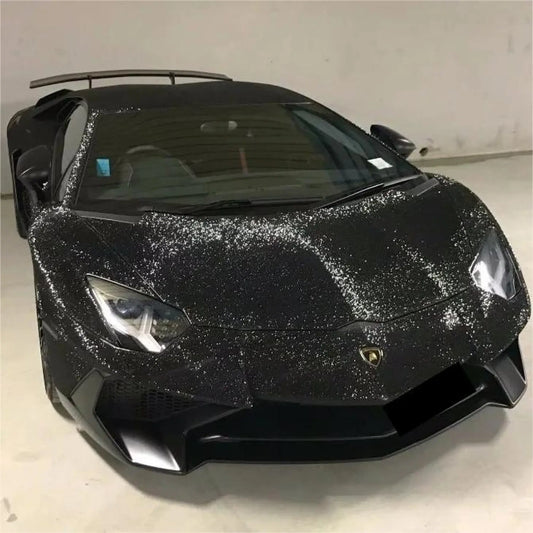
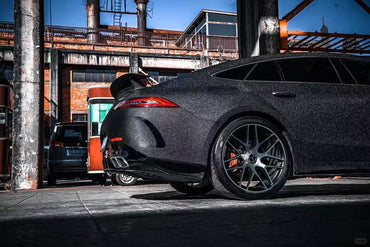
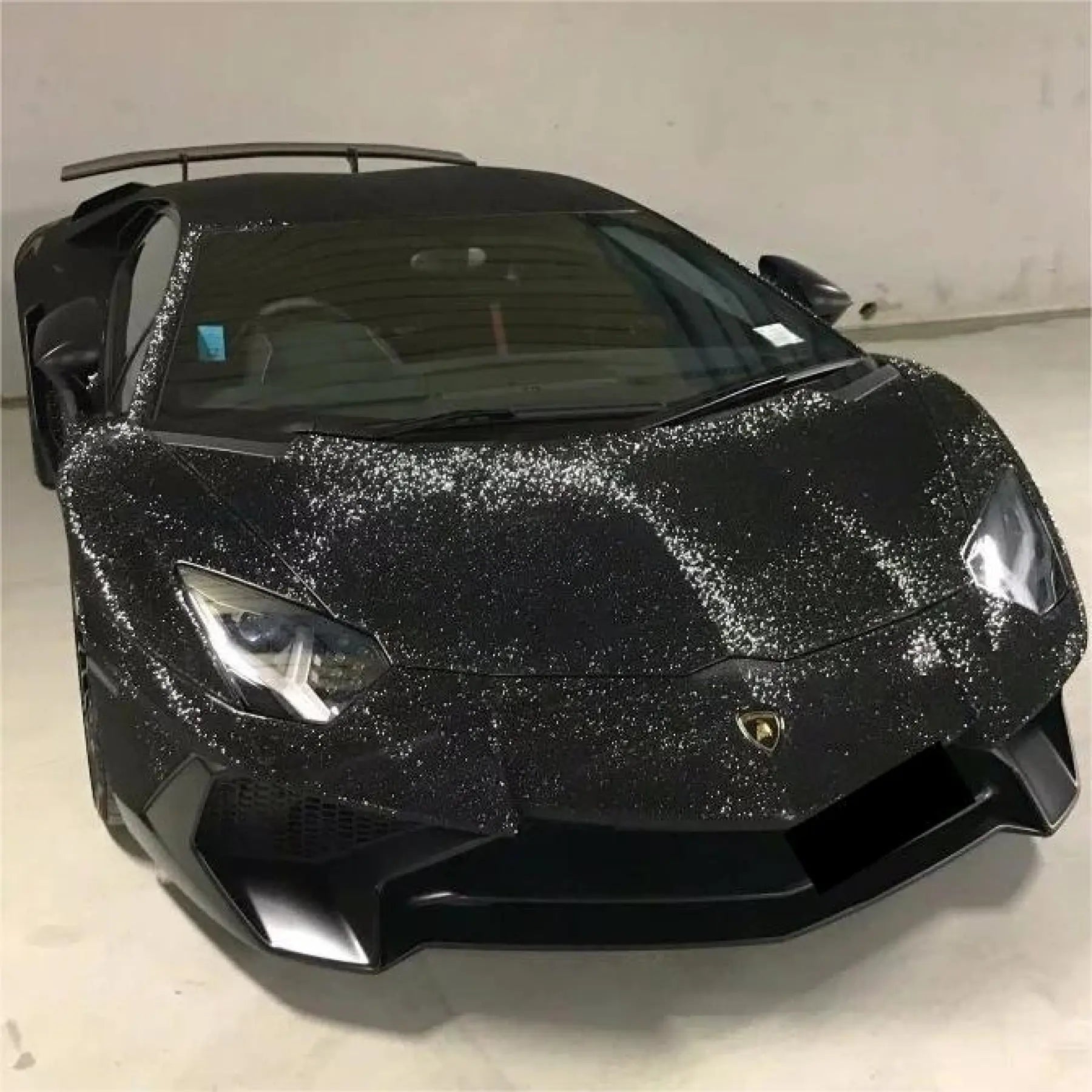
Crystal vinyl wrap and glitter sparkle car wrap options hide minor imperfections better than transparent films revealing every flaw. Beginning with forgiving materials reduces frustration while skills develop.
Film Selection for Your Installation Method
Material selection should consider both desired appearance and installation complexity appropriate to your chosen approach.
Beginner-Friendly Options
Matte and satin finishes hide minor installation imperfections better than high-gloss alternatives. Ultra matte wrap provides excellent starting points for DIY installers developing techniques.
Thicker films with forgiving adhesive systems allow repositioning during application. Premium materials designed for easier handling justify slightly higher material costs through reduced waste and improved results.
Advanced Materials Requiring Experience
Liquid chrome wrap and mirror-finish films reveal every installation imperfection. These materials demand refined techniques developed through extensive practice or professional expertise.
Color-shifting and chameleon films require precise alignment to maintain visual consistency across panels. Slight variations in application technique create visible differences affecting overall appearance quality.
Browse the complete Sailifilm best sellers collection to explore options matching your skill level and installation ambitions.
Conclusion
The choice between professional PPF installation and DIY application ultimately depends on your priorities, capabilities, and circumstances. Both approaches deliver excellent protection when executed properly with quality materials.
Professional installation provides guaranteed results, warranty coverage, and time savings justifying premium pricing for vehicle owners prioritizing convenience and assured quality. DIY installation offers significant cost savings and personal satisfaction for enthusiasts willing to invest time, effort, and patience developing installation skills.
Whatever path you choose, starting with quality materials from trusted suppliers establishes the foundation for successful outcomes. Explore your options, honestly assess your capabilities, and commit to the approach aligned with your goals for protecting and enhancing your vehicle.
External Reference Links:

