



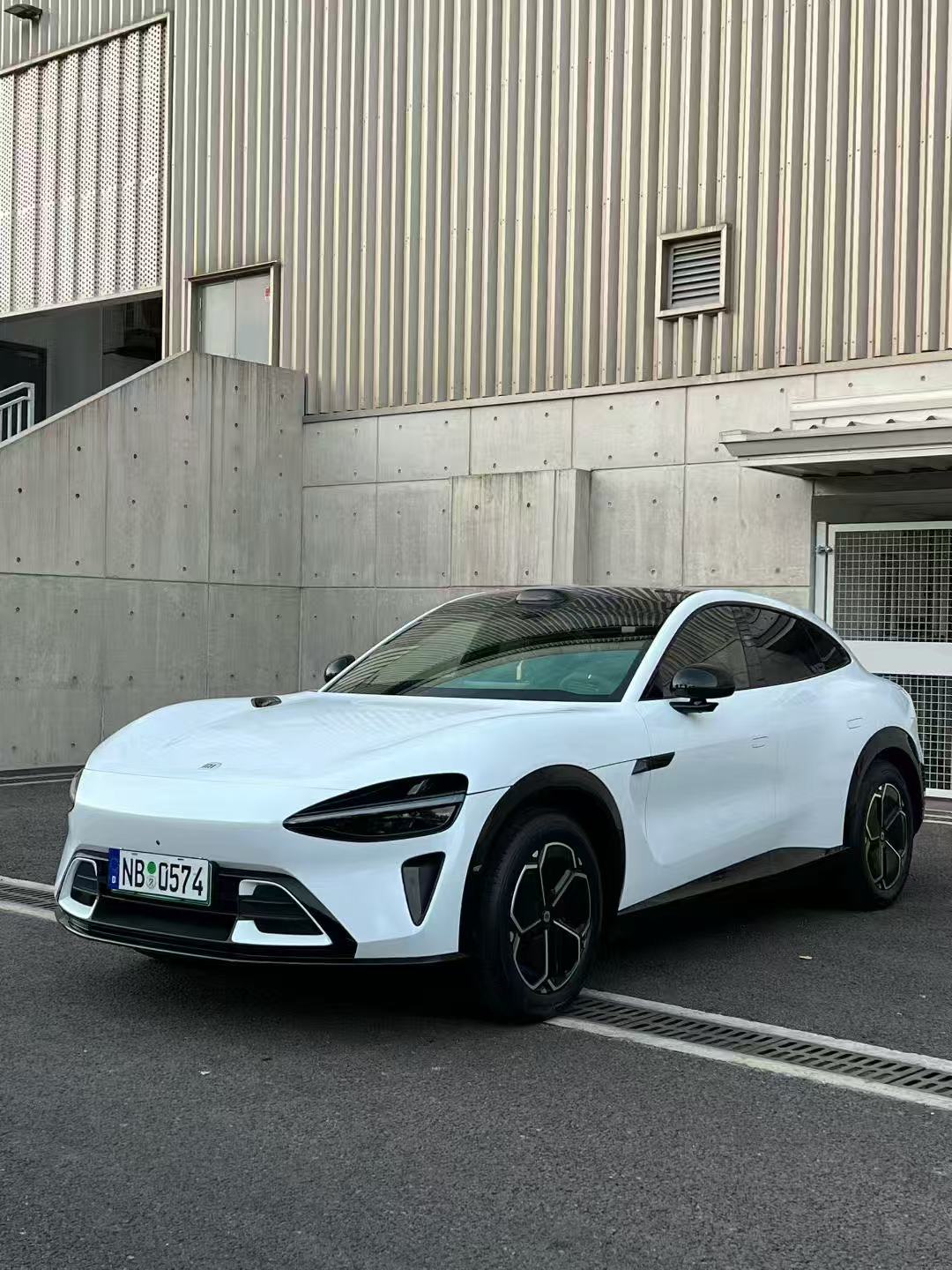


Understanding PPF Material Science
Modern paint protection film consists of sophisticated thermoplastic polyurethane (TPU) engineered to withstand environmental stress while maintaining optical clarity and protective capabilities. This advanced material responds differently to various climate conditions, making understanding these interactions essential for proper care.
TPU paint protection wrap technology has evolved significantly from early protective films. Contemporary formulations include UV stabilizers, self-healing topcoats, and flexible adhesive systems designed to perform across diverse environmental conditions. However, even premium materials have limitations when subjected to extreme weather exposure.
The multi-layer construction of quality PPF includes a clear coat surface layer, TPU body providing impact resistance, acrylic adhesive for bonding, and a release liner removed during installation. Each layer responds uniquely to temperature fluctuations, moisture exposure, and ultraviolet radiation, creating complex interactions affecting overall durability.
Hot Climate Impact on Paint Protection Film
Intense heat and prolonged sun exposure present significant challenges for automotive protection films. Vehicles operating in desert environments, tropical regions, and southern climates face accelerated aging compared to those in temperate zones.
UV Radiation Effects
Ultraviolet radiation represents the primary threat to PPF longevity in hot climates. UV rays break down polymer chains within the film material, causing gradual degradation that manifests as yellowing, brittleness, and reduced protective capability.
High-quality films incorporate UV-resistant top coatings capable of blocking up to ninety-nine percent of harmful radiation. This protection preserves both the film itself and the vehicle paint beneath, preventing oxidation and color fading that would otherwise occur with direct exposure.
However, even premium UV protection degrades over time under intense solar exposure. Vehicles parked outdoors in Arizona, Texas, or Florida experience measurably faster film degradation compared to garage-stored counterparts in the same regions.
Heat-Related Adhesive Challenges
Extreme temperatures affect the adhesive layer bonding PPF to vehicle surfaces. Sustained heat above eighty-six degrees Fahrenheit softens adhesive compounds, potentially causing edge lifting, bubble formation, and reduced bonding strength.
Flat horizontal surfaces like hoods and roofs suffer most from heat accumulation. These areas receive direct overhead sunlight while retaining heat longer than vertical panels, creating localized stress zones where premature failure often begins.
Colored paint protection film in darker shades absorbs more heat than lighter colors or clear films. Vehicle owners in hot climates should consider this factor when selecting film colors, as darker options may experience accelerated aging under intense solar conditions.
Hot Climate Care Strategies
Protecting your PPF investment in hot environments requires proactive measures extending film lifespan significantly. Parking in shaded areas whenever possible reduces direct UV exposure and prevents heat buildup that stresses adhesive bonds.
Covered parking structures, garage storage, and strategic use of car covers provide substantial protection. Studies suggest vehicles stored in garages maintain PPF quality up to thirty percent longer than those exposed to continuous outdoor conditions.
Regular washing removes dust and airborne contaminants that accumulate and bake onto film surfaces in hot weather. Cleaning during cooler morning or evening hours prevents thermal shock from cold water contacting superheated surfaces.
Cold Climate Impact on Paint Protection Film
Freezing temperatures and winter conditions present different challenges than hot environments. Cold weather affects film flexibility, adhesive performance, and creates exposure to corrosive road treatment chemicals.
Temperature-Related Brittleness
As temperatures drop, PPF and car vinyl wrap materials become increasingly rigid. This reduced flexibility increases vulnerability to cracking when subjected to impacts, pressure washing, or physical stress during cold weather.
Freeze-thaw cycles create particular stress on protective films. Repeated temperature fluctuations cause expansion and contraction cycles that weaken adhesive bonds over time, potentially leading to edge lifting and separation from vehicle surfaces.
Minor damages that would self-heal in warm conditions may remain visible during cold months. The self-healing properties of premium TPU films require heat activation, meaning scratches and swirl marks persist until temperatures rise or external heat is applied.
Road Salt and Chemical Exposure
Winter road treatments introduce highly corrosive substances that threaten protective films. Salt, chemical de-icers, and sand mixtures accumulate on vehicle surfaces, attacking film edges and any existing damage points.
These corrosive materials accelerate adhesive breakdown when allowed to remain on vehicle surfaces. The combination of chemical exposure and cold-temperature stress creates conditions favoring premature film failure in winter climates.
Crystal vinyl wrap and other specialty finishes may show salt staining more visibly than standard materials. Prompt removal of winter road chemicals prevents both cosmetic damage and structural degradation of protective films.
Cold Climate Care Strategies
Winter maintenance requires adjusted approaches protecting films during vulnerable cold months. Avoid ice scrapers and snow brushes directly contacting film surfaces, instead using lukewarm water to melt frozen accumulation safely.
Regular washing during winter removes corrosive road salt before it damages film materials. Use warm water rather than hot, as extreme temperature differentials can stress films already weakened by cold conditions.
Indoor storage provides substantial protection during extended cold periods. Vehicles garaged overnight experience significantly less temperature cycling stress than those exposed to full outdoor conditions throughout winter.
Humidity and Moisture Impact
High humidity environments and coastal regions present unique challenges for paint protection films. Moisture penetration, salt air exposure, and mold growth threaten film integrity in ways distinct from temperature extremes.
Moisture Penetration Concerns
Humidity can penetrate beneath film edges, creating moisture pockets between the PPF and vehicle paint. Over time, trapped moisture causes adhesive breakdown, bubble formation, and potential mold growth that compromises both appearance and protection.
Coastal areas combine humidity with airborne salt particles that accelerate corrosion of both protective films and underlying materials. Vehicles regularly exposed to ocean air require more frequent cleaning and inspection than inland counterparts.
Ultra matte wrap and textured finishes may trap moisture more readily than smooth gloss surfaces. These finish types require additional attention in humid environments to prevent moisture-related damage accumulation.
Humidity Management Strategies
Proper installation becomes critical in humid climates, as incomplete edge sealing allows moisture infiltration. Professional installation using correct techniques minimizes entry points where humidity can penetrate beneath protective films.
Climate-controlled storage dramatically reduces humidity exposure when vehicles are not in use. Dehumidified garages maintain lower moisture levels that preserve adhesive integrity and prevent condensation formation beneath films.
Regular edge inspection identifies lifting or separation before moisture damage becomes severe. Early intervention addressing small edge failures prevents progressive deterioration requiring complete film replacement.
Regional Climate Considerations
Different geographic regions present unique combinations of climate challenges requiring tailored protection strategies.
Desert and Arid Climates
Desert environments combine intense UV radiation with extreme temperature swings between scorching days and cool nights. This combination accelerates film aging through both UV degradation and thermal cycling stress.
Dust and sand particles common in arid regions create micro-abrasions that dull film surfaces over time. Regular gentle washing removes abrasive particles before they accumulate and cause progressive surface damage.
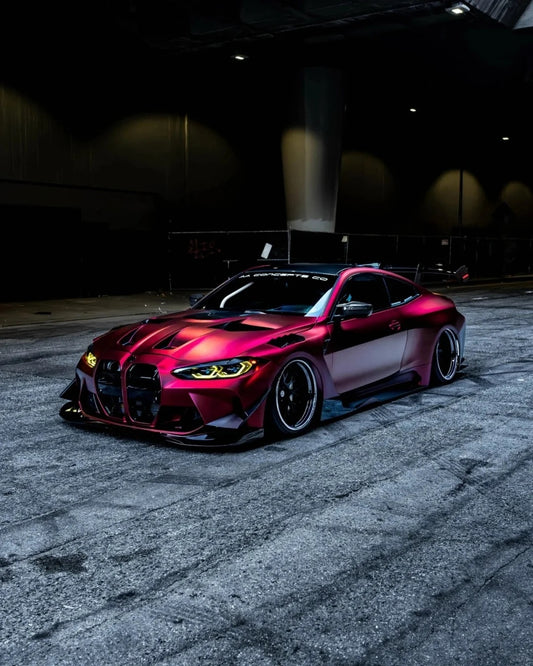
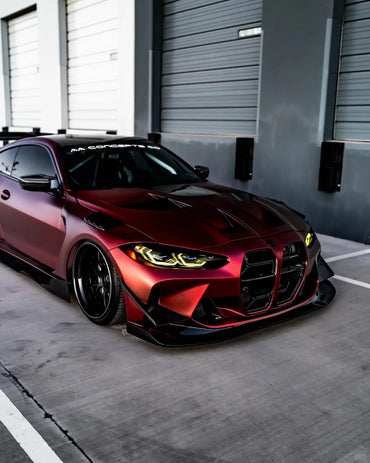
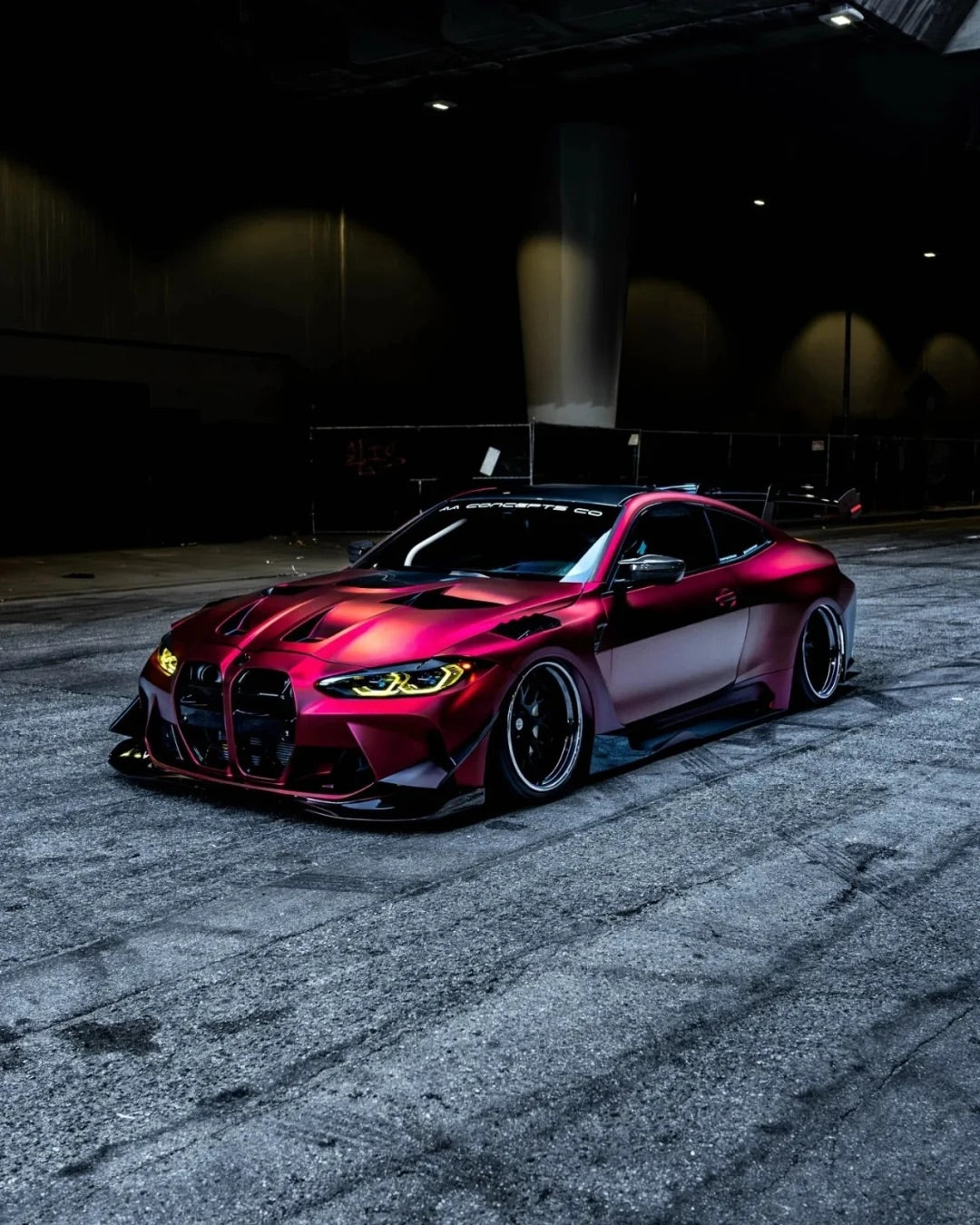
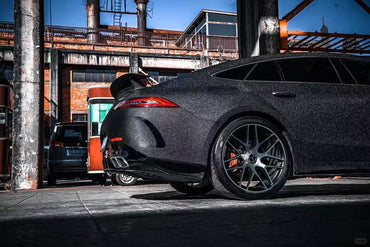
Metallic vinyl wrap and liquid chrome wrap finishes may show desert wear more visibly than solid colors. These reflective finishes highlight surface imperfections that accumulate from abrasive environmental exposure.
Tropical and Coastal Regions
Tropical climates combine intense sun, high humidity, and frequent precipitation creating challenging conditions for protective films. The combination of heat and moisture accelerates both UV degradation and adhesive breakdown simultaneously.
Salt air in coastal areas deposits corrosive particles on vehicle surfaces even without direct ocean contact. Regular washing removes salt deposits before they damage film materials or penetrate beneath protective layers.
Rainbow laser vinyl wrap and dual color dream vinyl wrap options provide stunning aesthetics in tropical settings but require consistent maintenance to preserve their color-shifting effects against environmental degradation.
Temperate and Moderate Climates
Vehicles in temperate regions enjoy the most favorable conditions for PPF longevity. Moderate temperatures, reasonable humidity, and limited extreme weather exposure allow protective films to achieve maximum service life.
Even in moderate climates, seasonal variations require adjusted maintenance approaches. Summer sun protection and winter salt removal remain relevant, though less intensive than in extreme climate zones.
Vehicle owners in temperate regions can confidently expect premium PPF to deliver seven to ten years of protection when properly maintained. This extended lifespan represents significantly better value than identical films in harsh environments.
Maximizing PPF Lifespan in Any Climate
Regardless of your geographic location, specific practices extend protective film durability and preserve appearance quality.
Proper Installation Foundation
Quality installation creates the foundation for long-term film performance. Professional installation using correct surface preparation, adhesive activation, and edge sealing techniques ensures films bond properly and resist environmental stress.
Sample kits allow evaluation of different film materials before committing to full installations. Testing how specific films perform in your local climate conditions helps identify optimal products for your environment.
Post-installation curing periods allow adhesive systems to fully bond before exposure to washing, environmental stress, or physical contact. Following manufacturer curing guidelines prevents premature failures from inadequate initial bonding.
Consistent Maintenance Routines
Regular cleaning removes environmental contaminants before they damage protective films. Using pH-neutral automotive soaps and soft microfiber cloths prevents chemical damage and surface scratching during maintenance.
Avoid automatic car washes with abrasive brushes that scratch film surfaces and high-pressure systems that lift film edges. Hand washing or touchless automated systems preserve film integrity while effectively removing contaminants.
Inspect films regularly for signs of wear including yellowing, edge lifting, bubbling, or loss of self-healing function. Early identification of degradation allows timely intervention before minor issues become major problems requiring complete replacement.
Protective Enhancements
Ceramic coatings applied over PPF provide additional UV protection, hydrophobic properties, and enhanced chemical resistance. This supplementary layer extends film lifespan while making routine maintenance easier.
Quality wrapping tools enable proper maintenance techniques that preserve film quality. Using appropriate squeegees, microfiber materials, and cleaning solutions protects your investment throughout its service life.
Car covers provide portable protection for vehicles without access to covered parking. Breathable covers block UV rays while preventing moisture accumulation that could damage underlying films.
Film Selection for Your Climate
Choosing appropriate materials for your specific climate conditions optimizes both protection and longevity.
Hot Climate Recommendations
Select films with premium UV-resistant topcoats and high-temperature adhesive formulations designed for hot environment performance. Premium TPU films handle thermal stress better than budget alternatives prone to heat-related failures.
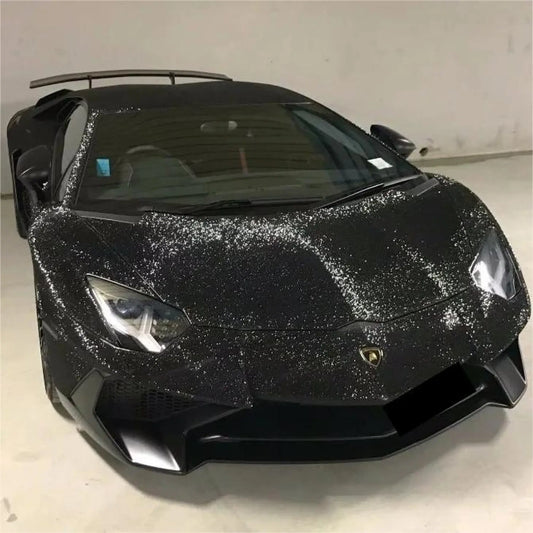
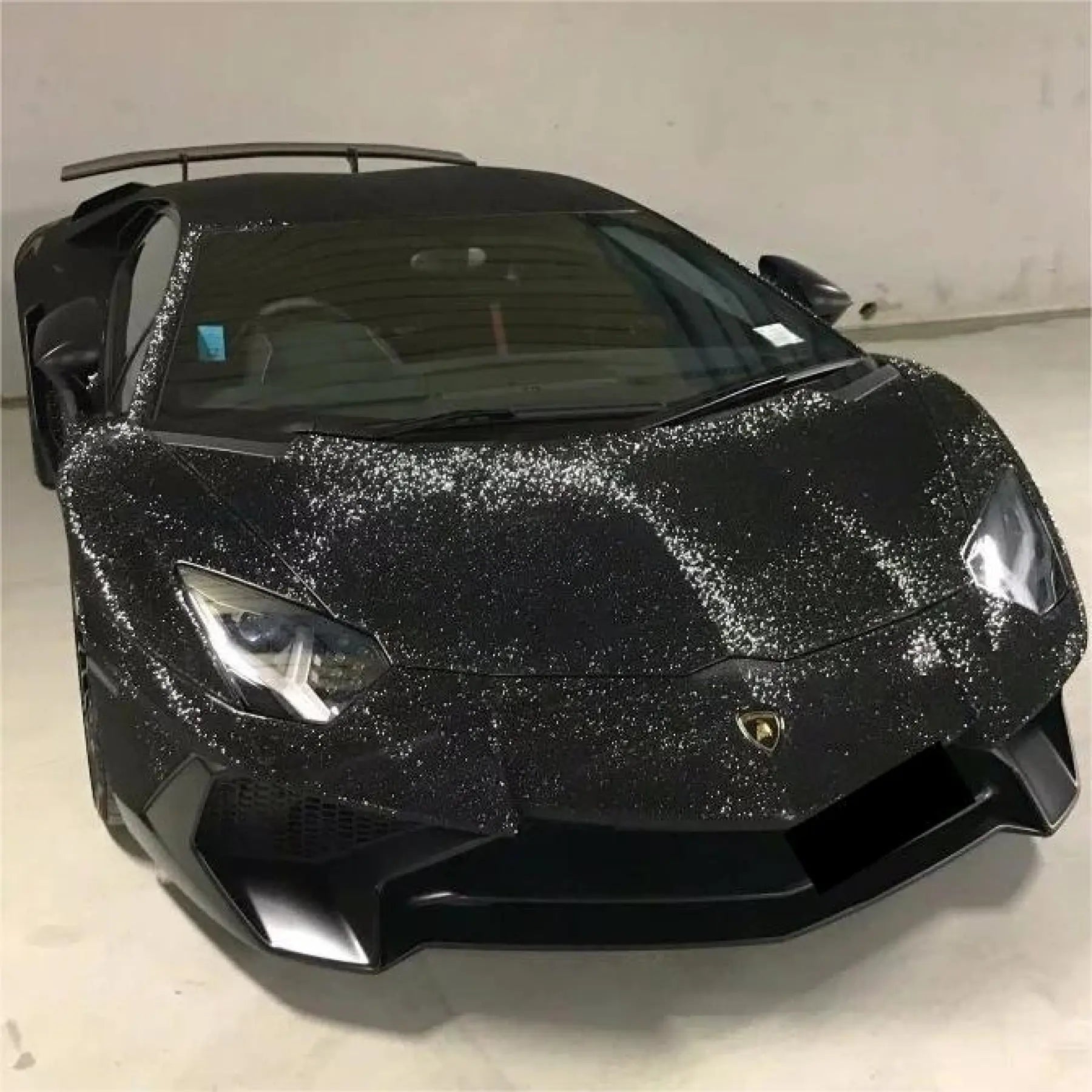
Lighter colored films and glitter sparkle car wrap options reflect more solar energy than dark colors, reducing heat absorption and associated stress. This consideration becomes particularly important for vehicles frequently exposed to direct sunlight.
Cold Climate Recommendations
Films maintaining flexibility at low temperatures resist cold-weather cracking and damage better than materials becoming excessively rigid in freezing conditions. Premium TPU formulations retain more flexibility across temperature extremes than basic PVC alternatives.
3D carbon fiber wrap and textured finishes may trap salt and road chemicals requiring extra attention during winter months. Smooth finish films shed contaminants more easily, simplifying winter maintenance routines.
All-Climate Considerations
Investing in premium film quality pays dividends regardless of climate conditions. Higher-quality materials incorporate better UV stabilizers, more flexible TPU formulations, and more durable adhesive systems that perform across environmental extremes.
Browse the Sailifilm best sellers collection to explore proven film options delivering reliable performance across diverse climate conditions.
Conclusion
Climate significantly impacts paint protection film and vinyl wrap longevity, but understanding these relationships empowers vehicle owners to maximize their investment regardless of geographic location. Hot environments challenge UV resistance and adhesive stability, cold climates stress flexibility and introduce corrosive chemicals, while humid regions threaten moisture infiltration and mold growth.
Proper film selection, professional installation, and consistent climate-appropriate maintenance extend service life substantially in any environment. Premium materials designed for environmental stress resistance justify higher initial costs through extended durability and maintained appearance quality.
Whether protecting your vehicle in desert heat, northern cold, or coastal humidity, knowledge and proactive care ensure your paint protection investment delivers years of reliable performance. For more information on proper film care, visit the Sailifilm car film maintenance guide for detailed care instructions.
External Reference Links:

