







Understanding Rock Chip Damage
Rock chips occur when gravel, stones, sand, and other road debris become airborne and impact your vehicle's painted surfaces. Highway driving significantly increases exposure risk as vehicles travel at higher speeds through loose material kicked up by surrounding traffic. Following too closely behind trucks or construction vehicles dramatically amplifies the likelihood of sustaining chip damage, as their tires propel debris directly toward your car's front end.
The areas most vulnerable to rock chip damage include the hood leading edge, front bumper, fenders, rocker panels, side mirrors, and A-pillars. These forward-facing surfaces take the brunt of debris impact during normal driving. For technical details about automotive paint and damage mechanisms, you can reference the
Wikipedia article on automotive paint.
Beyond immediate cosmetic concerns, rock chips create long-term problems when left untreated. Moisture penetration through damaged clear coat and paint layers initiates oxidation on exposed metal, producing rust that spreads beneath surrounding paint. What begins as a tiny chip can expand into significant corrosion requiring expensive bodywork and repainting. Proactive protection proves far more economical than reactive repair.
The Ultimate Solution: TPU Paint Protection Film
For maximum rock chip prevention, TPU paint protection wrap represents the gold standard in automotive surface protection. This thermoplastic polyurethane film measures approximately 7.5 to 8.5 mils thick, creating a substantial physical barrier capable of absorbing and dispersing impact energy from road debris before it reaches your paint. Unlike thinner protective solutions, premium TPU films genuinely prevent rock chip damage rather than merely reducing its appearance.
The technology behind PPF originated during the Vietnam War when the United States Department of Defense developed protective films to shield helicopter rotor blades from debris damage. Automotive manufacturers later adapted this military-grade technology for consumer vehicles, and modern iterations have evolved substantially in both performance and optical clarity. You can learn more about this history at the
Wikipedia page on Paint Protection Film.
Self-Healing Technology
Premium TPU films feature advanced self-healing topcoat technology that sets them apart from all other protective options. This elastomeric polymer layer constantly works to maintain its original smooth surface, automatically repairing minor scratches and swirl marks when exposed to heat from sunlight or warm water. When small debris impacts the film surface, the self-healing properties allow the material to recover its appearance without permanent marking, keeping your vehicle looking pristine despite daily exposure to road hazards.
Clear PPF Options
Clear paint protection film maintains your vehicle's original factory appearance while providing invisible armor against rock chips. Available in both gloss and matte finishes with thickness options including 7.5mil and 8.5mil variants, clear PPF delivers crystal-clear optical clarity that preserves your paint's color and depth. The hydrophobic topcoat repels water and contaminants, making cleaning easier while reducing the time debris remains in contact with the protected surface.
Colored Paint Protection Film
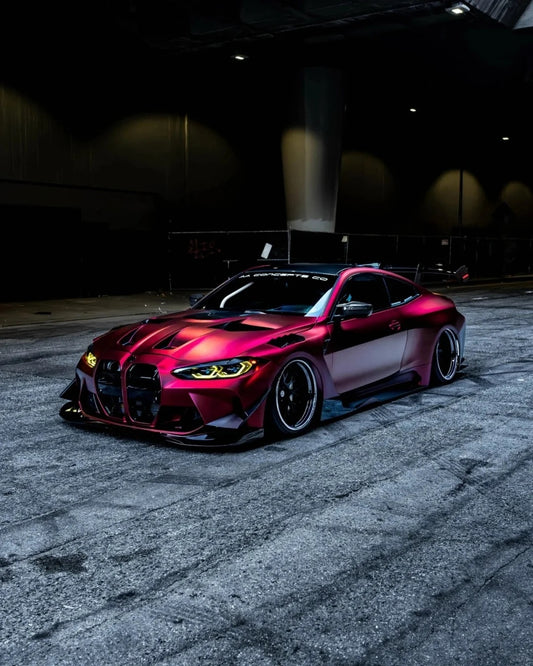
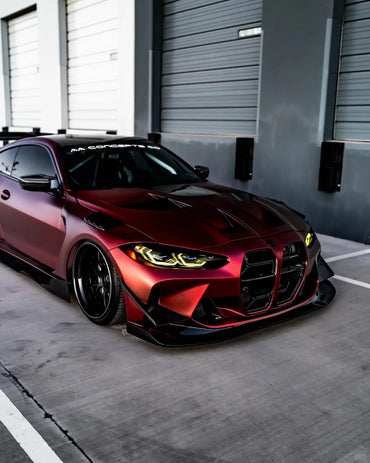
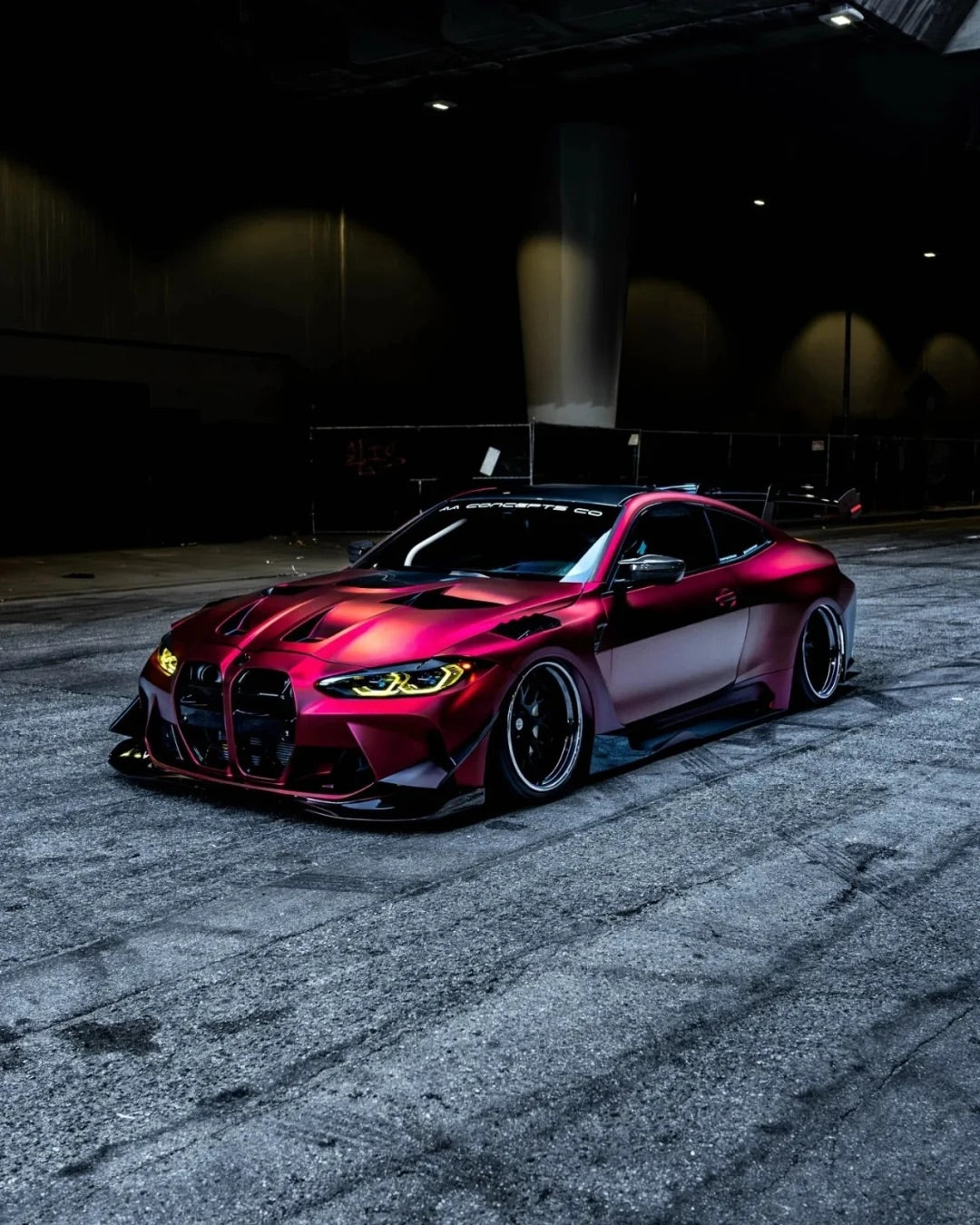
For drivers wanting both protection and personalization, colored paint protection film delivers the best of both worlds. These innovative films combine TPU's robust rock chip prevention capabilities with vibrant color options, allowing complete aesthetic transformation while maintaining self-healing properties. Colored PPF represents the newest evolution in automotive protection technology, offering customization previously only achievable through paint or vinyl wrap while providing genuine impact resistance that traditional wraps cannot match.
Vinyl Wraps: Style with Surface Protection
While premium vinyl wraps are primarily chosen for aesthetic customization, they also provide meaningful surface protection as a secondary benefit. Car vinyl wrap creates a physical barrier between your factory paint and environmental hazards including UV radiation, bird droppings, tree sap, and minor abrasions. Although vinyl measuring 3 to 4 mils thick cannot match the impact absorption of 8-mil TPU films, it does offer protection against light scratches and surface contamination while dramatically transforming your vehicle's appearance.
Crystal Series Vinyl Wrap
The Crystal Series offers 35 stunning color options featuring deep, jewel-like finishes that catch and reflect light beautifully. These wraps provide surface protection against minor environmental damage while delivering sophisticated aesthetics that enhance any vehicle's appearance. The crystal finish adds dimensional depth impossible to achieve with standard paint, creating visual impact that turns heads in any parking lot.
Metallic Vinyl Wrap
The Metallic Series features 17 premium finishes incorporating fine metallic flakes that create subtle sparkle and exceptional depth. Popular options like Metallic Gloss GT Silver deliver refined elegance while the vinyl layer shields your original paint from daily exposure to dust, dirt, and light contact damage. The smooth metallic surface also simplifies cleaning, allowing contaminants to release more easily than from bare paint.
Ultra Matte Wrap
The Ultra Matte Series delivers 18 sophisticated non-reflective finishes that have become increasingly popular among luxury vehicle owners. Options like Ultra Matte Flat Meteorites Grey and Ultra Matte Flat Pure White provide modern, stealthy aesthetics while creating a protective barrier against environmental contamination. The matte texture tends to show less water spotting and surface imperfections than gloss finishes, helping your vehicle maintain a cleaner appearance between detail sessions.
Liquid Chrome Wrap
The Liquid Chrome Series includes 17 mirror-like finishes that create stunning visual impact impossible to achieve through traditional paint methods. Options like Liquid Gloss Dragon Red deliver wet-look depth and brilliance while the vinyl film provides a smooth, easy-to-clean surface that releases road grime and environmental deposits more readily than unprotected paint.
Rainbow Laser Vinyl Wrap
For maximum visual impact, the Rainbow Laser Series features 11 color-shifting options utilizing advanced holographic technology. Galaxy Chameleon Diamond variants showcase prismatic effects that change appearance based on viewing angle and lighting conditions. Beyond the spectacular aesthetics, these wraps create a protective layer shielding your paint from UV damage and surface contamination.
Additional Wrap Options
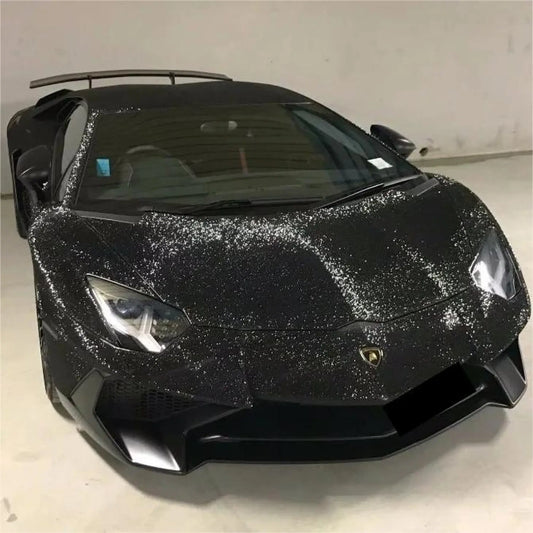
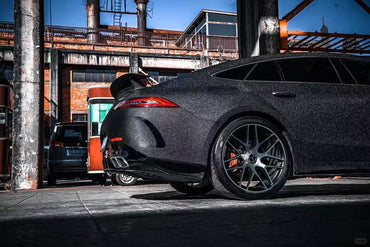
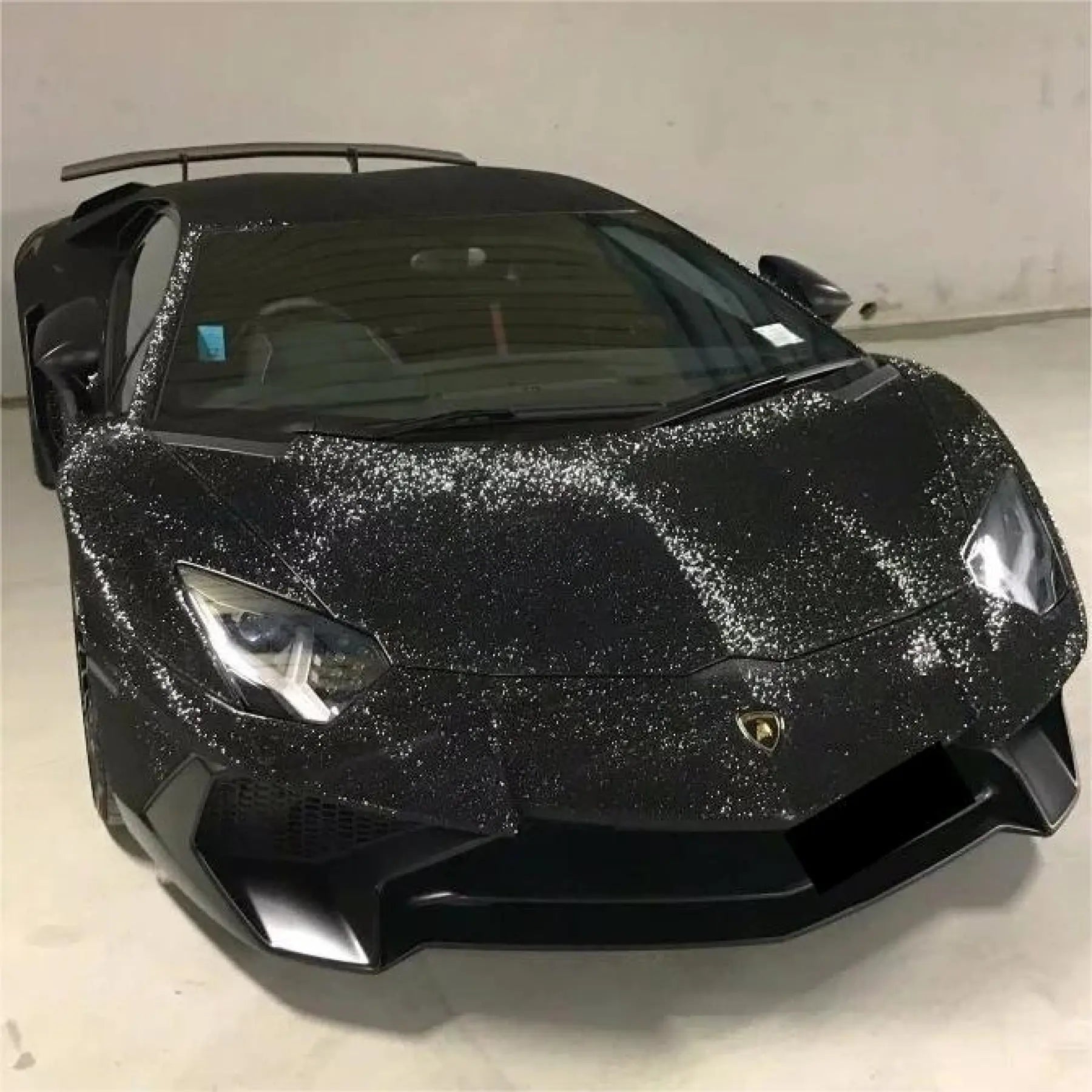
The Dual Color Dream Series offers 10 chameleon-style wraps that shift between distinct colors depending on viewing angle. The Glitter Sparkle Collection features Diamond Glitter wraps in Black, Pink, and Silver with dazzling metallic flake effects. For motorsport-inspired aesthetics, the 3D Carbon Fiber Wrap replicates authentic carbon fiber texture with impressive visual depth. Each option provides surface protection while transforming your vehicle's appearance.
High-Risk Areas Requiring Protection
Strategic protection of high-impact zones provides maximum value for vehicles regularly exposed to road debris. Understanding which areas face the greatest risk helps you prioritize coverage and allocate your protection budget effectively.
-
Hood Leading Edge: The front portion of your hood takes direct hits from airborne debris and represents the most critical area for protection
-
Front Bumper: This forward-facing surface contacts road spray and kicked-up stones constantly during driving
-
Fender Edges: Front fenders catch debris thrown by your own tires as well as material from vehicles ahead
-
Side Mirrors: Protruding mirror housings intercept debris that would otherwise pass alongside your vehicle
-
Rocker Panels: Lower body panels receive constant bombardment from tire spray and road debris
-
A-Pillars: The structural pillars beside your windshield catch debris deflected by airflow around the vehicle
Comparing Protection Methods
Understanding the strengths and limitations of different protection methods helps you select the right solution for your specific needs and driving conditions.
TPU Paint Protection Film
At 7.5 to 8.5 mils thickness, TPU paint protection film provides the most robust physical barrier against rock chips. The material's elastomeric properties allow it to absorb impact energy and distribute force without transferring damage to underlying paint. Self-healing technology repairs minor surface scratches automatically. TPU films offer 5 to 10 years of reliable protection with proper maintenance, making them the premier choice for drivers prioritizing maximum rock chip prevention.
Vinyl Wrap
Vinyl wraps measuring 3 to 4 mils provide moderate surface protection alongside their primary purpose of aesthetic customization. While vinyl cannot absorb high-impact debris as effectively as thicker TPU films, it does shield paint from UV damage, light scratches, bird droppings, and surface contamination. Vinyl excels for drivers who prioritize appearance transformation while accepting somewhat reduced impact protection compared to dedicated PPF.
Ceramic Coatings
Ceramic coatings measure only 1 to 2 microns thick and provide no meaningful rock chip protection. These liquid polymer treatments excel at creating hydrophobic surfaces that repel water and contaminants, simplifying cleaning and preventing chemical etching. However, ceramic coatings should never be considered a solution for physical impact protection. Many vehicle owners apply ceramic coating over PPF or vinyl wrap to combine the benefits of both technologies.
Installation and Maintenance
Proper installation dramatically affects both appearance and protective performance of any film application. For DIY enthusiasts, the Wrapping Tools collection includes everything needed for professional-quality installation including squeegees, heat guns, cutting tools, and application solutions. Before committing to a full vehicle wrap, consider ordering from the Sample Kits collection to evaluate colors and finishes against your vehicle in various lighting conditions.
Maintaining protected surfaces requires minimal effort compared to caring for unprotected paint. Regular washing with pH-neutral automotive soap removes surface contaminants before they can cause damage. Avoid automated car washes with abrasive brushes that could scratch film surfaces. For detailed maintenance guidance, consult the Car Film Maintenance Guide and DIY Car Wrap Installation Guide for comprehensive instructions and best practices.
Driving Habits That Reduce Rock Chip Risk
Beyond protective films, modifying certain driving behaviors helps minimize rock chip exposure. While these strategies cannot eliminate risk entirely, combining them with physical protection maximizes your defense against paint damage.
-
Increase Following Distance: Maintaining greater distance from vehicles ahead allows kicked-up debris to fall before reaching your car
-
Avoid Construction Zones: When possible, route around areas with fresh gravel or ongoing road work
-
Stay Clear of Trucks: Large commercial vehicles kick up significantly more debris than passenger cars
-
Reduce Highway Speed: Higher speeds increase both the frequency and impact force of debris contact
-
Choose Lanes Wisely: Road edges accumulate more loose material than center lanes
Choosing Your Protection Strategy
Selecting the right rock chip prevention solution depends on your priorities, budget, and driving conditions. For maximum protection without appearance change, clear TPU paint protection film delivers unmatched impact resistance. For those wanting both style transformation and protection, colored PPF or premium vinyl wraps provide excellent options. Browse the Best Sellers collection to see which products other vehicle owners have chosen for their protection needs.
Many enthusiasts opt for layered protection strategies, applying clear PPF to high-impact zones like the hood and bumper while using vinyl wrap for body panels where rock chip risk is lower. This approach optimizes both protection and customization while managing costs effectively. The key is matching your protection investment to your actual risk exposure and aesthetic preferences.
Conclusion
Rock chips represent one of the most common and frustrating forms of vehicle paint damage, but effective prevention strategies exist for every driver and budget. Premium TPU paint protection film provides the ultimate defense against road debris impact, with self-healing properties that maintain pristine appearance despite daily exposure to hazards. Vinyl wraps offer surface protection alongside dramatic aesthetic transformation, while colored PPF combines the best attributes of both technologies.
The cost of protection always proves more economical than the cost of repair. Untreated rock chips lead to rust formation, spreading corrosion, and eventually expensive bodywork that far exceeds any preventive film investment. Whether you choose invisible clear PPF, eye-catching holographic vinyl, or sophisticated matte finishes, applying protective film before damage occurs preserves your vehicle's appearance, structural integrity, and resale value. Take action now to shield your paint from the inevitable road debris every driver faces.
How to Repair Existing Rock Chips Before Wrapping
PPF vs Vinyl Wrap: Which Offers Better Protection
Full Front Protection Package: What Areas to Cover
Highway Driving Tips for Paint Preservation
Combining Ceramic Coating with PPF for Ultimate Protection

