



Understanding the Fundamental Differences
Paint protection film and vinyl wrap begin with entirely different base materials designed for different primary purposes. This distinction affects everything from durability and protective capabilities to appearance and long-term maintenance requirements.
PPF consists of thermoplastic polyurethane, commonly called TPU, which creates a robust yet flexible barrier between your paint and the outside world. This material was originally developed for military applications, protecting helicopter blades from debris damage during combat operations. The technology eventually migrated to the automotive sector, where it now serves millions of vehicle owners worldwide. Modern TPU films typically measure between 6 and 10 mils in thickness, providing substantial impact absorption capabilities. You can learn more about the history and science of paint protection film through various automotive resources.
Vinyl wrap uses polyvinyl chloride, known as PVC, as its foundation. This thinner material, usually measuring 2 to 4 mils thick, prioritizes flexibility and conformability over raw protective strength. The extensive range of available colors, finishes, and textures makes vinyl wraps the preferred choice for dramatic aesthetic transformations. Products like rainbow laser vinyl wrap, liquid chrome wrap, and dual color dream vinyl wrap showcase the extraordinary creative possibilities this technology enables.
Physical Protection Capabilities Compared
When analyzing pure protective performance, PPF maintains clear advantages over traditional vinyl wrap materials. The thicker construction allows TPU films to absorb energy from impacts that would penetrate vinyl and reach your underlying paint. Rock chips, road debris, gravel spray, and even minor parking lot incidents get stopped before damaging your factory finish.
Testing conducted by professional installers demonstrates this difference dramatically. When subjected to direct impact from pointed objects, vinyl wrap fails relatively quickly while PPF continues resisting penetration. The elasticity and recovery properties of thermoplastic polyurethane enable it to stretch under pressure rather than tearing, then return to its original shape once the force subsides.
The 7.5mil and 8.5mil clear PPF options available in both gloss and matte finishes provide this invisible armor while maintaining your vehicle's original appearance. These professional-grade films create a barrier against everyday hazards including shopping cart impacts, door dings, tree sap, bird droppings, and industrial fallout that would otherwise etch or stain unprotected paint.
Vinyl wraps offer respectable protection against minor threats like UV rays, light scratches, and surface contamination. However, they cannot match PPF when confronting more aggressive hazards. Think of vinyl as a decorative layer with supplementary protective benefits rather than primary armor for your paint.
Self-Healing Technology Explained
One of the most impressive advantages of modern paint protection film involves self-healing capabilities that traditional vinyl wraps simply cannot replicate. Premium TPU films contain specialized elastomers in their top coat that react to heat by flowing back into their original configuration.
When minor scratches, swirl marks, or surface abrasions occur on self-healing PPF, exposure to warmth activates this recovery process. Heat from direct sunlight, a warm car wash, or even engine warmth after driving causes the elastomers to soften and redistribute. This action effectively erases light damage without any manual intervention required.
The self-healing process works best on superficial scratches that affect only the film's top layer. Deeper cuts that penetrate through the material will not fully heal, though they still protect the underlying paint from further damage. Studies indicate that vehicles protected by premium self-healing PPF exhibit significantly less paint deterioration compared to unprotected vehicles over multi-year periods.
This technology does not exist in vinyl wrap products. Once vinyl gets scratched or damaged, that damage remains permanently visible until you replace the affected section. For drivers who prioritize maintaining a flawless appearance with minimal ongoing maintenance, self-healing PPF offers compelling advantages.
Lifespan and Durability Factors
Investment longevity differs substantially between these two protection categories. High-quality paint protection film typically provides effective protection for five to ten years when properly maintained, with some premium products offering warranties covering up to a decade of service life. The robust TPU construction resists degradation from UV exposure, temperature extremes, and chemical contact better than vinyl alternatives.
Vinyl wraps generally last three to five years before showing significant wear. The thinner material proves more susceptible to edge lifting, cracking in temperature extremes, and color fading from prolonged sun exposure. Vehicles stored outdoors in harsh climates may experience accelerated degradation, sometimes failing in just two to three years.
Geographic location plays an important role in these durability estimates. Hot climates accelerate chemical breakdown of both materials, while cold regions stress adhesives and can cause vinyl to become brittle. Coastal environments introduce salt exposure that challenges any protective film. Understanding your local conditions helps set realistic expectations for service life.
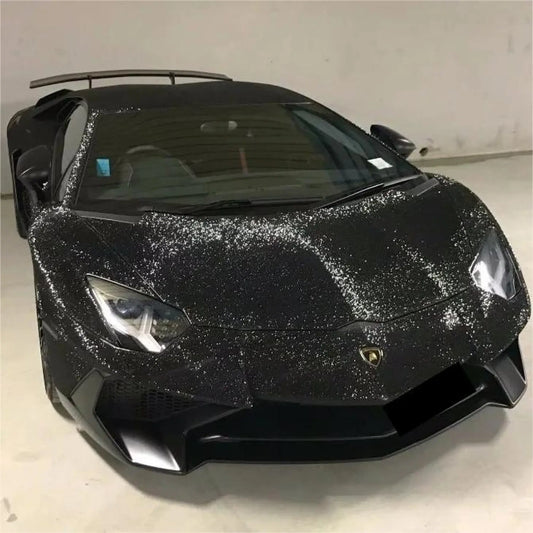
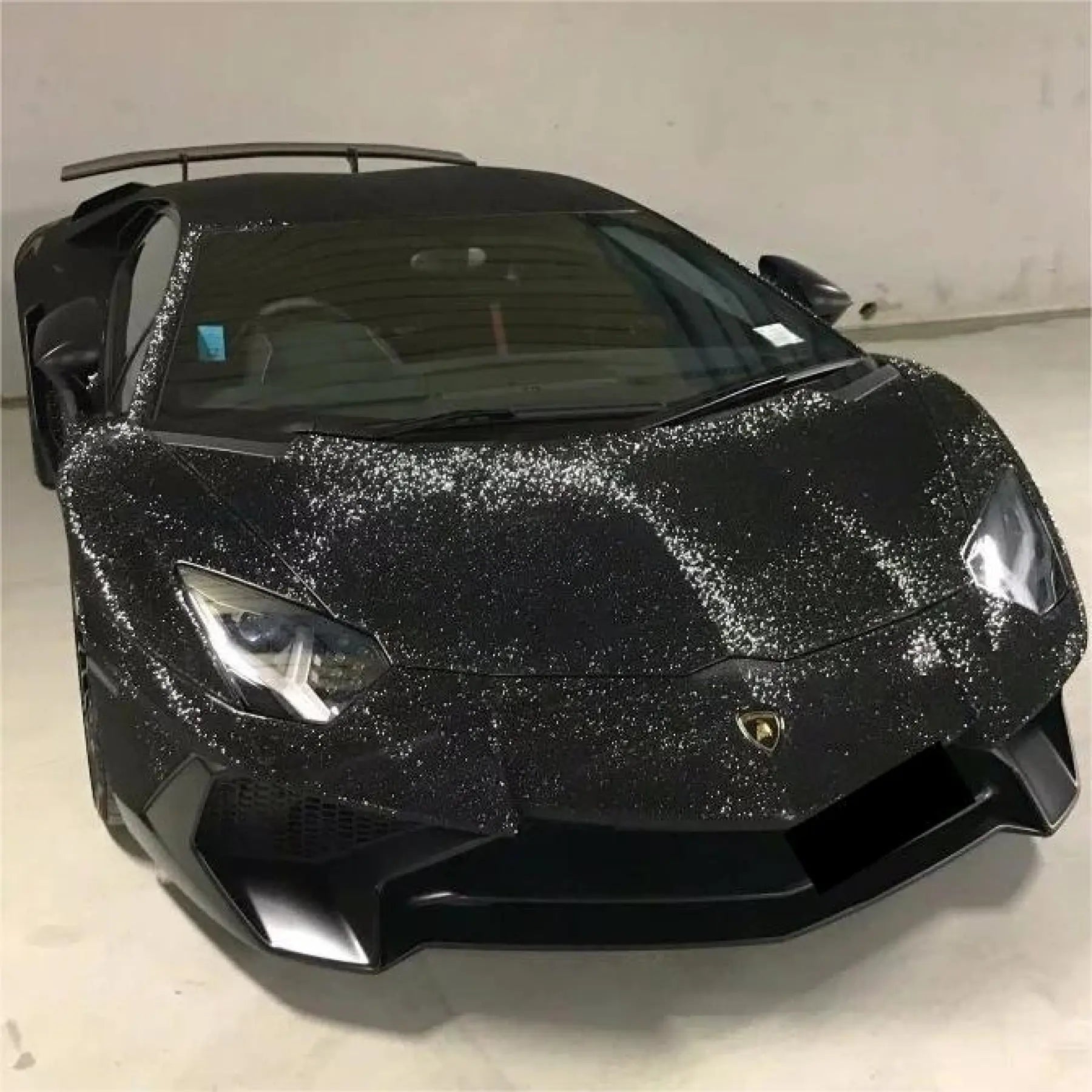
The glitter sparkle car wrap and crystal vinyl wrap collections deliver stunning visual effects, but owners should plan for eventual replacement as part of their maintenance strategy. Many enthusiasts appreciate this planned obsolescence as an opportunity to refresh their vehicle's appearance every few years.
Aesthetic Options and Visual Impact
Where vinyl wrap truly excels involves the sheer breadth of aesthetic possibilities available. If you dream of transforming your silver sedan into a head-turning masterpiece, vinyl opens doors that PPF cannot match. The metallic vinyl wrap collection alone offers dozens of stunning finishes ranging from subtle sophistication to bold statement-making brilliance.
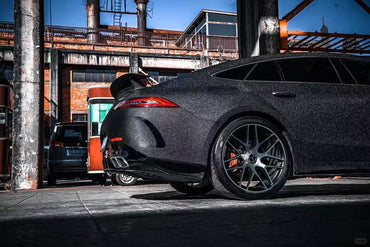
Color-shifting films, chrome effects, textured surfaces like 3D carbon fiber wrap, and elaborate graphic designs all become possible with vinyl technology. The ultra matte wrap series delivers that sophisticated stealth appearance trending among automotive enthusiasts, while best sellers showcase the most popular options that consistently impress customers.
Traditional clear PPF preserves your factory paint exactly as delivered, adding protection without altering appearance. This invisible shield appeals to owners of luxury vehicles and collectible automobiles who want to maintain original specifications while guarding against damage.
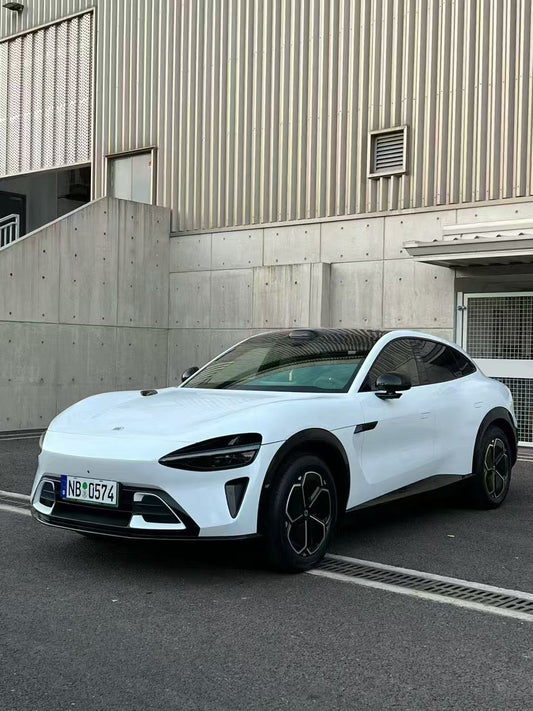
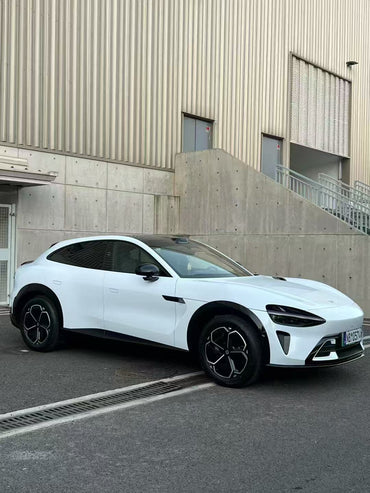
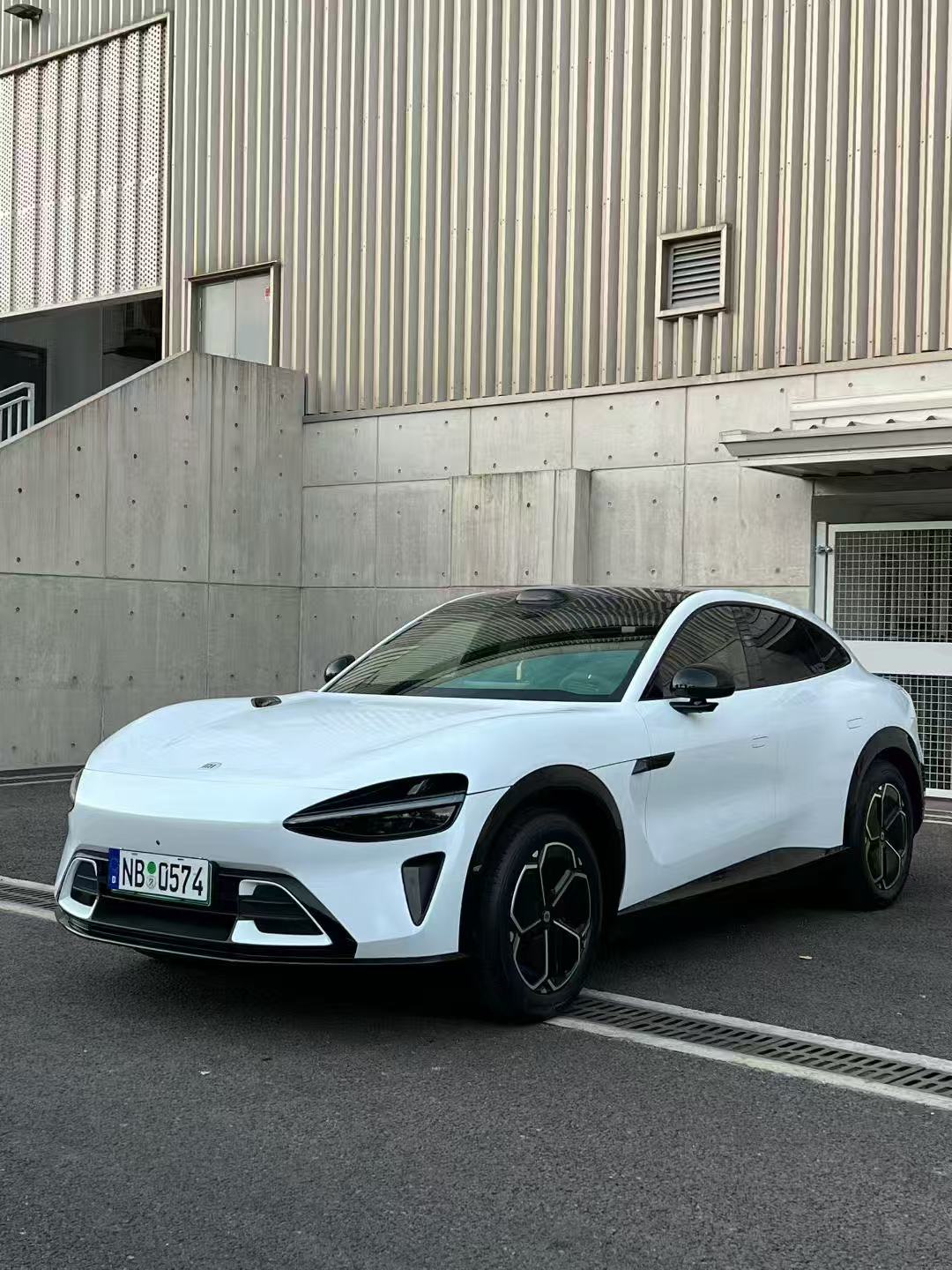
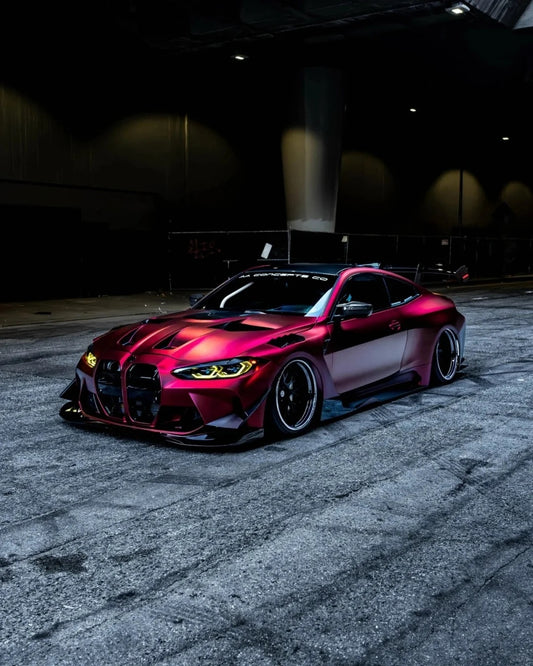
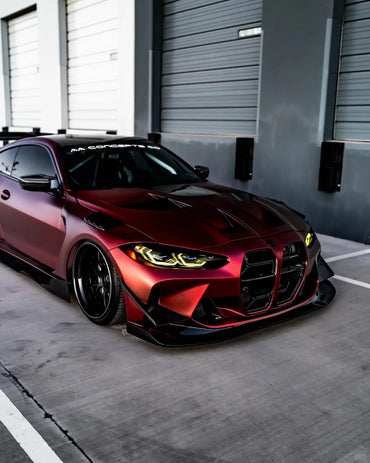
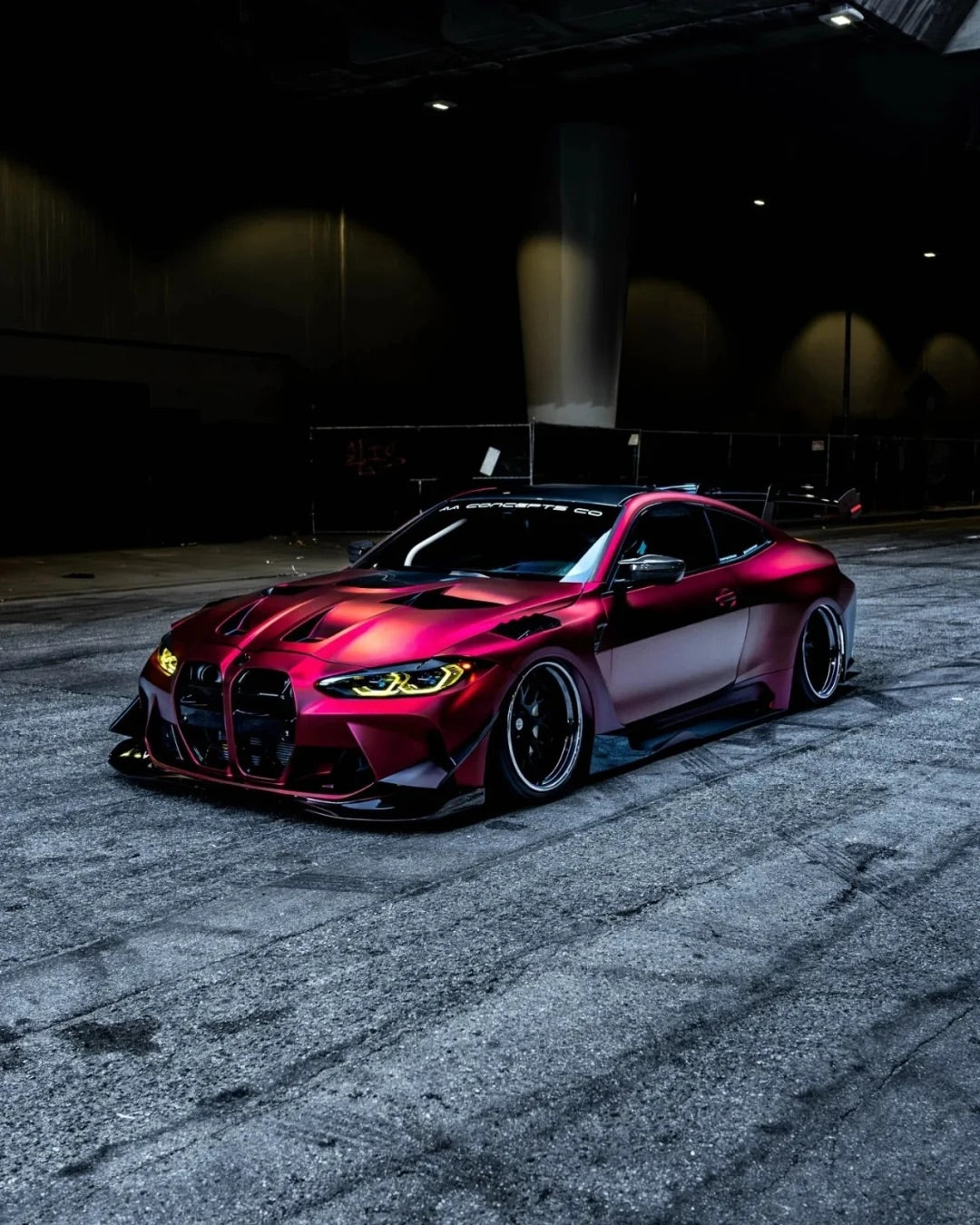
However, the innovation of colored paint protection film has revolutionized available options. The colored PPF collection offers striking options including Crystal Sky Blue, Light Pink, Ferrari Red, Blood Red, Arctic Grey, Crystal Orange, Crystal White, and Piano Black. These products deliver the protective advantages of TPU technology while enabling dramatic color transformation. For enthusiasts who refuse to compromise between protection and aesthetics, colored PPF represents the ultimate solution.
Installation Considerations
Both PPF and vinyl wrap require professional installation for optimal results, though the complexity and time requirements differ. Paint protection film installation demands greater precision because the thicker material proves less forgiving of mistakes. Stretching TPU around complex curves without creating stress points requires extensive training and specialized techniques.
PPF installation typically costs more than vinyl wrapping due to this increased difficulty and the premium pricing of materials. Full vehicle coverage with quality PPF commonly ranges from several thousand dollars depending on vehicle size and film selection. Partial coverage focusing on high-impact areas like bumpers, hoods, fenders, and mirrors offers a more budget-friendly approach that still protects the most vulnerable surfaces.
Vinyl wrap installation moves faster in most cases, though achieving bubble-free results on intricate body panels still requires professional skill. The wrapping tools available from Sailifilm include professional-grade squeegees, heat guns, cutting instruments, and precision accessories that installers rely upon for flawless applications.
Before committing to full vehicle coverage with either product, ordering sample kits allows you to evaluate different colors, finishes, and textures in person. Seeing materials on your actual vehicle under various lighting conditions prevents disappointing surprises after installation.
Maintenance Requirements
Caring for PPF and vinyl wrap involves similar basic principles, though some differences exist. Both materials benefit from regular washing using automotive-specific soaps that avoid harsh chemicals. Automatic car washes with aggressive brushes should be avoided as they can damage either type of film over extended exposure.
PPF generally tolerates more aggressive cleaning without ill effects due to its tougher construction and self-healing capabilities. Mild scratches that would permanently mar vinyl may simply disappear from PPF with subsequent heat exposure. This reduced sensitivity to incidental contact during washing represents a meaningful convenience advantage for many owners.
Vinyl wraps require somewhat more careful handling during cleaning. The thinner material proves more vulnerable to lifting at edges and seams if subjected to high-pressure spray at steep angles. Maintaining awareness of these sensitivities helps maximize vinyl lifespan and appearance quality.
The Car Film Maintenance Guide provides detailed instructions for keeping your investment looking its best regardless of which protection type you choose. Following these recommendations extends service life and maintains visual appeal throughout ownership.
Cost Analysis and Value Proposition
Budget considerations often influence protection decisions significantly. Vinyl wrap delivers more dramatic visual transformation at lower initial cost, making it attractive for style-focused owners working within financial constraints. Full vehicle vinyl coverage typically costs less than equivalent PPF coverage, sometimes by substantial margins.
However, analyzing total cost of ownership over multiple years reveals a more nuanced picture. Vinyl wraps requiring replacement every three to four years may ultimately cost more than a single PPF application lasting seven to ten years. The calculation depends heavily on your intended ownership duration and tolerance for repeated installation processes.
Colored PPF sits between traditional vinyl and clear PPF in pricing while offering the combined benefits of both. For owners planning extended vehicle ownership who also want color transformation, this premium option may prove most economical when calculating cost per year of service.
Resale value considerations favor both options over unprotected paint, though PPF may provide marginally greater benefit. A vehicle with pristine original paint beneath removable protective film appeals strongly to discerning buyers. Documentation of professional PPF installation can support premium pricing at resale time.
Making Your Decision
Selecting between PPF and vinyl wrap ultimately depends on your individual priorities and circumstances. If maximum physical protection represents your primary concern, particularly for high-value vehicles or those driven in challenging environments, TPU paint protection film delivers unmatched performance.
If visual transformation matters most and budget considerations carry significant weight, quality vinyl wrap provides extraordinary aesthetic possibilities at accessible pricing. The ability to completely reinvent your vehicle's appearance without permanent commitment appeals to many automotive enthusiasts.
For those refusing to compromise between protection and style, colored paint protection film merges the advantages of both categories. The colored PPF collection showcases this revolutionary technology that continues gaining popularity among demanding owners.
Consider also the DIY Car Wrap Installation Guide if you possess the patience and mechanical aptitude to attempt installation yourself. While professional installation remains recommended for optimal results, educated DIY efforts can yield satisfying outcomes at reduced cost.
Conclusion
The question of which option offers better protection depends entirely on what protection means to you. For sheer physical defense against impacts and environmental hazards, PPF with its self-healing technology and robust TPU construction remains unmatched. For protection combined with dramatic aesthetic transformation at accessible pricing, vinyl wrap serves millions of satisfied vehicle owners worldwide.
The emergence of colored PPF has disrupted this traditional binary choice, creating a premium category that satisfies demanding owners seeking both maximum protection and stunning visual appeal. As material science continues advancing, future products will likely blur these boundaries even further.
Whatever direction you choose, investing in quality products and professional installation ensures your vehicle receives the protection it deserves while reflecting your personal style. Explore the complete car vinyl wrap and TPU paint protection wrap collections to discover the perfect solution for your automotive protection needs.
External Anchor Links
Throughout the article, these external references provide authority and user education:
- Paint Protection Film Overview (Wikipedia) - General information about PPF technology, history, and applications
- Vehicle Wrap Technology (Wikipedia) - Educational resource about wrapping techniques
- Thermoplastic Polyurethane Materials (Wikipedia) - Technical information about TPU materials
Self-Healing PPF Technology: How It Works
Matte vs Gloss Finish: Choosing Your Car Wrap Style
Chrome and Metallic Finishes: Making a Bold Statement

