


What Makes Self-Healing PPF Revolutionary
Paint protection film has transformed from basic clear coating to sophisticated thermoplastic urethane material featuring remarkable self-healing capabilities. The technology behind colored paint protection film and clear PPF variants utilizes elastomeric polymers that respond to heat activation, allowing minor surface damage to disappear without professional intervention.
The science behind this innovation centers on molecular memory within the TPU paint protection wrap structure. When scratches or swirl marks appear on the film surface, exposure to warmth from sunlight or vehicle engine heat triggers the polymer chains to realign, effectively erasing superficial damage. This automatic repair mechanism distinguishes modern PPF from traditional vinyl wrap alternatives that lack regenerative properties.
Vehicle owners investing in premium TPU protection wraps benefit from multiple thickness options, including 7.5mil and 8.5mil variants in both gloss and matte finishes. These specifications directly impact the film's protective capacity and self-healing response time, with thicker applications offering enhanced resistance against road debris and environmental contaminants.
How Self-Healing Technology Actually Works
The self-healing process begins at the molecular level within the thermoplastic urethane composition. Modern paint protection film incorporates specialized top coats engineered with memory properties that maintain structural integrity while remaining flexible enough to absorb impact energy. When minor scratches penetrate only the top layer, heat exposure between 120-140 degrees Fahrenheit activates the healing response.
During warm weather conditions or after brief sun exposure, the damaged area undergoes visible transformation. The elastomeric polymers soften and flow back into their original configuration, smoothing out scratches that would permanently mar conventional automotive finishes. This remarkable capability extends the protective lifespan of colored PPF application while maintaining optical clarity and surface smoothness.
Understanding the limitations proves equally important for realistic expectations. Deep scratches penetrating through the entire film thickness, gouges from sharp objects, or punctures from road debris may exceed the self-healing capacity. However, the vast majority of daily wear including light scratches, swirl marks from washing, and minor abrasions fall within the technology's regenerative capabilities.
Comparing PPF Technology With Traditional Vinyl Wrap
The fundamental differences between paint protection film and vinyl wrap extend beyond surface-level aesthetics into material composition and functional performance. PPF consists of thermoplastic urethane, while vinyl wrap utilizes polyvinyl chloride, creating distinct protective characteristics that influence long-term vehicle maintenance strategies.
Thickness measurements reveal significant disparities affecting protection levels. Quality paint protection film ranges from 6mil to 10mil thickness, with premium options like ultra matte wrap configurations offering substantial barrier protection against rock chips and impact damage. Conversely, vinyl wrap typically measures 3-4mil thick, providing aesthetic transformation with moderate surface protection but lacking self-healing properties.
Durability expectations differ substantially between these protective solutions. TPU paint protection wrap installations commonly last 5-10 years with manufacturer warranties, while vinyl wrap applications typically require replacement after 3-5 years. The investment in metallic vinyl wrap serves primarily aesthetic purposes, whereas PPF prioritizes long-term paint preservation with the added benefit of customization options through colored variants.
Hydrophobic characteristics represent another distinguishing factor. Modern paint protection film features water-repellent top coats that simplify maintenance by causing water, dirt, and contaminants to bead and slide off treated surfaces. This self-cleaning behavior reduces washing frequency while protecting against water spots and environmental staining that compromise vehicle appearance over time.
Benefits Beyond Self-Healing Properties
Investment in quality paint protection film delivers comprehensive advantages extending well beyond scratch resistance. UV protection stands paramount among these benefits, as thermoplastic urethane composition blocks harmful ultraviolet radiation that causes paint oxidation and color fading. Vehicles protected with clear PPF gloss or matte finishes maintain their original factory color vibrancy for years longer than unprotected alternatives.
Chemical resistance provides crucial defense against common automotive hazards including bird droppings, tree sap, road salt, and industrial fallout. These corrosive substances can permanently etch unprotected paint surfaces, creating costly refinishing requirements. Paint protection film creates an impermeable barrier that prevents chemical penetration, allowing simple removal without underlying paint damage.
Resale value preservation represents a compelling financial consideration for vehicle owners. Cars and trucks maintaining original factory paint in pristine condition command significantly higher resale prices compared to vehicles showing visible wear, paint touch-ups, or clear coat deterioration. The relatively modest investment in carbon fiber wrap accents or full PPF coverage often returns multifold through enhanced market value.
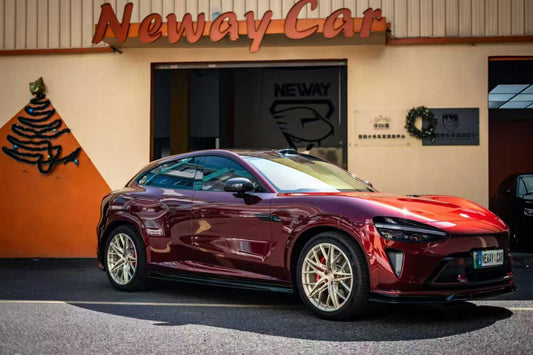
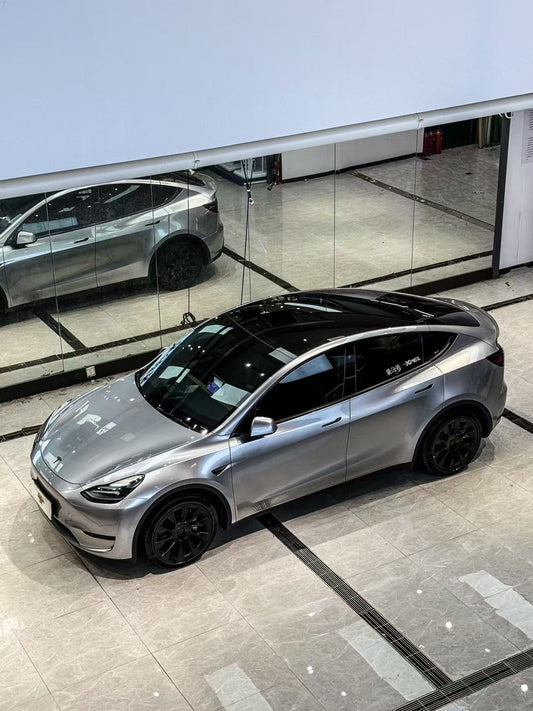
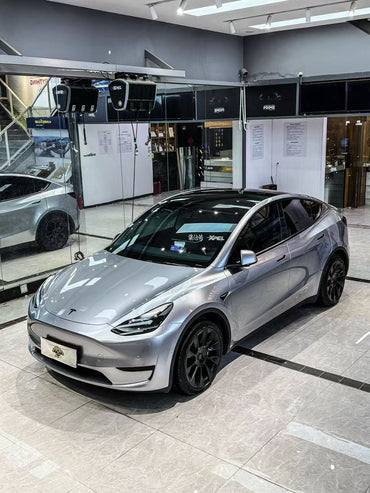
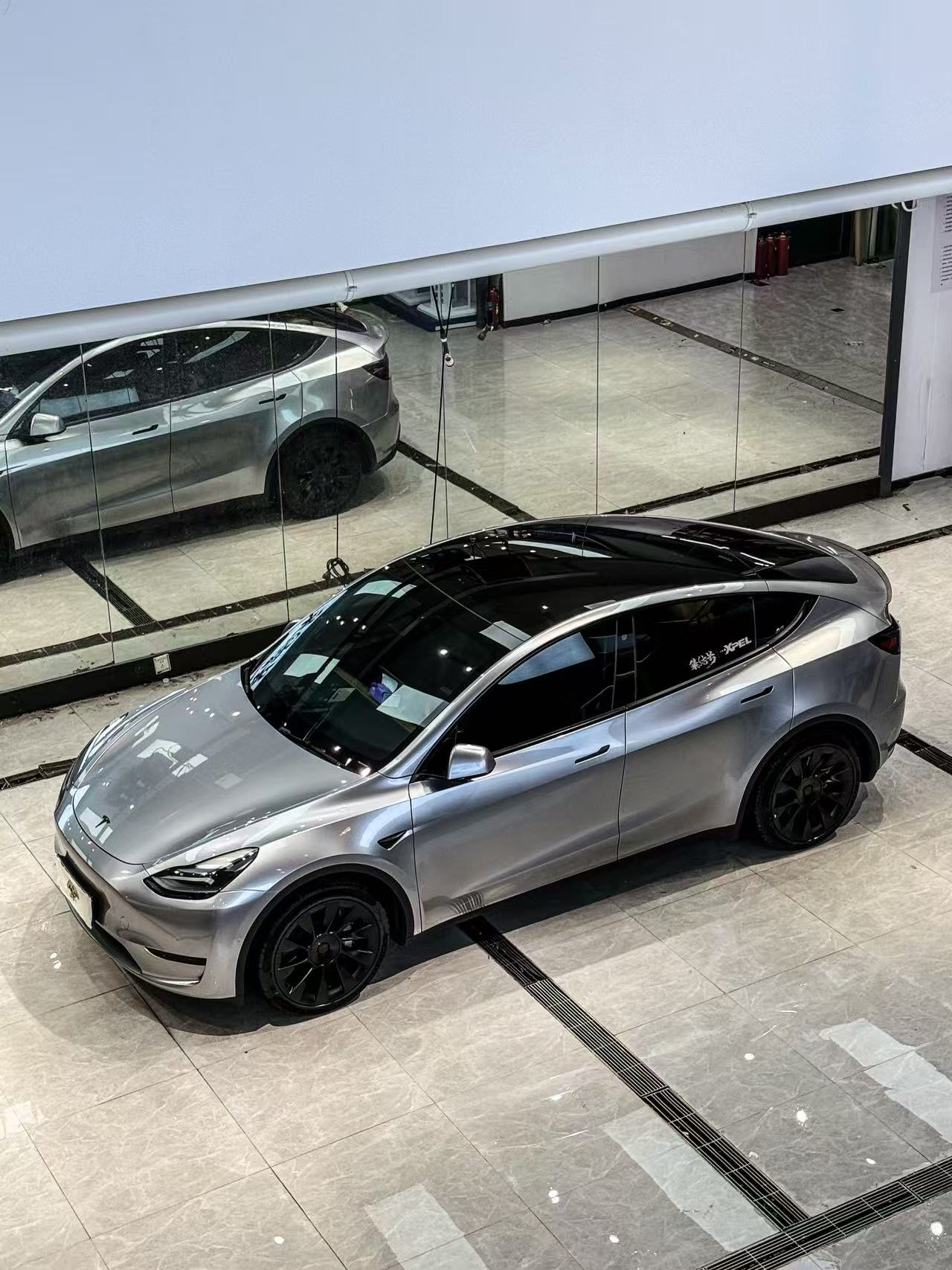
Modern colored paint protection film options now rival vinyl wrap aesthetics while delivering superior protection. Gloss crystal sky blue, Ferrari red, arctic grey, and piano black variants allow complete color transformation while maintaining all protective benefits inherent to thermoplastic urethane technology. This dual functionality eliminates the compromise between appearance customization and paint preservation.
Installation Considerations and Professional Application
Proper paint protection film installation requires meticulous surface preparation and specialized application techniques that distinguish professional results from amateur attempts. The process begins with comprehensive paint correction addressing any existing imperfections, swirl marks, or oxidation that would become permanently visible beneath the clear film. This preparation phase proves critical for achieving the optical clarity that makes quality PPF virtually invisible.
Computer-aided precision cutting has revolutionized the installation process, allowing exact pattern generation for specific vehicle makes and models. This technology minimizes material waste while ensuring seamless coverage across complex body contours, panel gaps, and trim pieces. Professional installers utilize specialized wrapping tools including squeegees, heat guns, and solution applicators that facilitate proper adhesion without bubbles or lifting edges.
Temperature and humidity control during application significantly impacts final results and long-term performance. Ideal installation environments maintain temperatures between 65-80 degrees Fahrenheit with controlled humidity levels that prevent premature adhesive activation or film distortion. Professional shops invest in climate-controlled facilities specifically designed for paint protection film applications, ensuring consistent quality regardless of external weather conditions.
Post-installation curing periods allow adhesives to fully bond with painted surfaces, typically requiring 24-48 hours before vehicle exposure to water or harsh conditions. During this critical phase, the self-healing properties may not function optimally as the film continues settling into its final configuration. Following manufacturer-specified curing recommendations prevents premature failure and ensures maximum protective performance.
Maintenance Requirements for Longevity
Maintaining paint protection film properly extends its protective lifespan while preserving self-healing capabilities and optical clarity. Regular washing using pH-neutral automotive shampoos removes dirt and contaminants before they can bond to the hydrophobic surface. Avoid automatic car washes with harsh brushes that may scratch the film, instead opting for touchless systems or hand washing with microfiber materials.
The self-healing properties require periodic heat activation to maintain optimal performance. Parking vehicles in direct sunlight occasionally or using a heat gun on low settings helps refresh the molecular structure, ensuring minor scratches continue disappearing effectively. This simple maintenance step prevents gradual accumulation of superficial damage that might otherwise diminish the film's appearance over time.
Avoid applying wax products containing petroleum distillates or harsh solvents that can degrade thermoplastic urethane composition. Instead, utilize products specifically formulated for paint protection film maintenance, or apply ceramic coatings designed to enhance hydrophobic properties without chemical interaction. Quality liquid chrome wrap finishes and colored PPF variants benefit from specialized maintenance products that preserve their unique visual characteristics.
Periodic inspection identifies potential issues before they compromise the film's protective integrity. Check edges and seams for lifting, examine high-impact areas for deep scratches exceeding self-healing capacity, and monitor for any yellowing or clarity loss indicating UV degradation. Early detection allows targeted repairs or section replacement, maintaining comprehensive protection without complete reinstallation costs.
Cost Considerations and Investment Value
Paint protection film pricing varies significantly based on coverage extent, film quality, and vehicle complexity. Partial front-end packages protecting high-impact areas including hoods, fenders, mirrors, and bumpers typically range from $1,500-3,000, while full-vehicle wraps using premium ultra matte wrap material can exceed $5,000-8,000 depending on vehicle size and customization requirements.
Understanding this investment through a long-term perspective reveals compelling value propositions. A single quality paint repair for minor rock chip damage often costs $300-800 depending on panel location and paint matching complexity. Over a typical vehicle ownership period, multiple such repairs would exceed comprehensive paint protection film costs, while the vehicle retains pristine original paint commanding higher resale values.
Colored paint protection film options bridge the gap between aesthetic customization and protective functionality. Rather than choosing between expensive custom paint jobs requiring paint protection afterward, colored PPF provides both transformation and preservation in a single application. This approach proves particularly valuable for popular vehicle models where maintaining original paint improves long-term marketability.
Warranty coverage adds substantial value to premium paint protection film investments. Reputable manufacturers back their products with 5-10 year warranties covering yellowing, cracking, peeling, and delamination under normal use conditions. These guarantees provide peace of mind while ensuring long-term protective performance without additional financial exposure for premature failure or defect-related replacements.
Customization Options and Aesthetic Possibilities
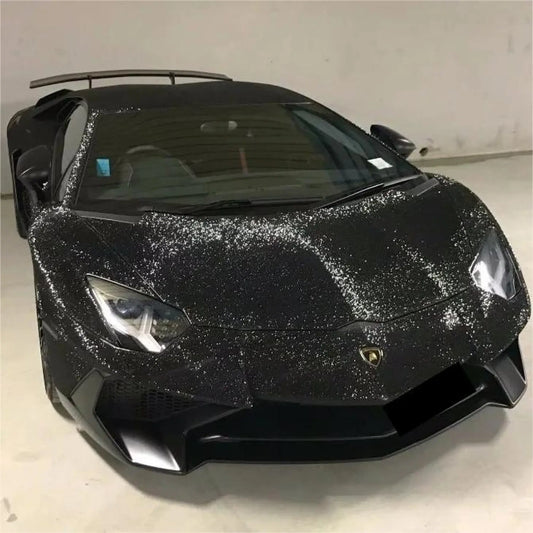
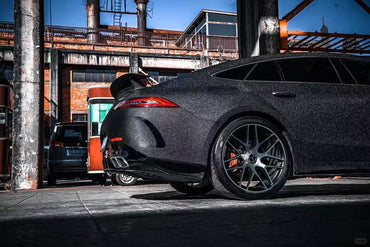
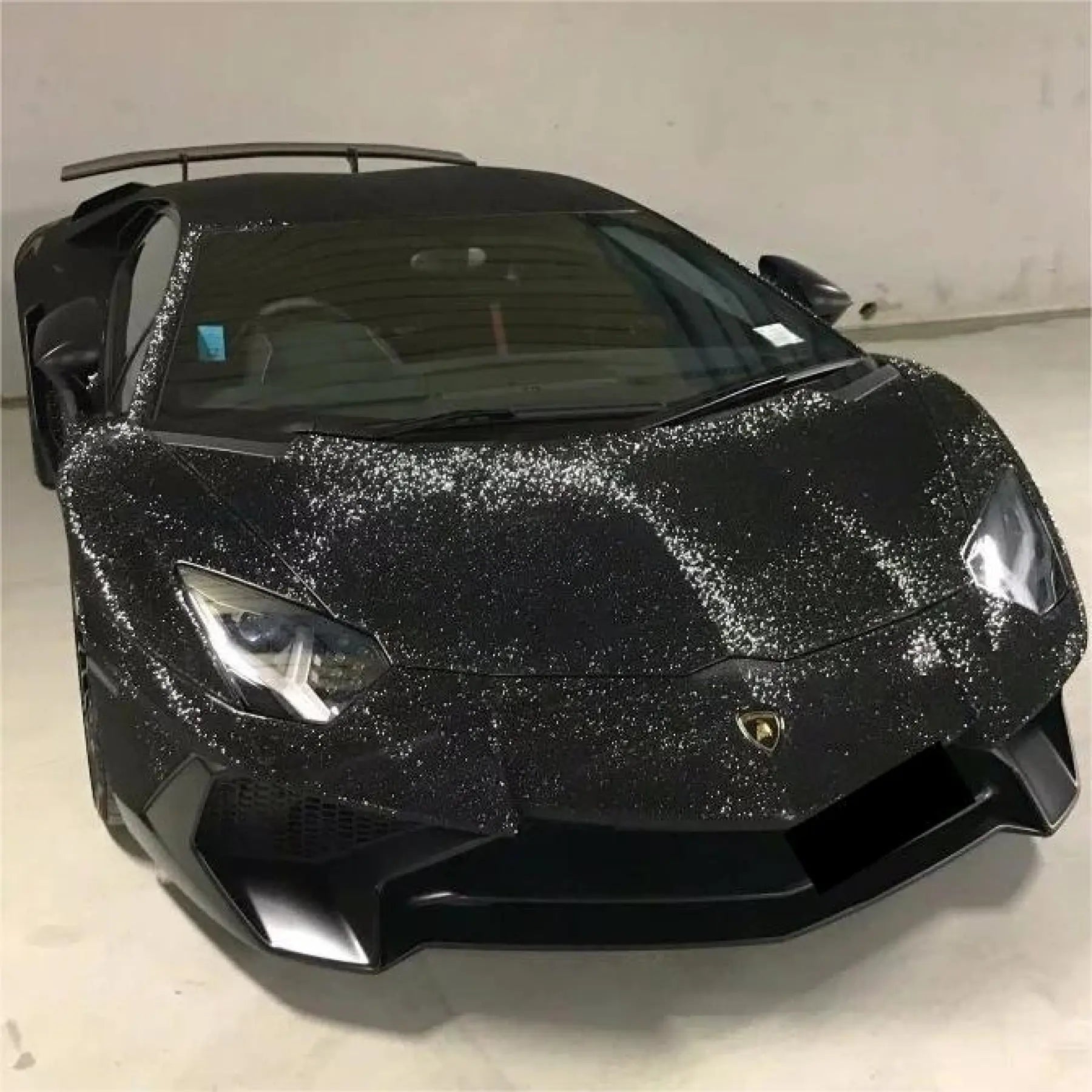
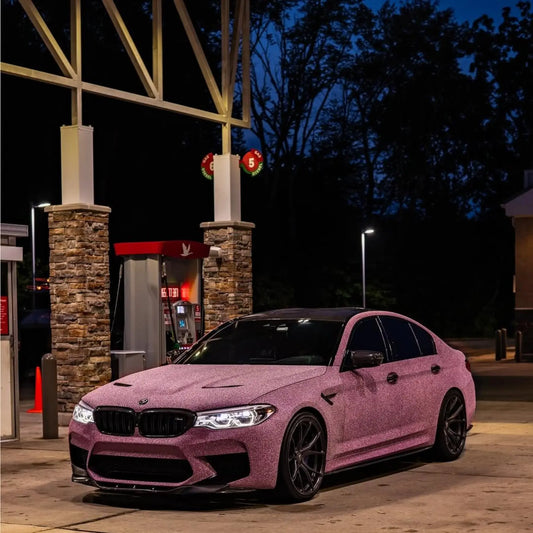
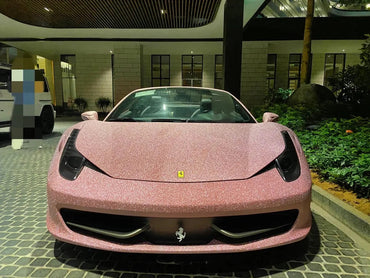
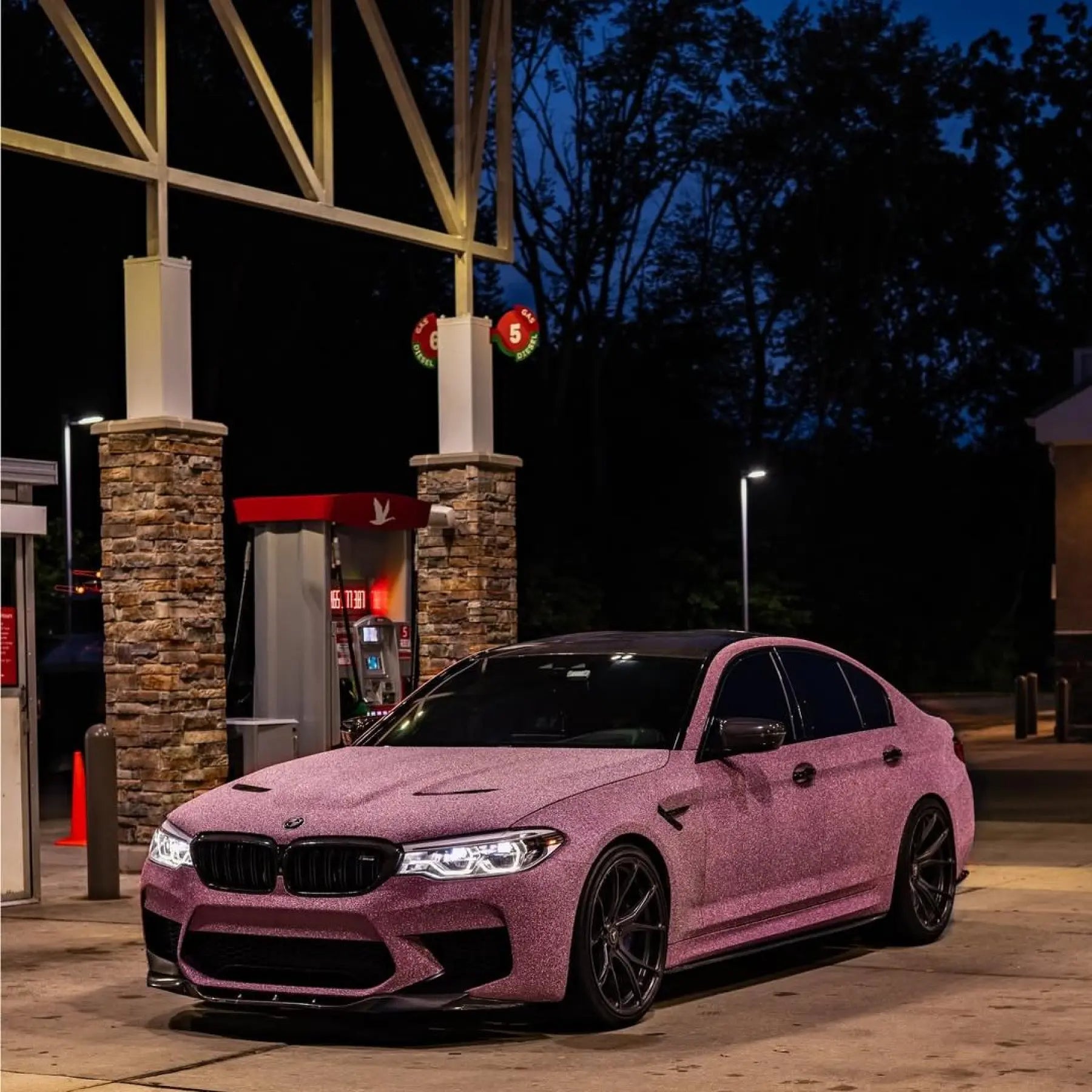
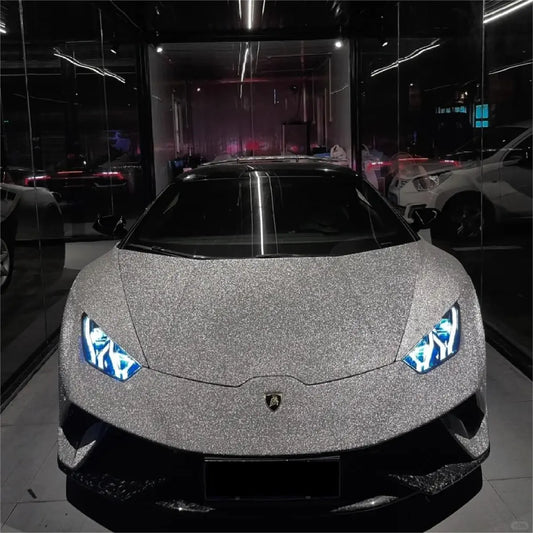
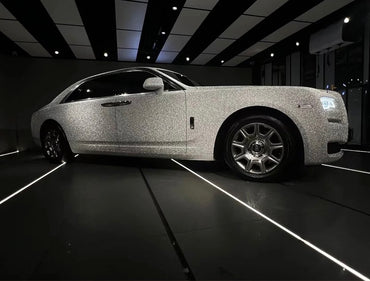
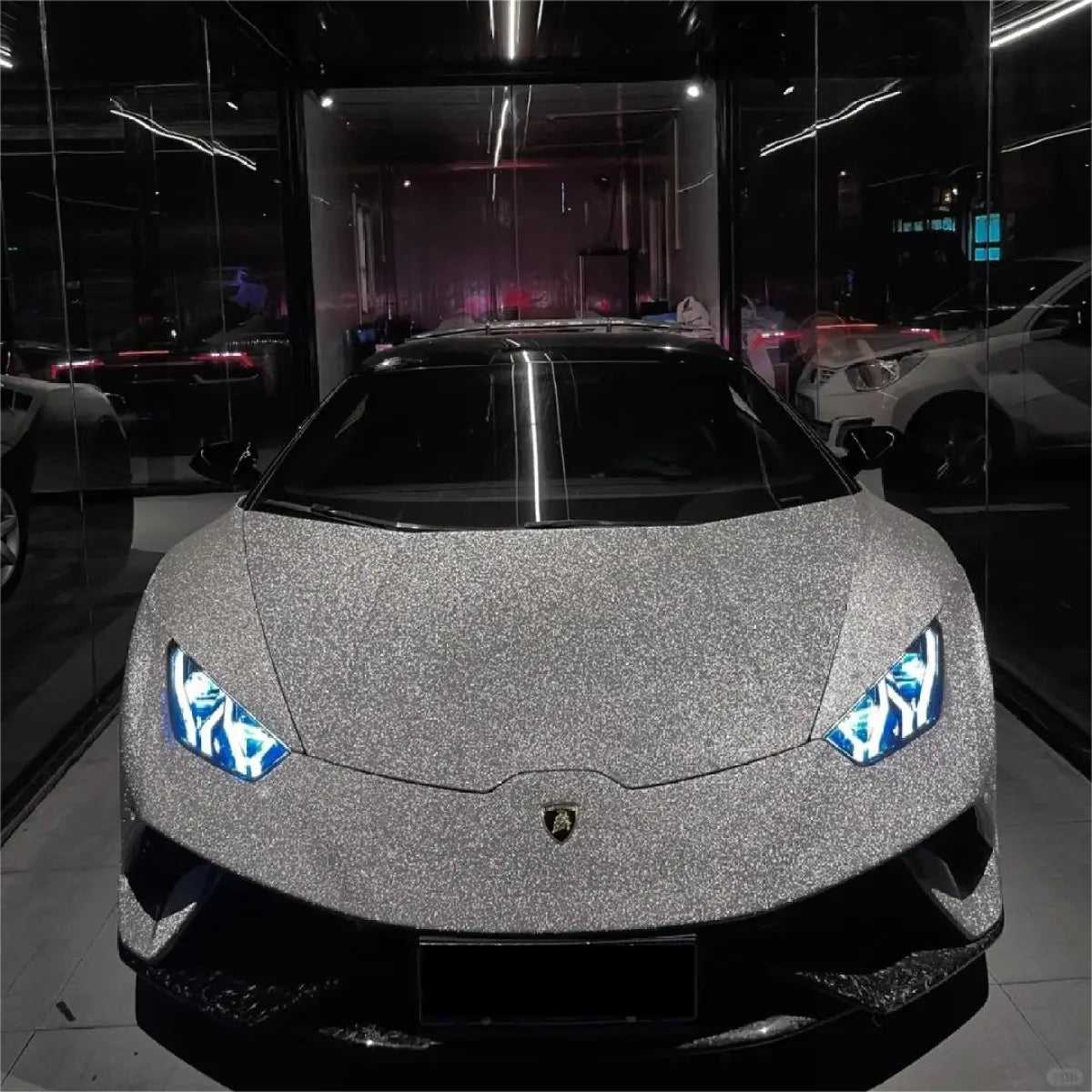
Modern paint protection film transcends basic clear coating to offer extensive customization rivaling traditional vinyl wrap aesthetics. Glitter sparkle finishes, crystal effects, and metallic variants provide eye-catching appearances while delivering full thermoplastic urethane protection. This evolution eliminates the historical compromise between visual impact and paint preservation.
Accent applications strategically highlight vehicle design elements without complete coverage requirements. Hood protection, rocker panel guards, door edge shields, and mirror caps allow targeted investment in high-wear areas while adding visual interest through contrasting colors or finishes. Dual-color combinations create distinctive appearances that turn heads while maintaining practical protection where vehicles need it most.
Pattern and texture options expand creative possibilities beyond solid color applications. Carbon fiber textures add aggressive sporting aesthetics, while rainbow laser effects create dynamic color-shifting appearances responding to viewing angles and lighting conditions. These specialized finishes maintain all protective benefits while delivering showroom-worthy visual impact.
Color-matching capabilities allow seamless integration with factory paint or complete transformation depending on owner preferences. Professional color consultations using sample kits help visualize final results before committing to full installation. This planning process ensures satisfaction with aesthetic outcomes while optimizing protective coverage for individual vehicle usage patterns and exposure risks.
Technology Advances Shaping Future Development
The paint protection film industry continues evolving with innovations addressing current limitations while expanding capabilities. Enhanced self-healing formulations responding to lower temperature thresholds will improve performance in cooler climates where heat activation occurs less frequently. These developments promise year-round protective benefits regardless of geographic location or seasonal temperature variations.
Nanotechnology integration represents the cutting edge of protective film development. Incorporating nanoscale particles enhances hydrophobic properties, improves UV resistance, and strengthens impact absorption without increasing film thickness. These microscopic enhancements deliver measurable performance improvements while maintaining the optical clarity and flexibility that make quality PPF virtually invisible on vehicle surfaces.
Environmental sustainability drives research into bio-based thermoplastic formulations and recyclable film compositions. As automotive industries broadly embrace green manufacturing principles, paint protection film manufacturers develop eco-friendly alternatives that maintain protective performance while reducing environmental impact. These sustainable options appeal to environmentally conscious consumers seeking responsible vehicle care solutions.
Smart film technology incorporating temperature-responsive color changes or embedded sensors represents emerging possibilities. While currently experimental, future paint protection film might integrate with vehicle systems providing real-time damage detection, maintenance reminders, or even self-reporting accident impacts. Such innovations would transform protective films from passive barriers into active vehicle care systems.
Making Informed Protection Decisions
Selecting appropriate paint protection film requires evaluating multiple factors including vehicle usage patterns, environmental exposure, aesthetic preferences, and budget constraints. Daily drivers facing highway commutes benefit from comprehensive front-end protection prioritizing high-impact areas, while show vehicles might emphasize full-body coverage maintaining concours-level appearance.
Climate considerations influence film selection and expected performance. Vehicles in harsh winter environments with road salt exposure require robust chemical resistance, while sun-belt locations demand maximum UV protection preventing heat-related degradation. Understanding these environmental factors ensures optimal film specification for specific operating conditions.
Professional consultation provides valuable insights matching film characteristics with individual needs. Experienced installers assess vehicle condition, discuss usage patterns, and recommend coverage strategies optimizing protection within budget parameters. This collaborative approach ensures realistic expectations while maximizing return on investment through appropriate product selection.
Quality verification remains essential when selecting paint protection film products and installation services. Reputable manufacturers provide clear warranty terms, performance specifications, and installation guidelines supporting long-term satisfaction. Researching installer credentials, examining previous work examples, and verifying warranty transferability ensures informed decisions protecting both vehicle and financial investment.
The evolution of self-healing paint protection film technology has revolutionized vehicle care, offering unprecedented defense against daily wear while maintaining aesthetic appeal. Understanding these advanced protective systems empowers vehicle owners to make informed decisions preserving their automotive investments for years to come.

