



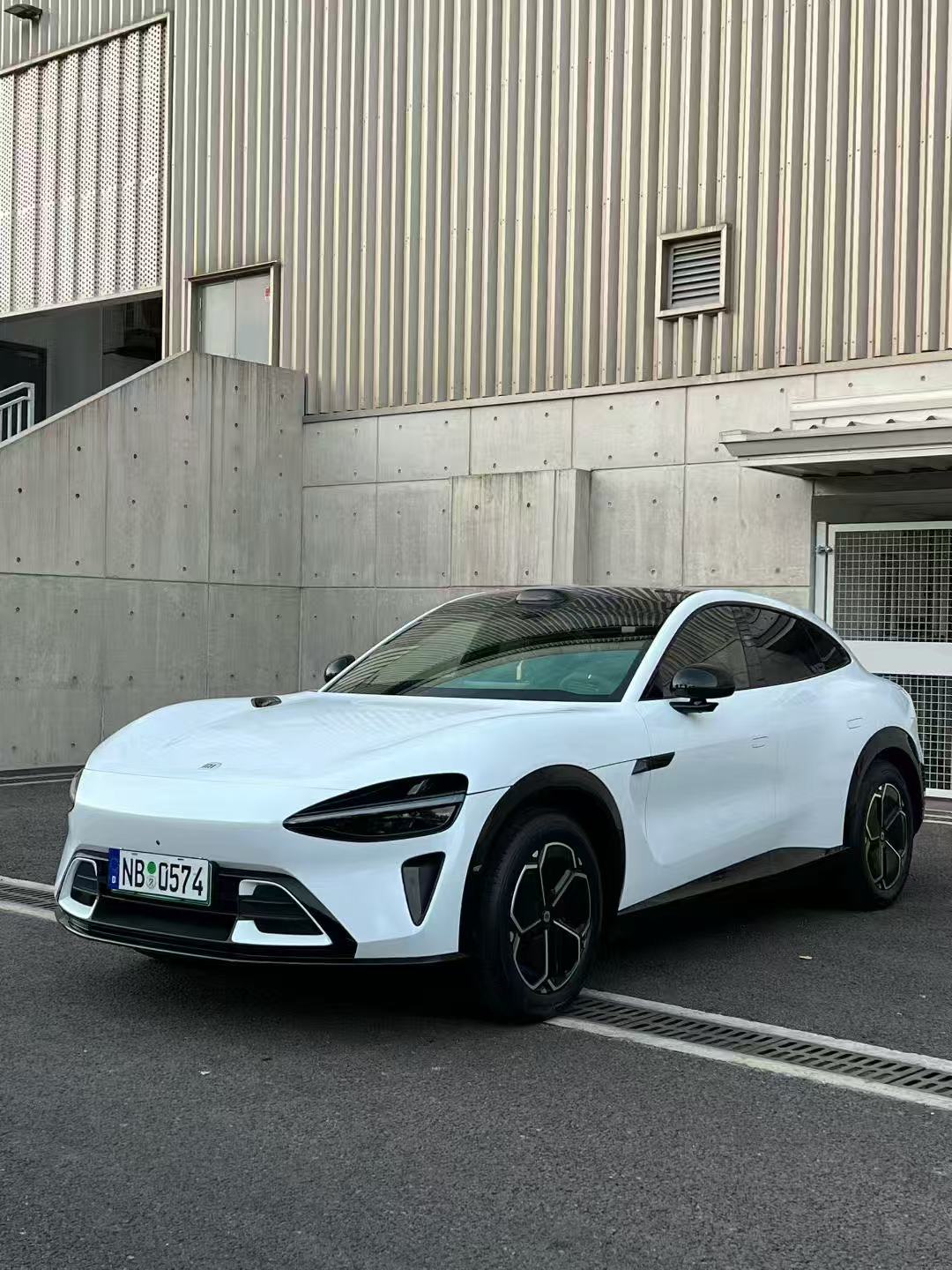


What Is PVC Vinyl Wrap, Really?
PVC stands for polyvinyl chloride — a thermoplastic that has powered the styling side of automotive customization for decades. On its own, PVC is rigid, so manufacturers blend in plasticizers to give the film the stretch needed to wrap around bumpers, mirror caps, and door handles. The result is a thin, conformable layer (typically 3 to 4 mils thick) that excels at one job: changing how your vehicle looks. Color depth, texture, and visual effects are where vinyl truly competes.
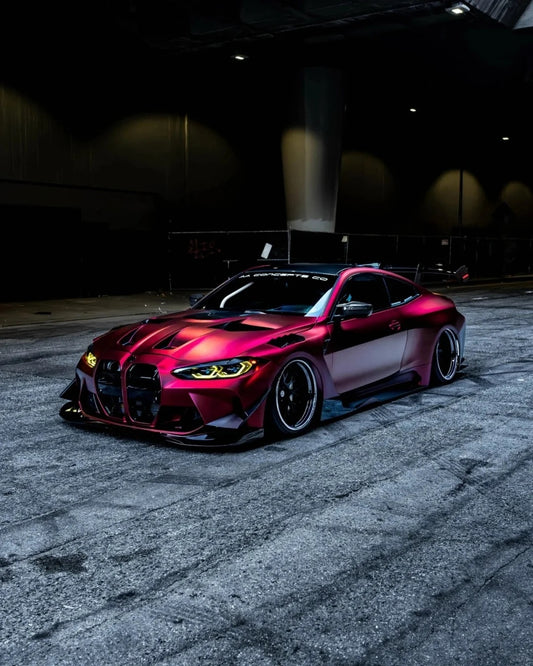
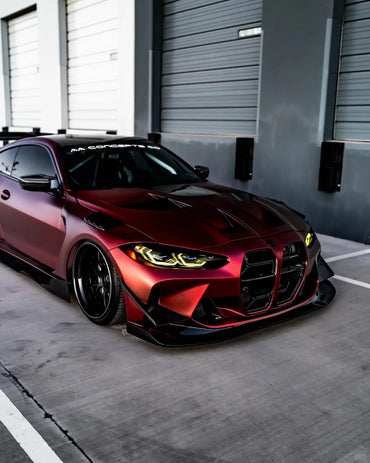
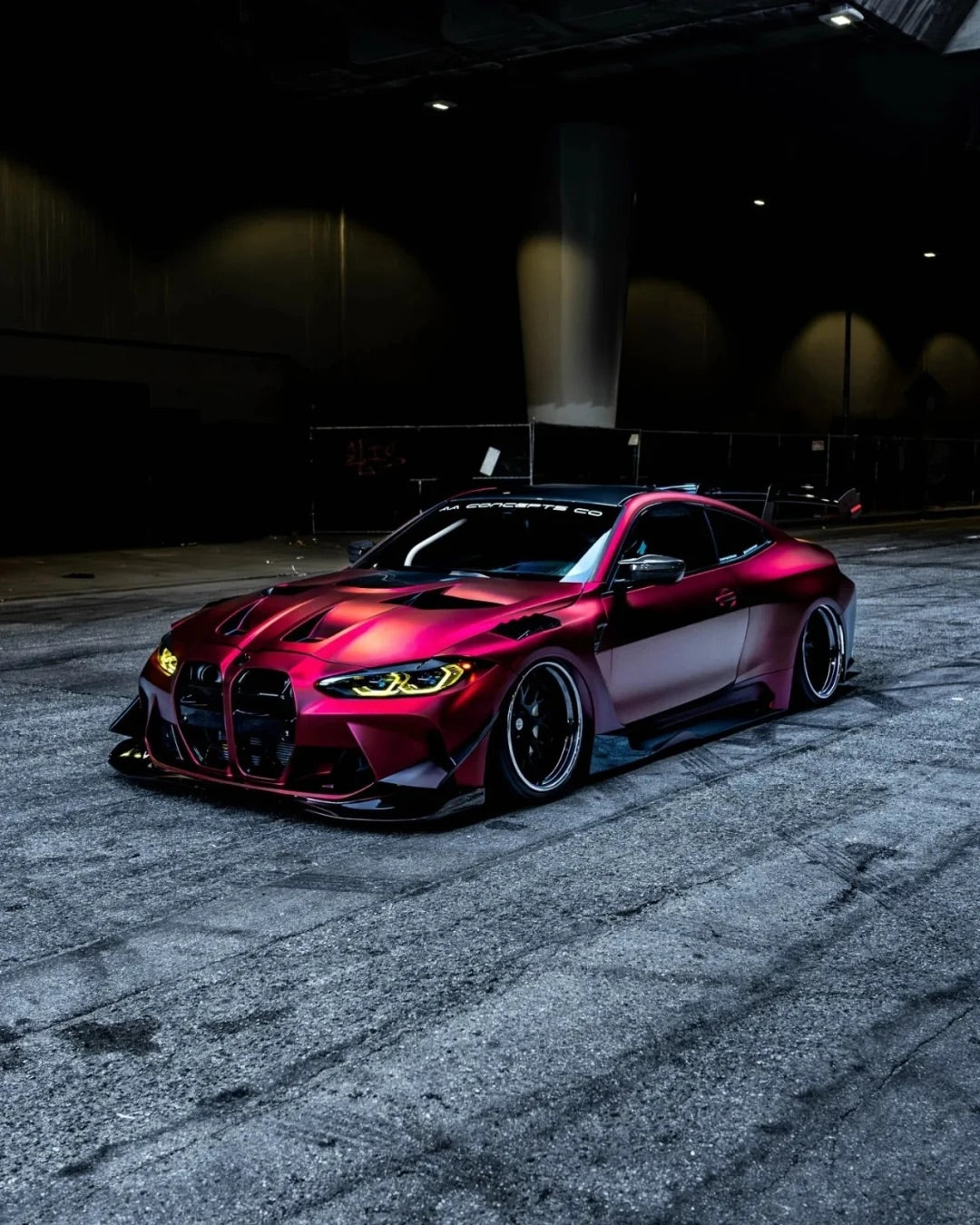
Across our car vinyl wrap collection, you'll find PVC-based films engineered specifically for dramatic restyles. Want a deep, mirror-finish look? Our metallic vinyl wrap series delivers it. Hunting for a color-shift effect that flips between hues as the angle changes? The dual color dream vinyl wrap series does exactly that. For a stealthier, factory-OEM appearance, the ultra matte wrap series gives a smooth satin finish that resists glare.
PVC's strengths are clear: incredible variety, easier price points, and finishes you simply can't replicate with paint. Its limits matter too. Plasticizers slowly evaporate under UV exposure, which is why older vinyl can grow brittle, crack at edges, or shrink. PVC also lacks self-healing — meaning a fingernail scratch or wash-induced swirl mark stays visible until the film is replaced.
What Is TPU Paint Protection Film?
TPU is short for thermoplastic polyurethane — an elastomer whose flexibility comes from its molecular structure, not from added plasticizers. That single chemistry difference changes the entire performance profile. TPU is thicker (commonly 7.5 to 8.5 mils), inherently elastic, and engineered with a self-healing topcoat that lets shallow swirl marks and fingernail scratches relax back into place when warmed by sunlight or a heat gun.
TPU was originally developed for military helicopter rotor protection before migrating to automotive applications, which gives you a sense of what it's built to absorb. The Wikipedia entry on Paint Protection Film walks through that history in detail and is worth a read if you want the broader industry context.
Within Sailifilm's lineup, TPU shows up in two distinct collections. The TPU paint protection wrap line covers our clear protection films — the invisible shield approach where you preserve your factory paint underneath. The colored paint protection film line is more recent and arguably more interesting: it fuses pigment into the TPU itself, so you get color transformation and rock-chip protection in a single layer. Available shades include Crystal Sky Blue, Ferrari Red, Blood Red, Light Pink, Crystal Orange, Arctic Grey, Crystal White, and Piano Black.
TPU vs PVC: Head-to-Head Comparison
Here's how the two materials stack up on the metrics that actually matter when you're deciding between them:
|
Performance Factor |
PVC Vinyl Wrap |
TPU Paint Protection Film |
|
Material base |
Rigid plastic + plasticizers |
Elastomeric polyurethane |
|
Typical thickness |
3–4 mils |
7.5–8.5 mils |
|
Self-healing |
No |
Yes (heat-activated) |
|
Rock-chip resistance |
Cosmetic only |
Genuine impact absorption |
|
Lifespan |
3–7 years (depending on grade) |
7–10 years |
|
UV yellowing |
Possible over time |
Resists yellowing |
|
Color & finish variety |
Extensive (every effect imaginable) |
Growing — clear plus core color range |
|
Price point |
More accessible |
Premium investment |
|
Best for |
Dramatic restyling |
Long-term protection + style |
When PVC Vinyl Wrap Is the Smart Pick
Vinyl wrap is the right answer when styling is your top priority and you want maximum creative range. A few scenarios where PVC wins decisively:
-
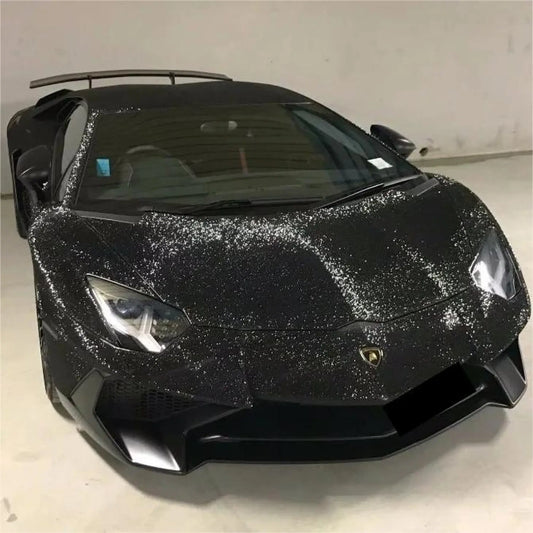
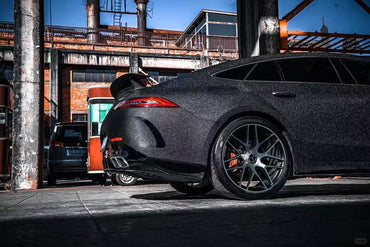
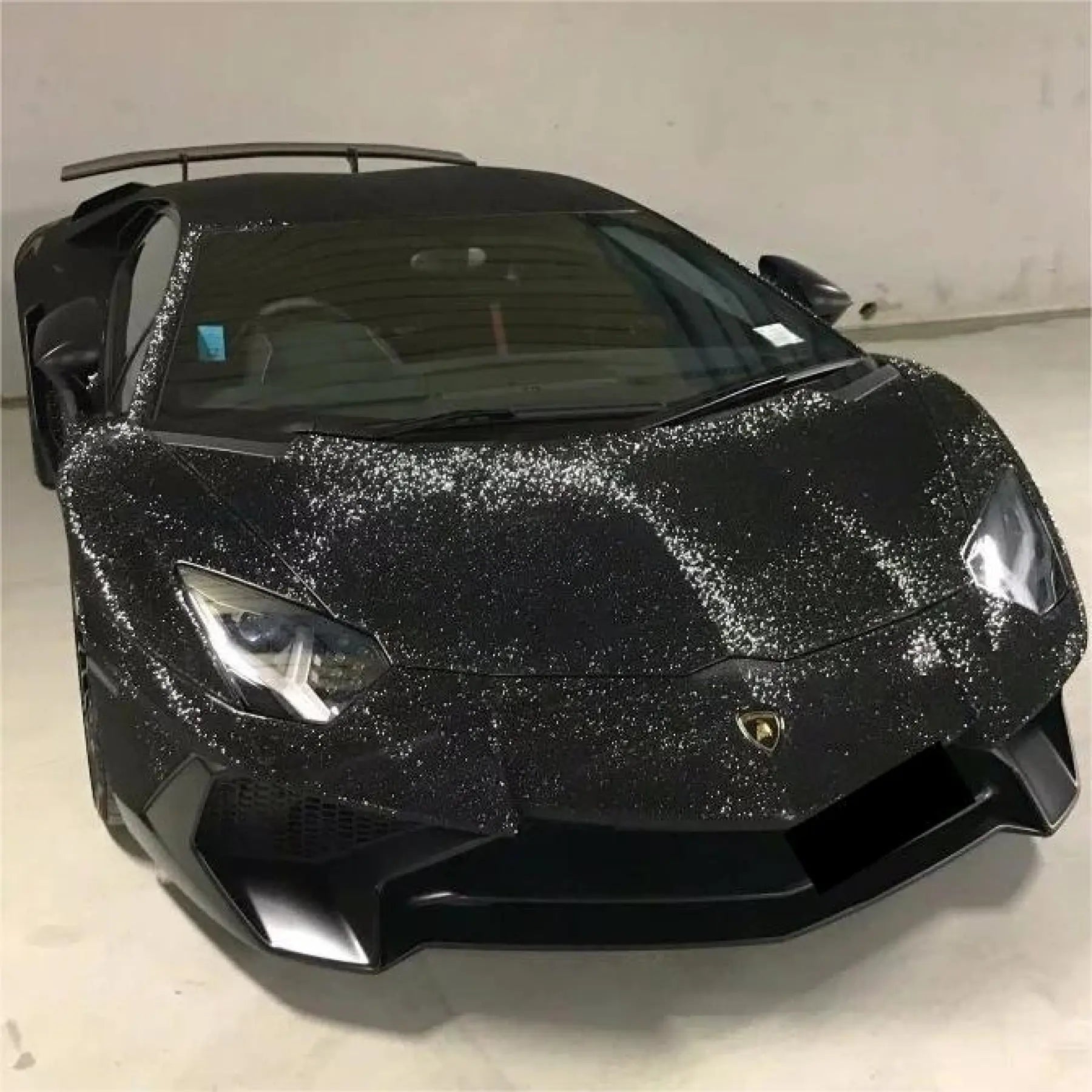
You crave a bold visual effect. Holographic, prismatic, and sparkle finishes simply don't exist in TPU yet. Our rainbow laser vinyl wrap, crystal vinyl wrap, and glitter sparkle car wrap collections are entirely PVC-based.
-
You want a chrome or liquid metal look. Our liquid chrome wrap series produces those reflective, mercury-like surfaces that turn heads at every traffic light.
-
You're chasing a textured finish. The 3D carbon fiber wrap series uses embossed PVC to deliver weave patterns you can actually feel.
-
You like changing your car's look every few years. PVC's shorter lifespan becomes an advantage if rotation is part of the plan.
-
You're working within a tighter budget. PVC films generally cost meaningfully less per square foot than TPU equivalents.
When TPU Paint Protection Film Is Worth It
TPU is the right call when protection drives the decision and you plan to keep the vehicle for the long haul:
-
You drive on debris-heavy roads. Highway commutes, gravel roads, and construction-zone exposure all favor the impact absorption only thicker TPU delivers.
-
Resale value matters. Original paint that stays factory-fresh under TPU film commands a premium when you sell or trade in.
-
You own a luxury, sport, or EV vehicle. The cost of repainting modern automotive surfaces — especially on high-end finishes — quickly justifies upfront protection film investment.
-
You want color plus protection in one shot. This is exactly what our colored paint protection film line was built for. You get real PPF performance without the visual compromise of clear film over factory paint.
-
You hate seeing wash-induced swirl marks. Self-healing topcoats erase that micro-marring under direct sunlight or warm water.
Choosing by Vehicle and Lifestyle
Daily driver in a city, want a fresh look. Vinyl wrap from our ultra matte or metallic series gives you the visual change without straining the budget. Edge sealing during installation extends life noticeably.
Weekend sports car or track-day vehicle. Clear TPU on the front-end stress zones (hood, fenders, mirrors, bumper) protects against stone strikes, while a vinyl wrap can handle the rest if cost is a factor.
EV with a unique factory color you love. Clear TPU paint protection wrap preserves the original finish underneath. No color change, just invisible armor.
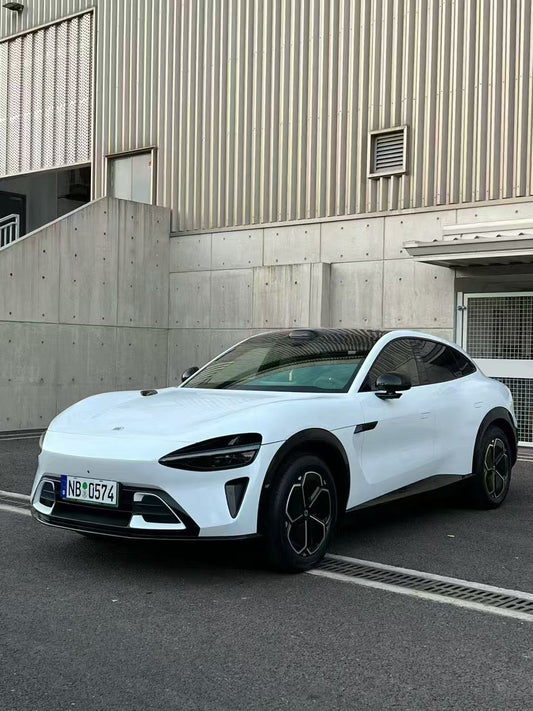
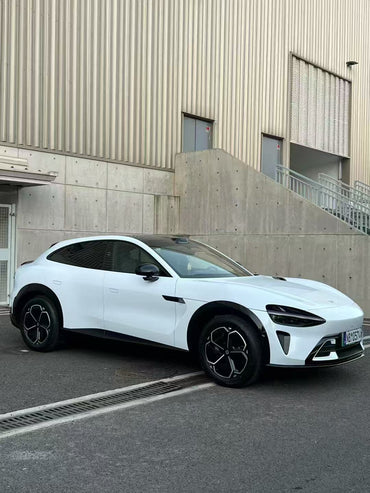
Tesla or modern EV owner who wants a custom color and protection. Colored PPF is the answer. You get a Ferrari Red, Piano Black, or Crystal Sky Blue transformation that doubles as rock-chip armor.
Truck or off-road vehicle. TPU is virtually mandatory for high-impact zones. Pair it with vinyl on lower-stress panels for a full-coverage wrap that balances cost and protection.
Installation and Maintenance Notes
Both materials reward careful prep — paint correction, thorough decontamination, and a dust-free workspace. TPU's elasticity makes it more forgiving on compound curves, but it also demands precise tensioning to avoid stretch marks during installation. PVC is more rigid, which can mean more relief cuts on complex panels but also more predictable behavior on flat surfaces. Whichever you choose, our wrapping tools collection includes the squeegees, knives, and heat-management gear that separate clean installs from frustrating ones. New installers often start with our sample kits to test color and finish behavior before committing to a full vehicle order.
For aftercare, both films appreciate hand washing over automated brush systems. Avoid abrasive compounds, and rinse off bird droppings or tree sap promptly — they're the most common causes of premature film failure on either material. To dive deeper into ongoing care, browse our growing library at the Sailifilm blog, where we cover installation walkthroughs, finish-specific cleaning protocols, and seasonal protection tips.
The Bottom Line
PVC vinyl wrap and TPU paint protection film aren't really competing products — they're complementary tools. PVC gives you the widest creative palette in automotive styling, with finishes ranging from holographic rainbow to liquid chrome to deep glitter. TPU gives you genuine protection that absorbs road debris, resists yellowing for years, and self-heals minor surface marring. The right answer depends entirely on what you want from your vehicle: pure aesthetic transformation, long-term paint preservation, or a hybrid approach that combines both.
Not sure which way to go? Order from our sample kits before committing — feeling the films in person, testing them under your local sunlight, and comparing finishes side by side resolves more decisions than any online comparison can. And if you want to see what's currently moving fastest with other Sailifilm customers, the best sellers collection is a strong starting point for inspiration across both material families.
Ready to start your wrap project? Explore the full Sailifilm catalog and reach out through our support team for material guidance specific to your vehicle.

