



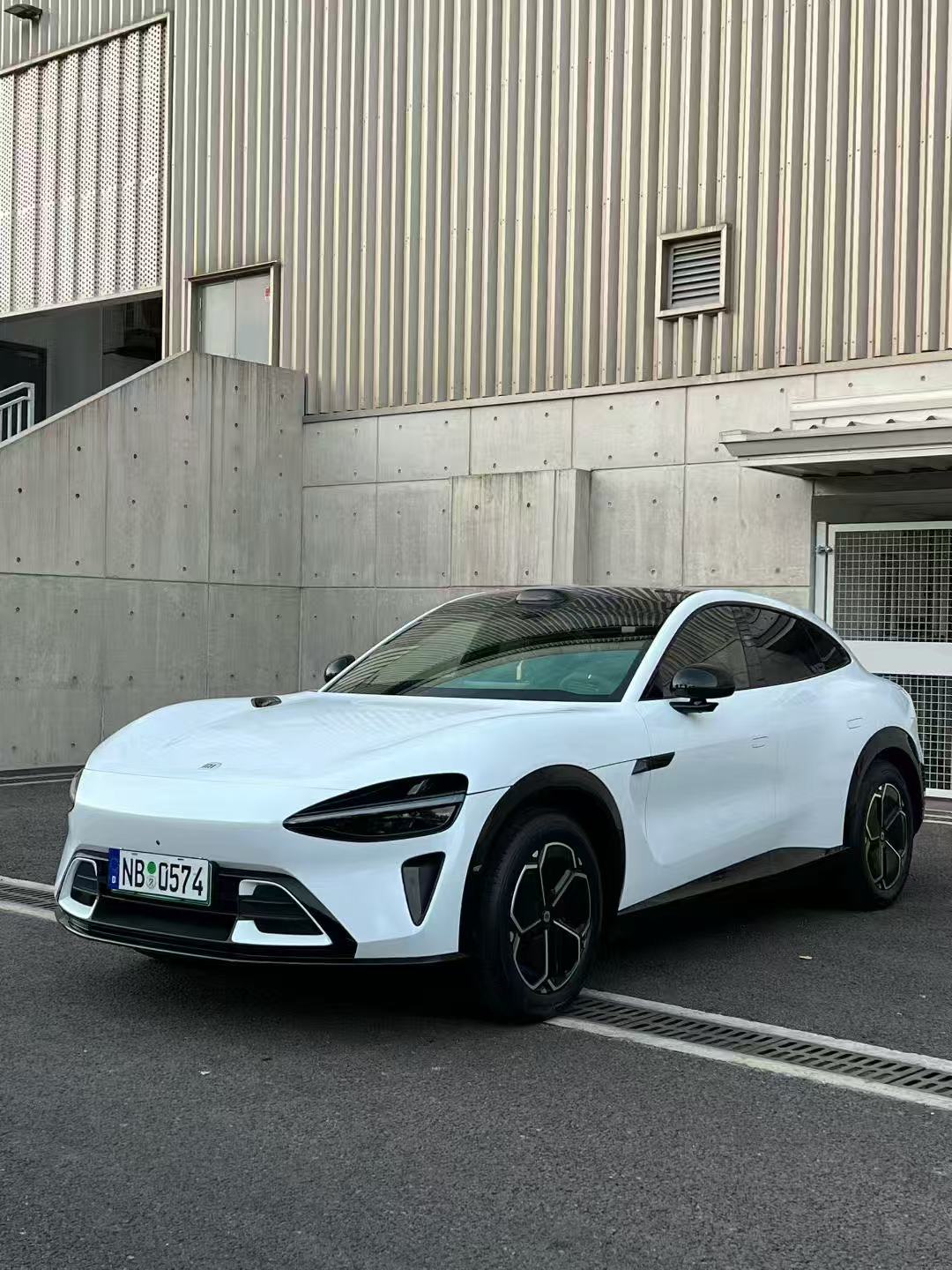


The Two Film Families in 30 Seconds
Paint protection film (PPF) is a thermoplastic polyurethane layer engineered as armor. Typical thickness sits between 7.5 and 8.5 mils, and modern formulations include a self-healing topcoat that lets shallow scratches relax back into place under heat. PPF was originally developed for military helicopter rotor blades, which gives you a sense of its impact-absorption pedigree. The Wikipedia entry on Paint Protection Film covers this history in more depth if you're curious about the technology's roots.
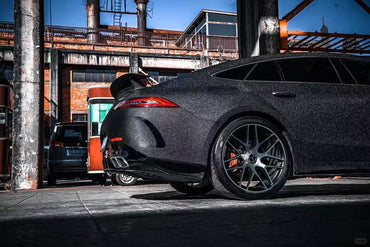
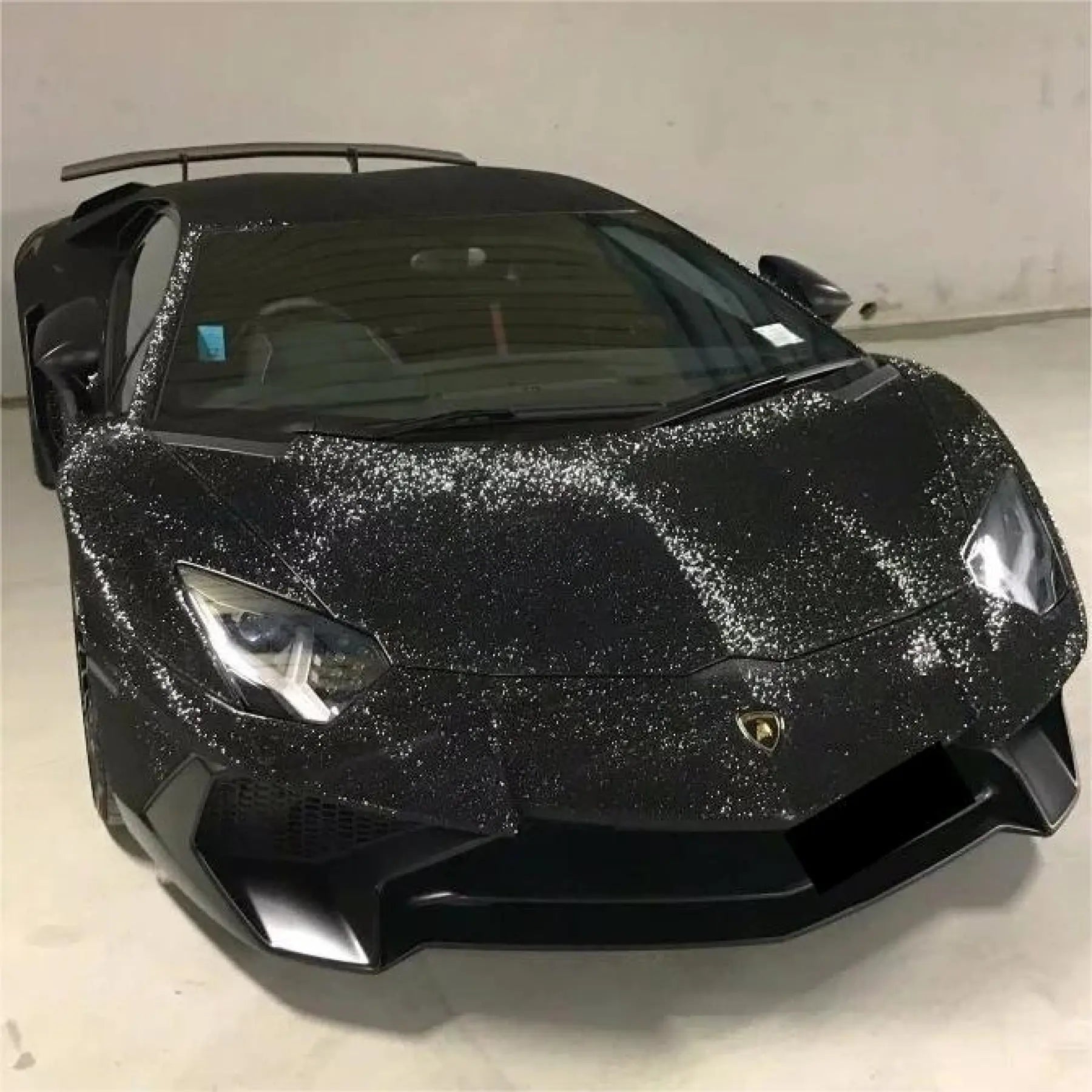
Vinyl wrap, by contrast, is a polyvinyl chloride (PVC) film designed primarily for visual transformation. It typically measures 3 to 4 mils thick and comes in nearly limitless finishes — gloss, matte, chrome, color-shift, holographic, glitter — that traditional automotive paint cannot replicate. Vinyl does provide some surface protection, but defending the paint underneath is a secondary benefit, not its core engineering goal.
Across our catalog, vinyl shows up in the car vinyl wrap category, while PPF appears in two forms: clear TPU paint protection wrap and our newer colored paint protection film line that fuses pigment directly into the protective film.
Protection by Threat: What Each Film Actually Stops
Forget thickness charts for a moment. Here's how each film performs against the seven threats your paint actually faces:
1. Rock Chips and Highway Gravel
This is where the two materials diverge most dramatically. A pebble flicked off a tire at 60 mph carries enough kinetic energy to chip paint instantly. PPF's thicker construction (around twice the depth of vinyl) absorbs and disperses that impact across a wider surface area, often preventing any damage from reaching the paint. Vinyl wrap, being thinner, can sometimes get punctured straight through, leaving both the wrap and the paint underneath compromised.
Verdict: PPF wins decisively. If you commute on highways, drive gravel roads, or live somewhere construction trucks are common, our TPU paint protection wrap should cover at minimum your front bumper, hood leading edge, fender edges, mirror caps, and rocker panels.
2. UV Fade and Sun Damage
Sunlight is the most underestimated paint killer. Years of UV exposure oxidize the clear coat, dull the color underneath, and cause uneven fade patterns that are nearly impossible to reverse. Both PPF and quality vinyl include UV inhibitors, but they handle the challenge differently. TPU PPF uses aliphatic polyurethane chemistry specifically chosen because it resists yellowing for years. Premium vinyl wraps block UV from reaching the paint underneath, but the wrap itself can fade or shift over time, especially in intense-sun climates.
Verdict: Both work, but PPF holds longer. If your car lives outdoors in Arizona, Florida, Southern California, or anywhere with brutal summer sun, PPF's longer service life justifies the higher upfront investment.
3. Swirl Marks and Wash-Induced Micro-Scratches
Every car wash leaves behind some degree of micro-marring — those faint cobweb scratches you see only when sunlight hits the panel at the right angle. On bare paint, those marks accumulate permanently. Self-healing PPF erases them: when the panel warms in sunlight or receives a hot-water rinse, the elastomeric topcoat flows back into shape, returning the surface to its original gloss.
Standard vinyl has no equivalent self-healing mechanism. Once a swirl mark is on a vinyl wrap, it's there until the film is replaced.
Verdict: PPF only. This is one of the clearest single-feature wins for paint protection film over any vinyl wrap on the market.
4. Bird Droppings, Bug Splatter, and Tree Sap
These contaminants are acidic and can etch into automotive clear coat within hours under summer heat. PPF's TPU surface is chemically resistant — it shrugs off these acids long enough that even a delayed cleaning rarely leaves permanent marks. Vinyl's PVC surface is more porous and can stain, especially on lighter colors or matte finishes that lack a glossy topcoat.
Verdict: PPF holds up better, but prompt cleaning matters for both. If your car parks under trees or near coastal bird populations, this is another argument for PPF on horizontal panels (hood, roof, trunk lid).
5. Door Dings and Parking Lot Damage
Neither film stops a hard impact from a swinging shopping cart or an inattentive neighbor's door. PPF's thickness can absorb minor scuffs and prevent some surface scratching, but a real ding deforms the metal underneath regardless of what's on top. Vinyl provides almost no impact resistance here.
Verdict: PPF gives you a small edge for surface scuffs, but for serious dent prevention, both films have limits. This is where door-edge guards and parking strategy matter as much as film selection.
6. Road Salt and Winter Chemicals
Northern winters bring road salt, brine, and de-icing chemicals that accelerate paint corrosion at any rust-prone seam or stone-chip exposure point. PPF's chemical resistance and impact absorption work together here — by preventing chips in the first place, it eliminates the entry points where salt would otherwise reach bare metal. Vinyl wrap covers the surface but is more likely to develop edge lifting in repeated freeze-thaw cycles, which lets moisture creep underneath.
Verdict: PPF wins for winter-driven vehicles, especially trucks and SUVs that see daily salt exposure.
7. Fading Color or Wanting a Different Look
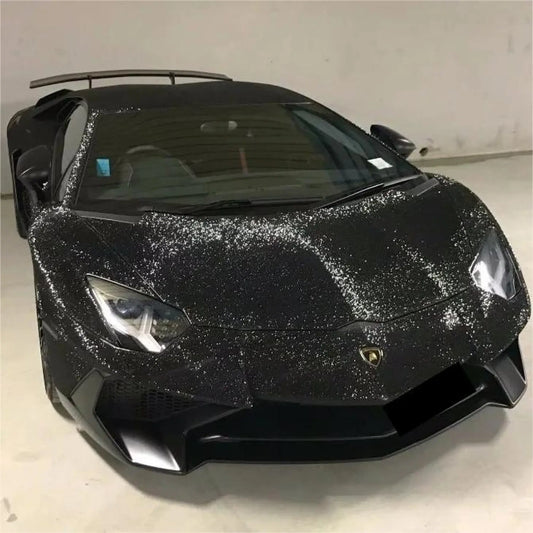
Here vinyl finally takes the lead. If your factory paint is an unremarkable color you've grown tired of, no amount of clear PPF will fix that. Vinyl wrap exists precisely for transformation — and the range of finishes available today is genuinely staggering. Our metallic vinyl wrap series delivers depth that paint can't match. The rainbow laser vinyl wrap line creates holographic spectrum effects. The liquid chrome wrap produces mirror-like reflectivity. The dual color dream vinyl wrap series shifts hue with viewing angle. The crystal vinyl wrap line offers deep, jewel-tone gloss. The ultra matte wrap series gives a smooth satin finish. The 3D carbon fiber wrap delivers a tactile woven texture. And the glitter sparkle car wrap range adds particle-infused brilliance. None of these effects exist in clear PPF.
Verdict: Vinyl wins by default — clear PPF can't change a color it can see through.
Threat Protection at a Glance
|
Threat |
Vinyl Wrap |
TPU PPF |
|
Rock chips |
Limited |
Strong |
|
UV fade |
Moderate |
Strong |
|
Swirl marks |
None |
Self-heals |
|
Bird droppings / sap |
Limited |
Strong |
|
Door dings |
Minimal |
Minimal |
|
Road salt |
Limited |
Strong |
|
Color change |
Unlimited options |
Clear only |
The Hybrid Solution: Colored Paint Protection Film
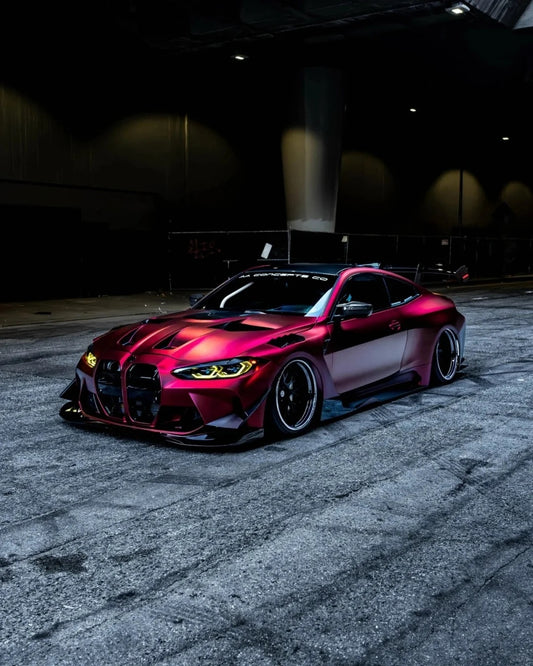
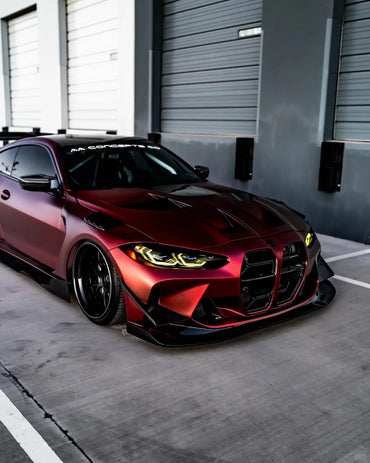
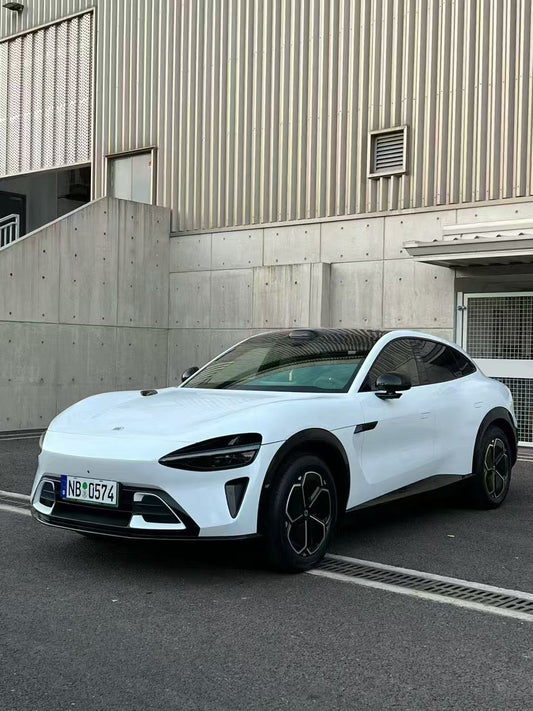
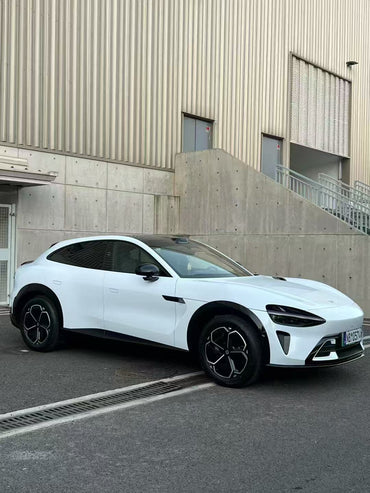
Looking at the threat table, you might wonder if there's a way to get PPF-grade protection plus vinyl-grade color transformation in one film. There is, and it's one of the fastest-growing categories in the industry: colored PPF. Our colored paint protection film line fuses pigment directly into TPU, so a single layer delivers self-healing properties, rock-chip resistance, UV protection, and a vibrant color change all at once.
The available shades cover most of the popular palette: Crystal Sky Blue, Crystal Light Pink, Crystal Orange, Crystal White, Ferrari Red, Blood Red, Arctic Grey, and Piano Black, among others. Sizes run from 5ft x 10ft test sections all the way up to 5ft x 79ft full-vehicle rolls. For Tesla owners, EV enthusiasts, or anyone with a luxury vehicle who wants both a striking new look and genuine paint preservation, this category solves what used to require layering two separate films.
How to Choose Based on Your Driving Reality
-
Highway commuter, daily driver: Clear PPF on the front clip (bumper, hood, fenders, mirrors, headlights). Add vinyl wrap on lower-impact zones if you want a color change.
-
Garage queen or weekend show car: Vinyl wrap is enough. Pick a head-turning finish from our best sellers collection.
-
Luxury vehicle owner planning long-term ownership: Full-coverage clear PPF preserves resale value. Skip the color change unless you genuinely dislike the factory shade.
-
Tesla, Rivian, or premium EV owner: Colored PPF is the strongest option. You get a bold custom color and front-end armor without stacking two films.
-
Truck or SUV that sees off-road or winter use: PPF on the leading edges, hood, rocker panels, and wheel arches. Vinyl on the rest if styling matters.
-
Fleet or commercial vehicle: Vinyl wrap for branding visibility. Add PPF only on contact points where damage would be expensive to repair.
Installation and Surface Prep Matter More Than the Film
Even the best film fails if applied over a dirty, contaminated, or damaged surface. Both PPF and vinyl require thorough washing, clay-bar decontamination, and isopropyl wipe-down before application. Existing rock chips should be repaired before installation, since both films will telegraph imperfections underneath. For DIY installers, our wrapping tools collection provides the squeegees, knives, heat sources, and finishing tools used in professional shops. New installers should always order from our sample kits first to test color and finish behavior under their actual lighting conditions before committing to a full vehicle.
For more detailed installation guidance, the broader Sailifilm blog covers DIY walkthroughs, panel-specific techniques, and aftercare protocols for both film categories.
The Bottom Line on Protection
PPF and vinyl wrap aren't really competing for the same job. PPF protects — it absorbs impact, resists chemicals, blocks UV, and heals minor scratches automatically. Vinyl transforms — it gives you finishes and color effects that paint cannot replicate, with some incidental surface defense as a bonus. Colored PPF closes the gap by combining both functions in one film, which is why the category is growing so fast among owners who refuse to compromise on either side.
The right choice for your vehicle depends on what threats it actually faces and what role appearance plays in your decision. Map your daily driving against the seven threats above, decide where protection or styling matters more, and the answer becomes obvious. Browse the full Sailifilm collection or start with a sample kit to compare materials in person before committing to a full project.
Have questions about which film fits your specific vehicle and driving conditions? Our team can help you build the right protection plan from the ground up.

