












Why Choose Carbon Fiber Hood Wrap
Carbon fiber has long represented the pinnacle of automotive performance materials. According to engineering research on carbon fiber composites, this material offers exceptional stiffness, high tensile strength, and impressive strength-to-weight ratios. These properties made carbon fiber the preferred choice in aerospace, motorsports, and high-performance vehicles. However, genuine carbon fiber hoods command premium prices that put them beyond reach for most enthusiasts.
Carbon fiber vinyl wrap provides an accessible alternative that captures the distinctive weave pattern and high-tech aesthetic without the substantial investment. Premium 3D textured films create visual depth and dimension that convinces observers they are viewing genuine carbon fiber from normal viewing distances.
Key Benefits of Carbon Fiber Hood Wrapping
-
Instant sporty and aggressive appearance transformation
-
Protection for original factory paint from scratches and UV damage
-
Significantly lower cost compared to genuine carbon fiber panels
-
Completely reversible customization that preserves resale value
-
Easy maintenance with simple soap and water cleaning
Essential Tools and Materials for Installation
Successful carbon fiber hood wrap installation requires proper preparation and the right equipment. The professional wrapping tools kit provides everything needed for seamless installation, including professional-grade squeegees, precision cutting instruments, and heat application tools designed specifically for vinyl wrap projects.
Required Tools Checklist
-
Heat Gun with Temperature Control: Essential for making vinyl pliable around curves and activating adhesive. Digital display models provide precise temperature monitoring between 90 to 110 degrees Celsius for optimal results.
-
Felt-Edge Squeegee: Applies firm pressure without scratching the vinyl surface. The felt edge distributes pressure evenly while preventing marks on textured carbon fiber films.
-
Precision Utility Knife: Sharp 30-degree blades enable clean, precise cuts around edges and complex shapes. Replace blades frequently to maintain cutting precision.
-
Isopropyl Alcohol and Microfiber Cloths: Critical for surface preparation. Remove all wax, oils, and contaminants before application.
-
Flexible Measuring Tape: Accurately measure hood dimensions at widest points to ensure adequate material coverage.
-
Masking Tape: Creates hinges for positioning and holds vinyl in place during alignment.
Measuring Your Hood and Cutting Material
Accurate measurements prevent material waste and ensure complete coverage. Use your flexible measuring tape to determine both the length and width of your hood at its widest points. Add approximately 4 to 6 inches of extra material on all sides to allow for positioning adjustments and edge wrapping.
Before committing to a full installation, consider ordering sample kits to evaluate the exact color, texture, and finish quality of your chosen carbon fiber film. Viewing actual samples under various lighting conditions ensures satisfaction with your final selection and prevents costly mistakes.
Roll out your carbon fiber vinyl on a clean, flat surface with the backing paper facing up. Cut the material to your measured dimensions plus the extra margin. Mark the center point of both the material and your hood for precise alignment during application.
Step-by-Step Surface Preparation
Surface preparation represents the most critical phase of any vinyl wrap installation. Imperfections, contaminants, or residue trapped beneath the film create bubbles, lifting, and premature failure. Invest adequate time in this step to ensure long-lasting professional results.
Preparation Process
-
Thorough Washing: Wash the entire hood with automotive soap and water to remove loose dirt, dust, and debris. Pay attention to edges, seams, and areas around emblems where contamination accumulates.
-
Complete Drying: Dry the surface completely using clean microfiber towels. Water droplets trapped during application cause bubbles and adhesion problems.
-
Alcohol Wipe Down: Apply isopropyl alcohol liberally across the entire hood surface using a clean microfiber cloth. This removes wax, polish residue, oils from fingerprints, and any remaining contaminants invisible to the naked eye.
-
Final Inspection: Examine the surface under good lighting for any remaining imperfections. Address any scratches, chips, or damage before proceeding, as these become visible through the vinyl wrap.
For optimal access during installation, pop open the hood and support it in the raised position. This provides better reach to all edges and prevents accidental damage during the wrapping process.
Carbon Fiber Vinyl Application Process
With your surface properly prepared and materials ready, the application process begins. Work in a controlled environment away from direct sunlight, wind, and dust. Ideal working temperatures fall between 70 and 75 degrees Fahrenheit for best adhesive performance and material handling.
Step 1: Position the Vinyl
Lay your cut carbon fiber vinyl sheet over the hood with the backing paper still attached. Position it so extra material extends evenly beyond all four edges. Use masking tape along one edge to create a hinge, allowing you to flip the material back while exposing the adhesive surface in controlled sections.
Step 2: Begin Application from Center
Fold the vinyl back over your tape hinge to expose the center section. Peel away a manageable portion of the backing paper, typically 12 to 18 inches at a time. Gently lower the exposed adhesive surface onto the hood center, establishing your starting point for outward squeegee work.
Step 3: Squeegee Technique
Using your felt-edge squeegee, apply firm overlapping strokes from the center outward toward the edges. This technique pushes air out from under the film and prevents bubble formation. Work in small sections, peeling additional backing paper as you progress across the hood surface.
Maintain consistent pressure and slightly overlap each stroke to ensure complete adhesion. Carbon fiber textured films require extra attention during squeegee work to avoid leaving marks on the surface pattern. Consider lightly misting your squeegee felt with water or application fluid to reduce friction.
Step 4: Heat Application for Curves
Hoods feature various curves, contours, and complex shapes that require heat to achieve proper conformity. Set your heat gun to low or medium settings, typically around 90 to 100 degrees Celsius. Hold the heat source 10 to 12 inches from the vinyl surface and keep it moving constantly to prevent overheating or scorching.
Heat makes the vinyl pliable and allows gentle stretching over curves. Work in small areas, applying heat then immediately using your squeegee to lay the softened material into place. Carbon fiber films are particularly sensitive to heat, so use caution and test on an inconspicuous area first.
Step 5: Edge Wrapping and Trimming
Once the main hood surface is complete, wrap the excess material around the edges. Open the hood fully to access the underside edges. Apply heat to make the vinyl flexible, then fold and press it around the edge using your squeegee. Ensure complete adhesion around all edge contours before trimming.
Use your precision utility knife to trim excess material, leaving approximately half an inch wrapped around the edge for secure adhesion. Make clean, confident cuts to avoid jagged edges that could lift over time. Replace your blade frequently to maintain cutting precision.
Step 6: Post-Heating for Adhesion
After application is complete, post-heating activates the adhesive memory and ensures long-term adhesion. Carefully apply heat to all edges, curves, and areas where the vinyl was stretched. This step locks the material into place and prevents lifting or peeling in the future.
Troubleshooting Common Installation Issues
Air Bubbles
Small air bubbles may appear during installation. Most premium carbon fiber films feature air-release technology that allows tiny bubbles to dissipate naturally within 24 to 48 hours. For larger bubbles, use a small pin to create a tiny hole, then press the air out with your squeegee and apply gentle heat to seal.
Wrinkles and Creases
Wrinkles occur when vinyl is applied too quickly or without sufficient heat on curved surfaces. Gently lift the affected area, apply heat to relax the material, and reapply using proper squeegee technique from center outward. Work slowly and maintain patience throughout the correction process.
Edge Lifting
Edges may lift if not properly heated and secured during installation. Apply heat to the lifting area, press firmly with your squeegee, and hold in place while the adhesive cools. For persistent issues, edge sealer products provide additional security for high-stress areas.
Exploring Other Premium Wrap Options
While carbon fiber delivers exceptional motorsport aesthetics, numerous other premium finishes can transform your vehicle's appearance. Consider exploring these popular alternatives from the complete car vinyl wrap collection for complementary styling or future projects.
The ultra matte wrap series offers contemporary sophistication through smooth, non-reflective finishes that complement carbon fiber accents beautifully. For dramatic color-shifting effects, the rainbow laser vinyl collection creates stunning visual impact that changes based on viewing angle and lighting conditions.
Those seeking metallic brilliance will appreciate the liquid chrome wrap options with their mirror-like reflective properties. The crystal vinyl wrap series adds brilliant depth and dimension, while metallic vinyl wraps deliver sophisticated shimmer that elevates any design.
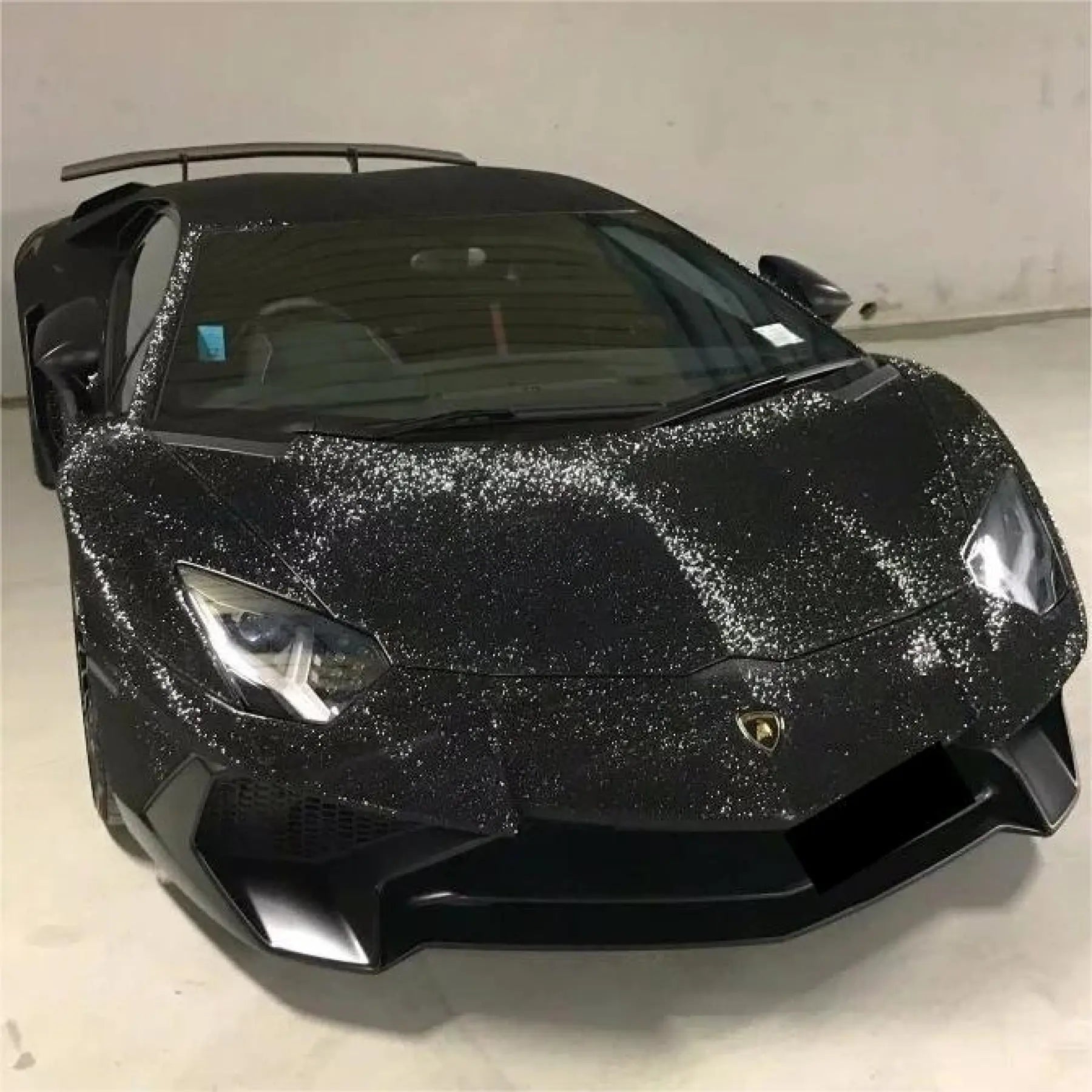
For unique personality expression, explore the dual color dream vinyl wrap options with mesmerizing color transitions, or the eye-catching glitter sparkle car wraps for those who refuse to blend into traffic.
Adding Paint Protection for Ultimate Defense
For vehicle owners seeking maximum protection combined with style, the TPU paint protection wrap technology offers exceptional durability with self-healing properties. These thermoplastic polyurethane films repair minor scratches automatically when exposed to heat, maintaining flawless appearances with minimal effort.
The colored paint protection film collection combines vibrant color transformation with superior protective technology, delivering both aesthetic impact and lasting defense against road hazards, stone chips, and environmental damage in one application.
Maintaining Your Carbon Fiber Hood Wrap
Proper maintenance extends the life of your carbon fiber hood wrap and keeps it looking showroom-fresh for years. Follow these simple guidelines to protect your investment and maximize durability.
-
Hand wash your wrapped hood with mild automotive soap and water every one to two weeks
-
Avoid automatic car washes with brushes that can scratch or lift edges
-
Remove bird droppings, bug splatter, and tree sap promptly to prevent staining
-
Park in shaded areas when possible to minimize UV exposure
-
Avoid harsh chemicals, abrasive cleaners, and petroleum-based products
-
Apply vinyl-safe ceramic coating for additional UV protection and easier cleaning
Achieving Professional Results
Installing a carbon fiber hood wrap represents a rewarding DIY project that transforms your vehicle's appearance while protecting your original paint. Success comes from patient preparation, proper technique, and quality materials. Take your time during each step, maintain controlled working conditions, and never rush the process.
Explore the complete best sellers collection to discover which premium wrap options consistently satisfy customers seeking exceptional value, outstanding appearance, and reliable performance for their vehicle customization projects. With the right materials and proper technique, your carbon fiber hood wrap will deliver stunning results that rival professional installations.
Carbon Fiber Wrap vs Real Carbon Fiber: Complete Comparison
Best Car Wrap Colors for Sports Cars
How to Wrap Car Interior Trim in Carbon Fiber

