



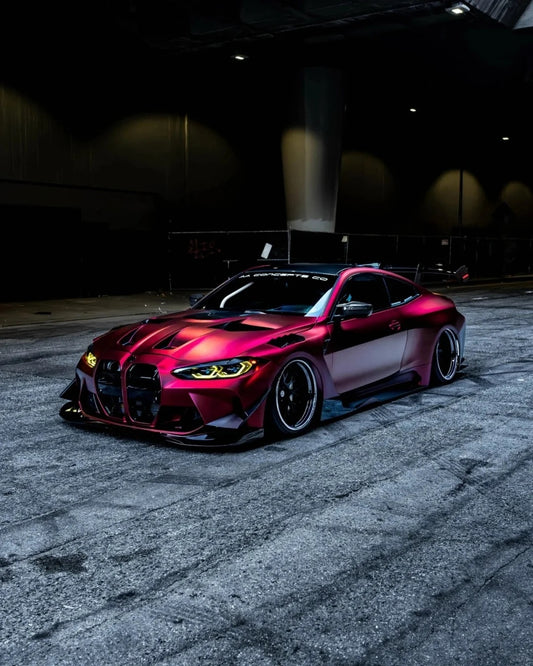
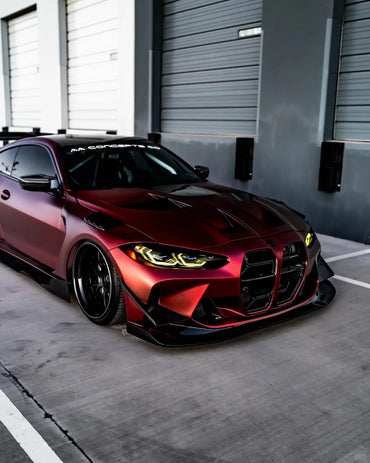
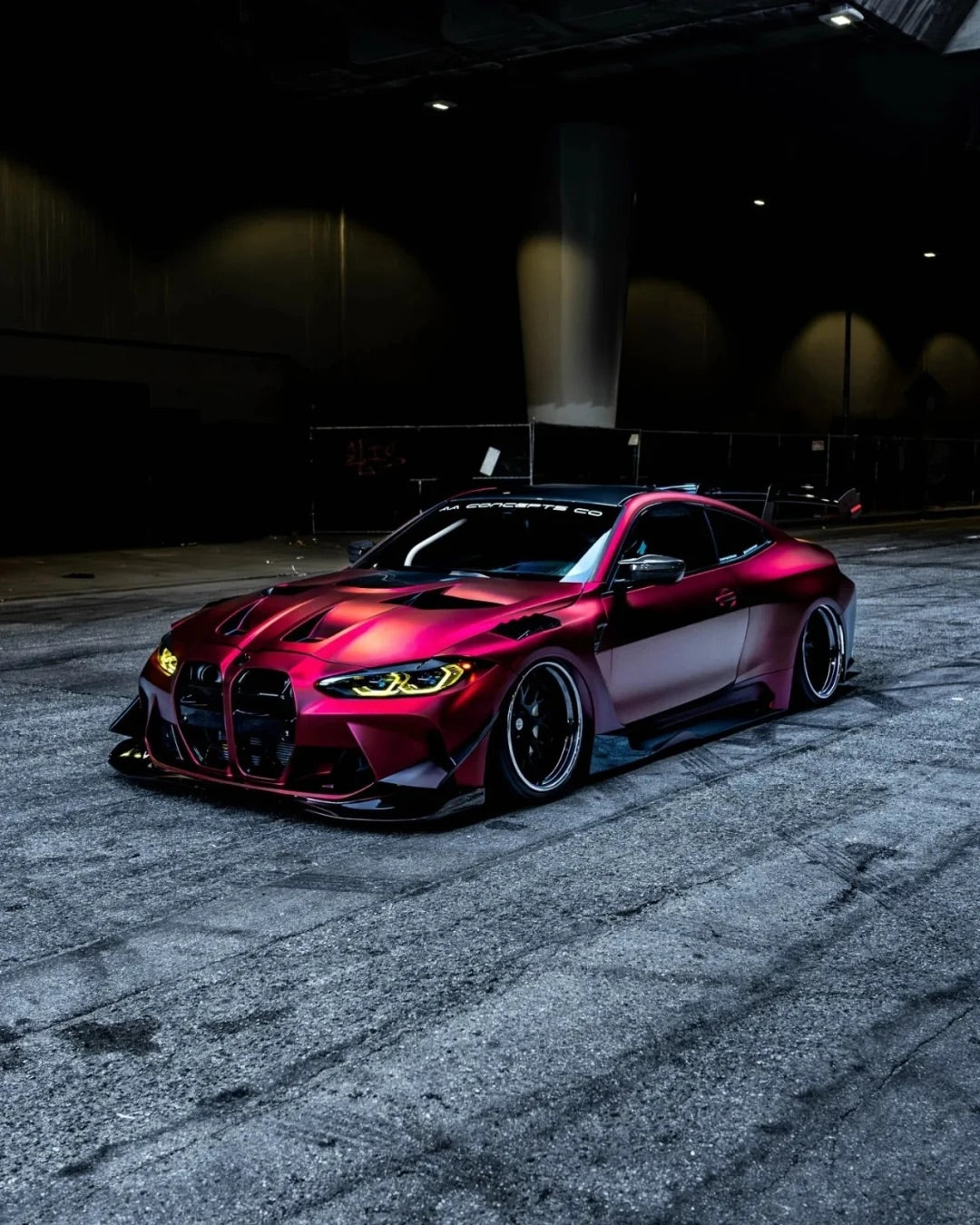
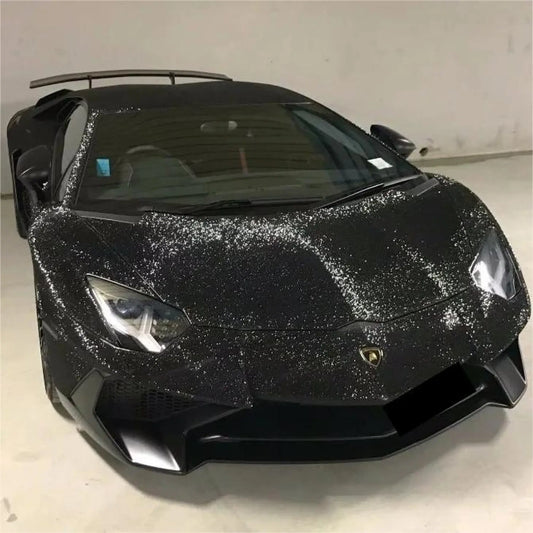




Walk through any car meet in 2026 and the carbon fiber look is everywhere — hoods, mirror caps, spoilers, dashboards, even motorcycle fairings. But here is the part most owners never realize: a large portion of what looks like genuine carbon fiber out there is not carbon fiber at all. It is high-grade vinyl film engineered to imitate the famous woven pattern, and the imitation has gotten remarkably good.
What Real Carbon Fiber Actually Is
Real carbon fiber is a composite material, not a finish. Thin filaments of carbon — each strand thinner than a human hair — are woven into fabric, then bonded together with epoxy resin and cured under high heat and pressure inside an autoclave. The end result is a rigid panel with an extraordinary strength-to-weight ratio. That is why it dominates Formula 1 chassis, fighter jet airframes, and the structural shell of every modern hypercar.
For the technical reference, the Wikipedia entry on carbon fibers covers the material science in depth — including why the woven appearance is a direct product of the manufacturing process rather than a styling choice.
The iconic crosshatch weave you see on a McLaren tub or a Lamborghini engine cover is the actual fabric showing through a clear resin top coat. That visible pattern is structural. It is the geometry doing the work.
What a Carbon Fiber Wrap Actually Is
A carbon fiber wrap is a self-adhesive vinyl film with a textured surface engineered to replicate the appearance and feel of woven carbon. Premium versions like the Sailifilm 3D Carbon Fiber Wrap collection use embossed multi-layer construction, air-release adhesive technology, and gloss or matte top coats to create genuine tactile depth — not a flat printed sticker.
Modern wrap technology has evolved through 3D, 4D, 5D, and even 6D classifications, each adding more dimensional realism through deeper texture, sharper weave definition, and richer gloss layering. The 4D and forged carbon styles are leading 2026 search trends because they deliver the most convincing visual depth at arm's length, especially under indoor lighting and on flowing curved surfaces.
But the film is exactly that — a film. It sits on top of your factory paint as a cosmetic and protective layer. It does not replace structural panels.
The 5 Real Differences That Decide Your Choice
1. Cost — The Most Honest Gap
This is where the two categories separate most clearly. A single replacement carbon fiber hood for a performance sedan typically runs well over a thousand dollars before installation labor, and a full carbon fiber exterior conversion can climb into five figures fast.
A premium carbon fiber wrap from the 3D Carbon Fiber Wrap collection covers the same hood for a fraction of that — and the same roll can transform your hood, roof, mirror caps, and interior trim in one purchase. Pair it with a basic wrapping toolkit and a weekend, and you have a full carbon look without touching the original panel.
For most enthusiasts, this single difference resolves the entire debate.
2. Weight and Performance
This one matters if you are building for the track. Real carbon fiber panels are dramatically lighter than the steel or aluminum parts they replace — a carbon hood can shave several kilograms off the front of the vehicle, which directly improves braking distance, cornering balance, and front-rear weight distribution.
A vinyl wrap adds weight. Not much — a few grams across an entire car — but it adds, it does not subtract. If your goal is measurable lap-time improvement and unsprung mass reduction, a wrap will not deliver that. Only the real composite material will.
If your goal is the visual identity of a track car for street driving, the wrap closes the gap on every metric that matters to the eye.
3. Installation, Reversibility, and Flexibility
Real carbon fiber parts are permanent. Installing them usually means sourcing OEM-replacement panels, mounting through original bolt points, and committing to that look for the lifetime of the vehicle. Removing them later means replacing the part again.
A vinyl wrap is fully reversible. A quality 3D carbon fiber film from the Sailifilm range can be applied over factory paint, removed cleanly months or years later without paint damage, and swapped for a completely different finish whenever your taste evolves. Tired of the carbon look? Move to a liquid chrome wrap, an ultra matte wrap, or a bold rainbow laser vinyl wrap for a totally different identity.
Wraps also conform to surfaces real panels cannot reach — interior trim, complex curves, helmet shells, body kit accents, even small badges and emblems. This versatility is impossible with rigid composite parts.
If you want to test colors and finishes before committing to a full vehicle wrap, the sample kits let you evaluate texture, depth, and finish in your own lighting before placing a full order.
4. Durability and Daily Protection
Real carbon fiber is extremely durable structurally, but the clear coat on top can be vulnerable. UV exposure over years can yellow the resin layer, and rock chips on highway driving will damage the surface just like any clear-coated panel. Repairing a chipped carbon fiber hood is an expensive specialist job.
A quality 3D carbon fiber wrap protects the paint underneath. It absorbs minor stone chips, light scuffs, and UV exposure on behalf of the factory finish, and when it eventually wears or you want a change, you remove and replace just the film — not the panel.
For owners who want maximum protection alongside the carbon aesthetic, pairing a wrap with a TPU paint protection wrap on high-impact zones — front bumper, hood leading edge, mirror caps — delivers self-healing chip resistance under or alongside the carbon look. Sailifilm's colored paint protection film line offers both protection and styling in a single layer.
Under realistic outdoor driving conditions, a premium carbon fiber vinyl wrap typically lasts 3 to 5 years; garage-kept vehicles often see significantly longer service life. Proper washing matters — our guide on how to wash a vinyl wrapped car walks through the safe technique step by step.
5. Visual Realism — How Close Does the Wrap Get?
This is the question every buyer secretly wants answered. The honest answer in 2026: a quality wrap is genuinely convincing at arm's length, in normal daylight, and especially in photographs and on social media. The crosshatch weave is sharp, the gloss is deep, and the texture has real tactile presence under your fingertips.
Real carbon fiber wins only in a specific scenario: extreme close-up under angled directional light. Genuine carbon has true three-dimensional optical depth — light enters the resin layer, reflects off individual fiber bundles at different physical depths, and bounces back with a slight iridescent shift as you move around the panel. Vinyl has a fixed surface plane, so the visual depth is simulated rather than physical.
For the 95% of viewing situations — your driveway, the parking lot, a car meet, a phone camera — the difference is invisible to anyone who is not a trained composites specialist holding the panel at 45 degrees under a single spotlight.
What About Forged Carbon? The 2026 Trend
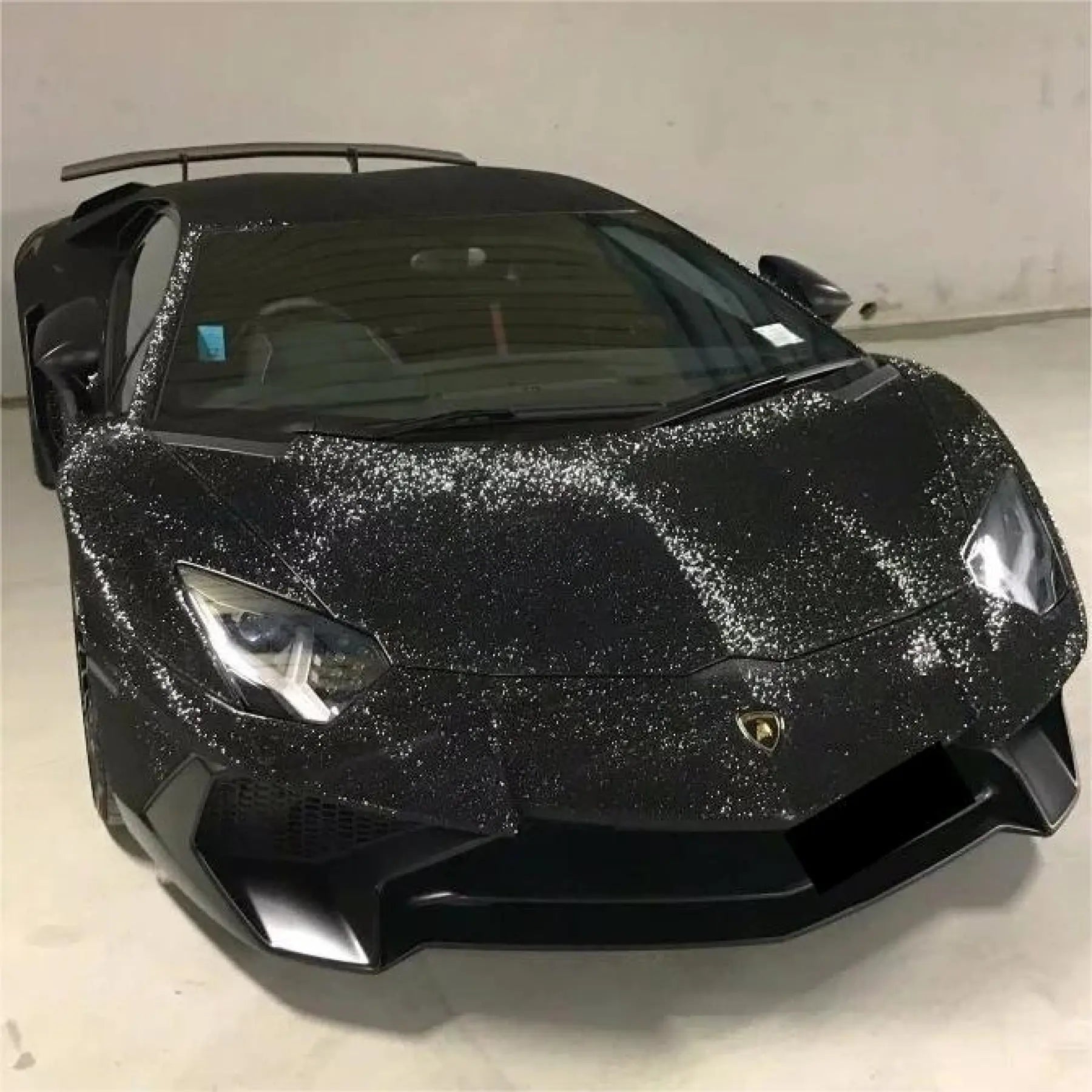
The biggest carbon style trend right now is forged carbon — the chaotic marbled chip pattern made famous by Lamborghini supercars. Real forged carbon is made by compressing chopped carbon fiber fragments into a mold under heat and pressure, producing that distinctive scattered-fragment look.
A genuine forged composite panel is a five-figure investment per piece. The Sailifilm forged finishes inside the 3D Carbon Fiber Wrap collection reproduce that marbled chaos through advanced printing and embossing, available in matte red, gloss red, matte black, gloss black, and a deep 4D gloss black variant — capturing the supercar aesthetic at a fraction of the cost.
Pairing Carbon With Other Finishes
One advantage real panels cannot match: combining carbon with other premium textures in a single build. A growing 2026 trend is two-tone customization — carbon roof and hood with a contrasting body finish. Popular combinations using Sailifilm collections include:
- Carbon fiber roof with a deep-tone metallic vinyl wrap body
- Carbon fiber hood and mirrors with a crystal vinyl wrap base
- Carbon accents over a flowing dual color dream vinyl wrap body
- Carbon detailing on a full ultra matte wrap build
For inspiration across the entire color and finish range, the car vinyl wrap collection and the best sellers page show what other Sailifilm customers are running this year.
So Which One Is Right for You?
Choose real carbon fiber if:
- You are building a dedicated track car where weight reduction translates to lap times
- You are restoring or upgrading a high-performance vehicle where authenticity drives resale value
- You have the budget and you want the material itself, not just the appearance
- You plan to keep the look permanently
Choose a premium carbon fiber wrap if:
- You want the carbon aesthetic across the entire vehicle, not just one or two panels
- You want to protect your factory paint while transforming the look
- You value flexibility — the ability to refresh, change, or remove the look entirely
- You want the highest visual-impact return on your customization budget
- You are doing a DIY transformation and want full creative control
Most owners reading this guide fall firmly into the second category. The wrap is not a compromise — it is a different product solving a different problem, and for the way the vast majority of cars are actually used, it delivers more practical value.
Get Started With Sailifilm
Browse the full 3D Carbon Fiber Wrap collection to compare gloss, matte, and forged finishes side by side. New to wrapping? Order a sample kit to evaluate the texture in person before committing to a full roll, then check our guide on matte vs gloss car wrap to lock in the finish that suits your build.
Once your film arrives, the DIY car wrap installation guide and your wrapping tools will walk you through every step from prep to final squeegee pass — and the paint correction vs touch-up guide covers the surface preparation that makes the difference between a 1-year wrap and a 5-year wrap.
The carbon fiber look is no longer reserved for owners of six-figure supercars. With the right film, the right preparation, and a free weekend, it can belong to your car too.

