

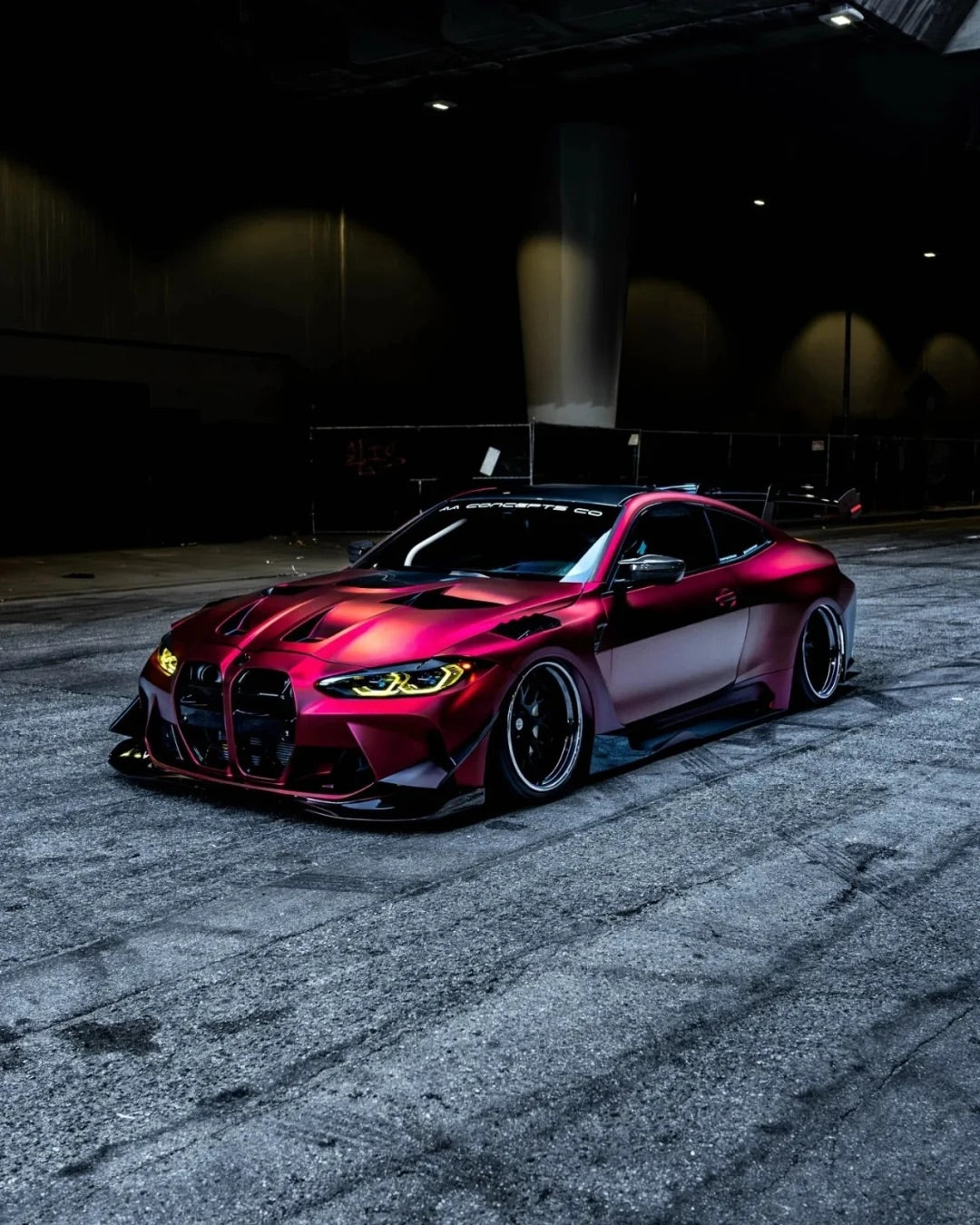






Why Rock Chip Repair Matters Before Vinyl Wrap Installation
Vinyl wrap film is remarkably thin, typically measuring just a few mils in thickness. This characteristic allows it to conform beautifully to your vehicle's contours but also means it cannot hide existing paint damage. When you apply car vinyl wrap over unrepaired rock chips, several problems emerge that compromise both appearance and durability.
Surface imperfections create air pockets where the film cannot properly adhere. These bubbles remain permanently visible, creating unsightly blemishes that draw attention to the very damage you hoped to conceal. The edges of rock chips provide lifting points where the film begins separating from the surface over time. Moisture infiltrates through these compromised areas, potentially causing further paint deterioration beneath your investment.
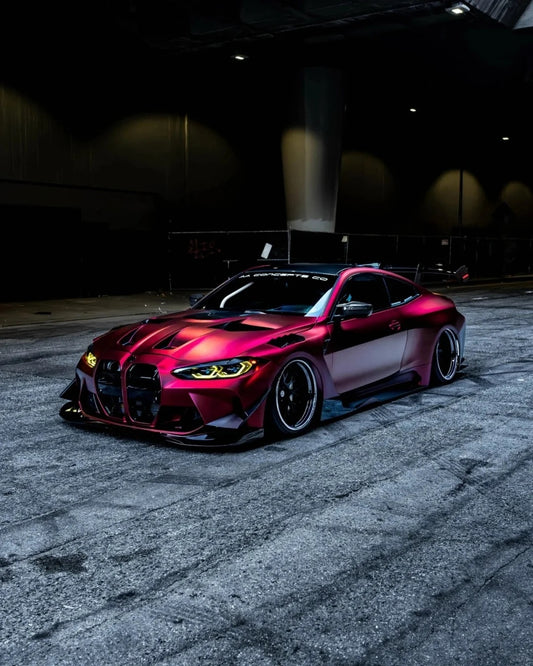
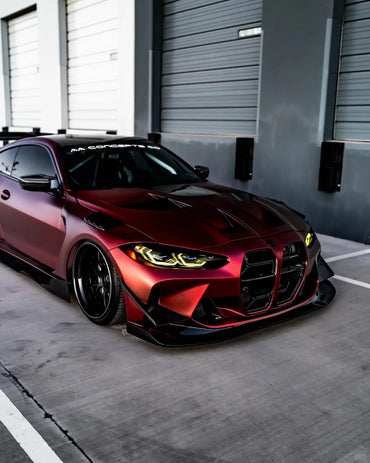
Professional installers consistently refuse to work on vehicles with significant paint damage because they understand that proper preparation protects both the customer's investment and their own reputation. This principle applies whether you choose a bold rainbow laser vinyl wrap or a subtle ultra matte wrap finish.
Understanding Different Types of Paint Damage
Before selecting your repair approach, you must accurately assess what type of damage you are dealing with. Surface-level chips affect only the clear coat layer and represent the easiest category to address. These shallow imperfections can often be minimized through careful polishing and touch-up techniques.
Deeper damage that penetrates to the base coat or primer layer requires more extensive attention. When you see the actual color coat exposed or even bare metal showing through, you are dealing with chips that need proper filling and color matching to achieve acceptable results beneath a wrap.
The most challenging scenario involves widespread damage across high-impact areas like the front bumper, hood leading edge, and mirror caps. These zones naturally accumulate the most road debris contact, and extensive damage may require professional body shop attention before wrap installation becomes viable.
According to automotive protection experts, understanding damage depth guides your repair strategy. A digital paint thickness gauge can help determine exactly how much material remains after damage occurs, preventing aggressive correction that might burn through remaining clear coat.
Essential Tools and Materials for Rock Chip Repair
Gathering proper supplies before beginning ensures you can complete the job efficiently without frustrating interruptions. Start with quality touch-up paint that precisely matches your vehicle's color code. Your door jamb typically displays a label containing this information, or you can retrieve it through your dealership or an online lookup tool.
Your repair kit should include isopropyl alcohol for surface cleaning, microfiber cloths, painter's tape for protecting surrounding areas, and fine-grit sandpaper in various grades ranging from 1500 to 3000. A small applicator brush or toothpick provides precise paint application control for filling chip cavities.
For those planning full vehicle wraps with premium films like crystal vinyl wrap or dual color dream vinyl wrap, investing in a complete professional tool set makes sense. The Sailifilm Professional Car Tool Wrapping Kit includes squeegees, cutting tools, and precision instruments essential for seamless installation.
Step-by-Step Rock Chip Repair Process
Begin by thoroughly washing and drying your vehicle to remove all surface contaminants. Even microscopic dirt particles trapped beneath touch-up paint create imperfections visible through vinyl film. Use a clay bar treatment on areas surrounding the chips to ensure completely clean surfaces.
Apply isopropyl alcohol directly to each chip and surrounding paint using a clean microfiber cloth. This step removes any wax, polish residue, or oils that would prevent touch-up paint from bonding properly. Allow the surface to dry completely before proceeding.
For chips that have accumulated rust, you must address this before any filling occurs. Carefully remove loose rust particles using a pointed tool, then apply rust converter according to product directions. Skipping this step allows oxidation to continue spreading beneath your repair and eventually beneath the wrap itself.
Apply touch-up paint in thin layers, building up gradually rather than attempting to fill the cavity in one application. Each layer should dry completely before adding the next. This patience prevents shrinkage and ensures your fill remains level with surrounding paint. Most automotive touch-up products require approximately 24 hours between coats for proper curing.
Continue building layers until the repair sits slightly above the surrounding surface. This excess material gets leveled during the finishing process. Allow a full cure time of at least one week before final sanding and polishing, though many installers recommend waiting even longer for optimal results.
Preparing Repairs for Wrap Installation
Once your touch-up repairs have fully cured, careful leveling creates the smooth surface necessary for invisible wrap installation. Begin with 2000-grit sandpaper, using extremely light pressure to avoid cutting through your fresh repair. Work in small circular motions, frequently checking your progress.
Progress through increasingly fine grits, finishing with 3000-grit for the smoothest possible surface. Between each grade, clean the area thoroughly to prevent coarser particles from scratching your work. The goal is a repair that feels completely flush with surrounding paint when you run your fingertip across it.
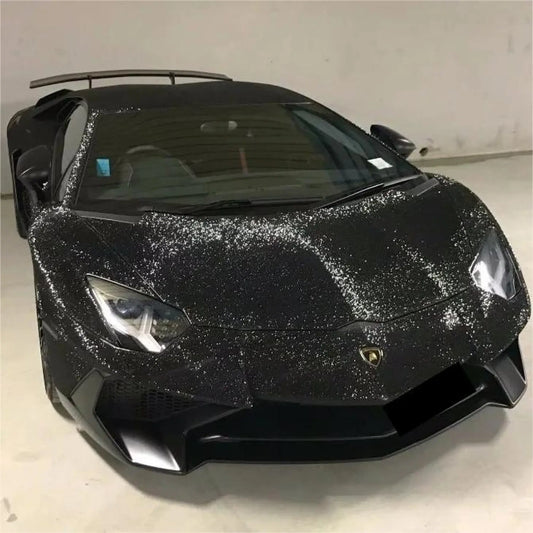
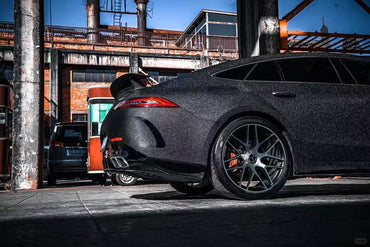
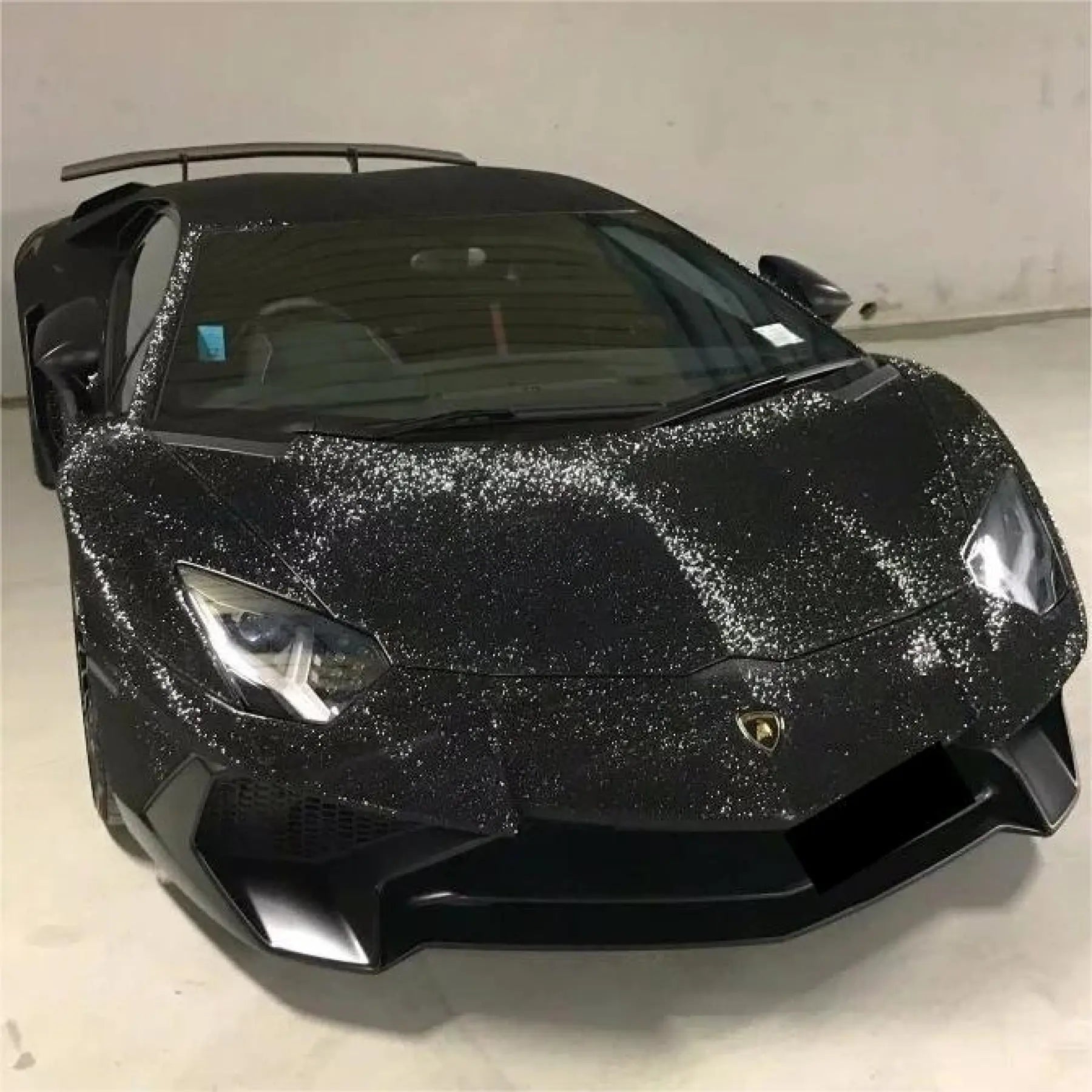
Polish the repaired areas using a fine compound to restore gloss and blend the repair into surrounding paint. Even though your wrap will cover everything, this step ensures no texture differences telegraph through the film. Remember that glitter sparkle car wrap and other specialty finishes can actually highlight subtle surface imperfections more than solid colors.
Choosing Between Vinyl Wrap and Paint Protection Film
Your repair efforts support both vinyl wrap and PPF applications, but these products serve different primary purposes. Traditional car vinyl wrap transforms your vehicle's appearance through color change while providing moderate protection. Products in the liquid chrome wrap collection deliver stunning visual effects that paint simply cannot replicate.
Colored paint protection film represents the newest innovation in automotive protection, combining the superior durability of TPU technology with vibrant color options. This premium solution features self-healing properties that automatically repair minor scratches when exposed to heat. The 7.5mil and 8.5mil clear PPF options in both gloss and matte finishes provide invisible armor for those wanting to preserve their factory paint.
For vehicles with repaired rock chips, TPU paint protection film offers an additional benefit. The thicker material and superior impact resistance help prevent future damage in the same vulnerable areas. High-impact zones like the bumper, hood, and rocker panels particularly benefit from this enhanced protection.
Professional Tips for Optimal Results
Temperature significantly affects both repair curing and wrap installation. Plan your work during mild weather when temperatures remain between 60 and 80 degrees Fahrenheit. Extreme heat accelerates curing but can cause touch-up paint to shrink excessively, while cold temperatures slow the process and prevent proper chemical bonding.
Consider ordering sample kits before committing to a full wrap purchase. Testing your selected film over a repaired area reveals how visible your repairs will be under different lighting conditions. This small investment prevents disappointment after completing a full vehicle installation.
If multiple rock chips cluster in a particular area, you might consider partial wrap panels rather than full vehicle coverage. Strategic placement of 3D carbon fiber wrap accents on hoods, roofs, and mirror caps creates striking visual contrast while protecting the most vulnerable surfaces.
When to Seek Professional Help
Some situations require professional intervention regardless of your DIY skills. Deep chips exposing bare metal need proper primer application before any touch-up paint. Large damaged areas may require spray application rather than brush touch-up for acceptable blending. Metallic and pearl finishes present particular challenges because brush application cannot replicate the flake orientation achieved during factory spraying.
If your vehicle shows clear coat failure, peeling paint, or oxidation beyond simple rock chips, a wrap is not the appropriate solution until these issues receive proper body shop attention. Applying film over deteriorating paint traps moisture and accelerates damage while also preventing proper adhesion.
The Car Film Maintenance Guide available on the Sailifilm website provides ongoing care instructions that help protect your investment after installation. Following proper washing techniques and avoiding harsh chemicals extends wrap lifespan significantly.
The Value of Proper Preparation
Investing time in thorough rock chip repair before wrap installation pays dividends throughout your ownership experience. A properly prepared surface allows film to bond securely, preventing lifting edges and moisture infiltration that cause premature failure. Your repairs remain invisible rather than becoming permanent reminders of damage you meant to conceal.
For those new to vehicle wrapping, the DIY Car Wrap Installation Guide walks through each step of the application process. Combined with proper surface preparation, these techniques enable enthusiasts to achieve professional-quality results at home.
Whether you choose a classic matte finish, head-turning rainbow laser vinyl wrap, or protective TPU film, your results ultimately depend on what lies beneath. Take the time to repair rock chips correctly, and you will enjoy a flawless finish that protects your vehicle and draws admiring glances for years to come.
External Anchor Links
Throughout the article, consider adding these external references for authority and user education:
- Paint Protection Film (Wikipedia) - General information about PPF technology and history
- Vehicle Wrap Overview (Wikipedia) - Educational resource about wrapping techniques and applications
- Automotive Paint Systems (SAE International) - Technical specifications and industry standards
Paint Correction vs Touch-Up: Which Method Works Best Before Wrapping
2026 Color Trends in Automotive Wrapping
Maintaining Your Wrapped Vehicle in All Weather Conditions

