



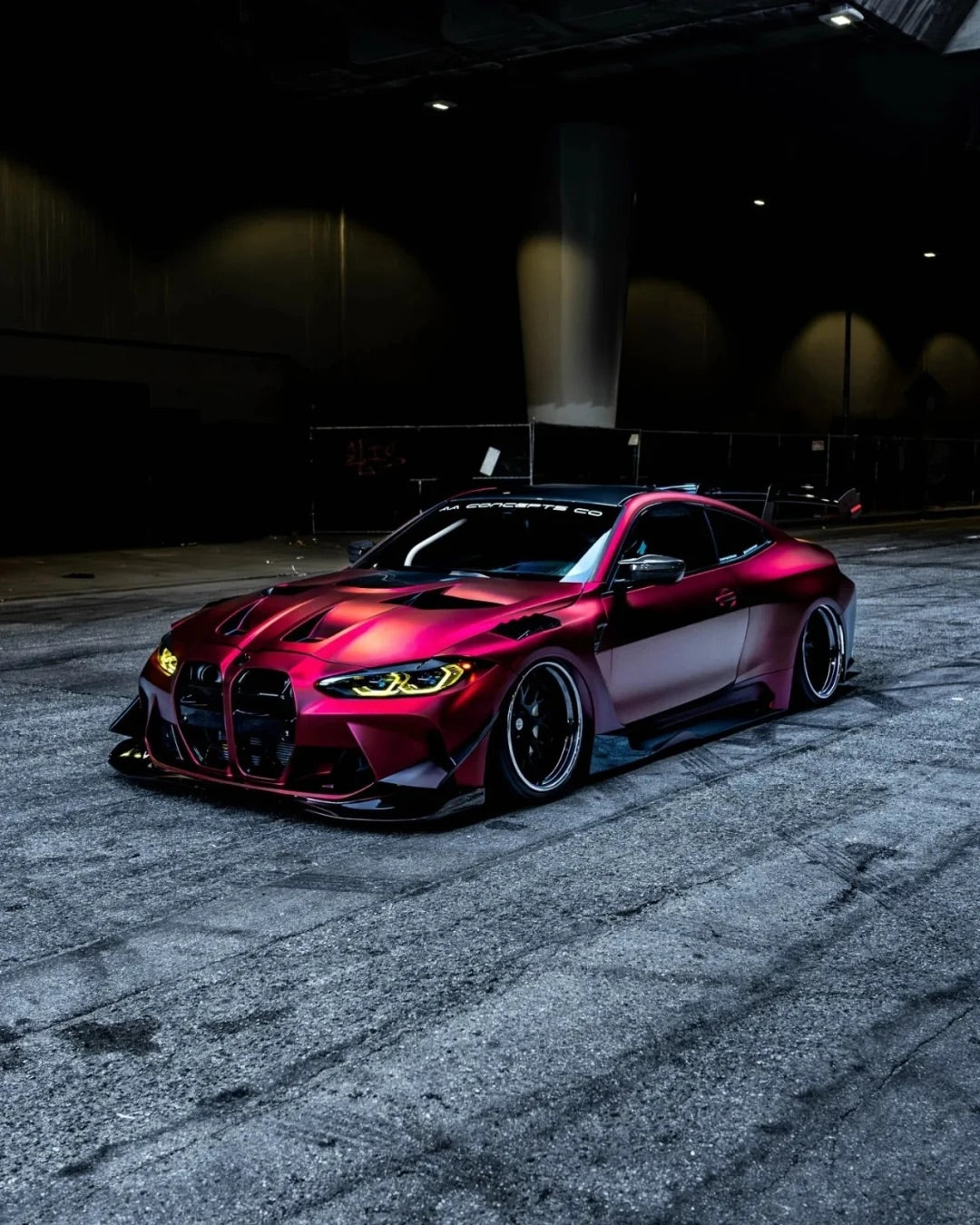


What Counts as a Full Car Wrap
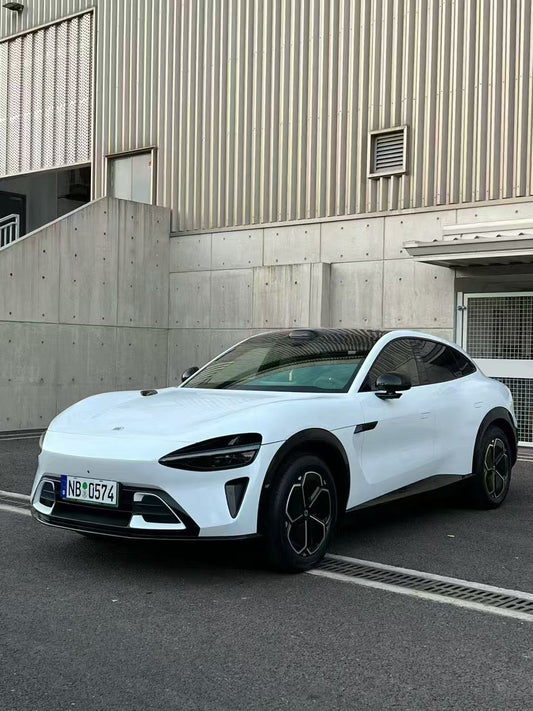
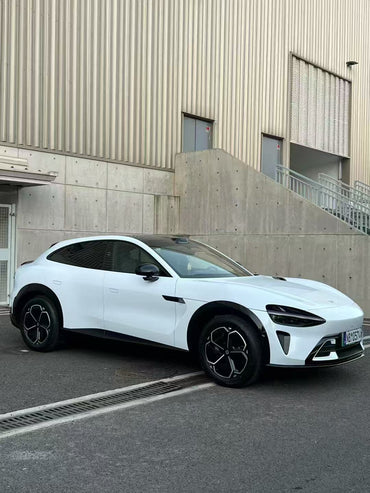
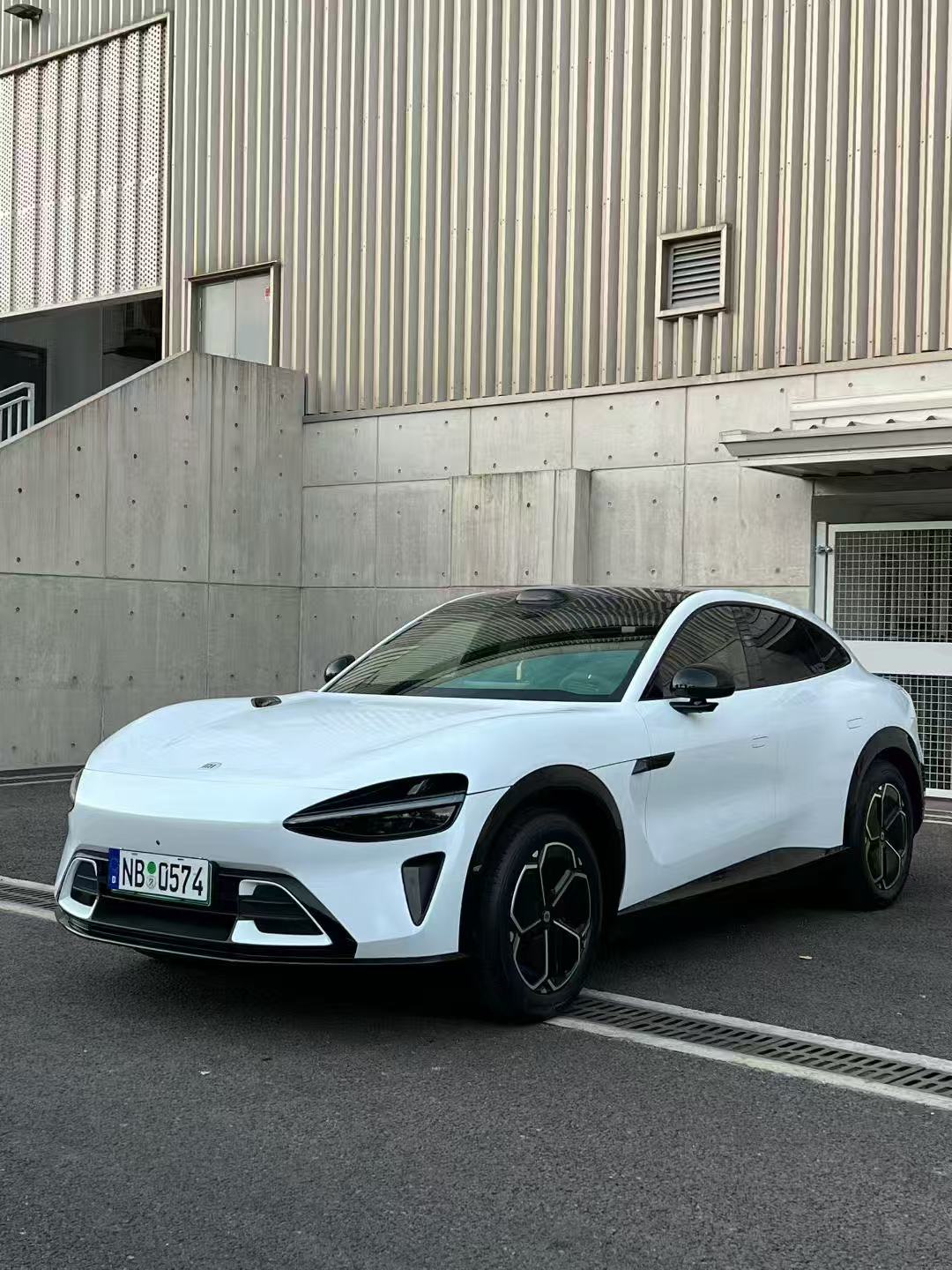
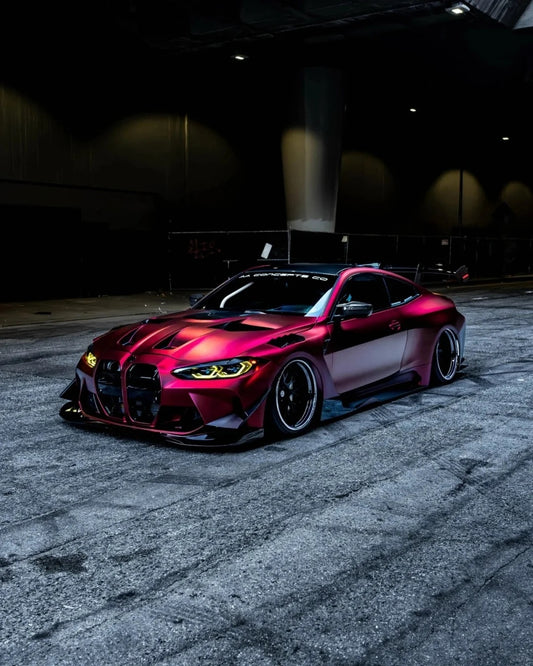
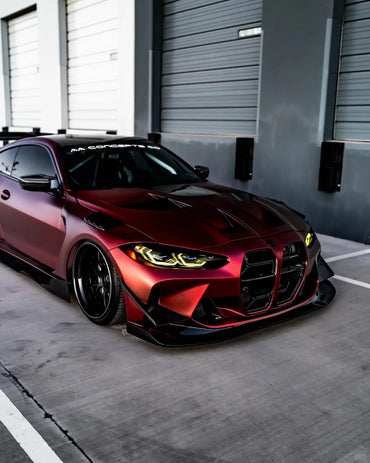
A full wrap means every painted exterior panel gets covered. That includes the hood, roof, trunk, all four doors, bumpers, fenders, quarter panels, mirror caps, and often the door handles and pillars. The goal is a uniform transformation where no factory paint remains visible from the outside. Done properly, a full wrap looks and behaves like a new paint job except that it is reversible and adds a protective layer on top of the original finish.
Full coverage is the default choice for three types of buyers:
-
Owners doing a complete color change who want the car to read as one solid hue from every angle
-
Drivers in climates with heavy UV, road salt, or gravel who want maximum paint protection
-
Build enthusiasts planning to keep the vehicle long term and preserve resale value under the wrap
Most Sailifilm customers who buy full rolls in the 5ft × 49ft, 5ft × 59ft, 5ft × 69ft, or 5ft × 79ft sizes are planning exactly this kind of project. The larger roll sizes exist because sedan-class vehicles typically need around 50 to 55 square feet of film, while a mid-size SUV can push toward 70 to 80 square feet once you account for wastage around complex curves.
What a Partial Wrap Actually Covers
A partial wrap covers one or more individual panels without touching the rest. The most common partial configurations are:
-
Hood only — high-visibility accent that works well with matte or carbon fiber finishes
-
Roof only — popular for two-tone looks and often done in contrast gloss black or chrome
-
Roof plus pillars — creates the floating-roof effect seen on many modern luxury SUVs
-
Hood, roof, and trunk — a three-panel package that dramatically shifts the car's visual balance
-
Side panels or racing stripes — adds motion and identity without a color change
-
Front end only — bumper, hood, mirrors, and front fenders, which is where most rock chips actually happen
Partial coverage is the budget-friendly path into the wrap world and also the most common choice for daily drivers who want personality without a full commitment. You get to test how you feel living with a specific finish before deciding whether to expand coverage later.
Cost and Film Consumption Compared
This is usually the deciding factor. The material cost alone scales almost linearly with the square footage of film required, and labor scales even faster because every additional panel adds prep, application, and finishing time.
Material Planning
Sailifilm sells films in eight roll sizes from 5ft × 3.28ft for accent work up to 5ft × 79ft for full vehicles. Quick reference:
-
Hood or roof only: 5ft × 10ft usually suffices for a sedan
-
Three-panel (hood + roof + trunk): 5ft × 16ft
-
Half coverage: 5ft × 33ft
-
Full sedan or coupe: 5ft × 49ft to 5ft × 59ft
-
Full SUV or full-size truck: 5ft × 69ft to 5ft × 79ft
Order slightly more than the minimum. Complex curves and rework eat yardage, and running short mid-install with a different dye lot is a nightmare. Our Sample Kits collection lets you test a finish on a small area first.
Matching Coverage to Finish Type
Not every Sailifilm finish works equally well at both partial and full coverage. The finish itself determines whether the look pays off better as an accent or as a total transformation.
Finishes That Shine at Full Coverage
Our Liquid Series with 36 mirror-like metallic colors is at its most striking as a full wrap. The liquid chrome effect relies on large reflective surfaces to do its work, and breaking that effect with unwrapped panels tends to dilute the impact. Similarly, the Ultra Matte Series with 23 stealth finishes reads most convincingly when every panel shares the same non-reflective texture, because a matte hood next to a gloss factory fender creates a visual clash that most people find distracting.
The Dual Color Dream Series also works best at full coverage. With 10 color-shift options in this collection, the whole point is watching the color change as you walk around the vehicle — partial coverage cuts that effect in half.
Finishes Made for Partial Coverage
The 3D Carbon Fiber Wrap collection with 5 textured options is almost always used partially. Full-body carbon fiber reads as costume rather than a build; carbon on the hood, roof, or mirror caps reads as performance-inspired detail. This is also where our Rainbow Laser Series with 12 holographic colors earns its keep — holographic effects are arresting on accent panels and overwhelming on a full body.
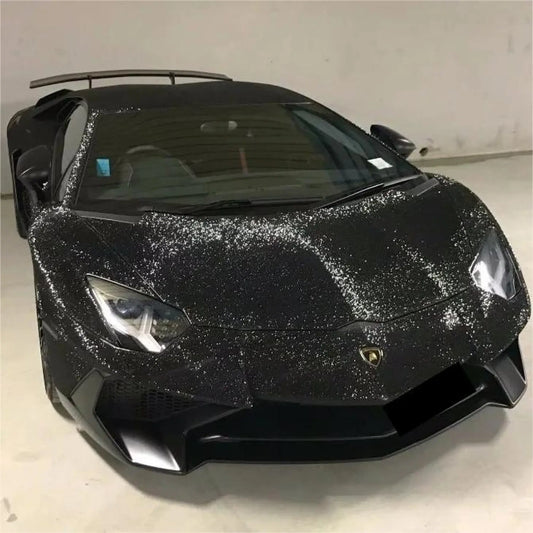
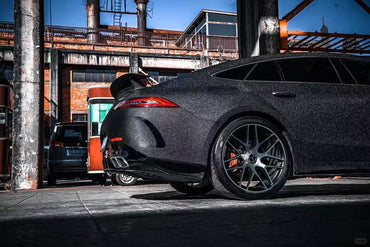
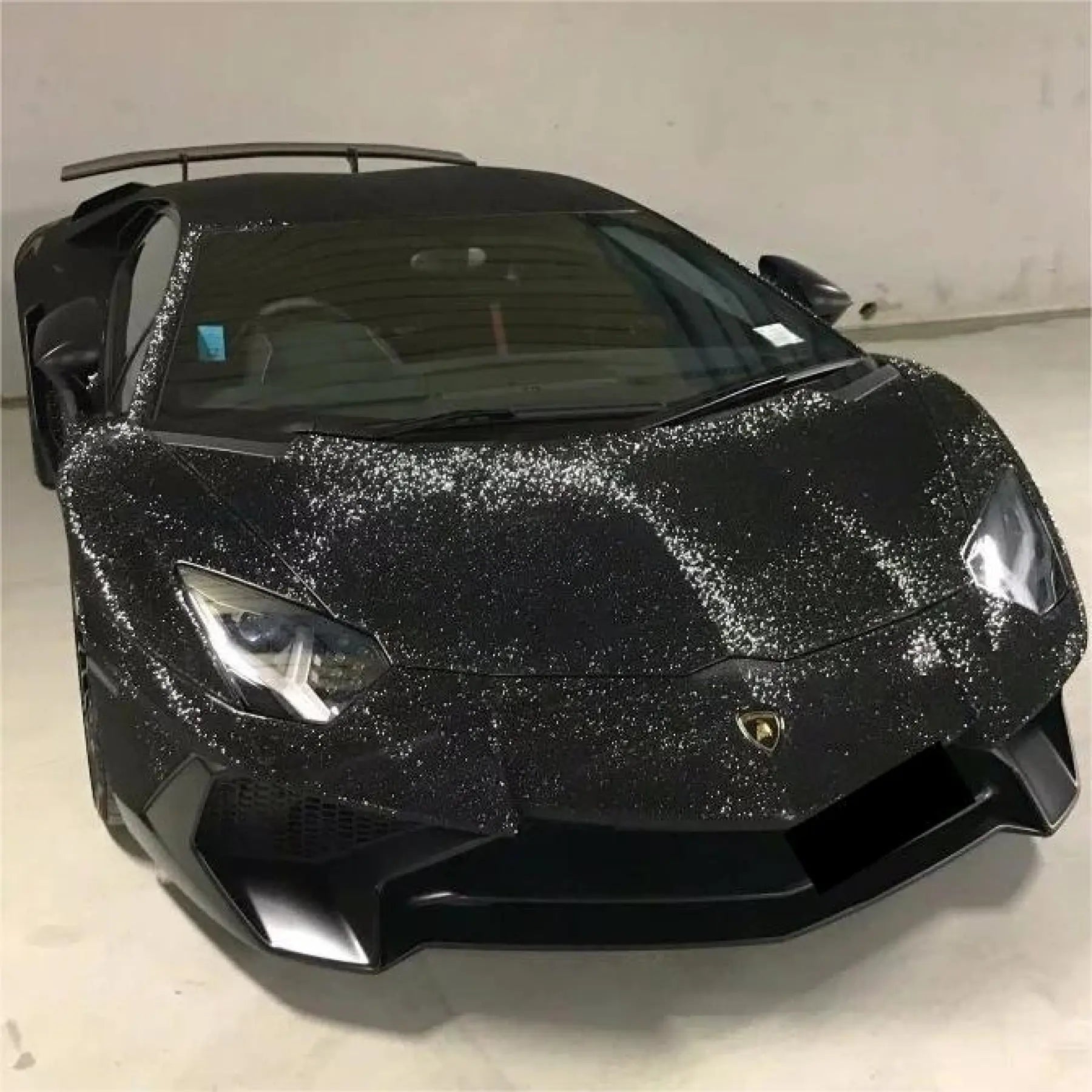
Our Glitter Sparkle Car Wrap collection, featuring bestsellers like Diamond Glitter Black and Pearlescent Sparkle Glitter White, can go either way. A full glitter wrap is a statement build, while a partial glitter roof against a matte body is one of the cleanest looks in the current custom scene.
Finishes That Work Equally Well Both Ways
The Metallic Series with 22 ghost metallic colors and the Crystal Series with 52 crystal-finish options are versatile enough to succeed at any coverage level. A full Ghost Midnight Blue wrap looks factory-luxury, while the same film applied only to the roof and hood creates an upscale contrast against factory black paint.
Paint Protection: The Hidden Half of the Decision
Wraps are not only decorative. The film itself shields the paint underneath from UV fade, micro-scratches, tree sap, bug etching, and mild rock impacts. This matters because once stone chips or clear-coat damage reach the factory paint, repair costs scale quickly. For drivers focused on protection rather than aesthetics, the calculus changes.
The front end — bumper, hood leading edge, headlights, mirrors, and front fenders — absorbs roughly 80 percent of all road debris impacts. If protection is your primary goal, a partial wrap focused on those panels delivers most of the practical benefit at a fraction of the cost of a full wrap. This is where our TPU Paint Protection Wrap with 4 premium options and our Colored Paint Protection Film collection were specifically designed to serve.
TPU film offers self-healing properties that a standard vinyl layer cannot match. Minor swirl marks and light scratches disappear with heat exposure from sunlight or warm water. For anyone who leases a vehicle, finances a performance car, or simply cannot tolerate the thought of factory paint damage, a front-end TPU installation is often the smartest first purchase, even before any decorative wrap goes on.
How to Decide: A Framework That Actually Works
If you are still weighing options, work through these questions in order. The answers tend to pick the right coverage for you automatically.
Question 1: Are You Changing the Color or Accentuating It?
If you want a completely different car, go full wrap. If you love your factory color and just want contrast or character, partial coverage almost always wins on both looks and budget.
Question 2: How Long Will You Own the Vehicle?
Short-term owners (under 3 years) often get the better deal from partial wraps. Long-term owners benefit more from full wraps because the protection layer keeps the paint underneath pristine across years of daily driving.
Question 3: What Does the Finish Demand?
Some finishes need full coverage to read correctly. Ultra matte, liquid chrome, and color-shift films fall into that category. Others, like carbon fiber and holographic laser, actually look better as accents. Let the finish guide the coverage rather than fighting it.
Question 4: What Is the Primary Threat to Your Paint?
Intense UV region? A full wrap makes more sense. Highway commuter collecting rock chips on the nose? A front-end TPU installation beats a cosmetic full wrap for protection value.
Installation Considerations for Each Approach
Partial and full wraps involve different technical challenges, and understanding them upfront saves both money and regret.
Partial Wrap Challenges
The single biggest pitfall in partial wrap work is the edge. Wherever film ends and factory paint begins, there is a visible line. Great installers tuck those edges into panel gaps, natural creases, or hidden seams so the transition disappears. Rushed installs leave those edges on flat surfaces where they catch light, collect dirt, and eventually lift. Before you commit to a partial configuration, ask your installer exactly where the edges will sit. If the answer involves cutting across the middle of a door or quarter panel, push back.
Full Wrap Challenges
Full wraps require vastly more prep work. Factory paint needs clay-bar decontamination, all wax and sealant residue must be removed, and every door jamb and panel edge should be addressed. The film itself must be laid with consistent tension across every panel, and post-heating is non-negotiable for long-term edge adhesion. This is why most wrap shops charge a labor premium for full installs that dwarfs the material cost difference.
Whether you are going partial or full, the right Wrapping Tools make or break the finish quality. Heat guns, squeegees with appropriate felt edges, wrap knives with fresh blades, and infrared thermometers separate clean installs from visibly amateur work. Our DIY Car Wrap Installation Guide walks through each step for first-timers tackling their own build.
Building a Smart Hybrid Approach
Many of the most striking builds in the 2026 custom scene are neither pure partial nor pure full. They layer finishes across coverage zones: a full matte body with a gloss black roof, or a color-shift base with carbon fiber hood and mirror caps. This approach lets you spend where it matters most visually, keep protection comprehensive, and end up with a vehicle that cannot be confused with anyone else's.
For inspiration, check out our Best Sellers collection to see which film combinations are driving the most customer orders right now, or browse the complete Car Vinyl Wrap catalog to start pairing finishes for your own hybrid plan.
Final Thoughts: Coverage Is a Strategy, Not a Default
The difference between a wrap that draws compliments and one that feels average comes down to matching coverage to intent. Full wrap is right for total transformation or maximum protection. Partial is right when the factory color is already working and you want edge or targeted protection. A hybrid is right when you want to be smarter than both.
Sailifilm's lineup across color series, protection films, accent finishes, and installer tools exists to support whichever strategy fits your build. Pick the coverage plan first, then the finish.
Further Reading
External reading: the Wikipedia entry on vehicle vinyl wrap covers the technical history of film adhesive systems and explains why modern cast vinyl holds up better than earlier calendared products. For finish selection and care context, see our posts on matte vs gloss car wrap styles, how to wash a vinyl wrapped car, maintaining your wrapped vehicle, and our 2026 automotive wrap color trends guide.

