



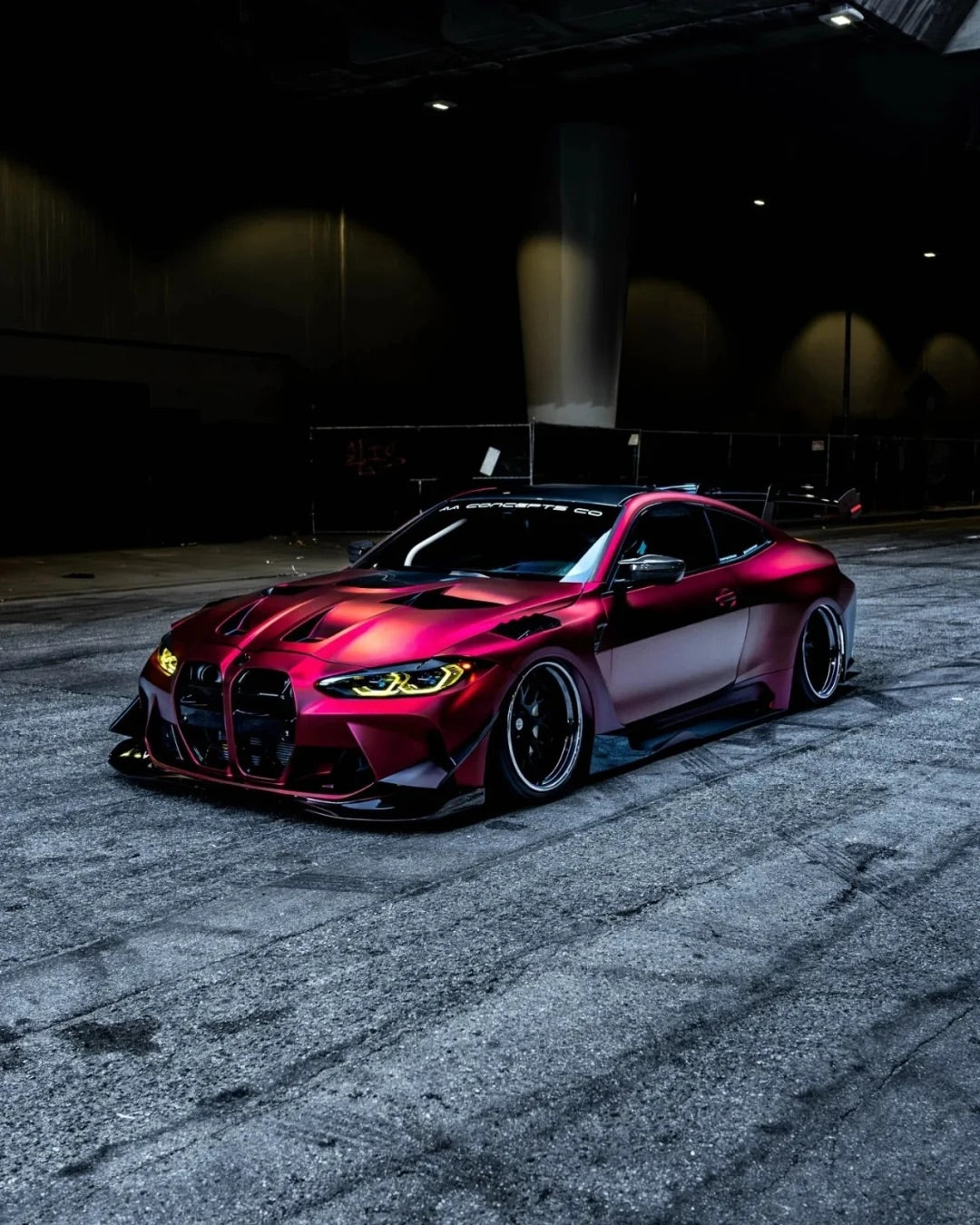


What Makes Colored TPU Film Different from Vinyl Wrap
Traditional car vinyl wrap is a PVC-based film with pigment in the layer and a pressure-sensitive adhesive on the back. It handles color change beautifully but was never engineered to absorb meaningful impact. When a stone kicks up from the road at highway speed, a standard vinyl wrap can dent, cut, or punch through to the paint underneath.
Colored TPU paint protection film uses a completely different material. Thermoplastic polyurethane is the same polymer family originally developed for military applications — helicopter rotor blades and aircraft leading edges needed a clear, resilient, impact-absorbing barrier that would not yellow or delaminate under sustained abuse. That same chemistry, refined over decades, now forms the backbone of every Sailifilm colored PPF product.
Three properties set colored TPU apart:
-
Self-healing topcoat — minor scratches and swirl marks disappear when the film is warmed by sunlight, warm water, or a heat gun, because the thermoplastic layer flows back into its original smooth state
-
Hydrophobic surface — water, dirt, and contaminants bead up and slide off instead of bonding to the film, which dramatically reduces cleaning effort
-
Impact dispersion — the thicker TPU layer absorbs rock-chip energy across a wider area rather than allowing it to concentrate in one spot and reach the paint below
Compared side-by-side on the same vehicle, a colored TPU wrap looks visually similar to a premium vinyl wrap when freshly installed. The difference reveals itself over years of driving: the PPF-wrapped car keeps its finish, while the vinyl-wrapped car shows the inevitable micro-damage that accumulates on any daily driver.
The Sailifilm Colored PPF Lineup
Our Colored Paint Protection Film collection currently features 19 colors, each manufactured from professional-grade TPU with a high-gloss crystal-clear topcoat. Every option ships in roll sizes from 5ft × 10ft up to 5ft × 79ft, so coverage can scale from a front-end install to a complete full-body wrap.
Featured Color Families
The lineup is organized around color temperature and intent:
-
Crystal Sky Blue and Crystal Light Pink — soft, light-reflective tones that photograph beautifully in daylight
-
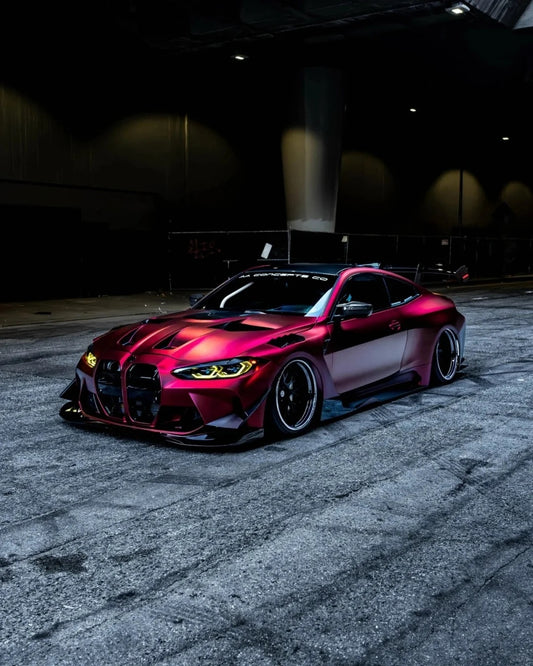
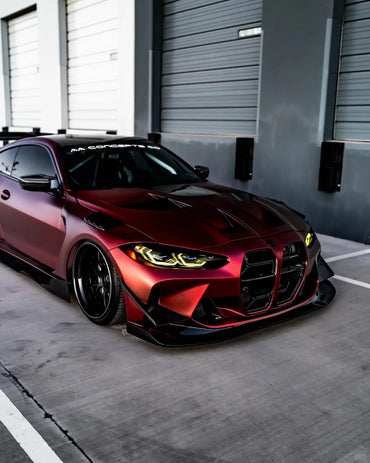
Ferrari Red and Blood Red — deep, saturated reds that deliver the exact visual impact exotic car owners expect
-
Crystal Orange — bright, high-energy hue for builds where visibility and personality matter
-
Arctic Grey — muted, sophisticated neutral that pairs well with factory chrome and black trim
-
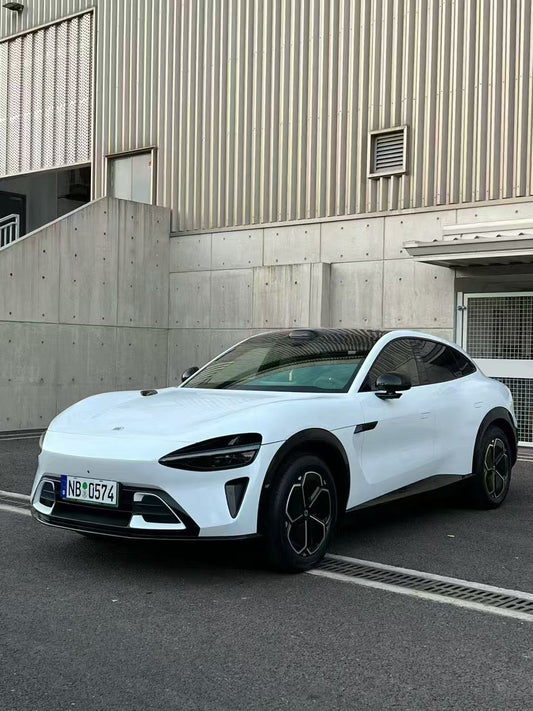
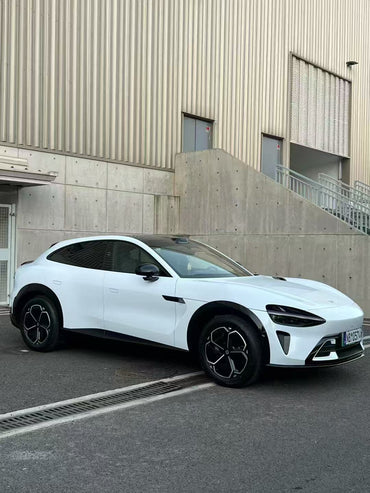
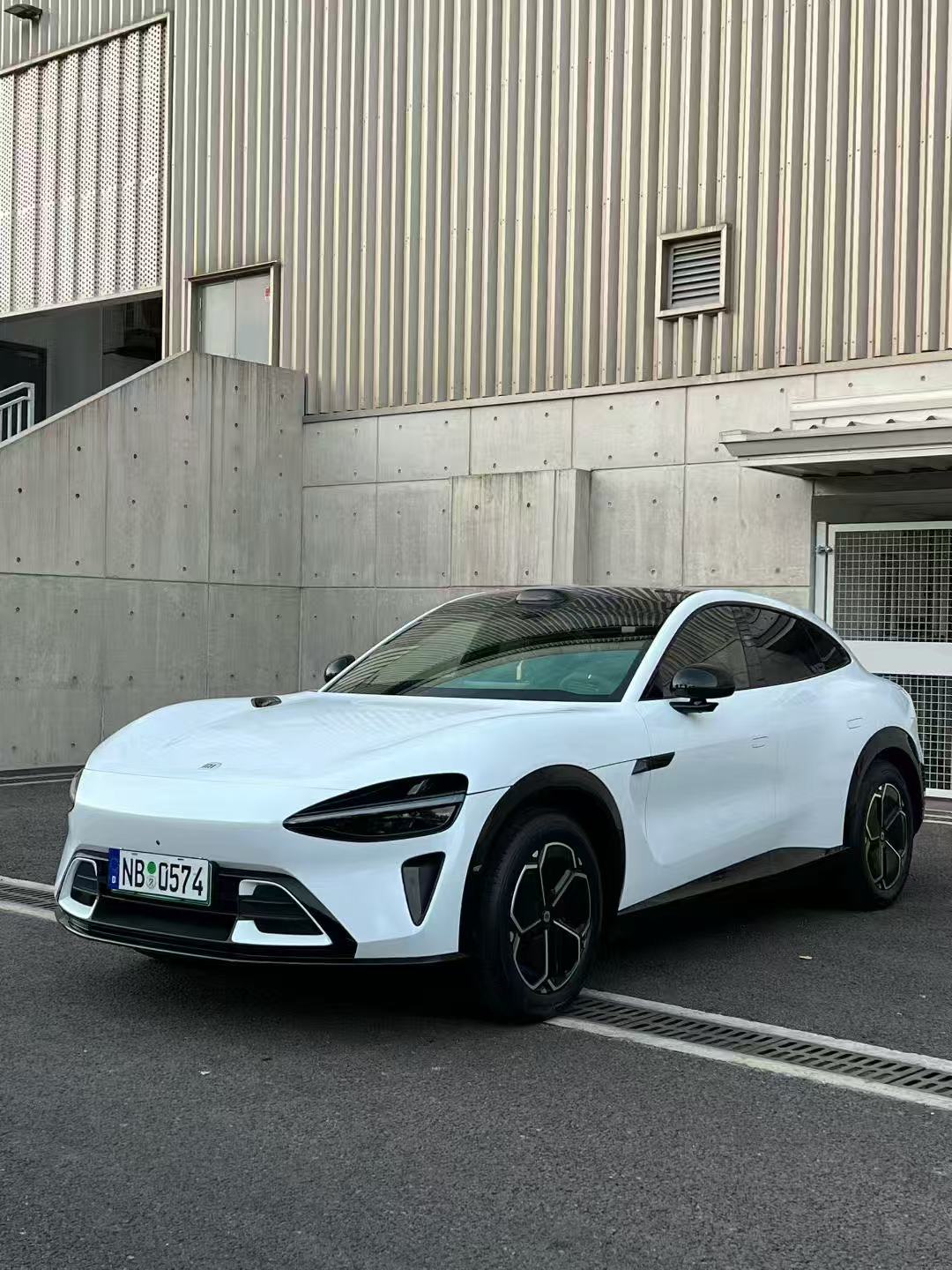
Crystal White — clean, premium white that reads brighter than factory white paint
-
Piano Black — glass-like deep black with none of the micro-swirls that plague real piano black paint
Across the full 19-item range, color distribution covers 4 reds, 4 greens, 3 grays, 2 blues, 2 pinks, 1 orange, 1 purple, 1 black, and 1 white — so there is meaningful depth in every major category drivers ask for.
What You Are Actually Buying
Each colored PPF roll from Sailifilm includes:
-
Premium TPU (thermoplastic polyurethane) construction with a high-gloss finish
-
Self-healing topcoat with heat-activated scratch recovery
-
Fade-resistant pigment layer protected by a crystal-clear surface layer
-
Professional-grade thickness engineered for impact absorption, not just color
-
Removable construction that will not damage factory paint on removal
At a starting price of $499 for a 5ft × 10ft roll, colored TPU sits above standard vinyl wrap on cost but well below the combined cost of a vinyl color change plus a separate clear PPF installation. For drivers who would otherwise buy both products separately, colored PPF is usually the better value on total ownership cost.
Who Should Choose Colored TPU Over Standard Vinyl Wrap
Colored PPF is not the right choice for every project. The premium price only makes sense if the protection side of the equation matters to you. Three buyer profiles get outsized value from this product:
Luxury and Performance Car Owners
If you drive a high-value vehicle where factory paint repair starts at thousands of dollars, colored PPF pays for itself the first time it stops a stone chip that would otherwise have reached the clear coat. This is also why exotic owners who previously clear-PPF'd their entire car now order colored TPU for color change plus protection in a single layer.
Long-Term Owners Planning to Keep the Vehicle
Factory paint condition directly drives resale value. If you plan to own a car five years or more, the combined color and protection layer keeps the paint underneath showroom-fresh for the entire ownership period. When you eventually remove the film, the underlying paint is essentially unworn, which is the single strongest argument for spending on PPF over standard vinyl.
High-Impact Climate Drivers
Drivers in regions with gravel roads, winter sanding, intense UV exposure, acidic rain, or high bird population density see visible wear on factory paint within two to three years. For these conditions, colored TPU's combination of UV resistance, hydrophobic self-cleaning, and impact dispersion is practically essential. Our Car Film Maintenance Guide covers climate-specific care for each film category.
When a Standard Vinyl Wrap Still Wins
To be genuinely useful, this comparison has to cut both ways. Colored PPF is superior for protection and longevity, but standard vinyl wrap outperforms it in three scenarios:
-
Short-term looks — if you want to change color for one or two years before flipping the vehicle, a vinyl wrap costs less and does the aesthetic job
-
Specialty finishes — our Liquid Series mirror chrome, Rainbow Laser Series holographic effects, Dual Color Dream Series color-shift, and 3D Carbon Fiber Wrap textures are vinyl-only finishes that colored PPF does not replicate
-
Budget-constrained builds — starter projects benefit from keeping material cost low while still achieving visual transformation
For those projects, our broader Car Vinyl Wrap catalog is a better starting point. The right product depends entirely on which of the two jobs — color or protection — you are prioritizing most.
Planning a Colored PPF Installation
Installing colored TPU is not quite the same as installing vinyl wrap. The material is thicker, less forgiving of dry installation, and needs precise technique to deliver on its protective promise.
Wet Application Is the Standard
Unlike standard vinyl, TPU paint protection film is typically installed using a wet slip solution that lets the installer reposition and align the film over complex curves without pre-adhering it to the surface. This matters because the film has to be laid under slight tension to conform tightly, and wet application prevents premature stick-down while you work the material into place. Once positioned, the slip solution is squeegeed out and the adhesive cures over 24 to 48 hours into its final bond.
Prep Work Determines the Result
Any contaminants left on the paint beneath a PPF install will be trapped there for years. That means clay bar decontamination is non-negotiable, wax and sealant residue must be removed with a dedicated prep solvent, and any clear-coat defects should be addressed before the film goes on. Colored TPU is slightly forgiving of minor surface imperfections compared to optically clear PPF because the pigment layer hides some flaws, but it will still telegraph major issues underneath.
Tools You Cannot Skip
Professional-grade Wrapping Tools matter even more for TPU than for vinyl. Soft-edge squeegees prevent scratching the self-healing layer, dedicated heat guns with precise temperature control let you post-heat edges without overheating the pigment, and wrap knives with fresh blades handle the thicker material cleanly. Before committing to a full install, our Sample Kits let you test a color against your actual paint in actual lighting.
If you are new to PPF work, we recommend professional installation. The material cost alone makes DIY mistakes expensive, and the learning curve for wet application is steeper than most first-timers expect.
Matching Colored PPF with the Rest of Your Build
Many strong builds combine colored TPU with Sailifilm vinyl accents for a layered aesthetic:
-
A Crystal White colored PPF body with 3D Carbon Fiber Wrap hood, mirror caps, and roof for a modern performance look
-
A Ferrari Red colored PPF paired with Ultra Matte Series satin black accents for high contrast
-
A Piano Black colored PPF base with Liquid Series chrome roof or pillar accents
-
An Arctic Grey colored PPF with Metallic Series ghost-finish hood stripes
For more complex protection strategies, our existing post on carbon fiber PPF combinations breaks down how to layer textured accents with TPU-protected body panels for both style and durability. Browse Best Sellers to see which color and finish combinations are driving the most customer orders this season.
Caring for Your Colored TPU Wrap
Good care extends a colored PPF install well past the 5-to-7-year mark that standard vinyl wrap tops out at. Key habits:
-
Hand wash only with pH-neutral car shampoo and microfiber mitts
-
Let minor scratches heal on their own in direct sunlight or with warm water over the affected area
-
Avoid abrasive compounds, polishing machines, and automated brush washes
-
Address bird droppings, tree sap, and insect residue within 24 hours to prevent etching into the hydrophobic topcoat
-
Apply a PPF-safe sealant every 6 to 12 months to maintain hydrophobic performance
Our DIY Car Wrap Installation Guide includes care checklists specific to each film category so you know exactly which products to use and which to avoid.
Final Thoughts
Colored TPU paint protection film is the answer for every driver who previously had to choose between bold color transformation and real paint protection. You no longer need to stack two films or compromise on either goal. A single Sailifilm colored PPF installation delivers the visual shift of a premium color change plus the long-term armor that keeps factory paint pristine underneath. For long-term owners, high-value vehicles, and harsh-climate drivers, this is the smartest single upgrade you can make to a car in 2026.
Start with a swatch from our Sample Kits, pick the color that matches your vision, and plan the install around a calm week when professional shops have time to prep properly. The result lasts years longer than any vinyl wrap and protects an asset that only gets more expensive to repair over time.
Further Reading
External reading: the Wikipedia entry on paint protection film covers the military origins of TPU film technology and traces its evolution into the automotive market — useful background for anyone weighing PPF as a serious long-term investment. For related Sailifilm guides, see our posts on self-healing PPF technology, how to wash a vinyl wrapped car, matte vs gloss car wrap choices, and 2026 automotive wrap color trends for the latest color direction.

