

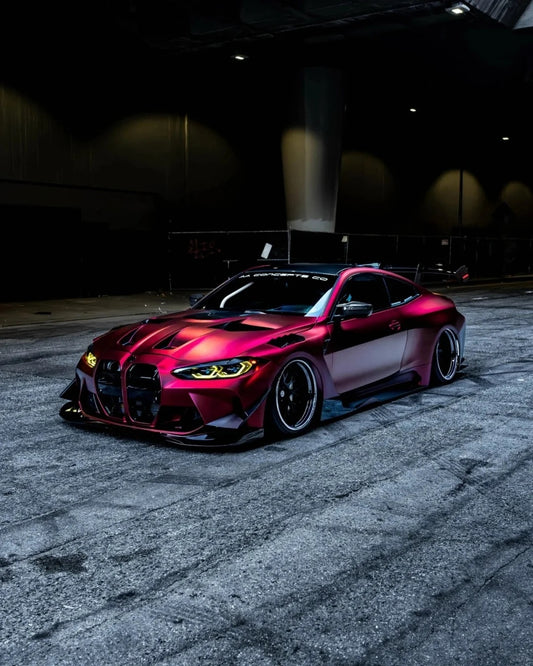
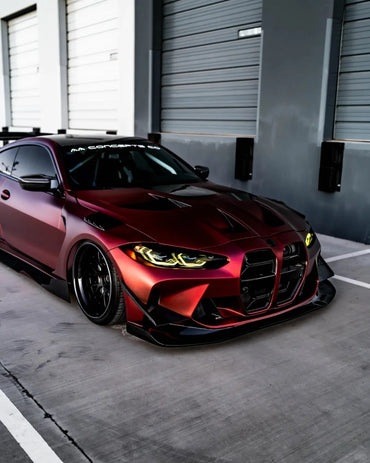
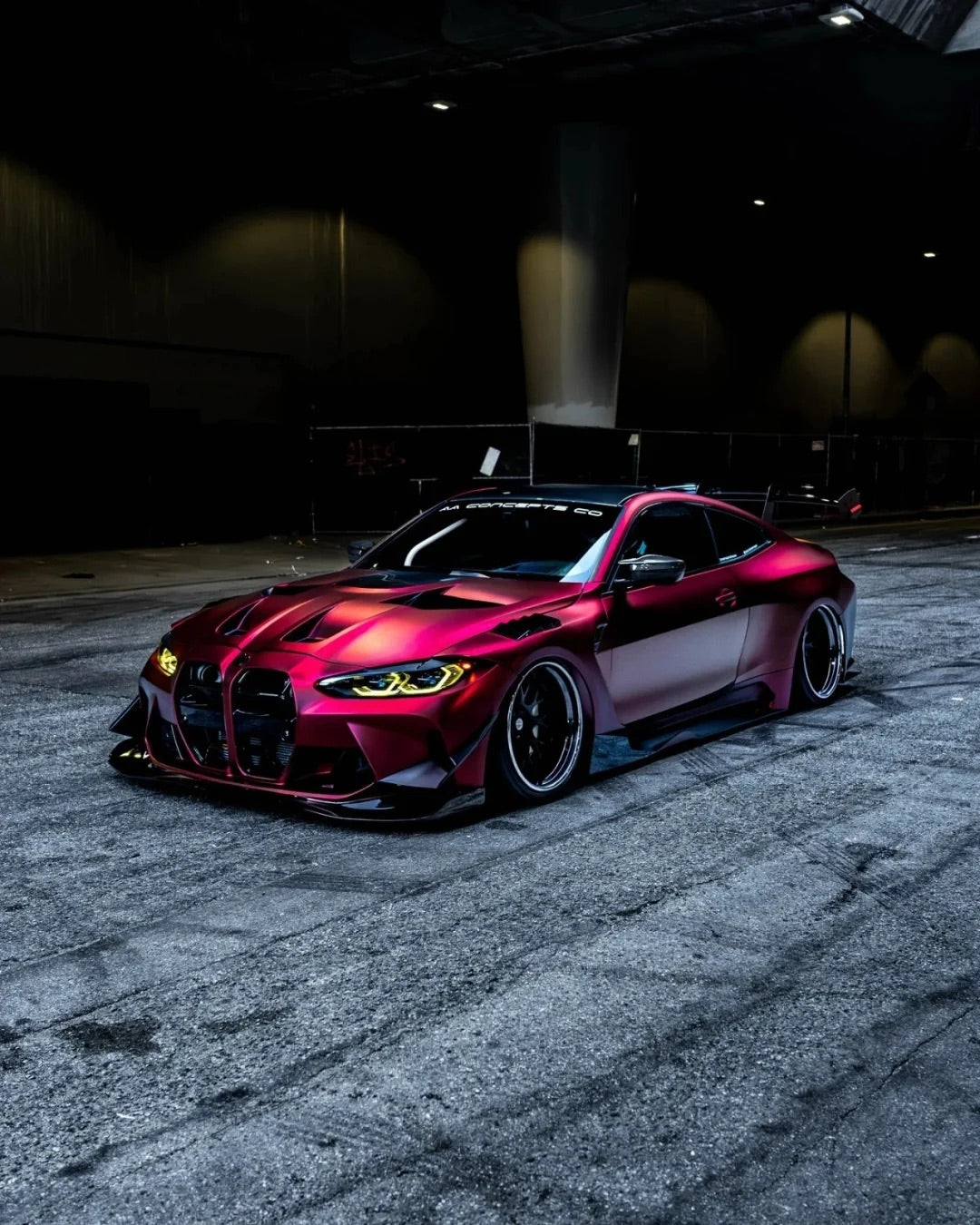
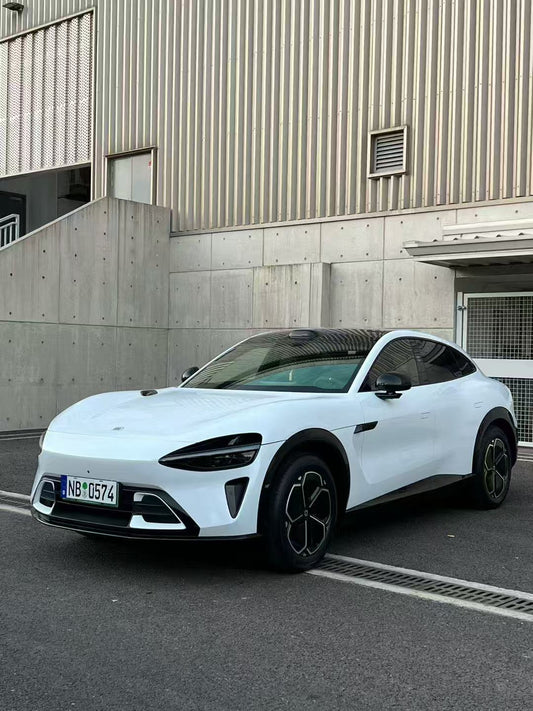
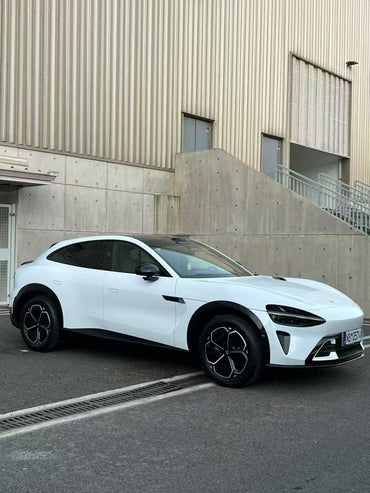
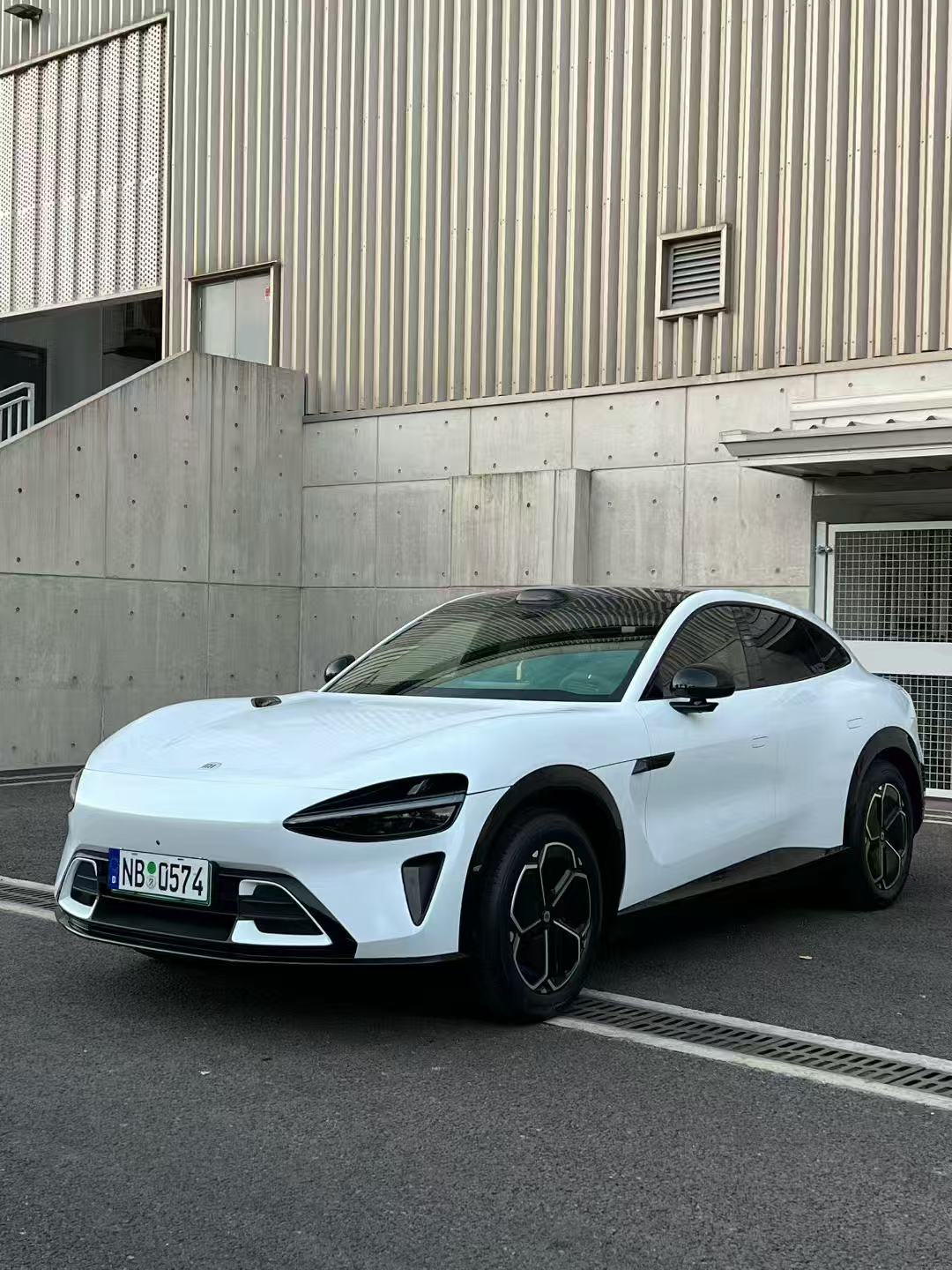


A lease puts an owner in an odd position. You drive the car every day, you park it outside your house, you pay for it every month, and you are not allowed to change it. Three years of looking at a colour somebody in a marketing department selected for a brochure, on a car you cannot repaint.
Film solves that problem better than any other modification, because it is the only visual change that can be completely undone. Done properly, the leasing company receives a vehicle in its original colour with paint in better condition than an unwrapped equivalent. Done carelessly, it becomes a line item on a return inspection report.
The difference between those two outcomes is entirely decided before installation, not after. Here is how to plan it, using the car vinyl wrap and TPU films Sailifilm actually supplies.
Read the clause, not the forum thread
Every lease contract contains a section on modifications and condition standards. It is worth ten minutes of reading before ten minutes of colour browsing.
Most agreements share the same logic. Permanent alterations are prohibited. Reversible additions are permitted or tolerated provided the vehicle returns to its original specification at the end of the term, at the lessee's cost. Because film is removable and paint is not, a wrap normally falls on the permitted side of that line — but the contract, not the general principle, is what governs your specific car. The financial mechanics behind why lessors care are set out in the reference on vehicle leasing.
Three specific things to look for:
Whether written consent is required. Some agreements ask for approval in advance for any appearance change. Where that clause exists, an email describing removable film over untouched factory paint is usually approved without difficulty, and that email becomes your protection at return.
Who pays for restoration. Universally the lessee. Budget removal at the start of the project, not at the end.
How condition is assessed. Return inspections are graded against a wear standard, and the relevant concept is ordinary wear and tear versus damage. Adhesive residue and clear-coat lifting fall on the damage side. A clean panel does not.
Why the paint underneath usually comes back better
This is the part most lessees do not expect, and it is the strongest argument to make if the leasing company asks questions.
For the whole time the film is on, the factory finish is shielded from ultraviolet exposure, light abrasion, road salt, bird droppings and industrial fallout. A bonnet that would have accumulated a season of stone chipping accumulates it on a sacrificial layer instead. When the film comes off, that panel is closer to delivery condition than an unwrapped car of the same age.
This matters commercially, not just cosmetically. Return inspections price paint defects, and the residual value calculation behind your monthly payment assumed a certain amount of degradation. Handing back a car with less degradation than assumed is not something anyone penalises.
Choose the material for removal, not only for looks
Two families of film change colour, and they behave differently three years later.
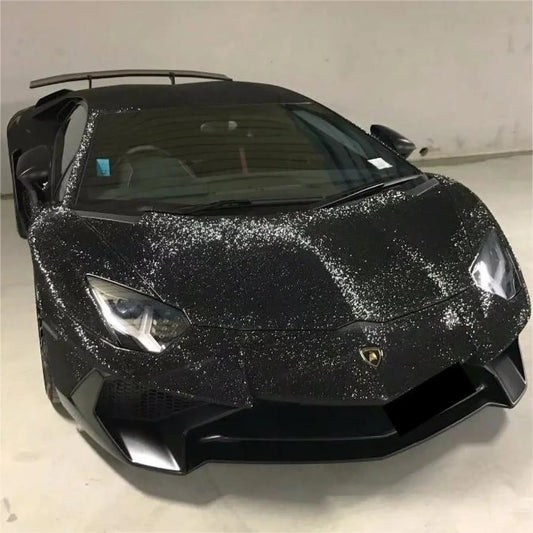
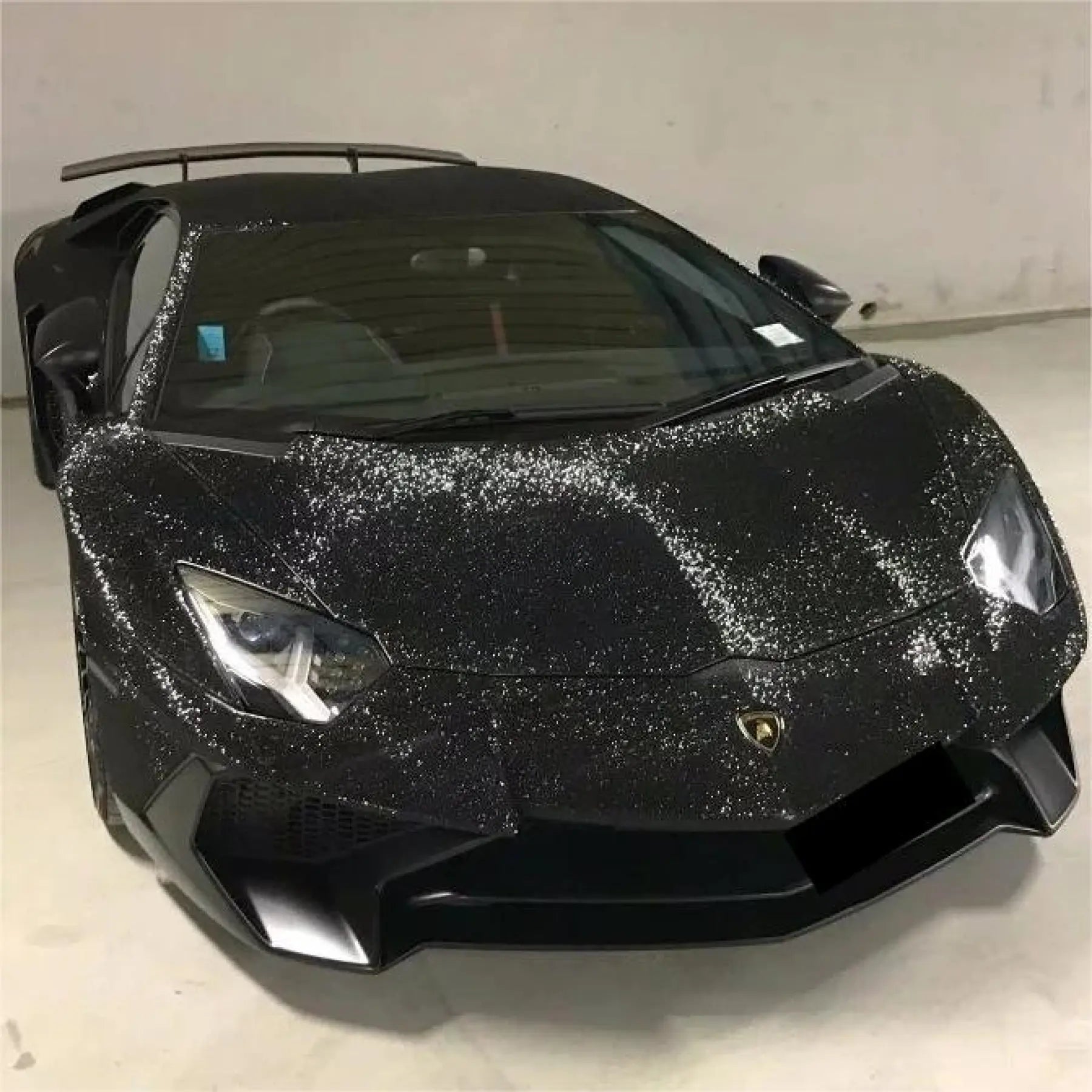
PET-backed colour-change vinyl is the broadest catalogue: the Ultra Matte range, the Metallic Series, the Liquid Series, the Crystal Series and the 3D carbon fibre textures. This is where the colour choice lives, and it is the right answer for most lease terms.
Colour paint protection film carries pigment inside a thermoplastic polyurethane layer engineered for impact absorption. The coloured PPF range changes the colour and defends the panel at the same time, which suits a lease with high motorway mileage where stone chips are the real return-inspection risk. The wider TPU protection collection covers the clear equivalent for owners keeping factory colour.
The removal-relevant variable in both cases is time on the vehicle. Adhesive systems are formulated to release cleanly within a service window. Film that stays on well past that window, baked through several summers, gets harder to lift and more likely to leave residue. Match the film's expected life to your lease term rather than treating the two as unrelated numbers.
The one rule that decides everything: original paint only
Film goes onto sound, cured, factory paint. That is the condition for clean removal, and on a leased car it is close to a guarantee.
The exception to watch for is a panel that has been repaired during the lease. A resprayed wing from a car-park incident has a fresh finish that needs full curing time before anything adhesive touches it, and repair paint has less bonded strength than factory paint. Wrapping over a recent respray is where clear-coat lifting genuinely happens. If any panel has been repainted, either exclude it or wait, and tell the installer which panel it was.
Chipped, flaking or previously lifted paint is the other exclusion. Film does not fix a bad panel. It hides it until removal, and then the damage arrives on your inspection report with adhesive attached.
Partial coverage is often the smarter lease strategy
Full coverage is not the only route to a car that looks like yours. On a lease, restraint has a financial logic behind it.
A roof, bonnet and mirror-cap combination changes the character of the car dramatically while touching a fraction of the surface area. Chrome delete around window trim modernises almost any modern saloon or SUV. These use one to three rolls instead of a full-vehicle quantity, remove in a fraction of the time, and give an inspector far less surface to examine. Our guide to full wrap versus partial wrap breaks down material requirements for both approaches.
For a two-year lease in particular, partial coverage frequently delivers the better ratio of visual change to end-of-term work.
Order a swatch before you order a roll
Colour behaves differently on a screen, in a showroom, and on a curved panel in daylight. On an owned car a colour you tire of is an inconvenience. On a leased car it is a colour you are contractually stuck looking at until you pay to remove it.
The sample kits exist for exactly this. Tape a swatch to the bonnet, look at it in morning light, at midday, under sodium street lighting and in rain. Metallic and pearl finishes in particular read as completely different colours depending on the light source, because of how the flake layer refracts it — a mechanism explained in the general overview of vehicle wrapping.
Keep one spare swatch, labelled with the date and the film name. If a panel needs a matched repair section eighteen months later, that swatch saves you a guessing game.
Plan removal into the calendar
The most common lease mistake is treating removal as something to arrange in the final week.
Book it six to eight weeks before the return date. Two reasons. First, removal occasionally reveals something that needs attention — a pre-existing chip, a mark under the film, a panel that needs polishing — and six weeks is enough time to deal with it calmly rather than at premium urgency pricing. Second, the car should be washed, dried and inspected in normal condition before handover, which cannot happen if the film comes off the day before.
Removal is a heat-and-patience process, not a chemical one. Our guide to protecting the original paint during removal covers technique in detail, and the wrapping tools range covers the equipment side. A full breakdown of timing and cost by coverage level is planned at wrap removal cost and timeline.
Tell your insurer, and check the registration rule
A leased car is registered and insured like any other, and a full colour change is a change to how it is described. The leasing company is usually the registered keeper, which makes notification slightly different rather than optional — in most cases you inform the leasing company and they handle the registration side. Insurance you handle directly. The full walkthrough is in our article on car wrap laws, insurance and registration.
Keep the file
Four items, kept together with the lease paperwork.
Photographs of every panel before installation, taken in daylight. The purchase invoice showing film type and roll size. One labelled spare swatch. The written approval from the leasing company, if you requested one.
That folder answers every question a return inspector can raise about the paint underneath, and it takes fifteen minutes to assemble.
Aftercare during the term
Wrapped film on a leased car is maintained the same way as on an owned one: frequent gentle washing, no abrasive polishing on matte finishes, prompt removal of bird droppings and fuel spills before they etch. Details are in the film maintenance guide. If you are installing yourself, the DIY installation guide covers surface preparation, which is where lease outcomes are actually decided.
Workshops handling lease-return work at volume can access trade pricing through the dealer programme.
Frequently asked questions
Can you wrap a leased car? In most cases yes, because film is removable and the factory paint is unaffected. The contract clause on modifications is the authority, and written consent is worth obtaining where the agreement asks for it.
Will a wrap damage the paint on a lease return? Not on sound factory paint removed within the film's service life. Damage risk concentrates on recently resprayed panels and on film left on years past its intended term.
Is colour PPF or vinyl better for a lease? Vinyl offers the wider colour catalogue at lower cost. Colour PPF costs more and adds genuine impact protection, which pays back on high-mileage motorway leases where stone chipping drives return charges.
How early should the wrap come off? Six to eight weeks before handover, so any surprise underneath can be dealt with without time pressure.

