

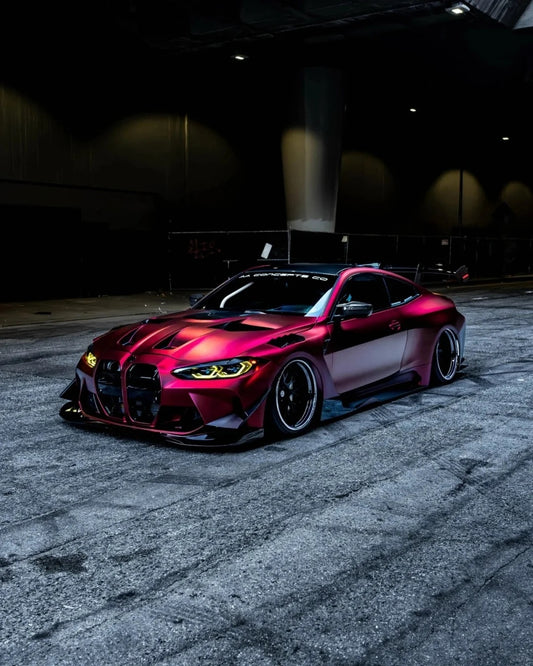
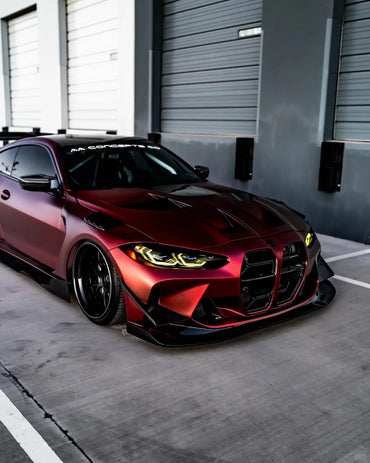
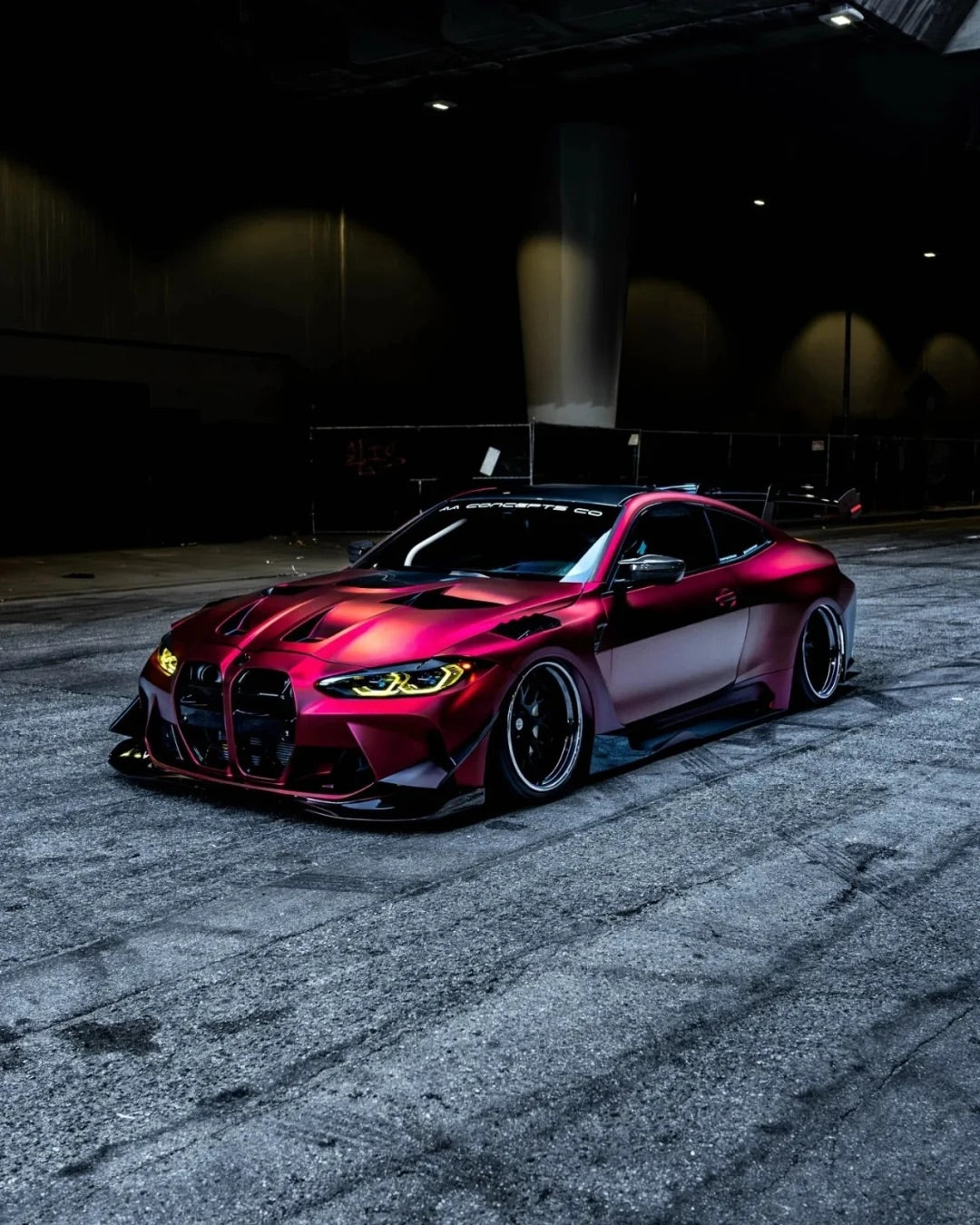
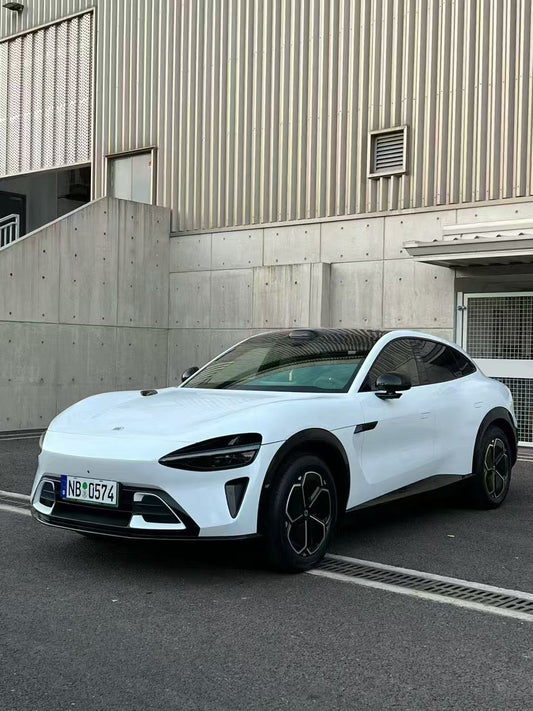
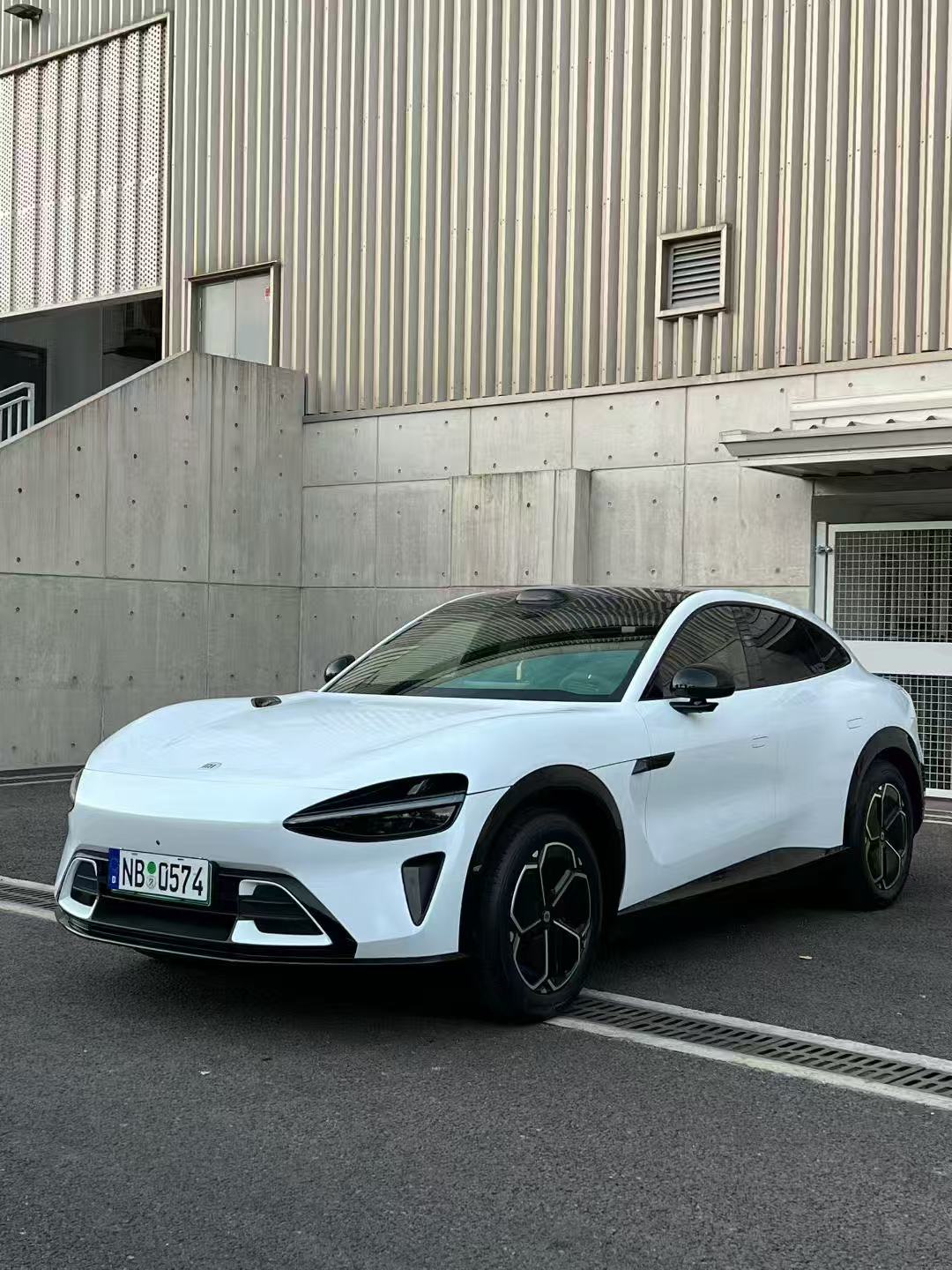


You have decided your car deserves an upgrade. Maybe you want a complete color transformation, maybe you just want to stop worrying about rock chips on the highway, or maybe you want both at once. The next question becomes the one most drivers struggle with in 2026: should you commit to a full wrap, target the high-impact areas with a partial wrap, or invest in transparent paint protection film?
The honest answer is that these three options solve different problems, and the right choice depends entirely on what you want your car to look like, how you drive, and what you are willing to spend. Search volume for terms like "full body PPF cost," "partial wrap front end," and "color change vs clear bra" has surged across automotive forums and Google trends this year — proof that buyers are taking the decision more seriously than ever.
The Three Options at a Glance
Before diving into details, here is the framework most owners find useful:
- Full wrap — Transform the entire vehicle's appearance with a complete color change. Style-driven.
- Partial wrap — Cover specific panels with vinyl for an accent look, two-tone build, or targeted refresh. Style-driven, budget-conscious.
- PPF (Paint Protection Film) — A clear or colored urethane layer that absorbs impact, resists chips, and self-heals minor scratches. Protection-driven.
The boundaries between these categories used to be cleaner. In 2026, the introduction of premium colored PPF has blurred the line entirely — and that opens up a fourth option that solves both problems in one layer.
Option 1: Full Vehicle Wrap
A full wrap means every painted panel on the exterior gets covered in vinyl film — hood, roof, doors, fenders, bumpers, mirrors, and trunk. This is the choice for owners who want a complete identity change.
When a Full Wrap Is the Right Call
- You want a color or finish that simply does not exist as a factory paint option
- You plan to keep the car for several years and want to commit to a new look
- You want to preserve the original factory paint underneath for future resale
- You are running a daily driver and want to refresh the entire vehicle in one project
Sailifilm Collections Built for Full Wraps
Almost every series in the car vinyl wrap catalog is engineered for full-vehicle coverage. The most popular full-wrap finishes for 2026 include:
- The ultra matte wrap series for a stealthy, aggressive, modern look that hides minor swirl marks naturally
- The liquid chrome wrap collection for a high-gloss mirror-style finish that turns heads in any parking lot
- The metallic vinyl wrap range for that factory-flake shimmer with a premium feel
- The crystal vinyl wrap line for depth and refined sparkle
- The 3D carbon fiber wrap collection for that motorsport-inspired weave aesthetic across the entire body
A full wrap typically requires 60 to 75 feet of film for a mid-size sedan, plus another 10 to 15 feet for waste and complex curves. Order generously — running short halfway through is the single most common DIY mistake.
What a Full Wrap Does Not Do
Standard vinyl wraps are not impact-resistant. A full color-change wrap will protect the paint from minor scuffs and UV exposure, but a stone chip on the highway will damage the wrap exactly the way it would damage paint. If chip protection matters to you, you will want PPF on top of, or in place of, the vinyl in high-impact zones.
Option 2: Partial Wrap
A partial wrap covers specific panels rather than the full vehicle. Common partial-wrap configurations include the roof only, the hood and mirrors only, the front clip (hood + bumper + fenders + mirrors), or accent strips and racing stripes.
When a Partial Wrap Is the Right Call
- You want a two-tone or accent look rather than a full color change
- Your budget is roughly one-third to one-half of a full wrap project
- You want to refresh only the most weathered or sun-damaged panels
- You are testing a new finish before committing to wrapping the entire car
- You want to combine multiple finishes — for example, a carbon fiber roof with a metallic body
Popular Partial Wrap Strategies
Some of the most-searched 2026 partial wrap combinations include:
- A carbon fiber hood and roof over factory paint for the motorsport look
- A liquid chrome roof for visual contrast against a darker body color
- A satin chrome metallic accent on mirrors, spoiler, and side skirts
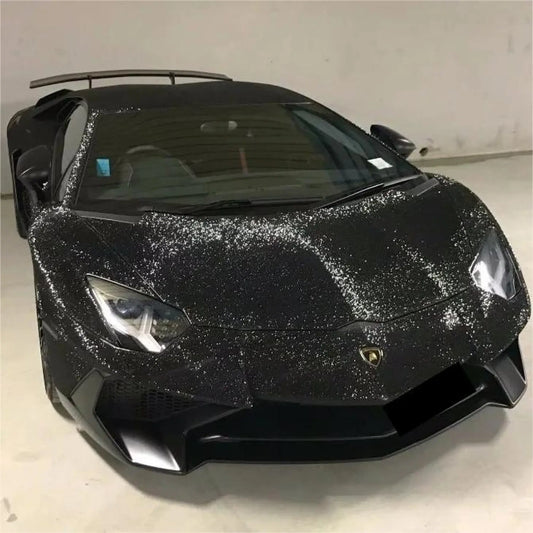
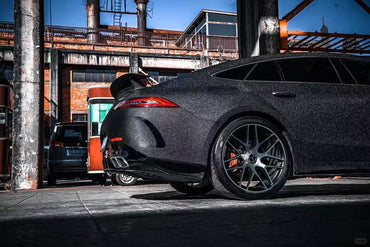
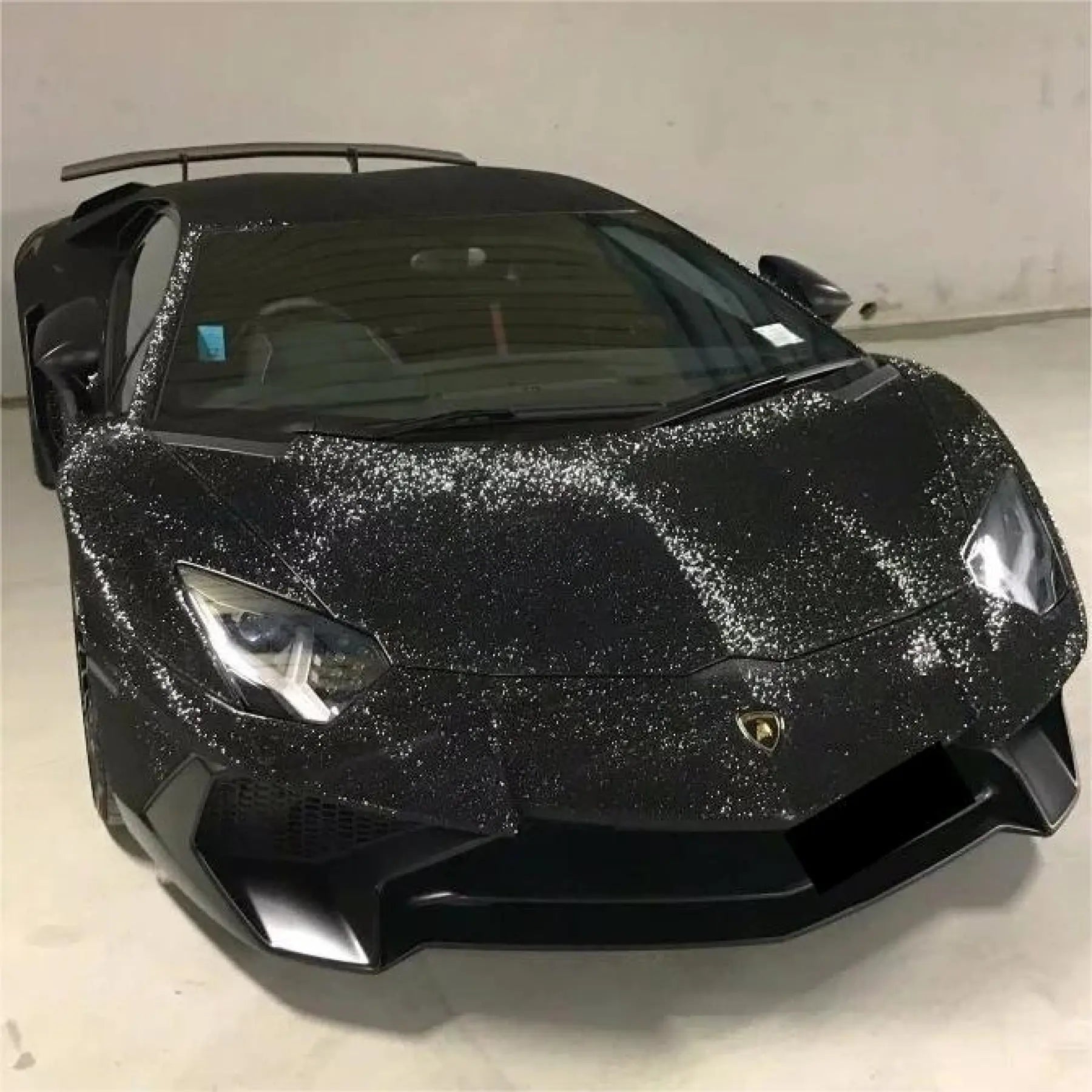
- A glitter sparkle accent stripe down the body line for a custom build
The glitter sparkle car wrap collection is particularly popular for partial accents because the diamond-like refraction draws the eye exactly where you want it — on a small panel where the effect adds character without overwhelming the whole vehicle.
The dual color dream vinyl wrap and rainbow laser vinyl wrap lines are also frequently chosen for partial applications because their color-shifting effects deliver the strongest visual impact on smaller, high-visibility panels like the hood or roof.
Cost Advantage
A partial wrap typically uses 15 to 30 feet of film depending on which panels you cover, which means significant savings compared to a full vehicle wrap. For first-time DIY installers, a partial project also reduces risk — if you make a mistake on a single panel, you have not committed to wrapping the entire car.
Option 3: Paint Protection Film (PPF)
PPF is a completely different category from vinyl. Where vinyl is built for color and finish, PPF is built for impact resistance. The film is a thermoplastic polyurethane (TPU) layer typically several mils thicker than vinyl, engineered to absorb rock chips, road debris, light scratches, and bug etching that would otherwise damage the paint underneath.
For the material-science background, the Wikipedia entry on paint protection film covers the TPU polymer chemistry that gives this category its self-healing properties.
When PPF Is the Right Call
- You want to keep the original factory paint visible and protected, not changed
- You drive on highways or rural roads where rock chips are a regular threat
- You own a high-value or performance vehicle where resale depends on paint condition
- You want self-healing technology that lets minor scratches disappear with heat
- You park outdoors and want UV and acid-rain protection beyond what waxing can deliver
Sailifilm TPU PPF Specifications
The TPU paint protection wrap collection is engineered as a premium-grade TPU film starting at $499 per roll, available in crystal clear (the traditional invisible "clear bra" look) as well as a range of colored options including sky blue, red, and pink. The TPU construction delivers genuine self-healing performance — minor surface scratches close up under warm water or sun exposure, restoring the original surface.
The polymer chemistry that makes this possible is covered in detail in the self-healing PPF technology deep-dive on the Sailifilm blog.
Full PPF vs Partial PPF Zones
Most owners do not wrap the entire vehicle in PPF. The most cost-effective approach in 2026 is partial PPF coverage on the high-impact zones, sometimes called a "front-end package":
- Front bumper — Highest stone-chip risk on any vehicle
- Hood — Second-highest impact zone, especially on highway driving
- Front fenders — Vulnerable to debris kicked up by the front tires
- Mirror caps — Daily contact and parking-lot damage
- A-pillars and headlight surrounds — High-visibility impact zones
- Rocker panels — Behind the front tires, prime sandblast territory
- Door cup areas — Fingernail scratches from daily handle use
This partial PPF approach delivers most of the protection of a full PPF wrap at a fraction of the cost.
Option 4: The Colored PPF Hybrid — Style and Protection in One Layer
This is the option most buyers do not realize exists. Until recently, the choice was binary: either you wrapped for style with vinyl (and got minimal protection), or you wrapped for protection with clear PPF (and kept the original color). Now there is a third path.
The colored paint protection film collection combines the impact resistance and self-healing properties of TPU PPF with vibrant pigmented finishes — meaning you get a complete color change and serious chip protection in the same layer. This eliminates the traditional choice between style and protection.
For owners who want both a new look and meaningful daily-driver protection without stacking two films on top of each other, colored PPF is increasingly the smart play. It costs more per square foot than standard vinyl but less than wrapping with vinyl and then layering clear PPF on top.
Cost and Coverage Comparison
| Option | Typical Coverage | Primary Purpose | Investment Level |
|---|---|---|---|
| Full vinyl wrap | Entire vehicle | Style/color change | Moderate |
| Partial vinyl wrap | Hood, roof, accents | Style/two-tone look | Lower |
| Partial PPF (front clip) | Hood, bumper, fenders, mirrors | Chip protection | Moderate |
| Full PPF | Entire vehicle | Maximum protection | Highest |
| Colored PPF (partial or full) | Targeted or whole body | Style + protection combined | Higher than vinyl, lower than vinyl+PPF stack |
How to Decide — A Simple Framework
Ask yourself three questions:
1. What is the primary goal — appearance or protection? If appearance is primary, you are choosing between full or partial vinyl wrap. If protection is primary, you are choosing PPF. If both matter equally, colored PPF is the strongest single answer.
2. What is the highest-risk zone on your car? If your driving exposes the front end to constant impact (highway commuting, rural roads, gravel), the front-end PPF package should be in your plan regardless of which vinyl finish you pick.
3. How long do you plan to keep this look? Vinyl wraps typically last 3 to 7 years depending on care. PPF typically lasts 5 to 10 years. Colored PPF inherits that longer service life from the TPU base, so it is also the most durable color option available.
Practical Next Steps
For first-time buyers, the safest path is to order from the sample kits collection. Small swatches of vinyl and TPU film let you evaluate finish, texture, and color against your existing paint before committing to a roll.
For installation, the wrapping tools collection covers the squeegees, heat accessories, and cutting tools that make the difference between a wrap that lasts six months and a wrap that lasts six years. The DIY car wrap installation guide and car film maintenance guide walk through the full workflow before and after application.
To see what other Sailifilm customers are running this year, the best sellers page shows the current top finishes across all collections.
Supporting Decisions Down the Road
A few related guides on the Sailifilm blog cover the secondary questions that come up after you have picked your direction:
- The matte vs gloss car wrap comparison helps lock in the finish style
- The paint correction vs touch-up breakdown covers the prep step that determines wrap longevity
- The how to wash a vinyl wrapped car walkthrough covers ongoing care across all finish types
Final Word
There is no universally "best" choice between full wrap, partial wrap, and PPF — there is only the right choice for how you actually use your car. A daily commuter facing highway debris will get more long-term value from partial PPF than from a flashy full wrap. A weekend show car prioritizes the bold finish that makes it stand out in a parking lot, where a full vinyl wrap or full colored PPF wins. Most owners land somewhere in the middle, combining a partial wrap or partial PPF with the original factory paint in a strategic build that balances style, protection, and budget.
Whichever route fits your goals, Sailifilm's full catalog is engineered around DIY-friendly air-release adhesive technology, so even the most demanding finishes are achievable in a home garage with the right preparation. Browse the car vinyl wrap and TPU paint protection wrap collections side by side to see how the two product families compare, then order a sample kit before committing to your first roll.

